The White House is reportedly seeking to precipitate a change of government in Cuba by year-end by identifying insiders who might negotiate a rapid leadership exit, according to The Wall Street Journal. Officials say the Jan. 3 operation in Venezuela — which they argue benefited from an internal asset — demonstrates Havana’s vulnerability. The U.S. has tightened sanctions, paused many Cuban immigration cases and targeted overseas medical programs, while Cuba, led by Miguel Díaz-Canel, has declared a “state of war” and warned against outside interference.
US Seeks Rapid Regime Change In Cuba By Year-End, Officials Say
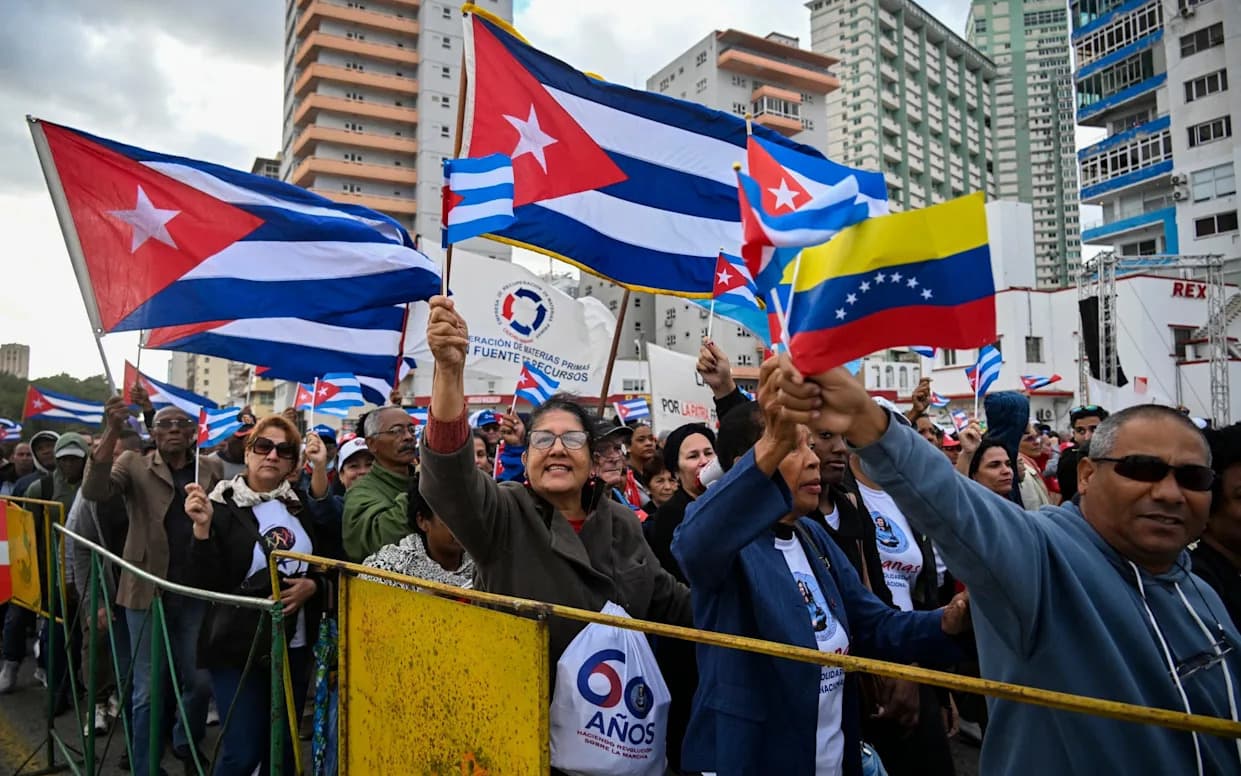
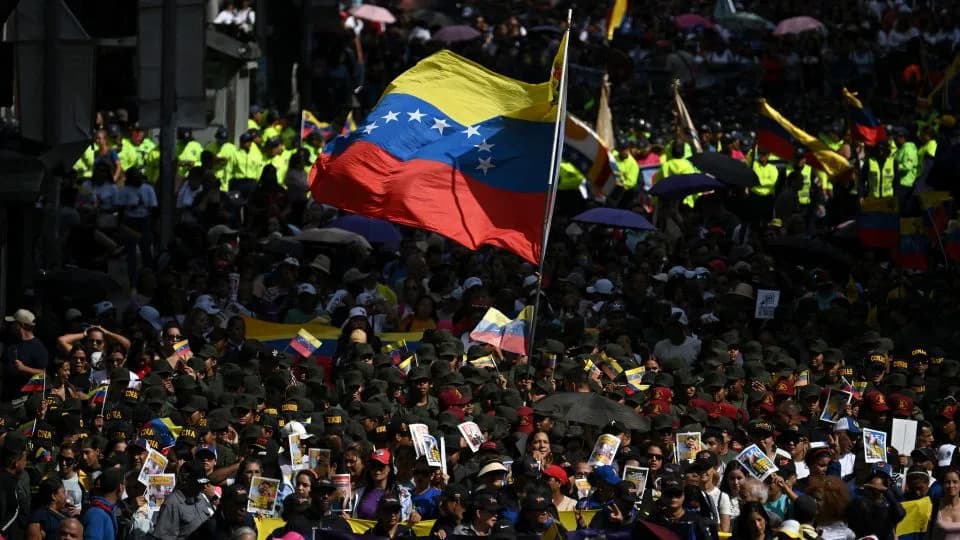
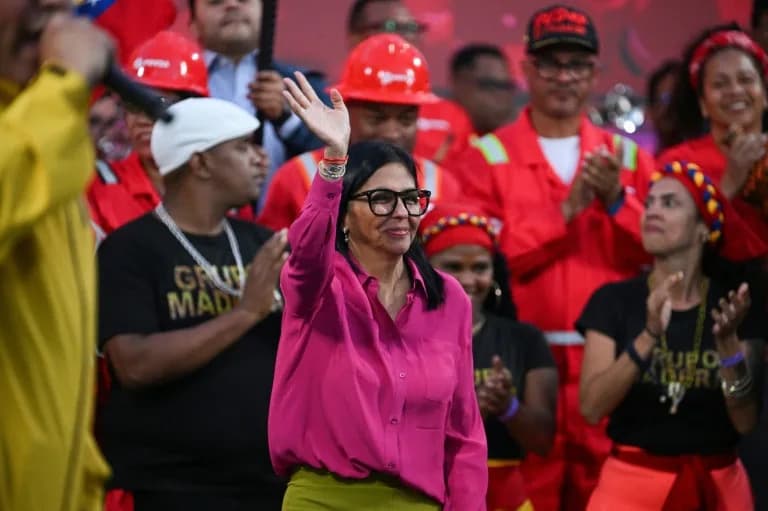
The Cuban government organised a rally outside the US Embassy in Havana in opposition to American intervention in Venezuela - Yamil Lage/AFP via Getty Images
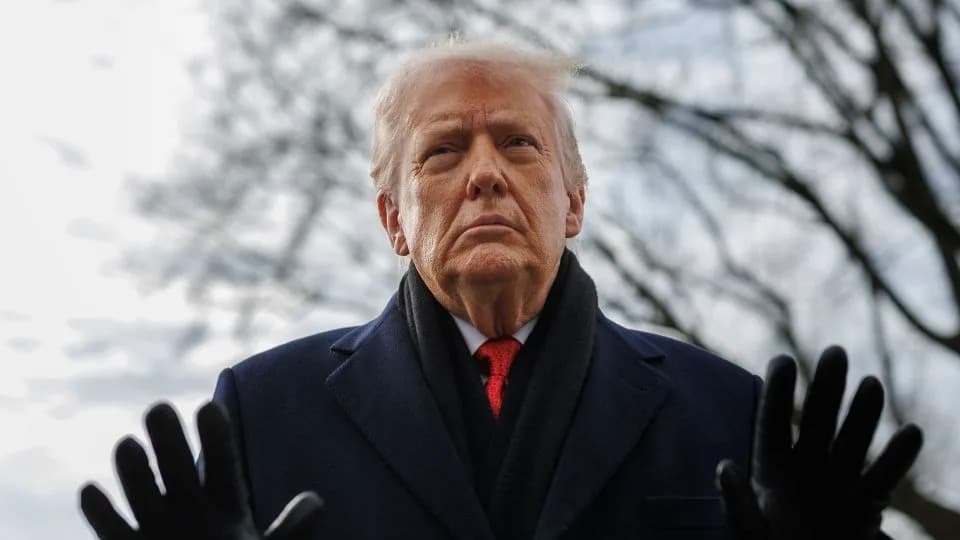
The White House is reportedly pursuing a plan to push for a rapid change of government in Cuba by the end of the year, according to reporting by The Wall Street Journal. Administration officials say they are searching for insiders within Cuba’s government who might negotiate a swift transition.
Reported Strategy And Motivation
Officials told the paper that the administration was emboldened by what they described as the operation in Venezuela on Jan. 3 and by intelligence that an asset inside President Nicolás Maduro’s circle aided that action. U.S. officials say the Venezuela operation should signal to Havana that its leadership is vulnerable — an argument the White House is using to justify outreach to potential defectors inside Cuba’s government.
Meetings And Outreach
White House representatives have met with Cuban exiles, civic groups and other contacts in Miami and Washington as part of efforts to identify willing insiders in Havana. Officials say a negotiated internal break could produce a faster, less costly transition than direct military action, though the administration has not publicly announced plans to use force.
Sanctions, Immigration Actions And Diplomacy
Since taking office, the administration has tightened measures aimed at Cuba’s economy: relisting Cuba as a State Sponsor Of Terrorism, imposing travel and program restrictions, pausing Cuban immigration case processing and increasing deportations. The administration has also moved to curtail Havana’s overseas medical missions through visa sanctions on officials they say facilitate the programs.
Humanitarian And Economic Pressure
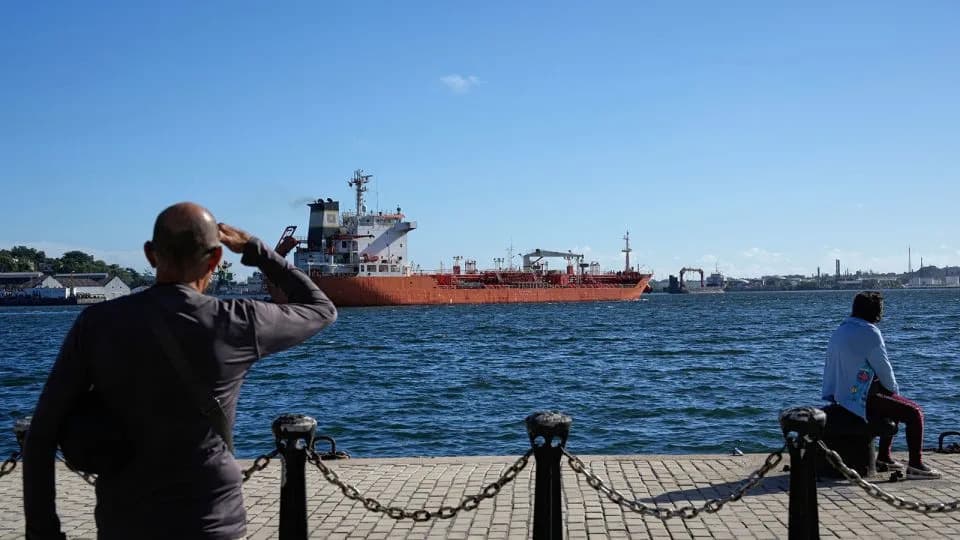
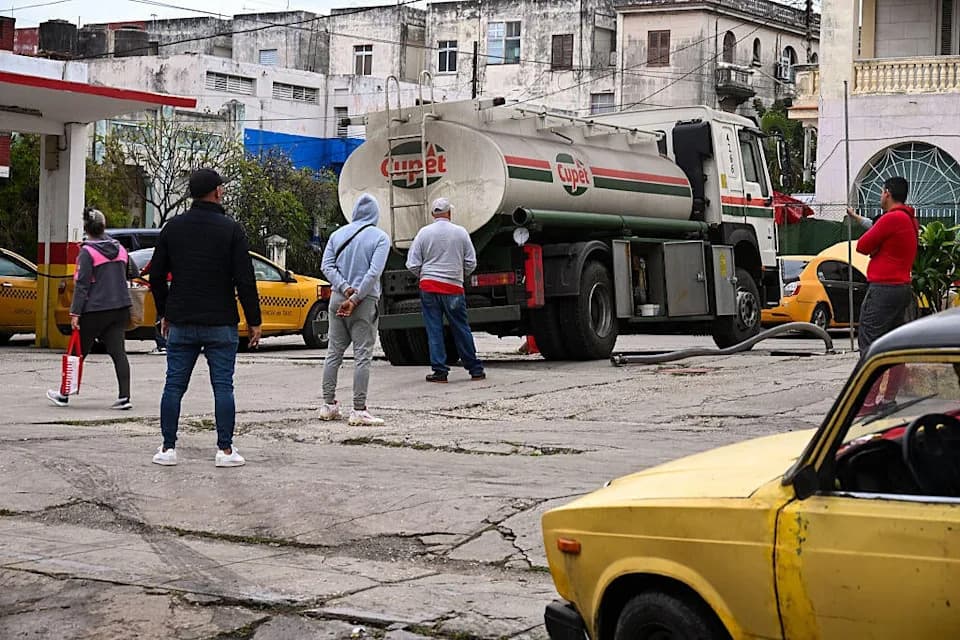
Cuba faces deep economic strain: widespread supply shortages, fuel scarcities that cause lengthy blackouts, and a significant population exodus. Economists cited in reporting warn that, with oil deliveries now mainly from Mexico and Russia, the country could exhaust critical fuel reserves in a matter of weeks if current trends continue.
Political Context And Risks
Havana, governed by Miguel Díaz-Canel since 2019, remains a one-party state that bans organized political opposition and tightly represses dissent. Human rights groups estimate there are more than 1,000 political prisoners. Amnesty International has called for the release of detainees and an end to repression, noting a previous release of roughly 500 people as part of earlier negotiations.
While officials close to the administration present toppling Cuba’s leadership as the defining test of a broader hemispheric strategy, analysts warn that Cuba’s entrenched leadership and the loyalty of its armed forces could make it difficult to secure an acceptable replacement from within. The administration has cited the cooperation of figures such as Venezuelan Vice President Delcy Rodríguez as an example of the kind of outcome it hopes to see.
Cuban Response
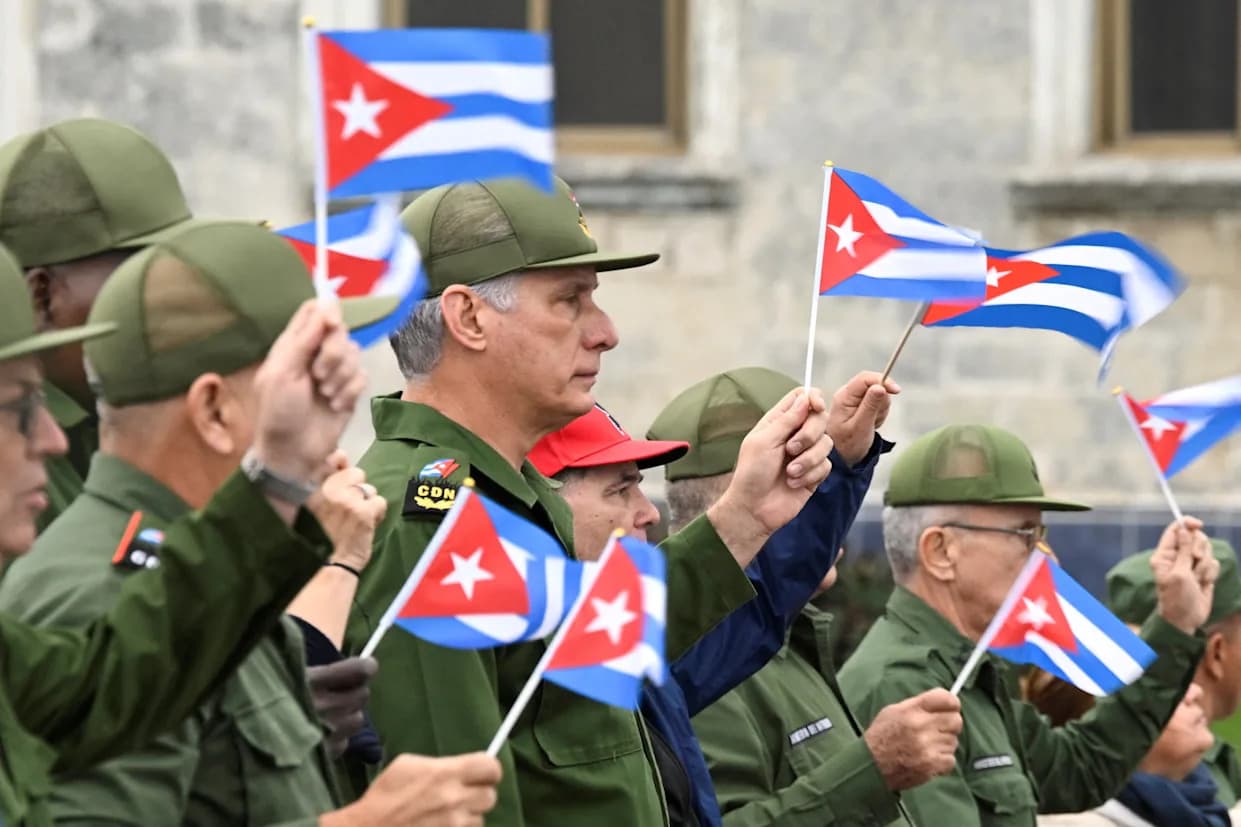
In response to heightened U.S. pressure, President Díaz-Canel has declared a “state of war,” amplified national defence rhetoric, staged public displays of unity and warned that the island will not surrender. The Cuban government emphasizes its resilience and historical resistance to outside pressure dating back to the 1959 revolution.
Outlook
Officials in Washington express cautious optimism that pressure combined with internal dissent could prompt a rapid transition, but significant uncertainty remains. Any effort to engineer leadership change from within carries risks of escalation, humanitarian strain and prolonged instability for ordinary Cubans.
Help us improve.