Key points: Cubans in Havana and nearby areas report prolonged blackouts (often 8–12 hours), soaring food and transport prices, and scarce fuel after shipments from Venezuela and Mexico were halted. U.S. warnings of tariffs on countries supplying Cuba have intensified pressure while the peso fell more than 10% in three weeks. Authorities declared an "international emergency," but the government has released few details on managing the growing humanitarian strain.
Cubans Driven Into Survival Mode as Fuel Shortages, Blackouts and U.S. Pressure Deepen Crisis
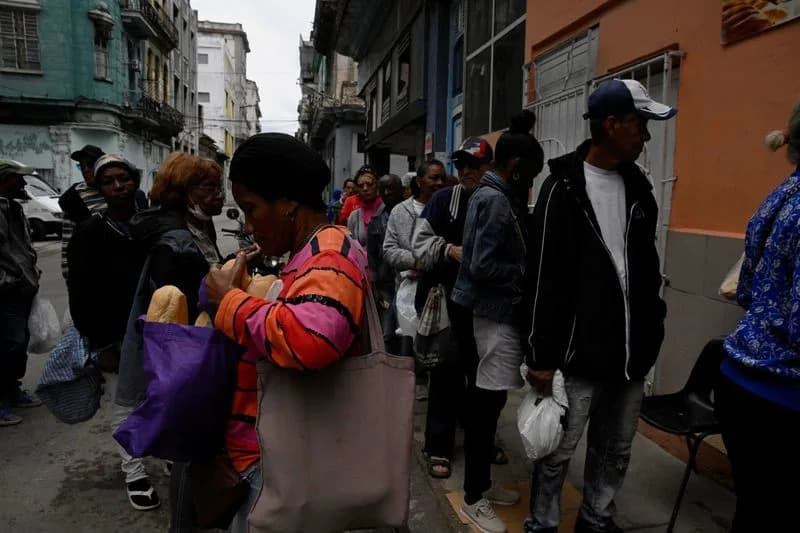
People line up to buy bread in Havana, as Cubans from all walks of life hunker into survival mode amid prolonged blackouts and soaring prices for food, fuel and transport, while the United States increases pressure on the communist‑run nation, in Cuba, January 30, 2026. REUTERS/Norlys Perez
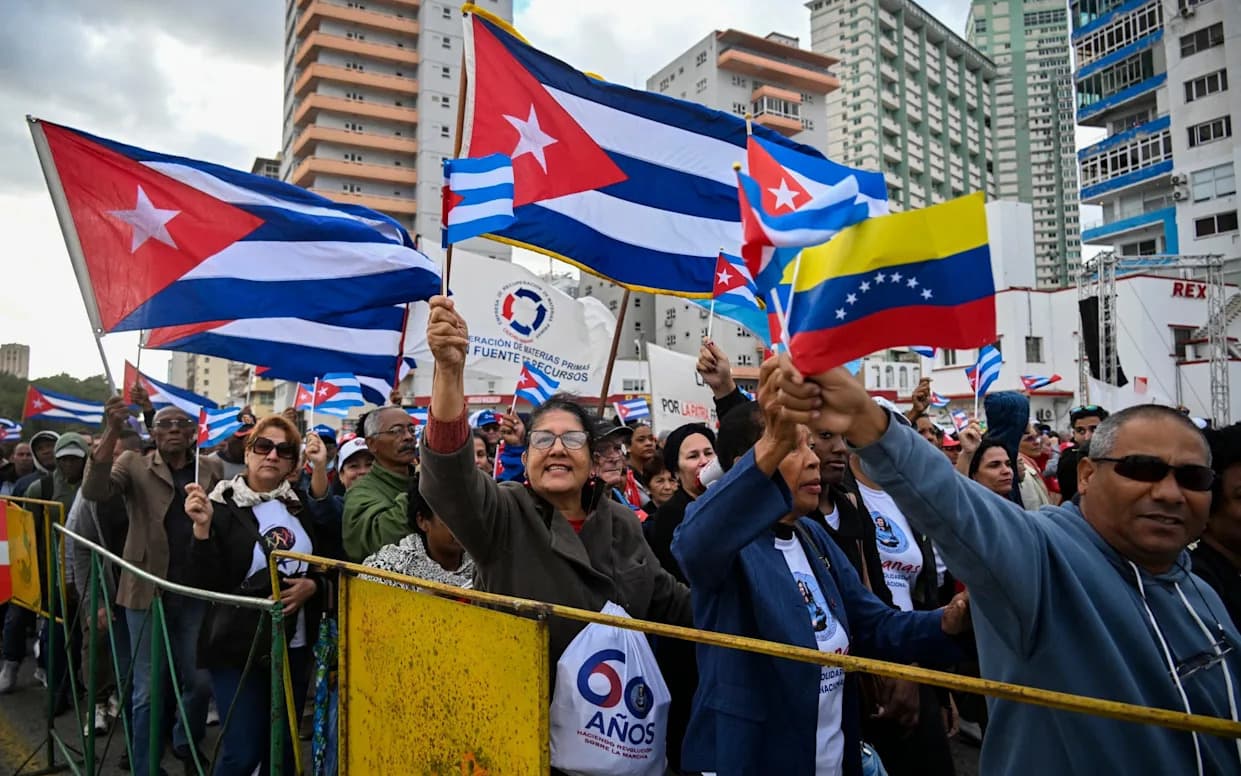
Havana, Jan 31 (Reuters) – Cubans across Havana and surrounding towns say they are increasingly focused on day-to-day survival as prolonged blackouts, spiking food and transport costs, and dwindling fuel supplies put new strain on the island.
Reuters spoke with more than three dozen residents — from street vendors and private workers to taxi drivers and state employees — who described longer power cuts, rising prices and fewer transport options as the humanitarian risk grows.
Daily Life and Power Cuts
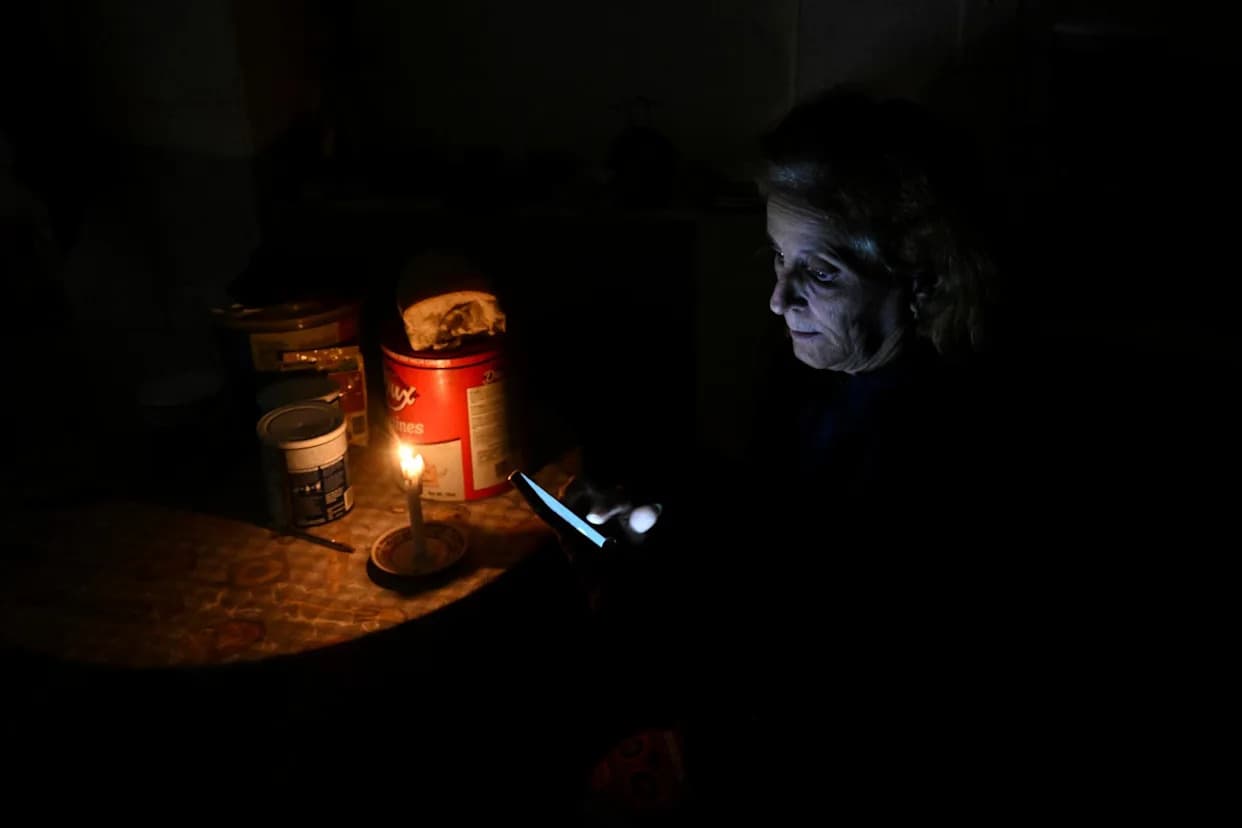
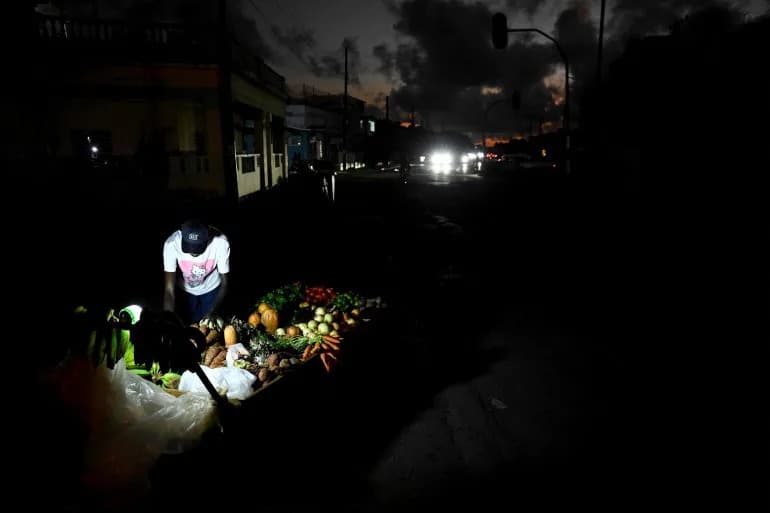
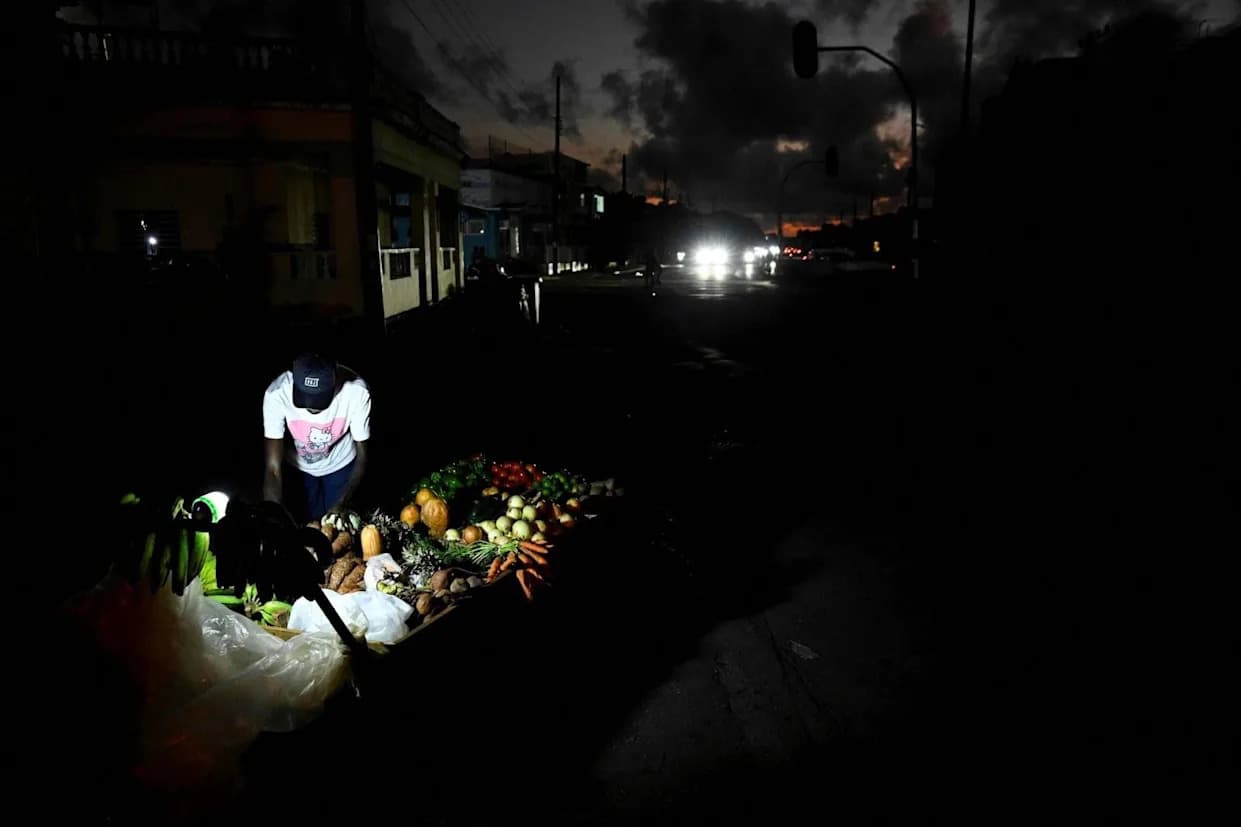
People in many rural areas had long adapted to an ageing electricity grid that frequently fails. But residents of Havana, the island's political and economic center, report a recent deterioration: blackouts that now often last eight to 12 hours or more, interrupted internet and water pumps, and a widening impact on safety and mobility.
"Sometimes when the power goes out, accidents happen because the traffic lights don't work," said Raysa Lemu, whose apartment overlooks a boulevard in Marianao. "It used to be they turned off the power two or three times a week, but now it's every day and sometimes it's up to 12 hours."
Fuel Shortages and Economic Pressure
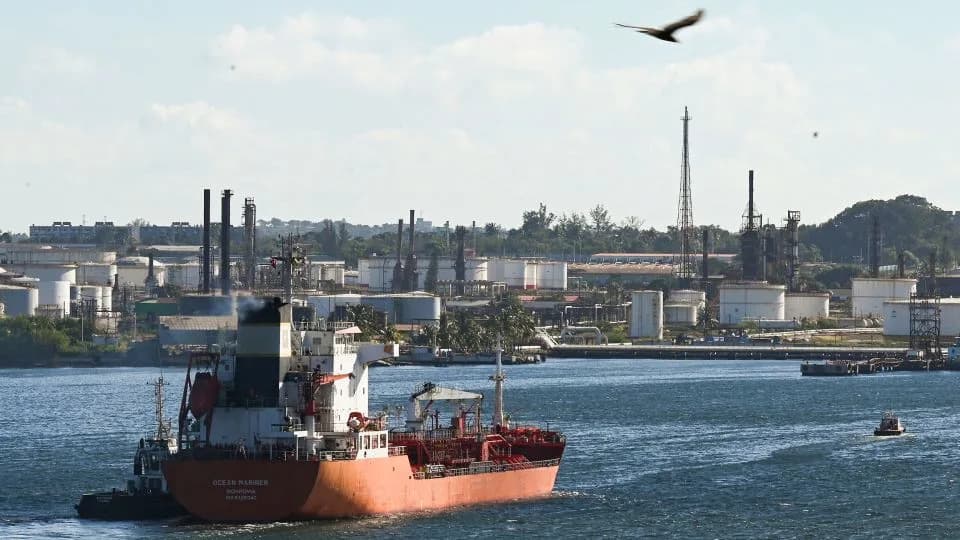
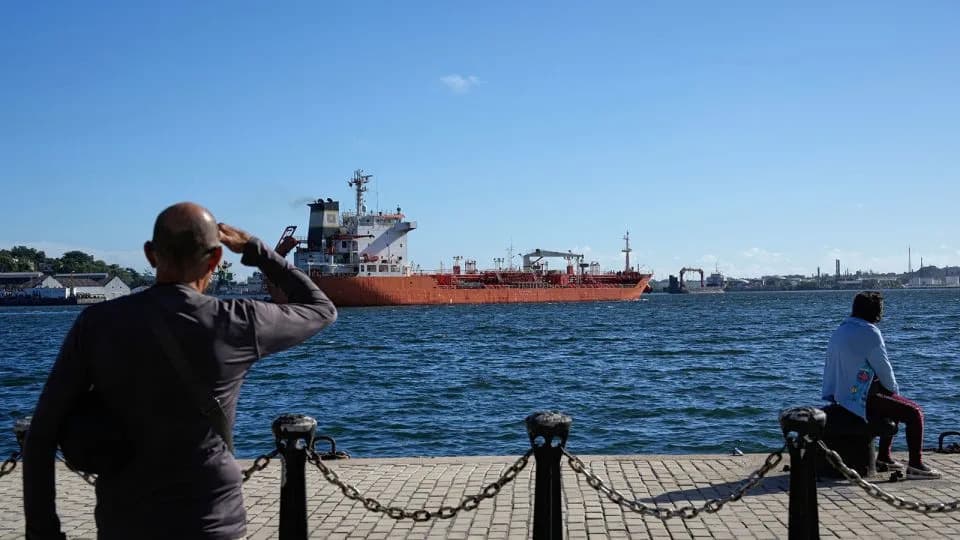
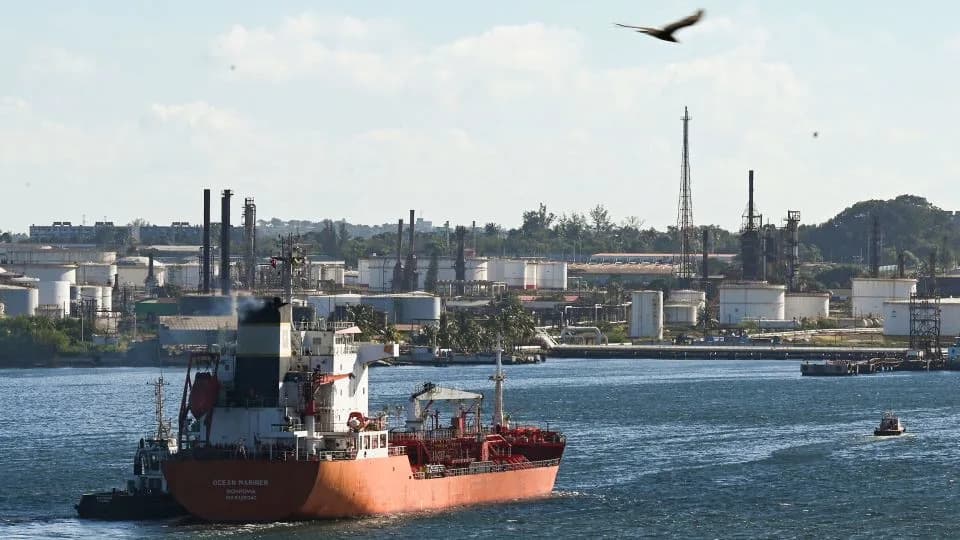
Fuel deliveries to Cuba have been disrupted after shipments from Venezuela and Mexico were halted. U.S. warnings that tariffs could be imposed on countries supplying oil to Cuba have further increased pressure on Havana. The peso has slid more than 10% against the dollar in three weeks, pushing up grocery and everyday costs.
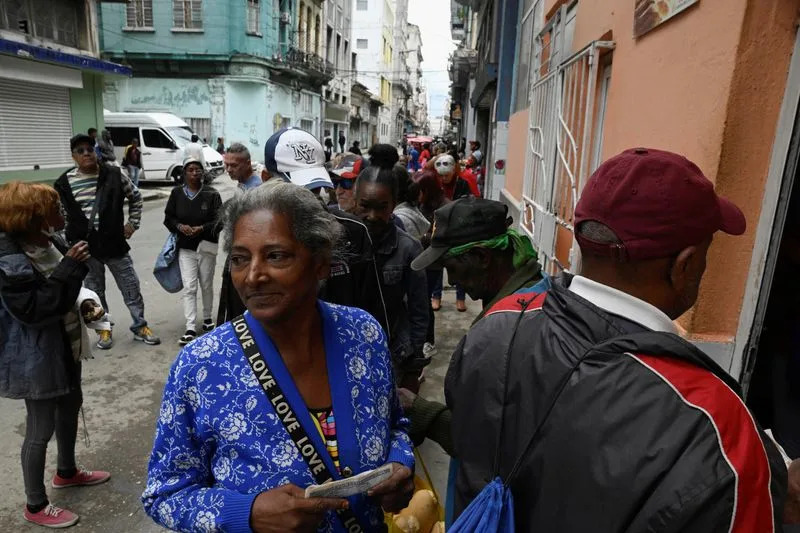
People line up to buy bread in Havana, as Cubans from all walks of life hunker into survival mode amid prolonged blackouts and soaring prices for food, fuel and transport, while the United States increases pressure on the communist‑run nation, in Cuba, January 30, 2026. REUTERS/Norlys Perez
"This has put me in an impossible situation," said Yaite Verdecia, a Havana housewife. "There's no salary that can cope with this."
Transport Strains and Workarounds
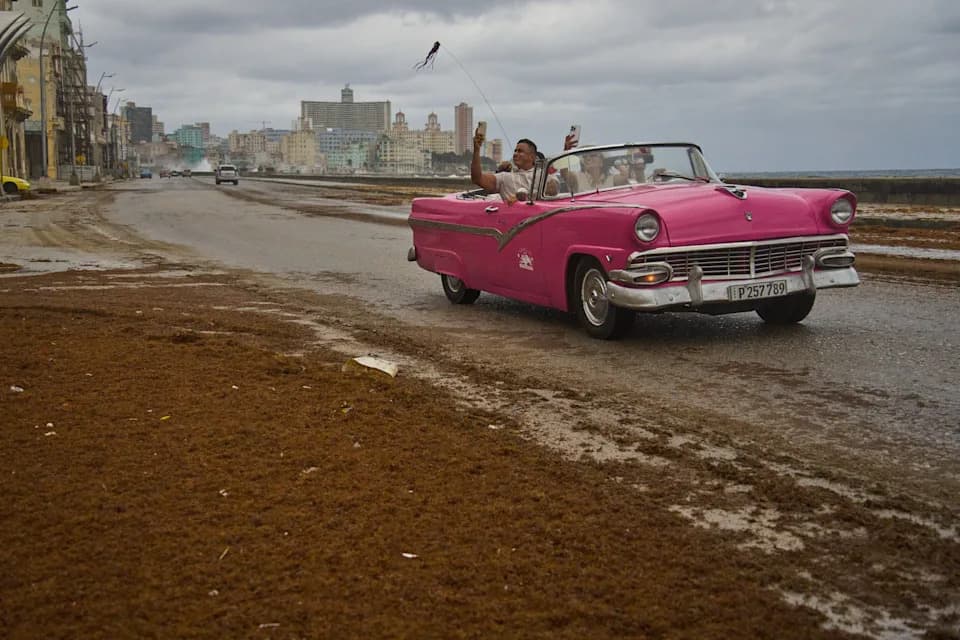
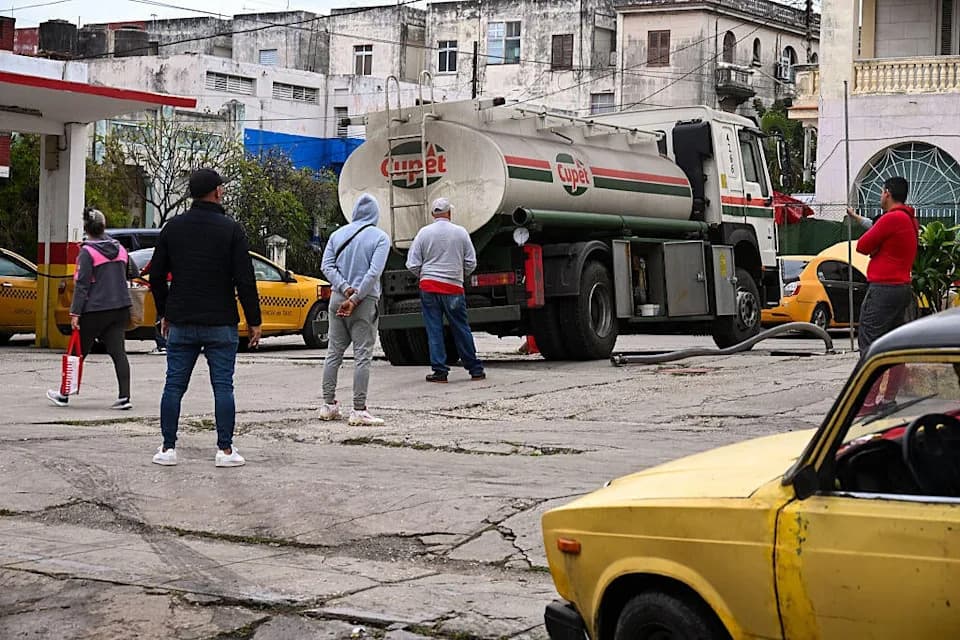
With less subsidized fuel available, most gasoline in the city is now sold at a premium in dollars — a currency many Cubans cannot access. Bus services have been curtailed, forcing riders to rely on private taxis with sharply higher fares. Electric vehicles, once seen as a partial solution to fuel shortages, are also hampered by frequent blackouts that limit charging.
"You have to pay the price or stay home," said Daylan Perez, 22, who hails private taxis for clients in Old Havana.
Political Context and Outlook
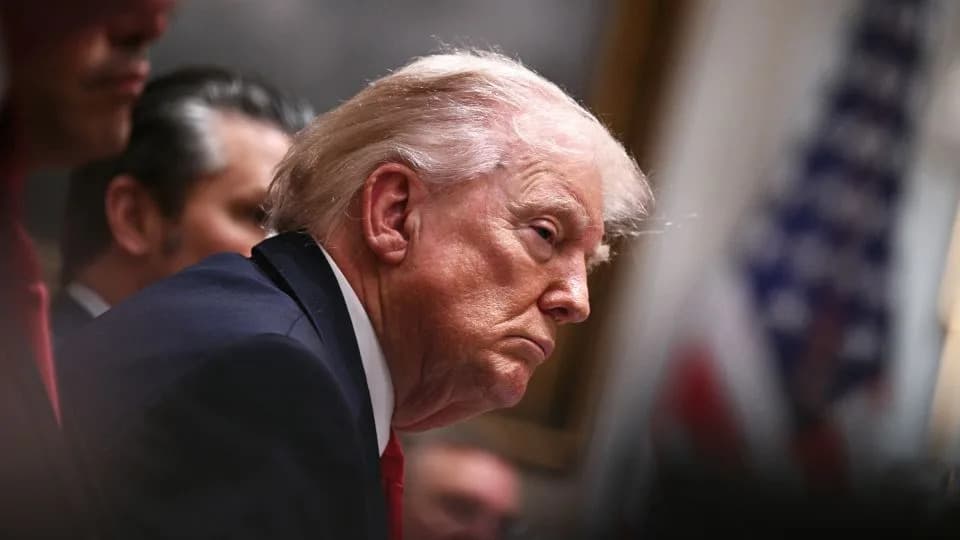
Cuba's Foreign Minister, Bruno Rodriguez, described U.S. tariff warnings as an "unusual and extraordinary threat" and declared an "international emergency." The government has provided few details about plans to manage the mounting humanitarian risks. U.S. President Donald Trump has warned of further pressure on countries that supply Cuba with fuel and — shortly after the reported ouster of Venezuelan President Nicolas Maduro in early January — suggested that military action was unnecessary because "it looks like it's going down."
Decades of economic hardship, a 12% contraction in GDP between 2019 and 2024, harsh crackdowns on dissent, and the emigration of an estimated one to two million people since the pandemic have reduced organized domestic opposition. Still, many interviewed said change is needed.
"I'm not against my country... but I don't want to die of hunger," said Mirta Trujillo, a 71-year-old street vendor from Guanabacoa.
Reporting: Dave Sherwood. Editing: Rosalba O'Brien. (Reuters)
Help us improve.