A volunteer found a 10th–11th century bronze wheel-cross pendant in Havelland, Brandenburg, which after restoration fit exactly into a casting mold unearthed in Spandau in 1983. The precise match led the Brandenburg State Office for the Preservation of Monuments to conclude the mold produced this and likely many similar crosses. Together, the finds strengthen the case that Christian symbols and influence were more widely present among 10th-century Slavic communities in Brandenburg than historians had thought. Both the mold and pendant will be displayed at the Brandenburg State Archaeological Museum.
1,000-Year-Old Bronze Cross Found in Brandenburg May Rewrite Early Christian History
Archaeologists Found a Millenia-Old Cross PendantManuel Augusto Moreno - Getty Images
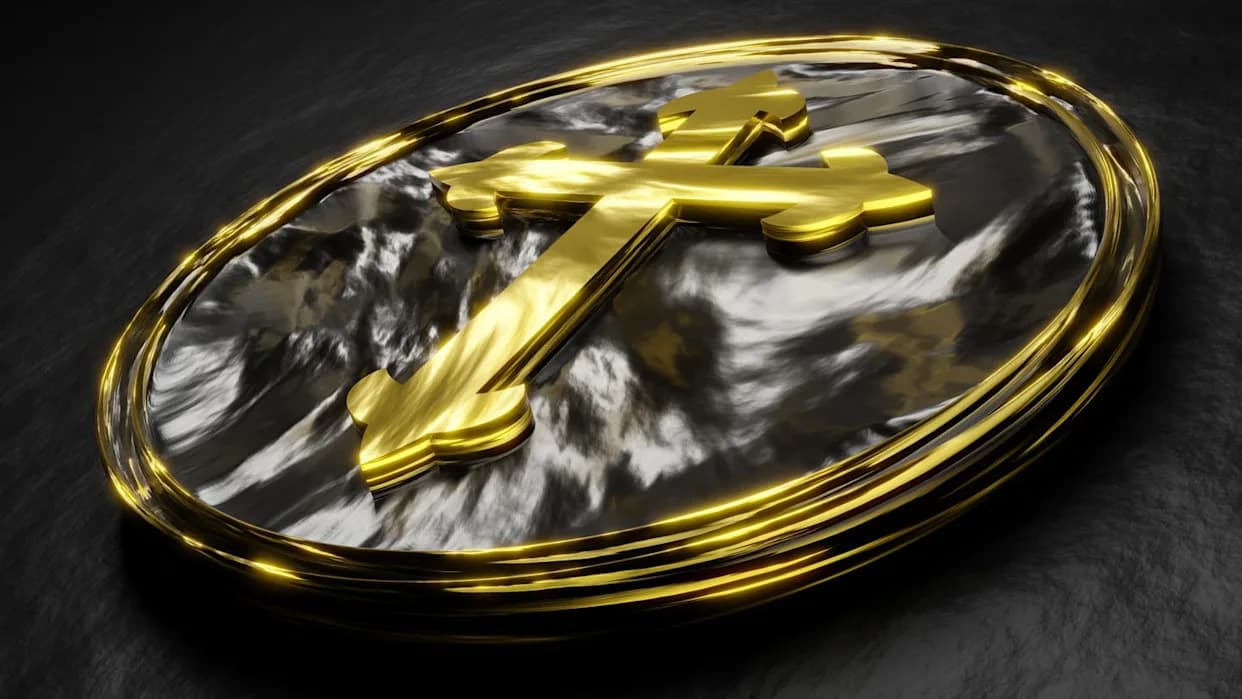
A volunteer metal detectorist in Havelland, Brandenburg, has uncovered a medieval bronze wheel-cross pendant dated to the 10th or 11th century C.E. After professional conservation, the pendant was found to fit exactly into a casting mold recovered in nearby Spandau in 1983 — a match that strengthens evidence of an early Christian presence in Slavic Brandenburg.
The Spandau mold was excavated during digs at a Slavic fort in Berlin-Spandau and was discovered alongside the remains of an early wooden church. Conservators at the Brandenburg State Office for the Preservation of Monuments report that the restored pendant matches the mold cavity so precisely that the mold was almost certainly used to cast this type of wheel-cross — and likely many others.
Why This Matters
The pendant and mold both date to roughly the same period, suggesting a broader distribution of Christian symbols among local Slavic populations in the 10th century than previously documented. Until now, much of the evidence for early Christianization in the region came from written sources rather than surviving artifacts, in part because many Slavic communities resisted conversion.
“We know that the blacksmith in Spandau produced for a large market and a very mobile population. Christian symbols were widespread before the Slavic uprising of 983,” said Matthias Wemhoff, state archaeologist and director of the Museum of Prehistory and Early History in Berlin, in a translated statement.
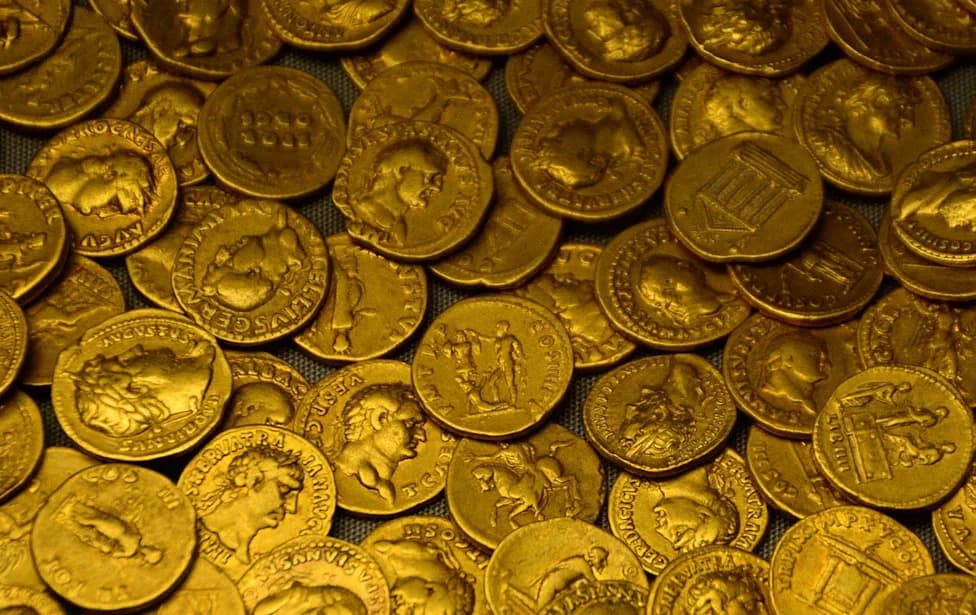
Manja Schüle, Brandenburg’s minister of culture, called the discovery "spectacular," noting the rarity of finding an artifact that fits a mold discovered more than four decades earlier. The pendant was found by volunteer detectorist Juliane Rangnow, who said holding the artifact felt like "a bridge to the past." Alongside the cross, volunteers also recovered coins, partially gilded jewelry fragments, and iron weapons.
Next Steps and Display
Both the Spandau mold and the newly found pendant are slated for display at the Brandenburg State Archaeological Museum. The pairing of mold and object offers a tangible glimpse into production, trade, and religious influence in early medieval northeastern Germany and will be an important exhibit for scholars and the public alike.
Significance: The find does not overturn existing scholarship about later, widespread Christianization following the Wendish Crusade in the 12th century, but it provides compelling material evidence that Christian beliefs and symbols were circulating among Slavic communities earlier and more widely than previously confirmed.
Help us improve.