The Bärenfelser bog near Arisdorf, outside Basel, yielded two Celtic gold staters dated to the middle or second half of the 3rd century B.C.E.—a full stater (7.8 g) and a quarter stater (1.86 g). Experts believe the coins were deliberately deposited as ritual offerings, fitting a wider Celtic practice of using watery places as sacred sites. The pieces are among the oldest gold coins found in Switzerland and will be displayed at a March exhibition at Barfüsserkirche in Basel.
Ancient Treasure: 2,300-Year-Old Celtic Gold Coins Dug From Swiss Bog — Likely Offerings To The Gods
These 2,300-Year-Old Coins Were Meant for the GodsBibek Raj Giri - Getty Images
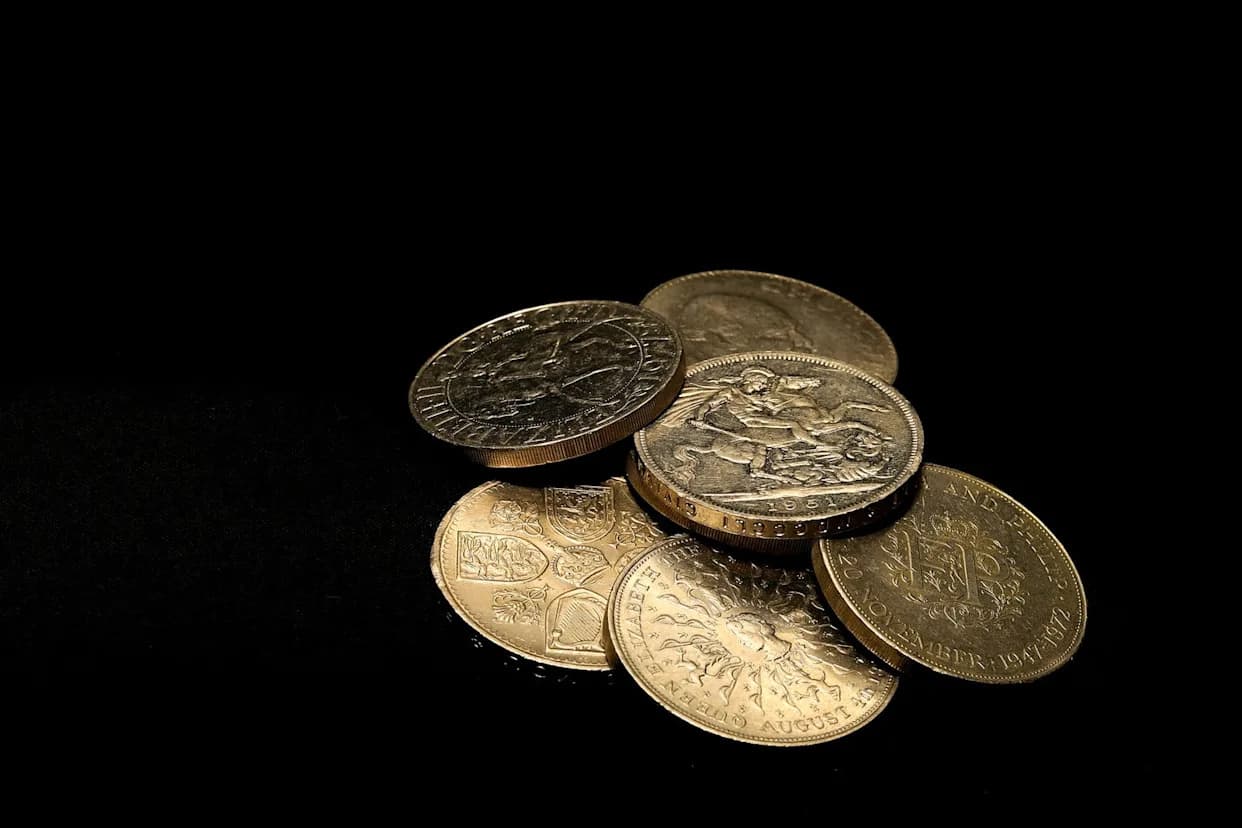
Prospectors searching the wooded Bärenfelser bog outside Basel have uncovered two Celtic gold coins dating to the middle or second half of the 3rd century B.C.E. Archaeologists say the discovery — made during a 2025 search prompted by an earlier find at the same site — likely represents a deliberate ritual deposit rather than casual loss.
What Was Found
The two coins consist of a full stater (7.8 g) and a quarter stater (1.86 g). According to a translated statement from Archaeology Baselland and coin specialist Michael Nick of the Inventory of Coin Finds in Switzerland, these pieces are among the oldest gold coins recovered in Switzerland and belong to a small group of just over 20 comparable Celtic finds from this era in the country.
Where They Came From And Why They Matter
The Bärenfelser bog near Arisdorf previously yielded 34 Celtic silver coins discovered in 2023, dated to roughly 80 B.C.E. That earlier find prompted two prospectors and volunteers to return in 2025, when they located the gold staters. Because staters were high-value items, they were rarely used for everyday purchases and were more often used for important payments, diplomatic gifts, soldier wages, political transactions or dowries.
Design And Cultural Context
Numismatic historians trace the arrival of coinage in Central Europe to Celtic mercenaries who received coins while serving in Greece and brought the practice home. By the mid-3rd century B.C.E., Celtic mints produced their own coins, often adapting Hellenistic motifs. Many Celtic staters were modeled on Macedonian issues associated with King Philip II (reigned 359–336 B.C.E.), which typically depicted the head of Apollo on one side and a two-horse chariot (biga) on the other. The newly found gold coins reflect a distinct Celtic reinterpretation of those images.
Ritual Use And Archaeological Interpretation
Stater finds commonly appear either in graves—buried with owners—or near water, where they likely served as ritual offerings. Specialists studying the Bärenfelser find argue the coins were intentionally deposited as offerings to deities, consistent with widespread Celtic practices of treating bogs, rivers and other watery places as sacred. Archaeology Baselland notes that such ritual use is documented in ancient written sources and at other Central European sites.
Public Display
In March, the two gold coins will be exhibited alongside the earlier silver finds in a “Treasure Finds” exhibition at Barfüsserkirche in Basel, where visitors can see these rare examples of early Celtic coinage up close.
Sources: Archaeology Baselland; Inventory of Coin Finds in Switzerland (Michael Nick).
Help us improve.