A metal detectorist in Essex County found a medieval silver seal in 2024 that contains a much older Roman carnelian intaglio depicting a charioteer. The silver mount dates to about 1200–1400 C.E., while the intaglio likely dates no later than the early first century C.E. The rim bears the Latin inscription +SECRETVM•RICARDI ("Richard’s secret"). An inquest declared the item treasure, and Braintree Museum has first refusal to acquire it.
Metal Detectorist Unearths Medieval Silver Seal Set With Roman Gem — ‘Richard’s Secret’
A Metal Detectorist Found a Cryptic Medieval SealCredit: Colchester and Ipswich Museum Service / CC-BY 2.0
In 2024 a metal detectorist working in Essex County, England, unearthed a small silver seal that, once cleaned and examined, revealed an unexpected blend of Roman and medieval craftsmanship.
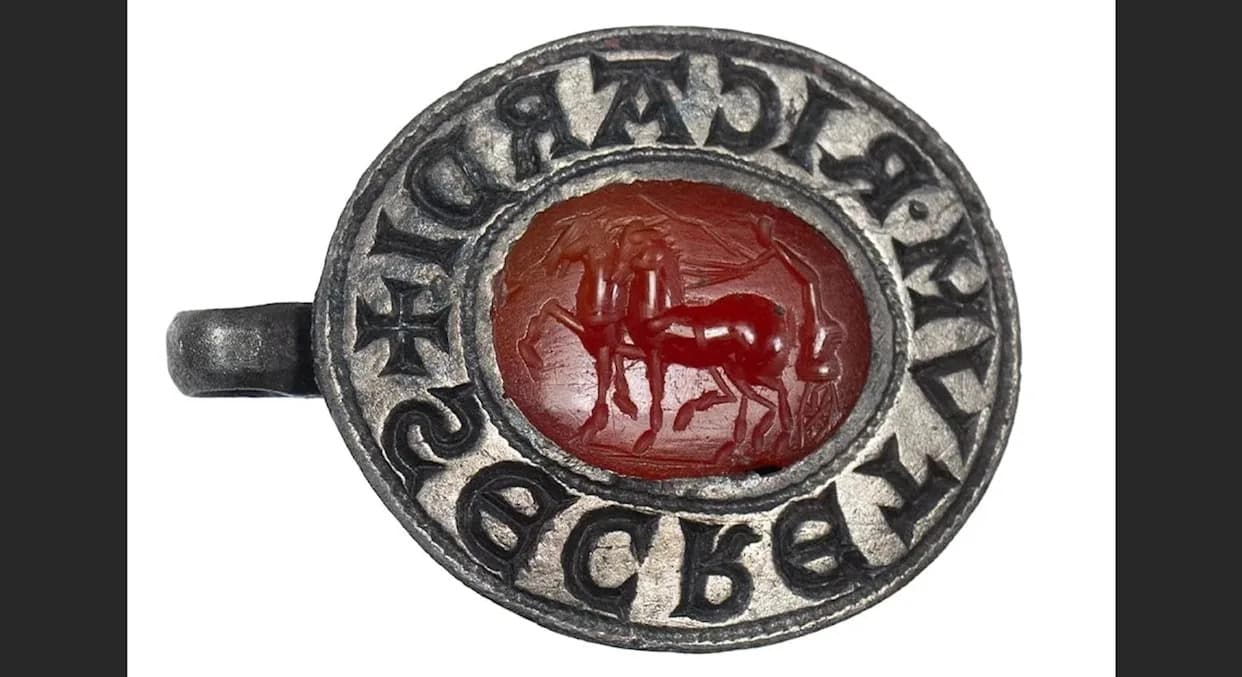
The object consists of a red carnelian intaglio—an engraved gemstone—set into a silver mount. Specialists date the silver mount (the seal itself) to the medieval period, roughly 1200–1400 C.E., while the intaglio appears to be much older, likely no later than the early first century C.E. and possibly as early as the first century B.C.E.
What the Seal Shows
The carnelian is engraved with a tiny charioteer driving two horses, holding reins and a whip. The Portable Antiquities Scheme describes the scene as a “small cart of a racing chariot, presumably in a circus,” pointing to classical Roman imagery rather than medieval iconography.
Inscription and Ownership
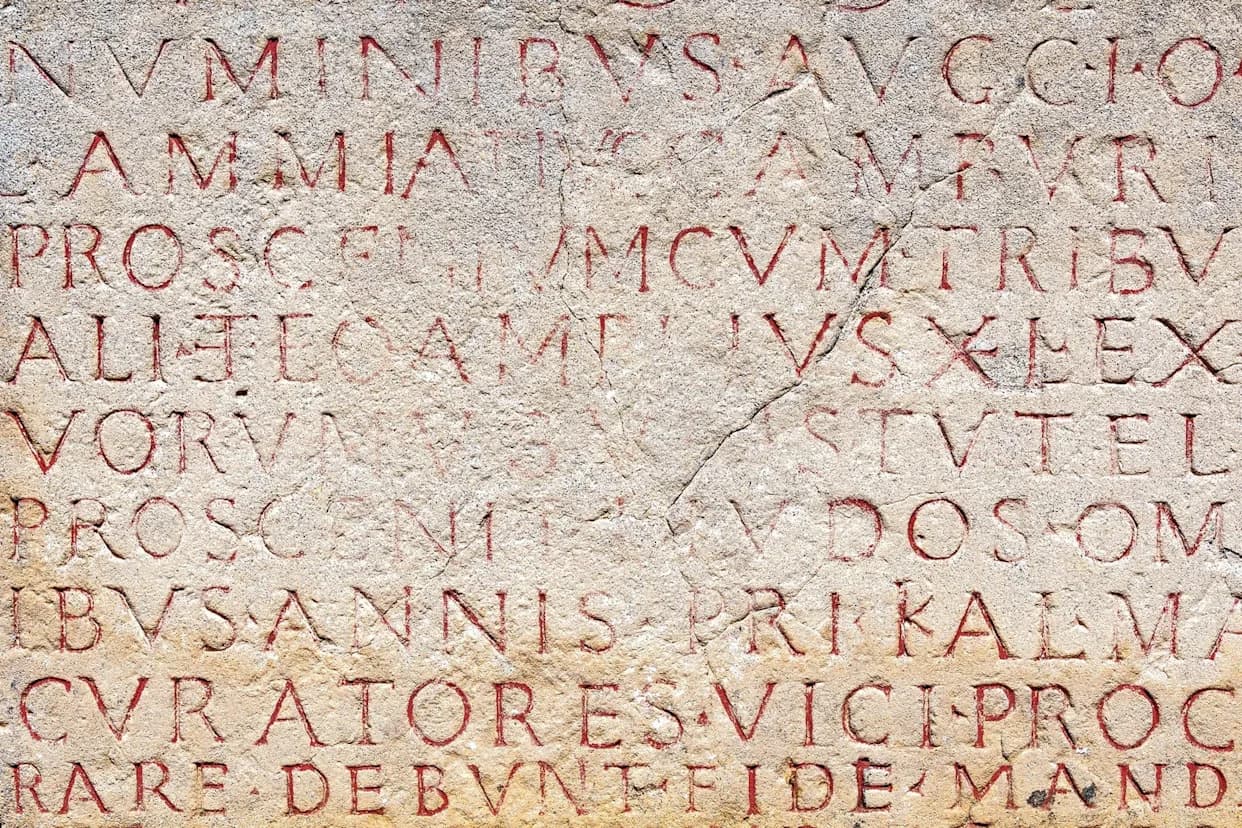
Engraved around the silver rim is the Latin legend +SECRETVM•RICARDI, which translates as “Richard’s secret.” The inscription clearly signals ownership or association with someone named Richard and would have served as a personal emblem or signet.
“It definitely would have been an indicator of the owner’s social status as a way of saying, ‘I have the means of obtaining something from a far-gone time and place,’ and indicated they were quite important, or saw themselves as quite important,” said Lori Rogers, Essex County’s finds liaison officer.
Legal Status and Museum Interest
Following an inquest, the seal was declared treasure under Britain’s treasure laws, which gives museums the first right of refusal to acquire such finds. The BBC reports that Braintree Museum intends to try to secure the piece for its collection.
Physical Details
The Portable Antiquities Scheme records the seal as roughly one inch long, just under an inch wide, weighing about 0.23 ounces, and fitted with a loop indicating it was worn as a pendant or necklace.
Why This Find Matters
Experts find the seal intriguing because it deliberately combines elements from two distinct eras—a Roman intaglio reset into a medieval silver mount—likely as a status symbol. The presence of a classical gemstone within a medieval setting suggests the owner valued ancient objects for their material, imagery, and the prestige they conferred.
How the medieval owner (presumably “Richard”) acquired the Roman carnelian is unknown: such gems were sometimes imported from Rome as luxury items, while lower-quality pieces could also appear as local field finds. Regardless of its path, the seal offers a rare, tangible link between the classical world and medieval England.
Help us improve.