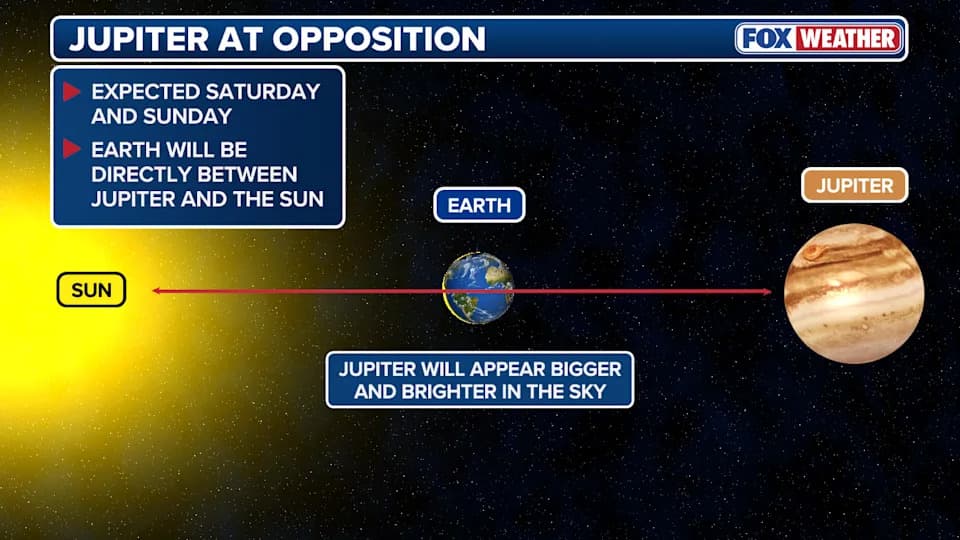
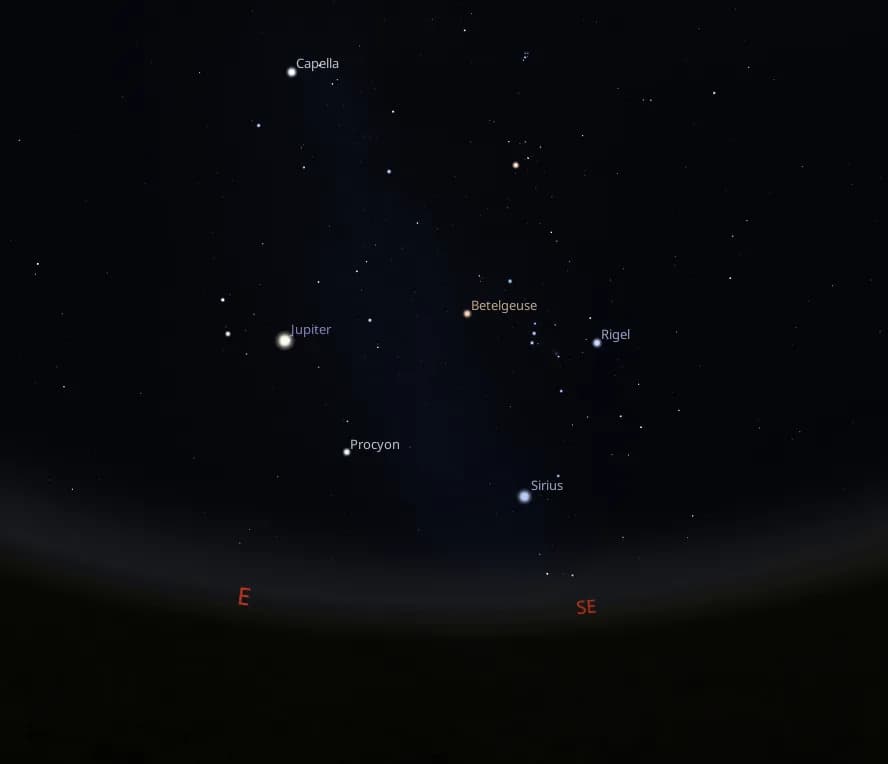
Jupiter reached opposition on Jan. 10, 2026, when Earth sat nearly between the Sun and Jupiter, making the planet appear brighter and larger. Visibility should remain strong through late January, with noticeable fading expected by mid-April as the planets move apart. To find Jupiter, look east at sunset — it will be highest by mid-evening and visible all night around opposition; binoculars or a small telescope will enhance the view.
How to Spot Jupiter Now — It’s at Peak Brightness After Jan. 10, 2026 Opposition
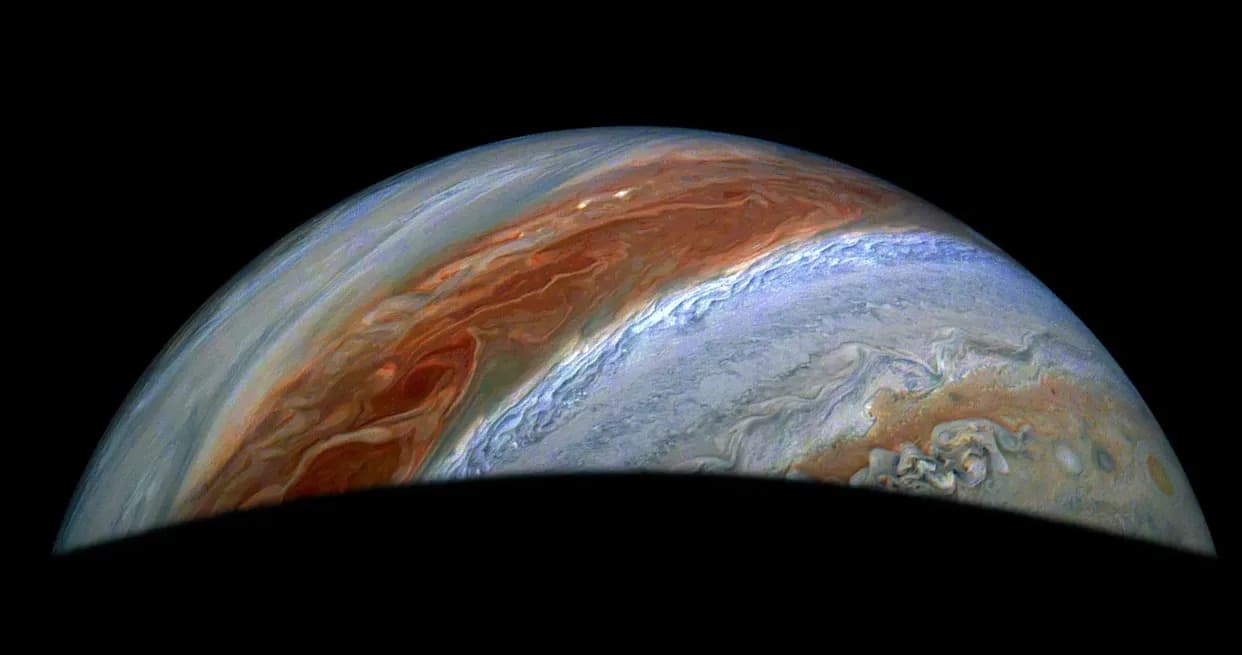
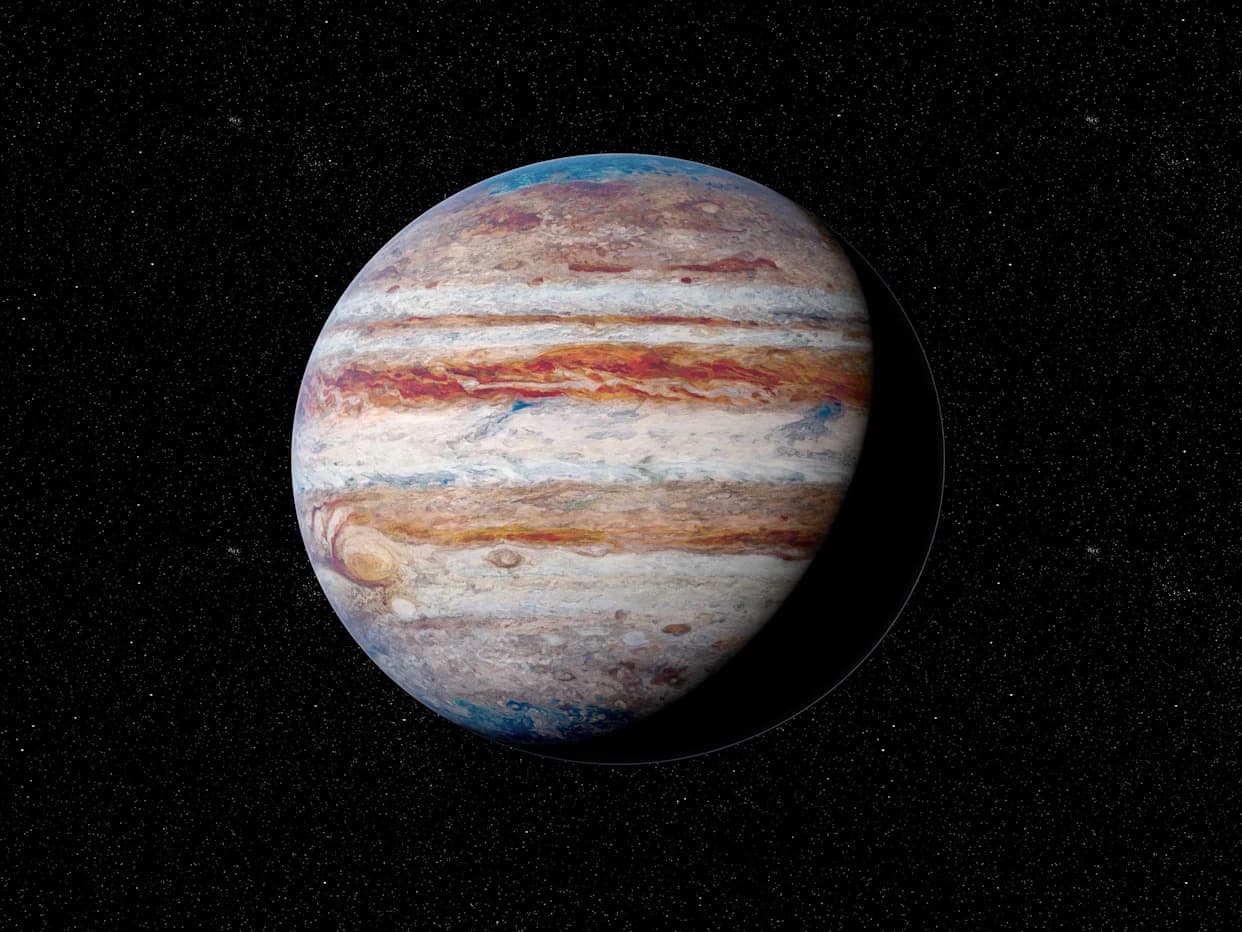
Jupiter is one of the brightest objects in the night sky and is visible much of the year. Right now the gas giant is at peak apparent brightness because Earth recently moved between the Sun and Jupiter, reducing solar glare and making the planet appear larger and brighter.
What to know
Earth reached opposition with Jupiter on Jan. 10, 2026 — a point in the planets' orbits when Earth sits nearly directly between the Sun and Jupiter. This alignment, part of Jupiter's synodic cycle that repeats roughly every 13 months, gives observers on Earth an especially clear and bright view.
Visibility will remain favorable through late January. After that, Jupiter will gradually recede along its orbit and, by mid-April, sunlight will begin to wash out some of its extra brightness and make it appear smaller, according to Sky & Telescope. Jupiter won’t return to this alignment until around February 2027.
How to find Jupiter
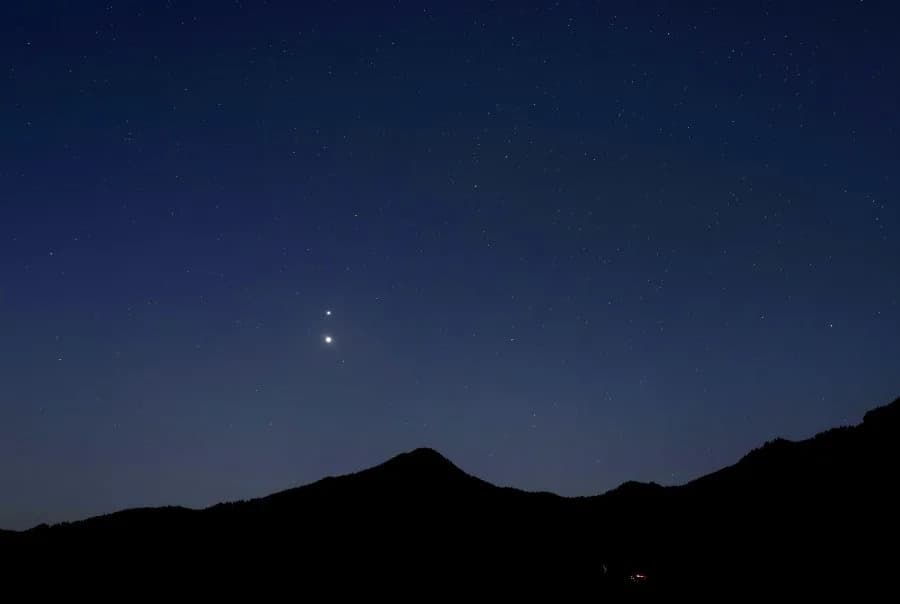
- Look east at sunset: Jupiter appears near the eastern horizon after sunset and climbs higher by mid-evening.
- Highest around mid-evening: During the nights following opposition it will be near its highest point in the sky by mid-evening and, on the night of opposition, will remain visible all night.
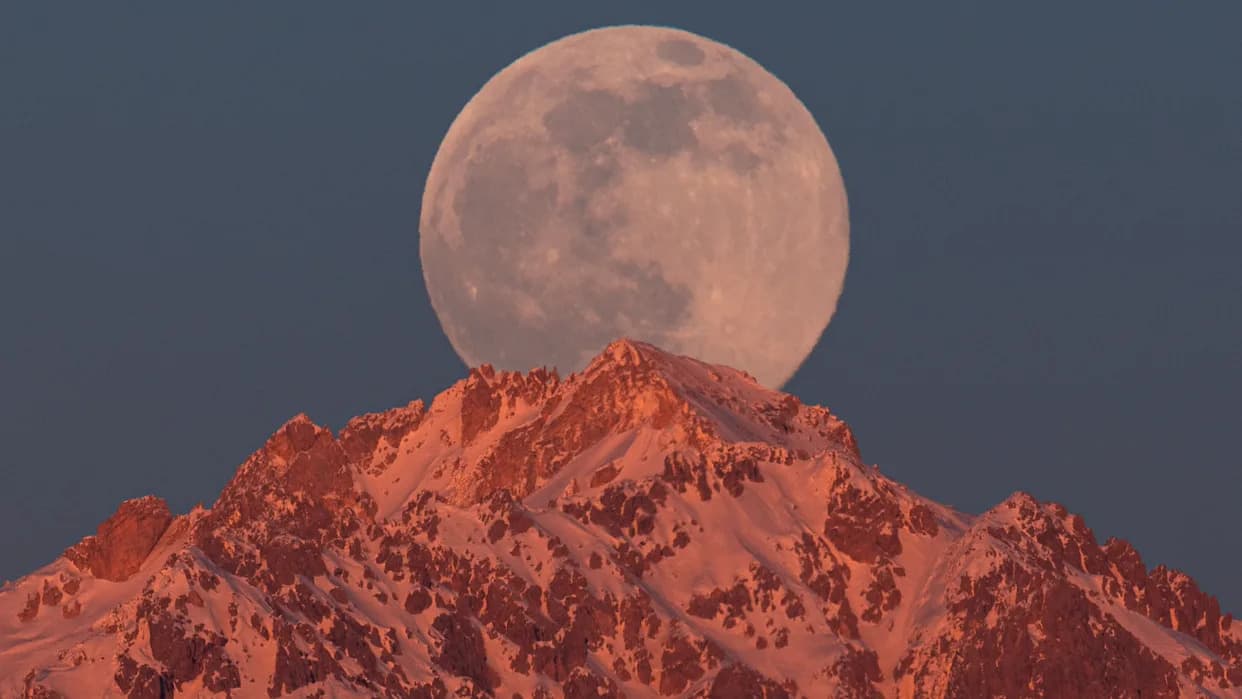
- Appearance: Look for a bright, pale-yellow point — aside from the Moon, it will be the brightest object in the night sky. Because Jupiter is a planet it does not twinkle like stars do.
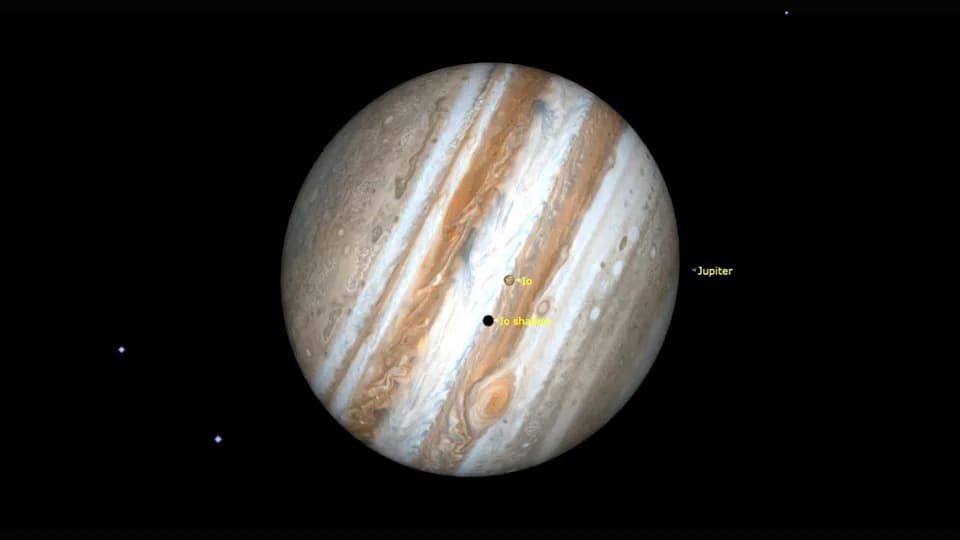
- Use optics for more detail: Binoculars or a small telescope will improve the view and can reveal cloud banding and, under good conditions, Jupiter’s largest moons.
Source: Sky & Telescope. Original reporting by Juan Carlos Castillo for the USA Today Network / Asbury Park Press.
Author: Juan Carlos Castillo, New Jersey-based trending reporter. Follow on X: @_JCCastillo.
Help us improve.