The U.S. Court of Appeals for the 8th Circuit temporarily stayed a Minnesota federal judge's injunction that limited ICE and federal agents from using tear gas and certain tactics against peaceful protesters during large-scale enforcement actions in Minneapolis. The injunction followed protests and lawsuits alleging constitutional violations after thousands of Border Patrol and ICE personnel were deployed and several violent encounters occurred, including the fatal shooting of Renee Good. The appeals court paused the order while deciding whether to extend the stay pending the government's appeal; Minnesota and its two largest cities have filed a separate suit alleging warrantless entries and wrongful arrests.
8th Circuit Temporarily Pauses Order Limiting ICE Tactics Against Minneapolis Protesters
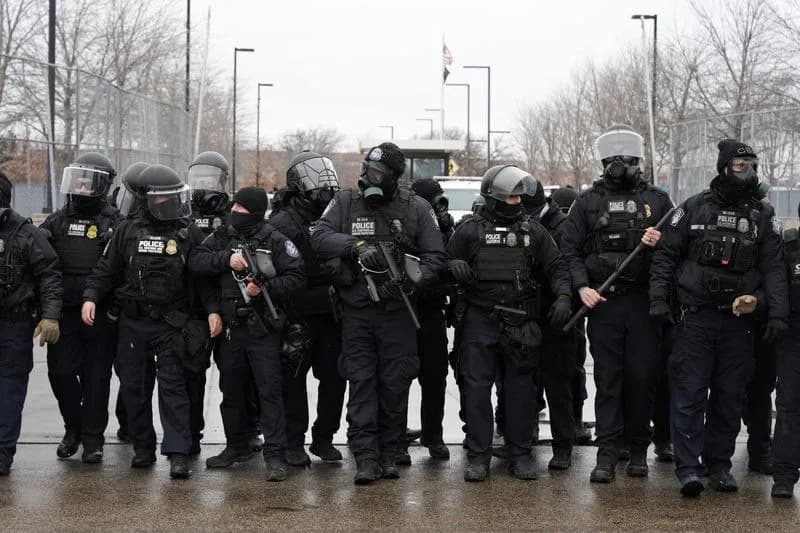
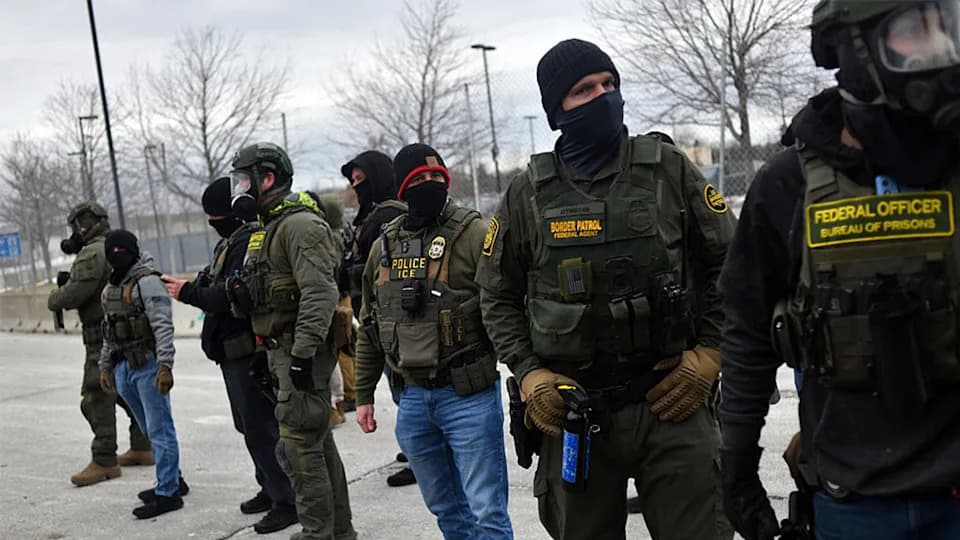
U.S. Customs and Border Protection (CBP) agents stand guard during a protest outside the Whipple Federal Building, more than a week after a U.S. Immigration and Customs Enforcement (ICE) agent fatally shot Renee Nicole Good on January 7, in Minneapolis, Minnesota, U.S., January 16, 2026. REUTERS/Tim Evans
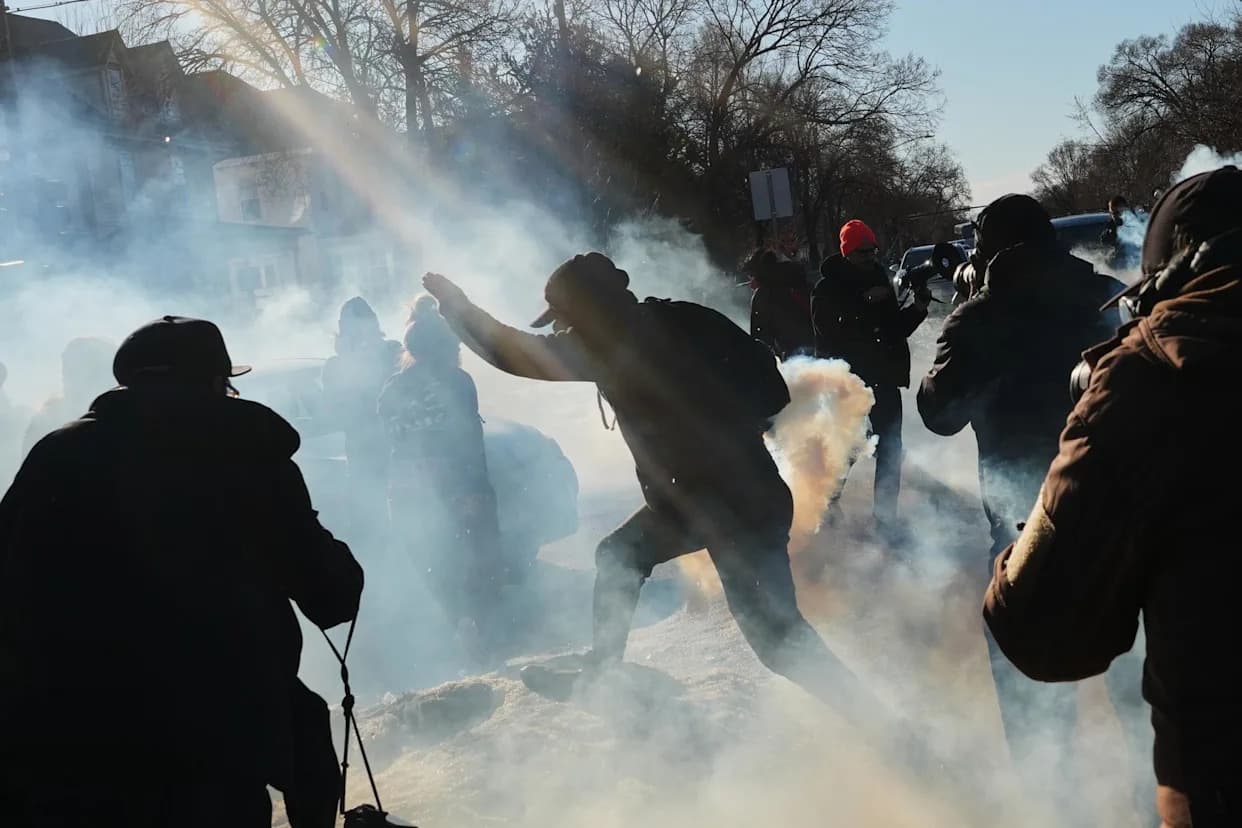
A federal appeals court on Wednesday temporarily put on hold a Minnesota judge's order that had restricted Immigration and Customs Enforcement (ICE) and other federal agents from using tear gas and certain forceful tactics against peaceful demonstrators in the Minneapolis area.
U.S. District Judge Kate Menendez issued the preliminary injunction last week after protesters filed suit in December, arguing that the recent surge of thousands of Border Patrol and ICE personnel around Minneapolis infringed on constitutional rights and provoked dangerous encounters with residents.
In a brief, unsigned order, the U.S. Court of Appeals for the 8th Circuit granted the Department of Homeland Security's (DHS) request to temporarily stay Menendez's injunction while the appeals court considers whether to extend that pause pending a longer-term ruling. DHS argued the injunction unduly hampered the federal government's authority to enforce immigration laws.
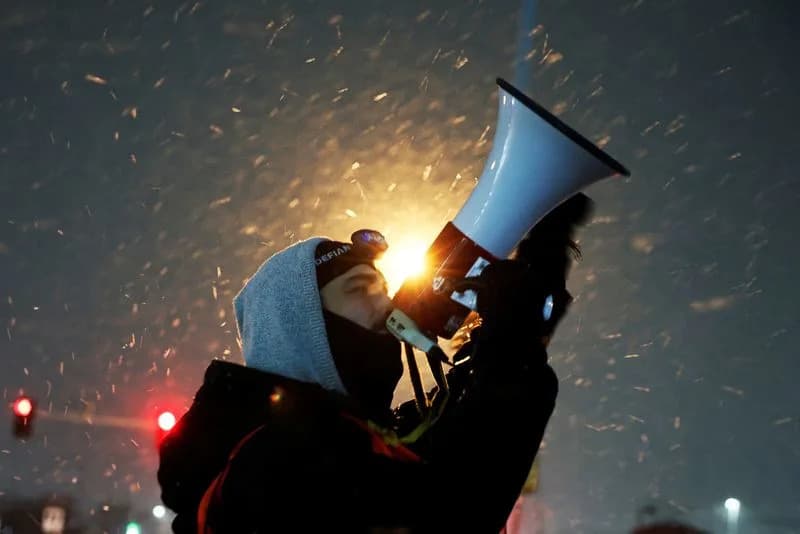
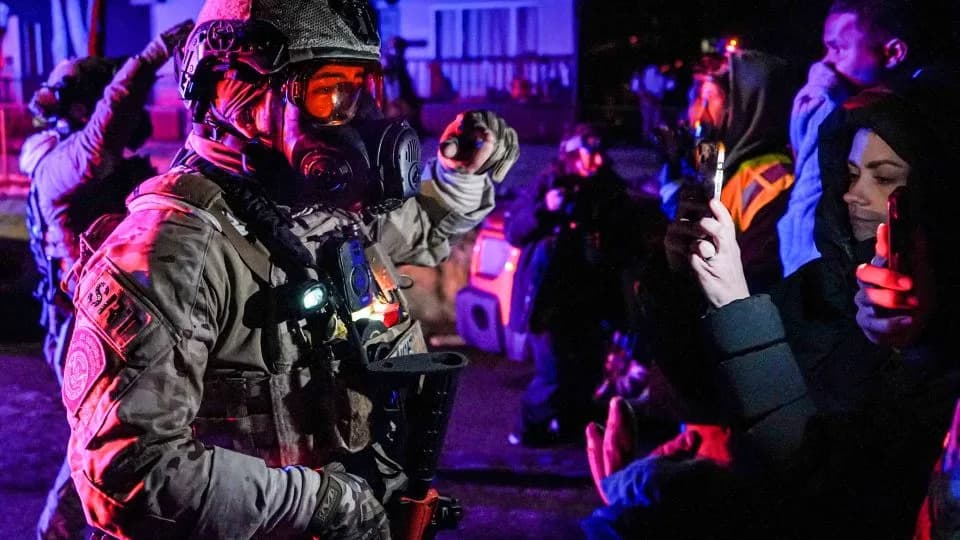
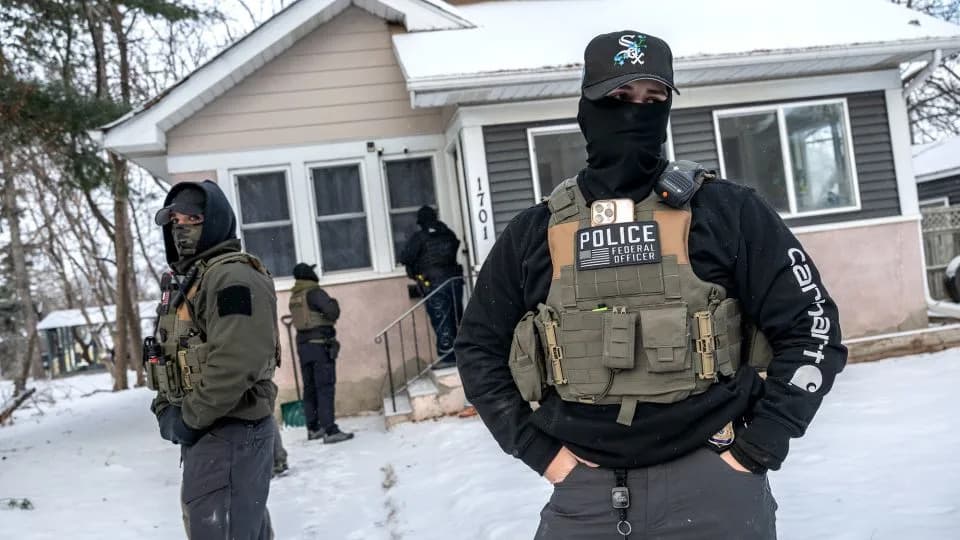
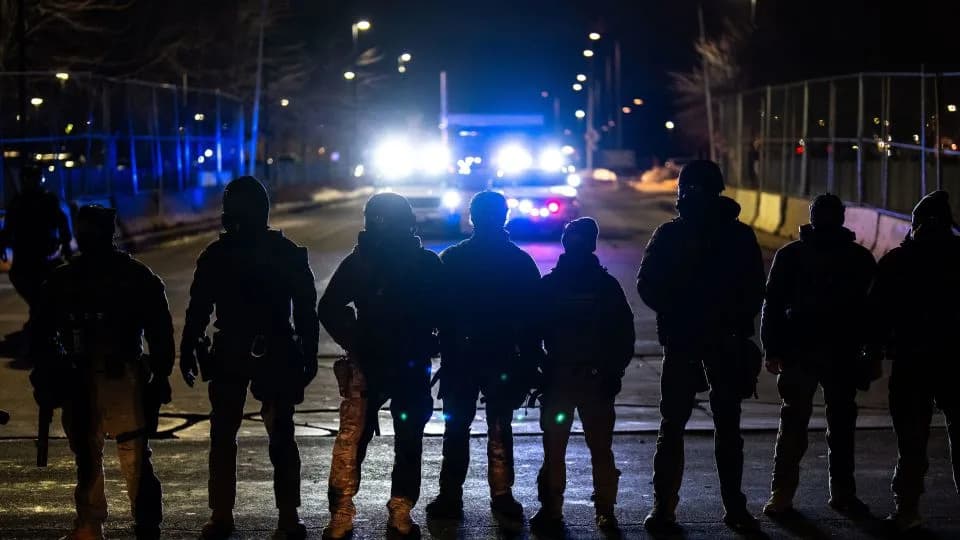
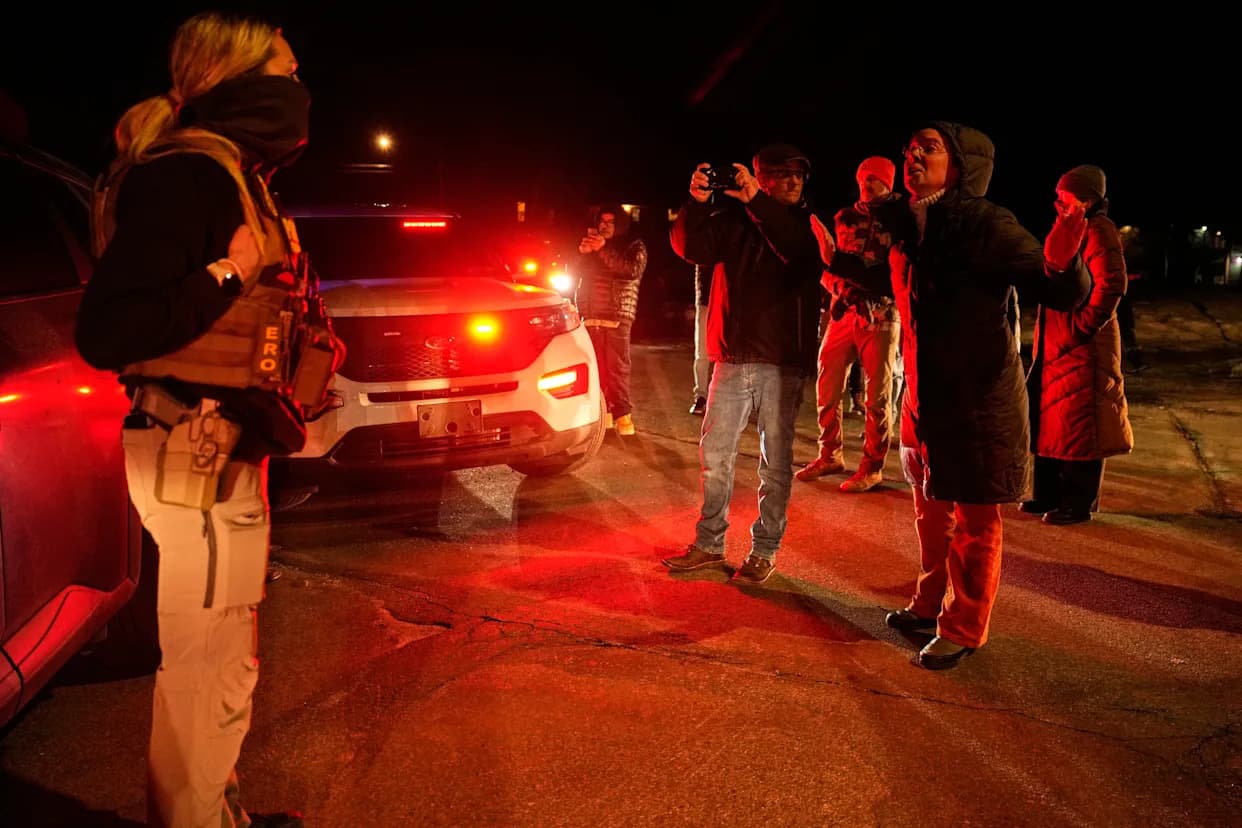
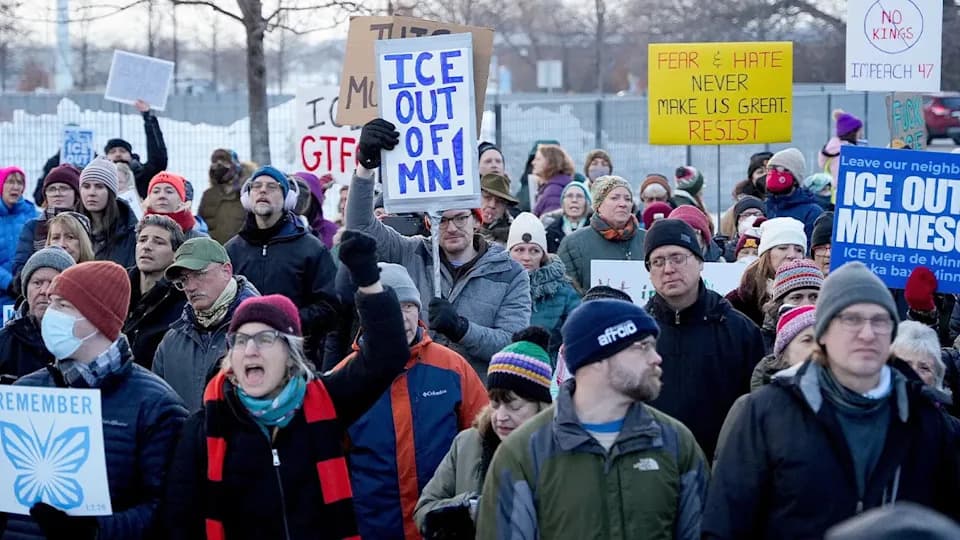
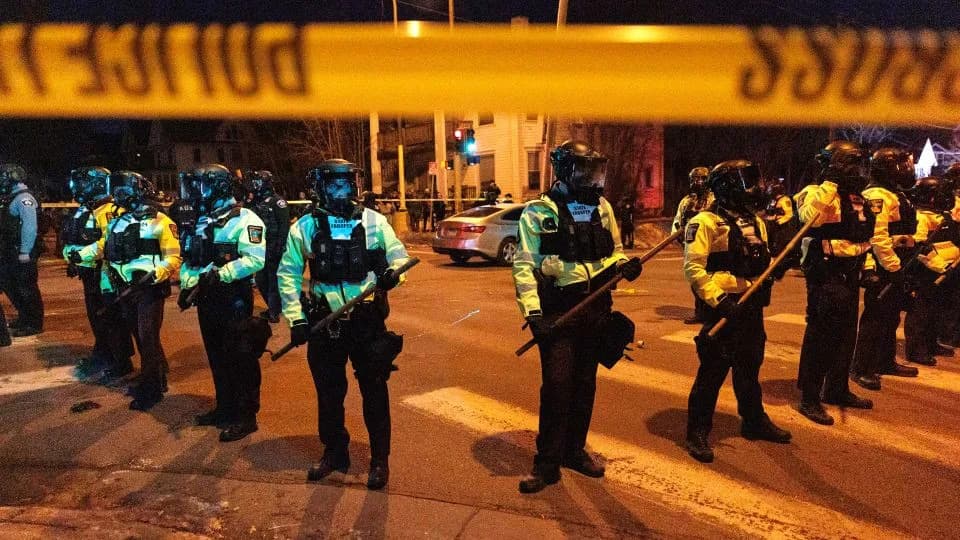
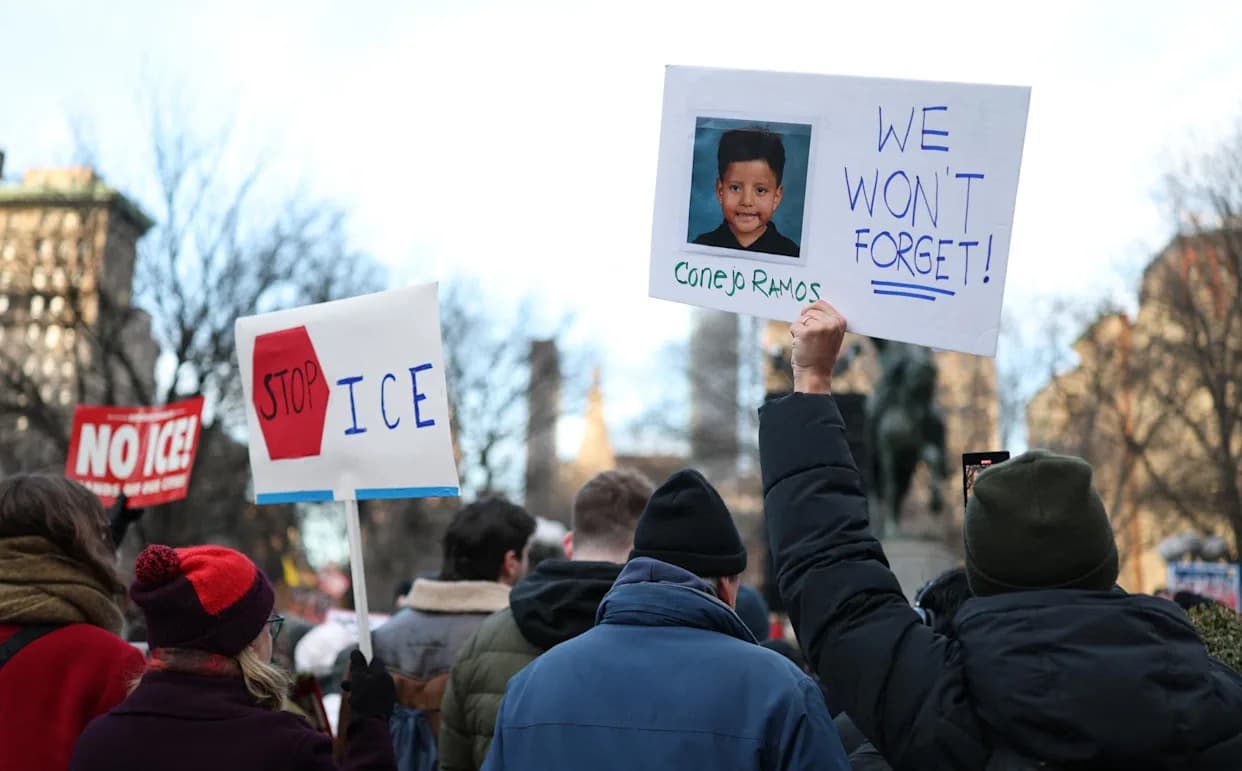
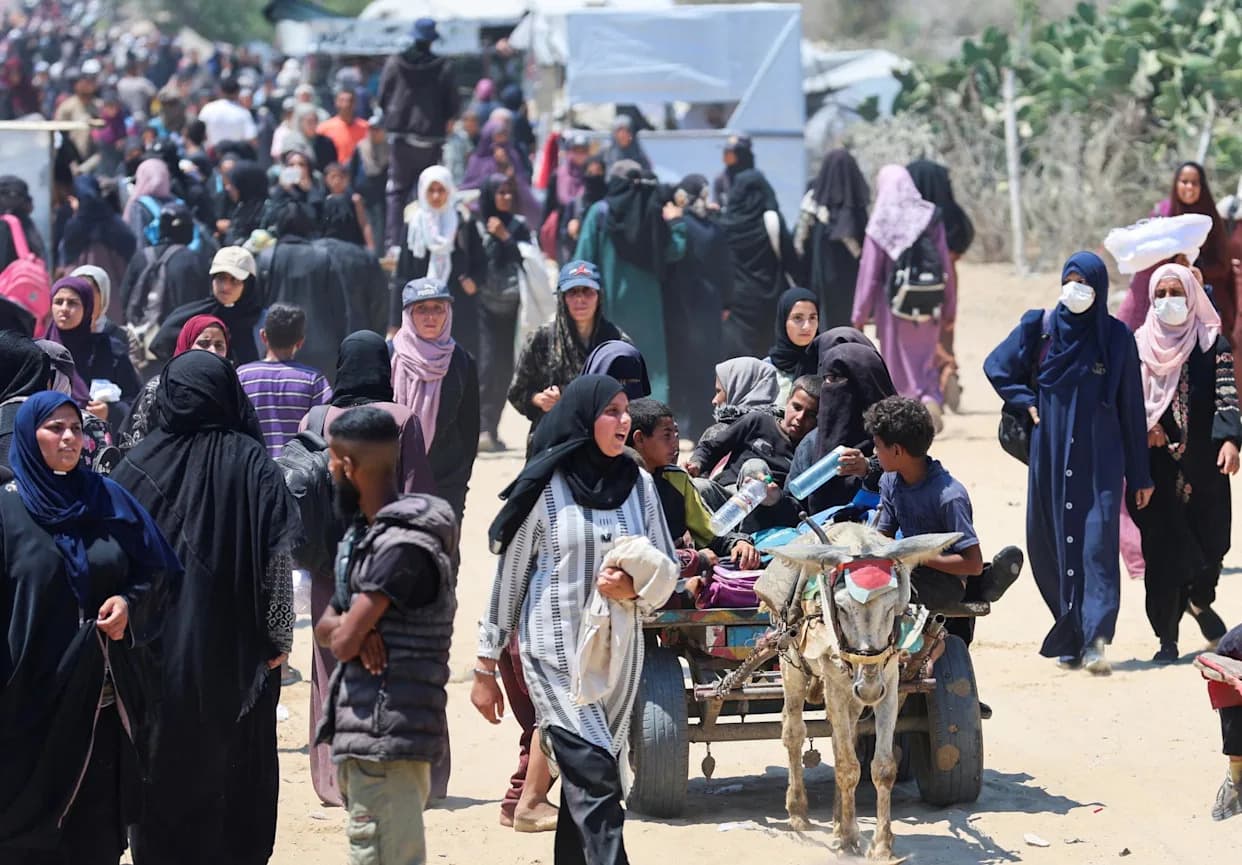
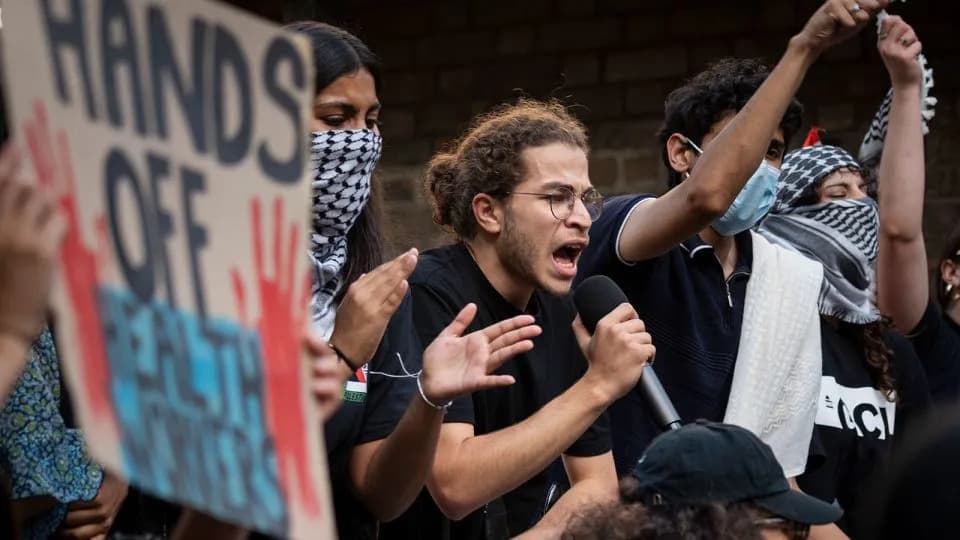
Local officials and protesters have described officers marching through snowy city streets in camouflage and tactical gear, carrying rifles, using chemical irritants and demanding identification from Black, Latino, Native and Asian residents — actions that prompted widespread alarm and sustained demonstrations involving whistles and musical instruments.
The legal fight follows several high-profile incidents during the enforcement operations, including the fatal shooting this month of Renee Good, an American citizen who had been observing ICE activities. Authorities say the agent approached her vehicle after it was parked across a lane of traffic; civil-rights advocates and local leaders say the episode underscores broader concerns about the surge.
Separately, the State of Minnesota and the cities of Minneapolis and Saint Paul have filed a related lawsuit asking Judge Menendez to curb the federal campaign, alleging constitutional violations that include warrantless forced entries into homes and arrests without probable cause, sometimes affecting U.S. citizens.
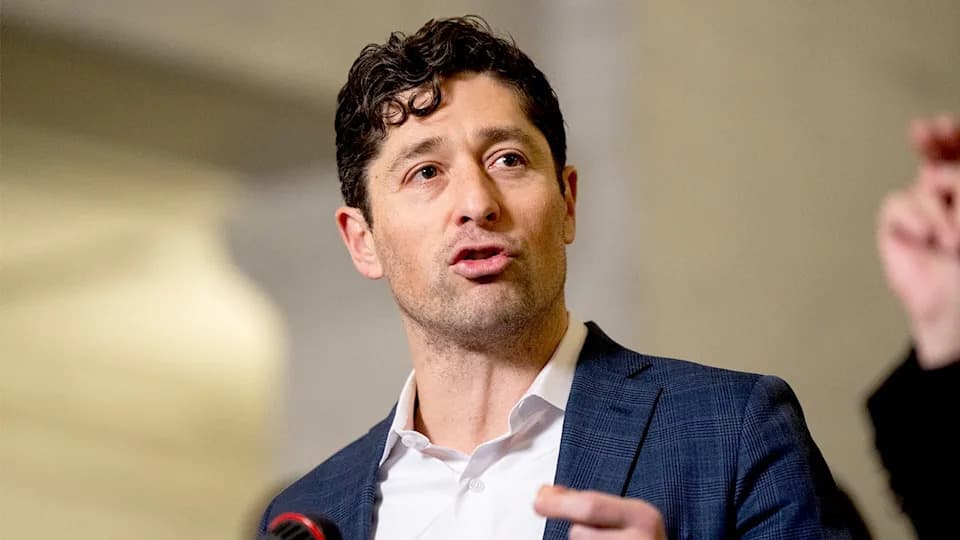
The confrontation between federal and local authorities has intensified after the Justice Department served grand jury subpoenas on Minnesota Governor Tim Walz and Minneapolis Mayor Jacob Frey, seeking records and testimony related to their opposition to the surge. Federal officials say they are investigating whether state and local resistance amounted to obstruction; the Minnesota leaders deny any wrongdoing and have urged calm while criticizing the operations as reckless and politically motivated.
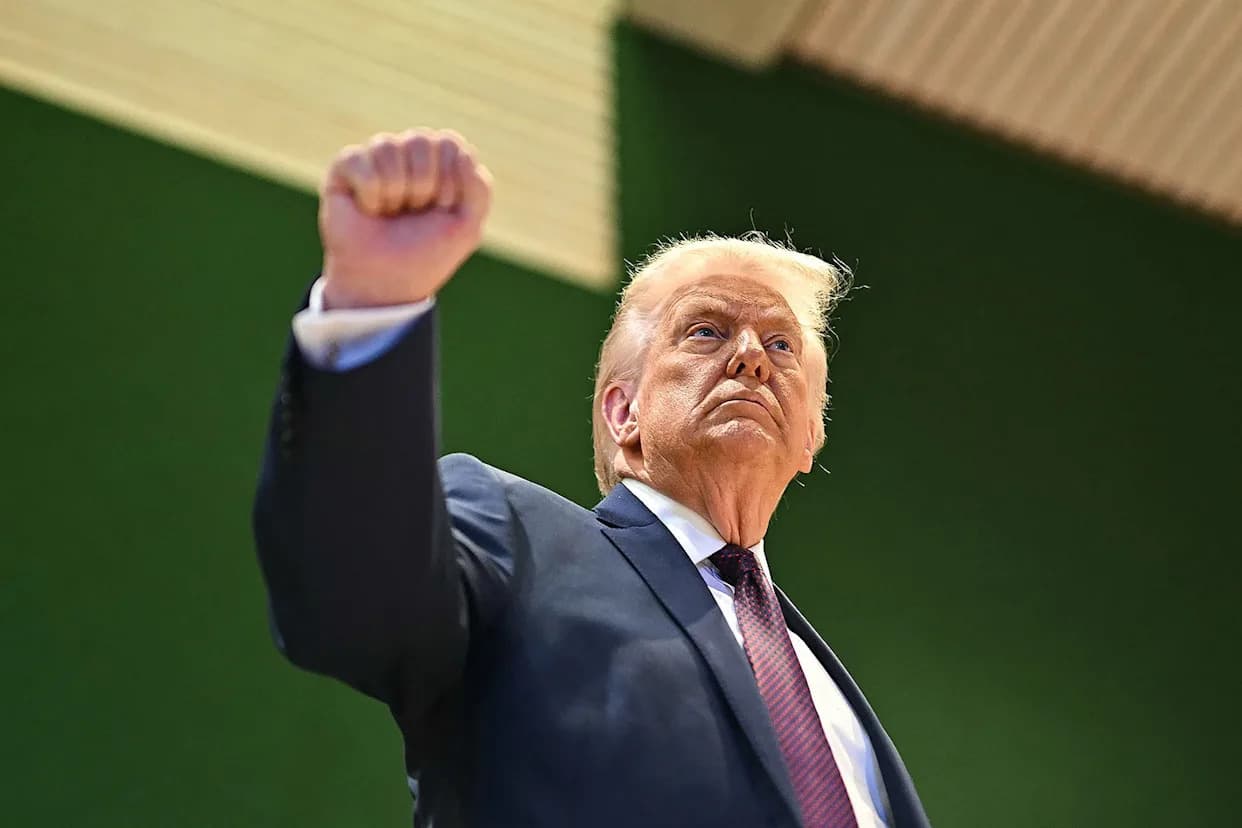
The Trump administration maintains the operations are lawful and says the surge is intended to combat fraud and protect federal funds for social services. President Trump has singled out Minnesota's Somali community in his criticism of local policy and enforcement, a remark that increased tensions around the deployments.
What Happens Next
The 8th Circuit's temporary stay leaves Menendez's preliminary injunction on hold for now while the appeals court considers whether to keep it paused for a longer period — potentially through the outcome of the federal government's appeal. The underlying civil suits in Minnesota continue to advance, and the legal and political battle between state and federal authorities is likely to remain in the spotlight.
Help us improve.