The Minnesota standoff pits aggressive federal deportation efforts under Operation Metro Surge against Minneapolis and Minnesota leaders who refuse to help enforce broad sweeps after the fatal shooting of ICU nurse Alex Pretti. National outrage prompted a limited pullback and demands for independent investigation and accountability, while Senate Democrats seek strict limits on ICE tactics to avoid a partial government shutdown. Possible compromises include more narrowly targeted operations, stronger conduct rules for agents, and use of Border Patrol in supportive roles.
Why Minnesota’s Deportation Standoff May Be Nearly Impossible To Resolve — And What Comes Next
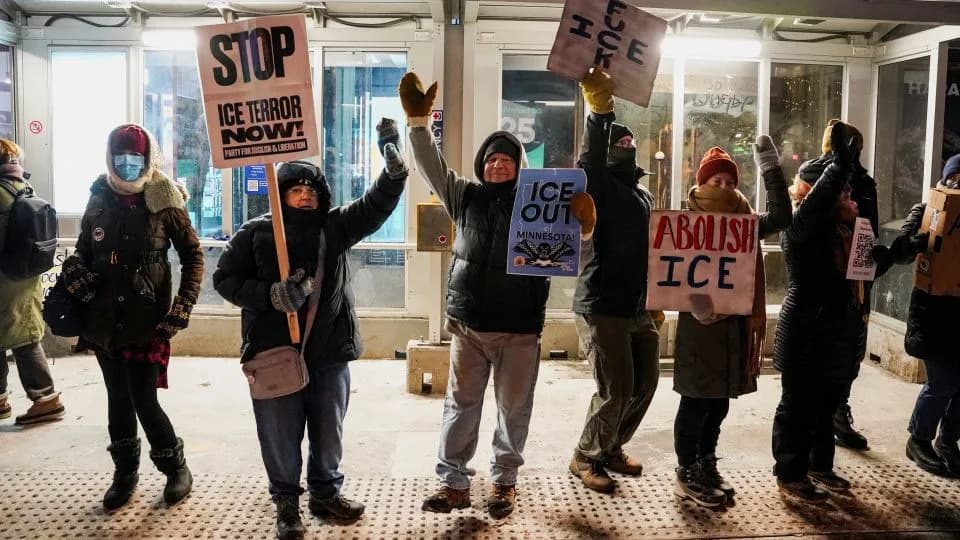
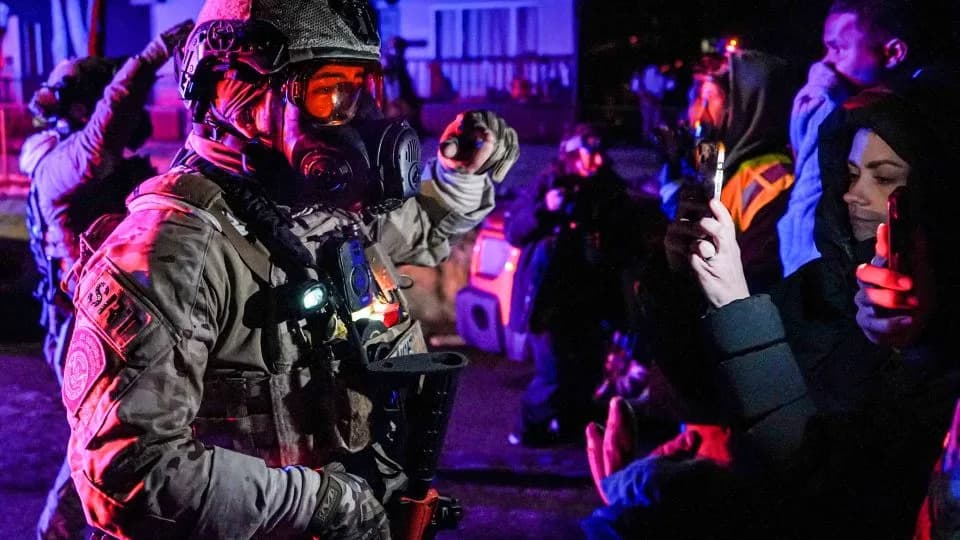
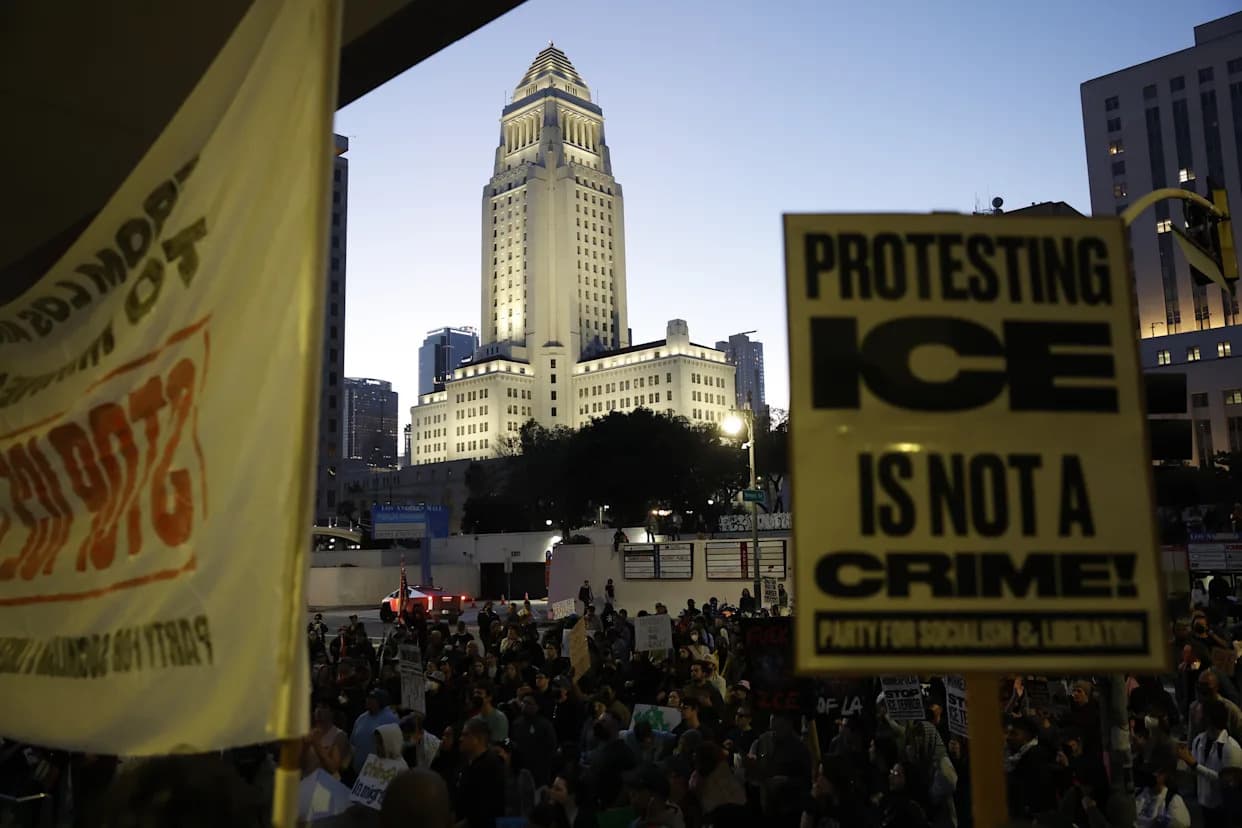
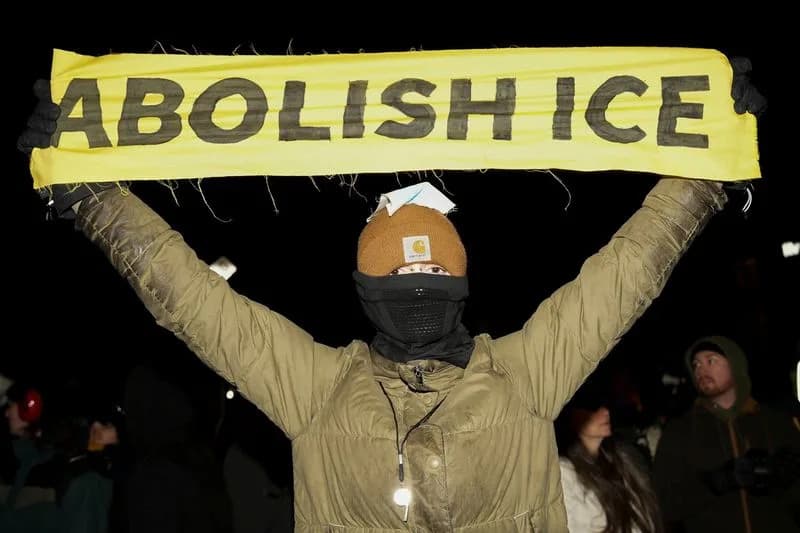
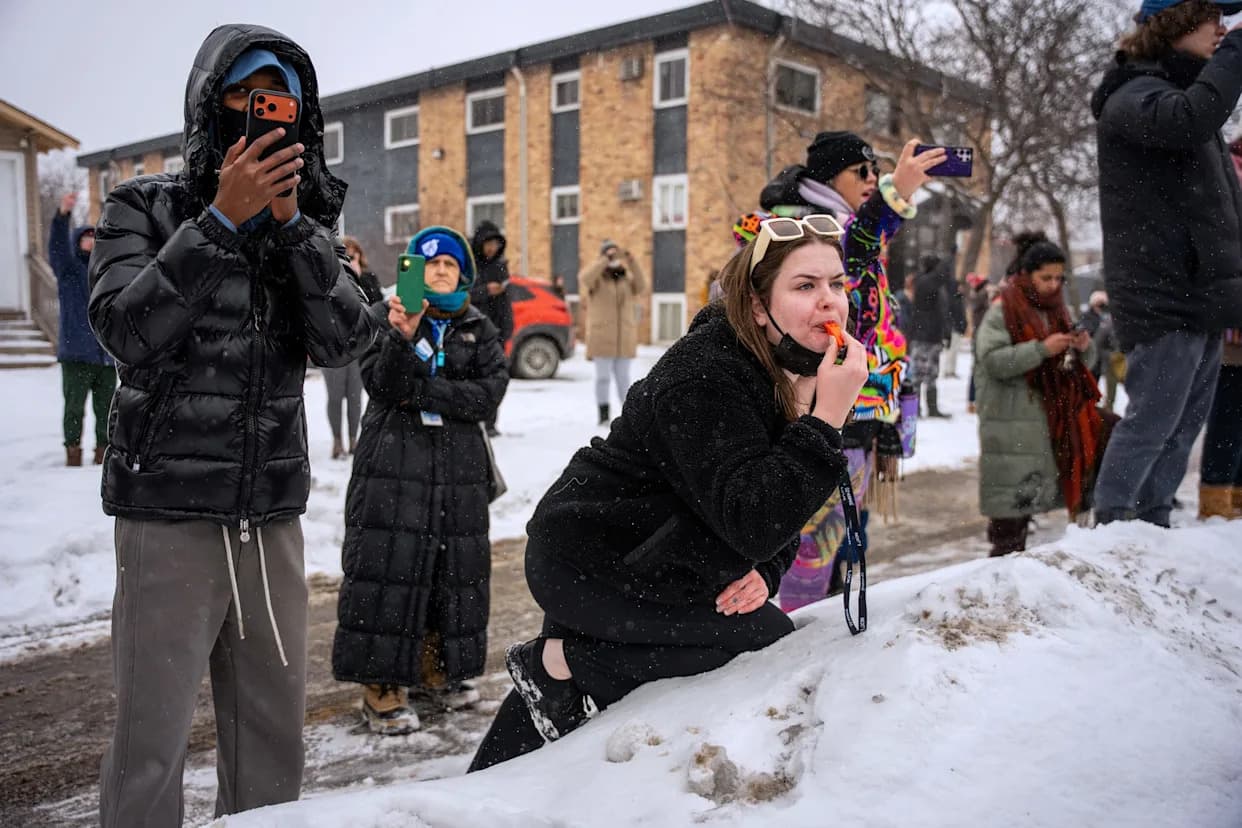
Protesters hold signs during a demonstration against the presence of federal immigration agents in Minneapolis, Minnesota, on January 28, 2026. - Seth Herald/Reuters
The confrontation in Minnesota centers on a clash between the Biden administration’s aggressive deportation campaign and Democratic state and city leaders who refuse to cooperate with broad federal sweeps. The crisis escalated after federal agents fatally shot ICU nurse Alex Pretti during an enforcement action, following the earlier killing of Renee Good. A partial de-escalation was announced, but deep political and policy divisions make any durable resolution uncertain.
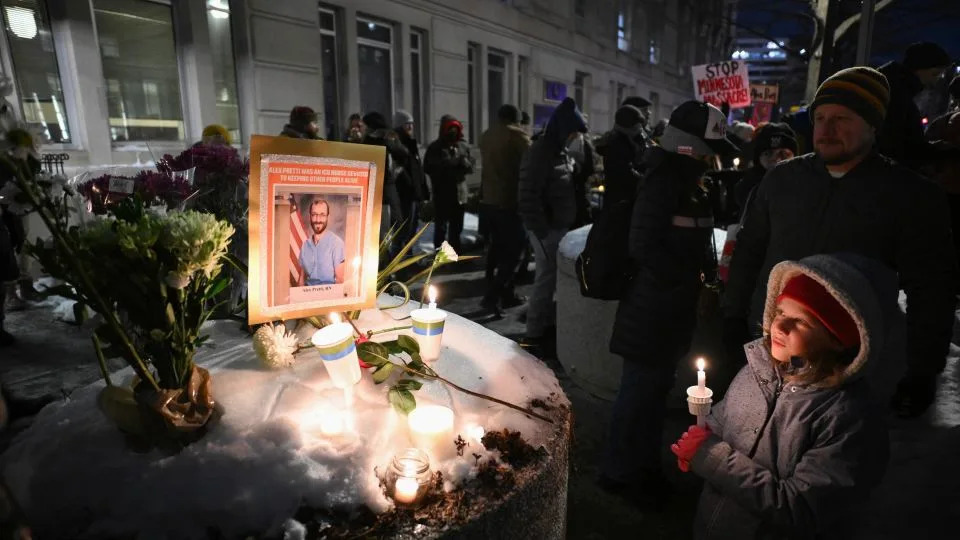
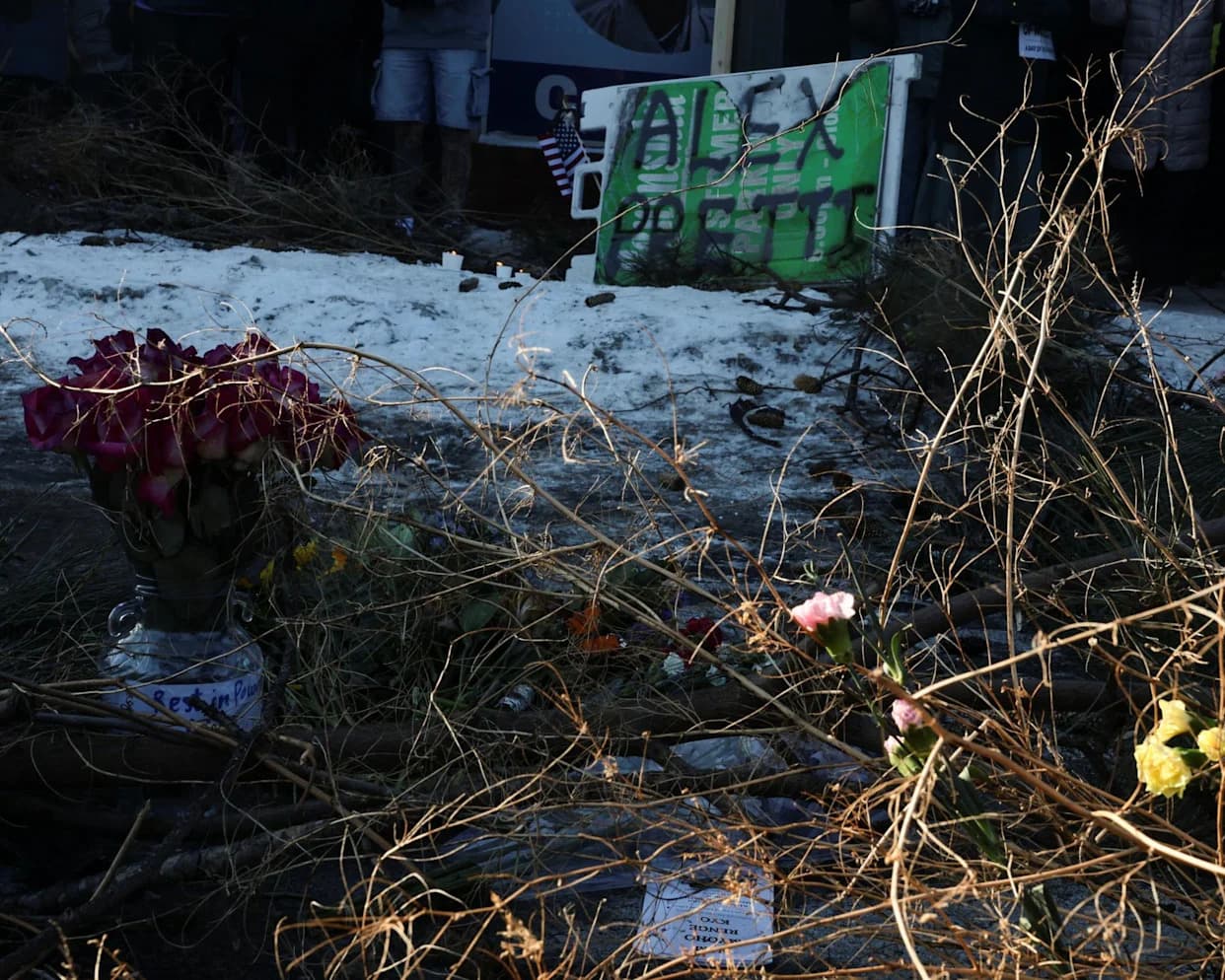
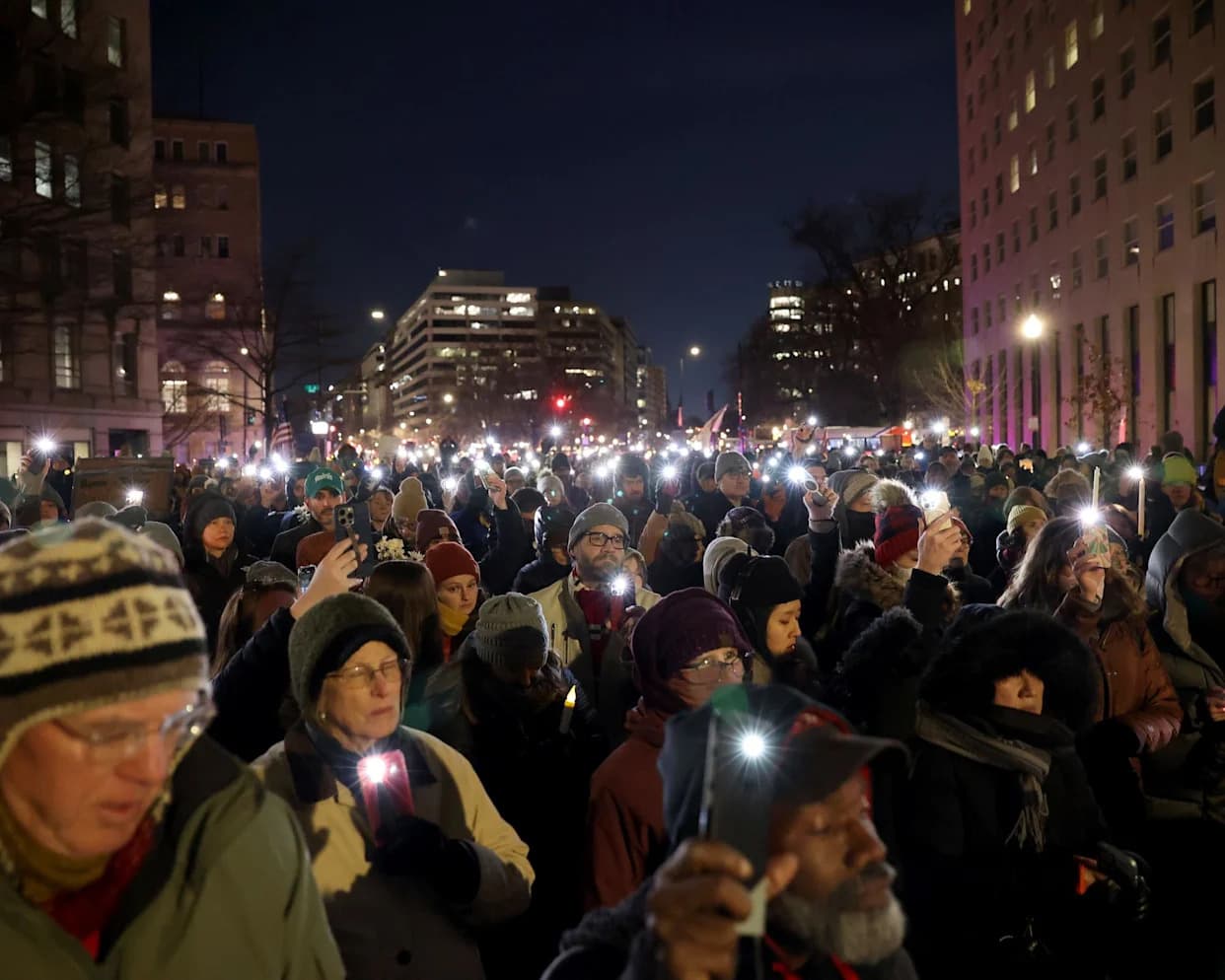
A child holds a candle next to a makeshift memorial for Alex Pretti outside the US Department of Veteran Affairs in Washington DC, on January 28, 2026. - Mandel Ngan/AFP/Getty Images
What Happened
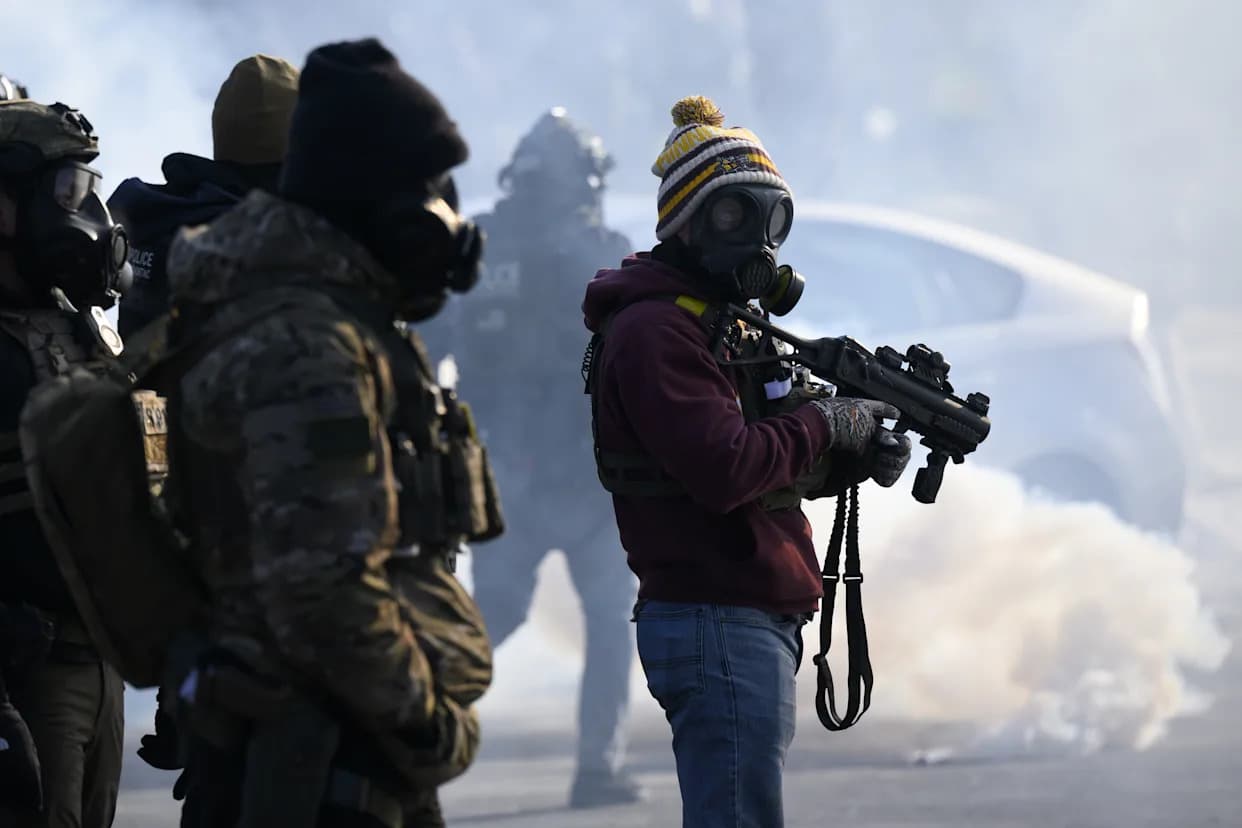
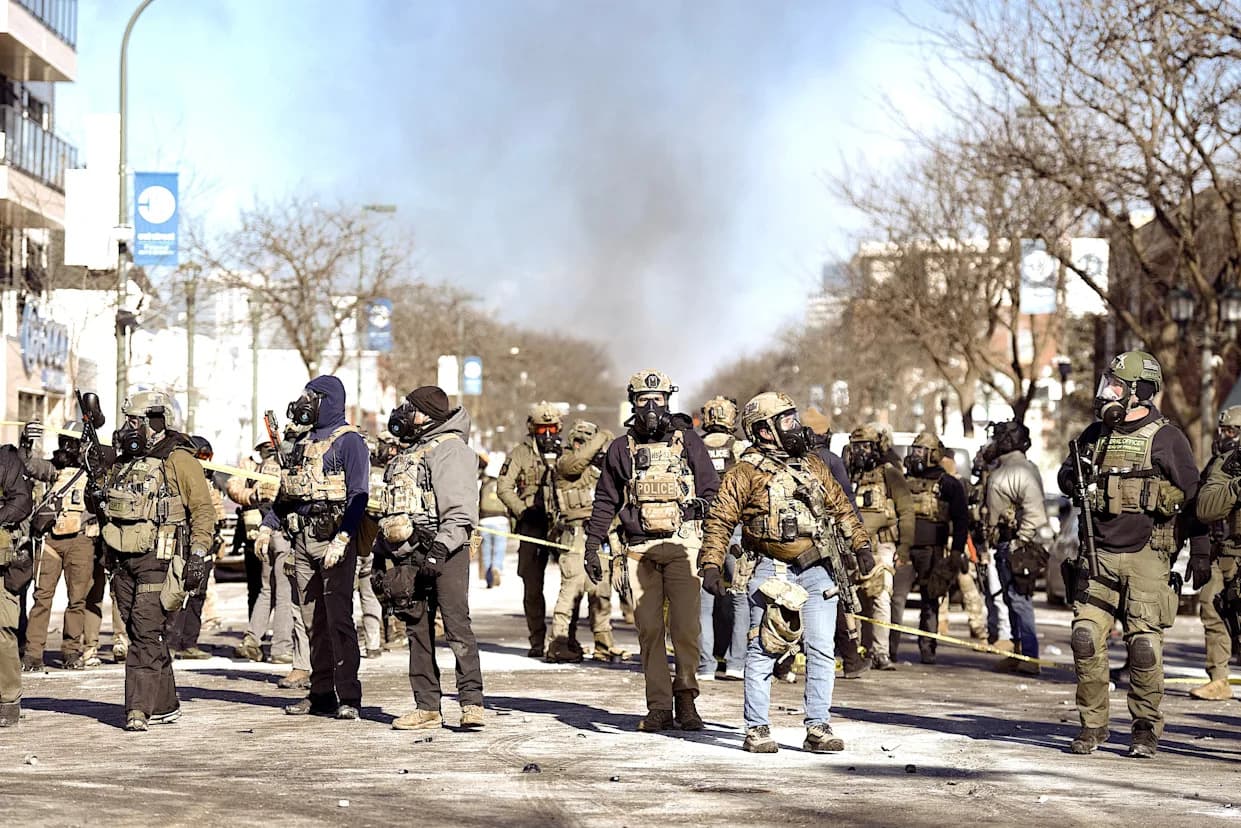
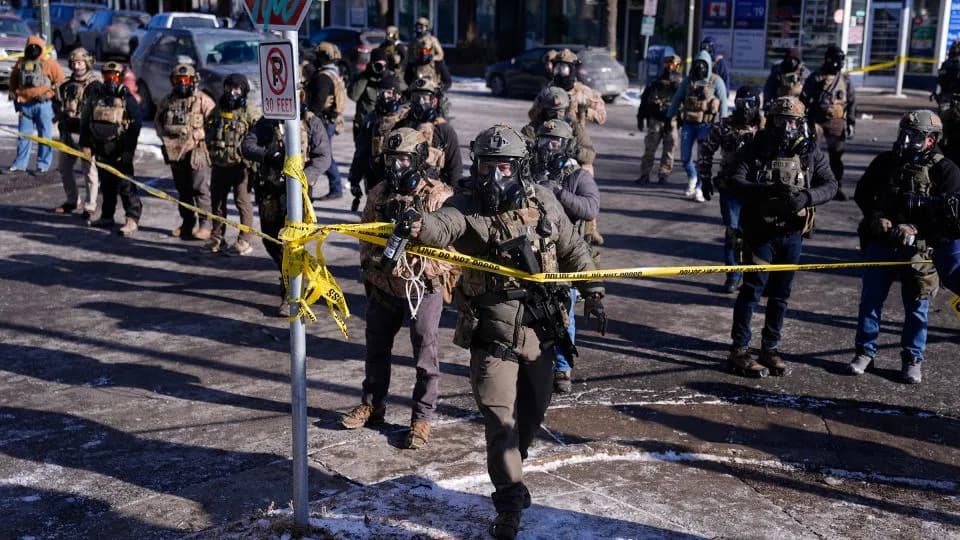
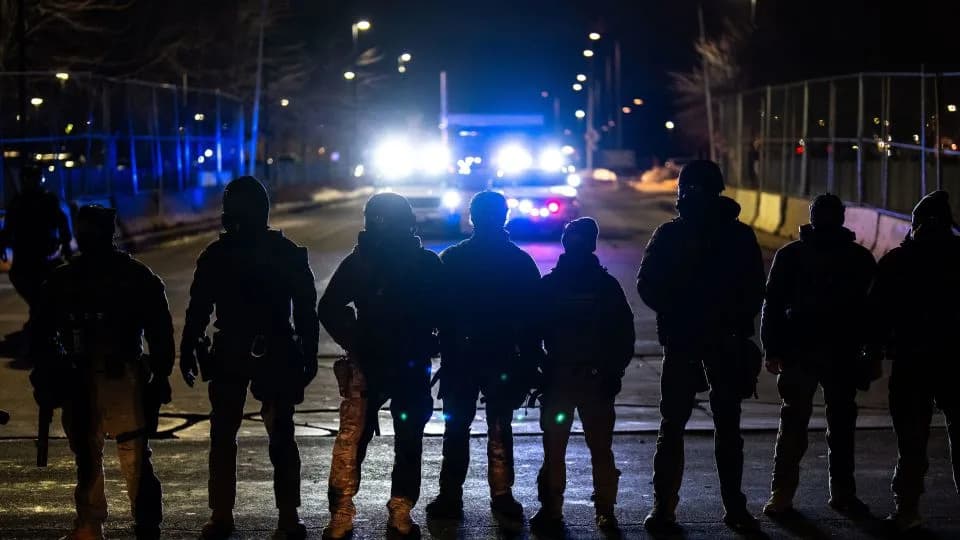
Federal immigration operations known as Operation Metro Surge deployed roughly 3,000 agents to the Twin Cities area. The deployment, overseen by administration officials including border czar Tom Homan, prompted confrontations with local leaders and community members. After the shooting of Alex Pretti, national outrage forced officials to pause and re-evaluate tactics, though limited enforcement activity reportedly continued.
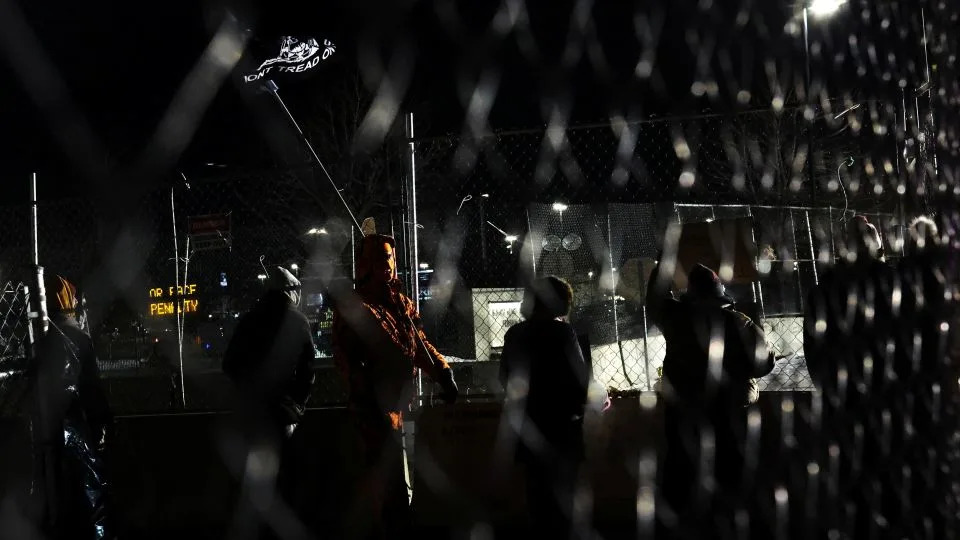
Demonstrators shout against the presence of federal immigration agents outside the Bishop Henry Whipple Federal Building in Minneapolis, Minnesota, on January 28, 2026. - Shannon Stapleton/Reuters
Key Tensions
Local Resistance: Minneapolis Mayor Jacob Frey and other local officials have said they will not use municipal police to enforce federal immigration arrests, arguing those actions endanger civil liberties and community trust.
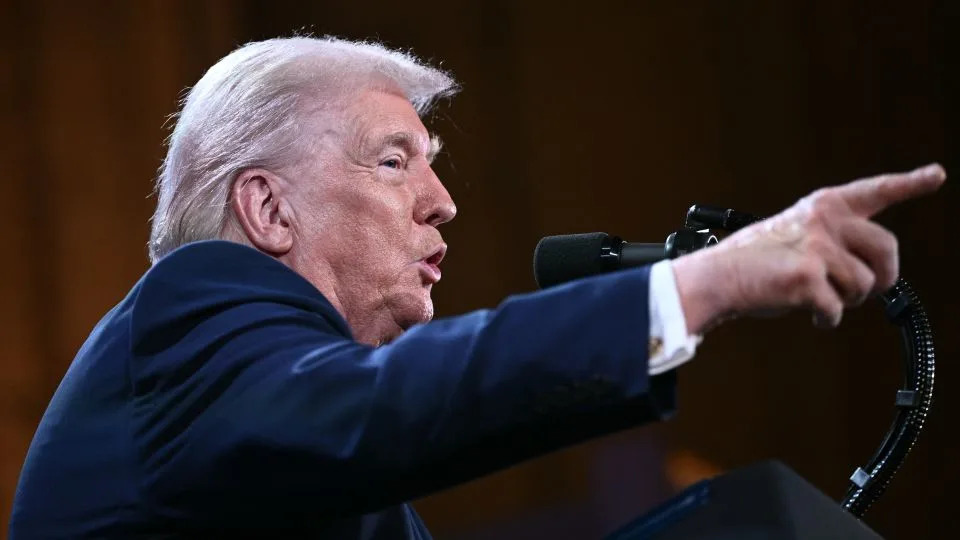
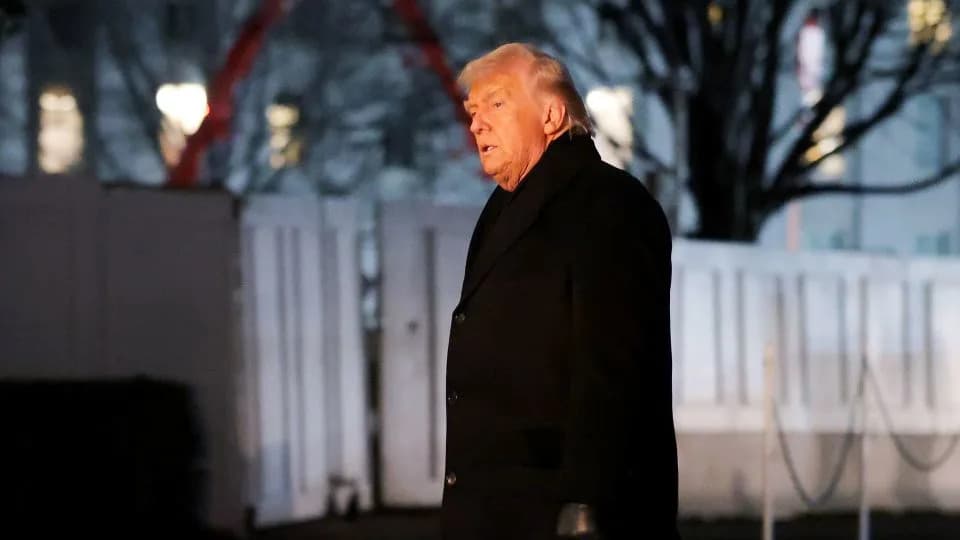
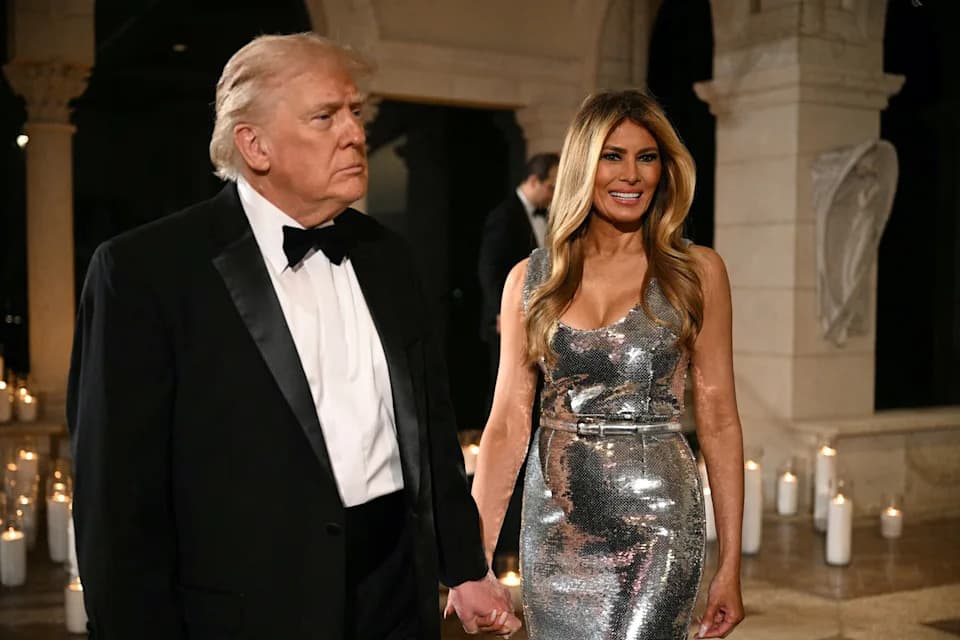
President Donald Trump delivers remarks at the Andrew W. Mellon Auditorium in Washington DC, on January 28, 2026. - Brendan Smialowski/AFP/Getty Images
Federal Response: The Department of Homeland Security placed officers involved in Pretti’s shooting on administrative leave. Federal officials have argued their enforcement is necessary to meet deportation targets and deter illegal immigration, while critics say the operations have swept up nonviolent migrants and, in some cases, U.S. citizens.
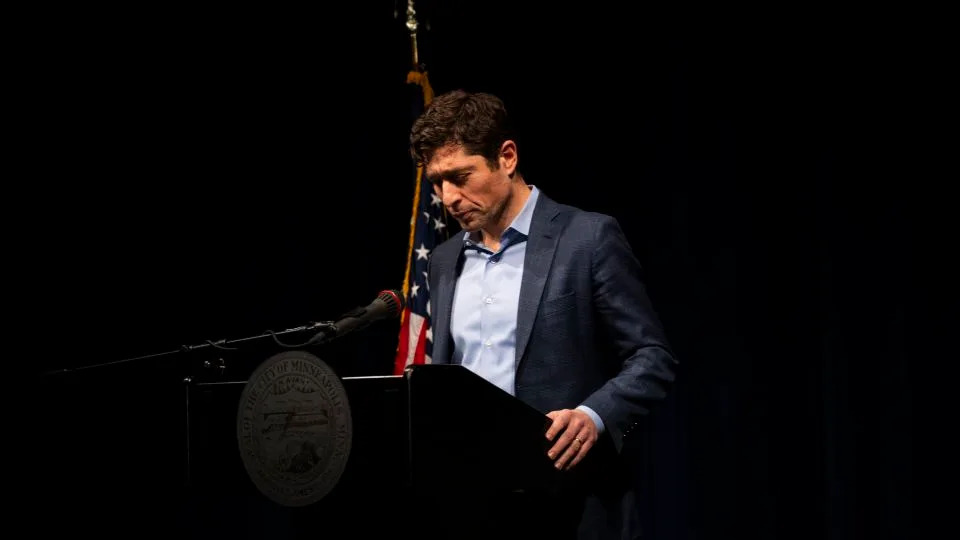
Minneapolis Mayor Jacob Frey arrives to speak during a press conference in Minneapolis, Minnesota, on January 22, 2026. - Stephen Maturen/Getty Images
Political Fallout: Senate Democrats have laid out conditions to curtail federal enforcement practices — including limits on the use of roving patrols and warrants, stricter conduct standards, removal of masks, and mandatory body cameras — and they have used those demands in budget negotiations to try to avert a partial government shutdown.
Notable Developments
- New video surfaced showing a prior physical confrontation between Pretti and Customs and Border Protection agents.
- Democrats and many community leaders blame the administration’s enforcement posture for creating conditions that led to violence and tragedy.
- Some Republicans have expressed unease and called for independent investigations, while others emphasized the administration’s immigration promises and resisted concessions.
- High-profile humanitarian cases — including the detention of 5-year-old Liam Conejo Ramos with his father — have amplified public outrage.
Possible Paths Forward
Reported compromise options include narrowing enforcement to migrants with violent criminal records, relying on Border Patrol agents to play more supportive and targeted roles, and adopting clearer conduct rules (body cameras, unmasking when possible, warrant restrictions). Whether those steps are sufficient to satisfy local officials, calm communities, and preserve the administration’s political objectives remains unclear.
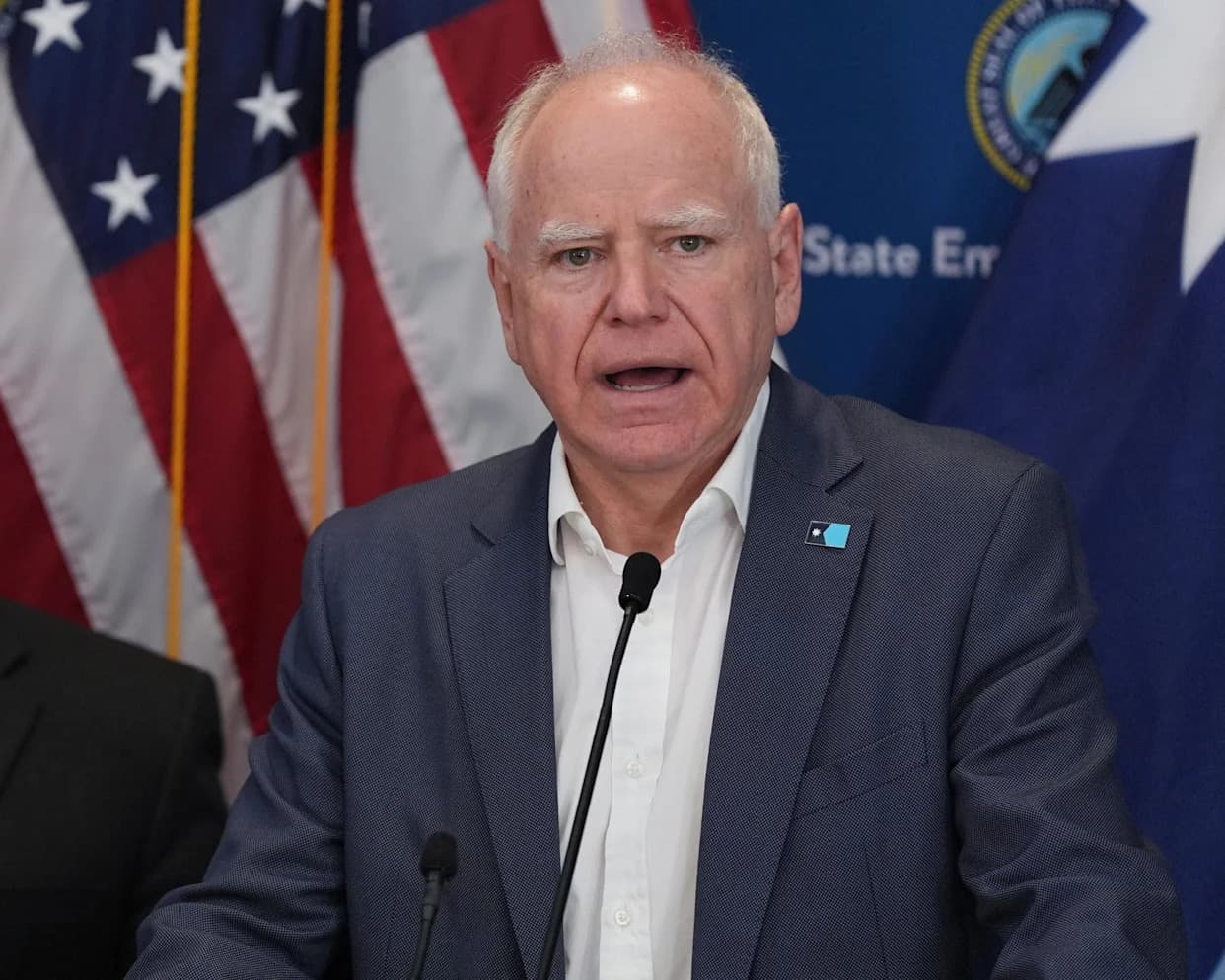
“We just need them out of here and we need accountability for what has happened,” Minnesota Gov. Tim Walz said at a makeshift memorial for Pretti, summarizing local demands for removal of aggressive federal tactics and independent accountability.
The standoff illustrates a broader constitutional and political question: can an administration reconcile aggressive, enforcement-first immigration policy with the civil liberties concerns and political resistance of Democratic-led localities? Answers in the coming days — including whether negotiators avert a partial government shutdown — will shape the short-term trajectory of the dispute.
Help us improve.