A federal judge in California has voided the Trump administration's effort to end Temporary Protected Status for about 60,000 people from Honduras, Nepal and Nicaragua, saying the decision was "pre‑ordained" and not based on an objective review of country conditions. Judge Trina Thompson issued summary judgment finding the terminations unlawful under the TPS statute and the Administrative Procedure Act. The ruling restores work authorization and protections from deportation for the affected TPS holders while the legal dispute continues. The decision comes amid a broader effort by the administration to curtail multiple TPS programs.
Federal Judge Invalidates Effort To End TPS For About 60,000 Immigrants, Calling Decision “Pre‑Ordained”
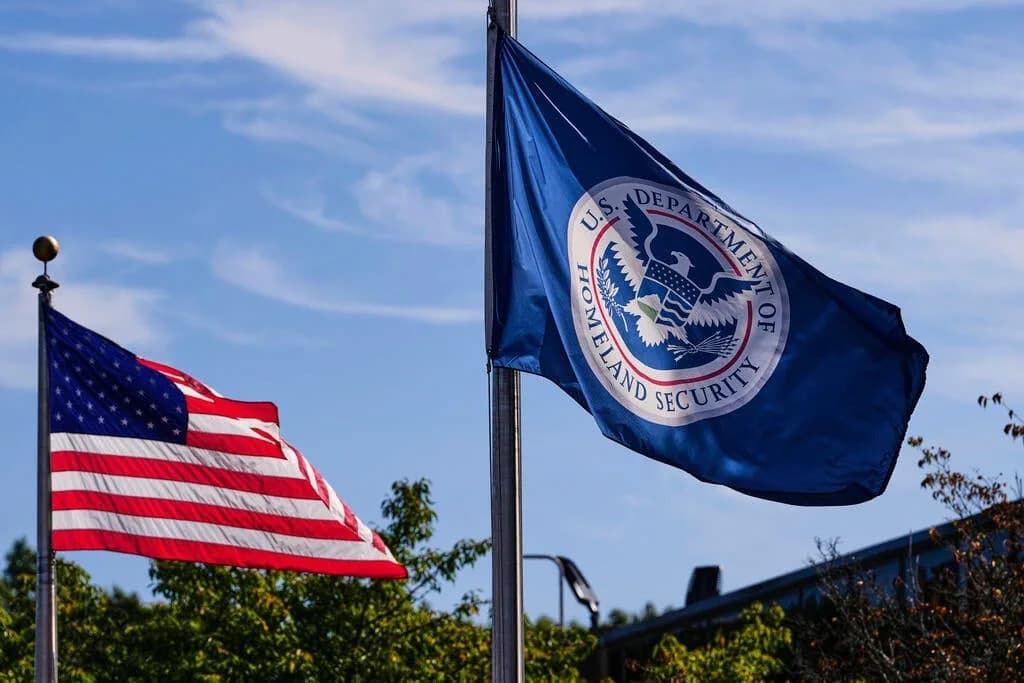
Judge voids decision to end legal status of 60,000 immigrants
A federal judge in California on Wednesday invalidated the Trump administration's effort to terminate Temporary Protected Status (TPS) for roughly 60,000 immigrants from Honduras, Nepal and Nicaragua, describing the move as "pre‑ordained." The decision restores legal protections for those covered under the TPS designations and blocks the planned terminations as unlawful.
Judge Finds Termination Was Pretextual
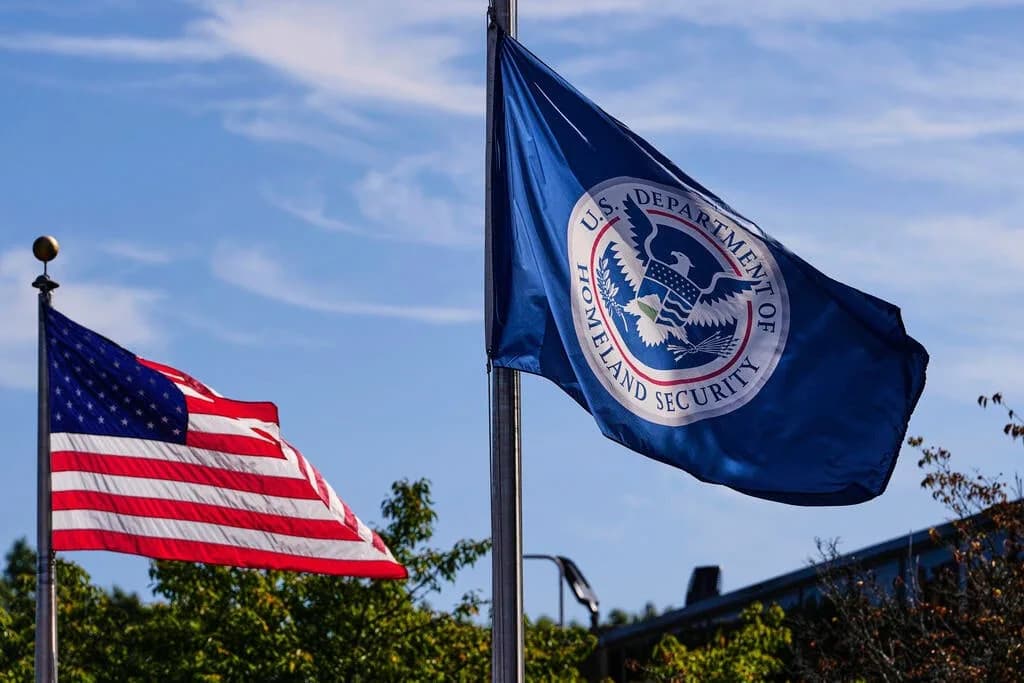
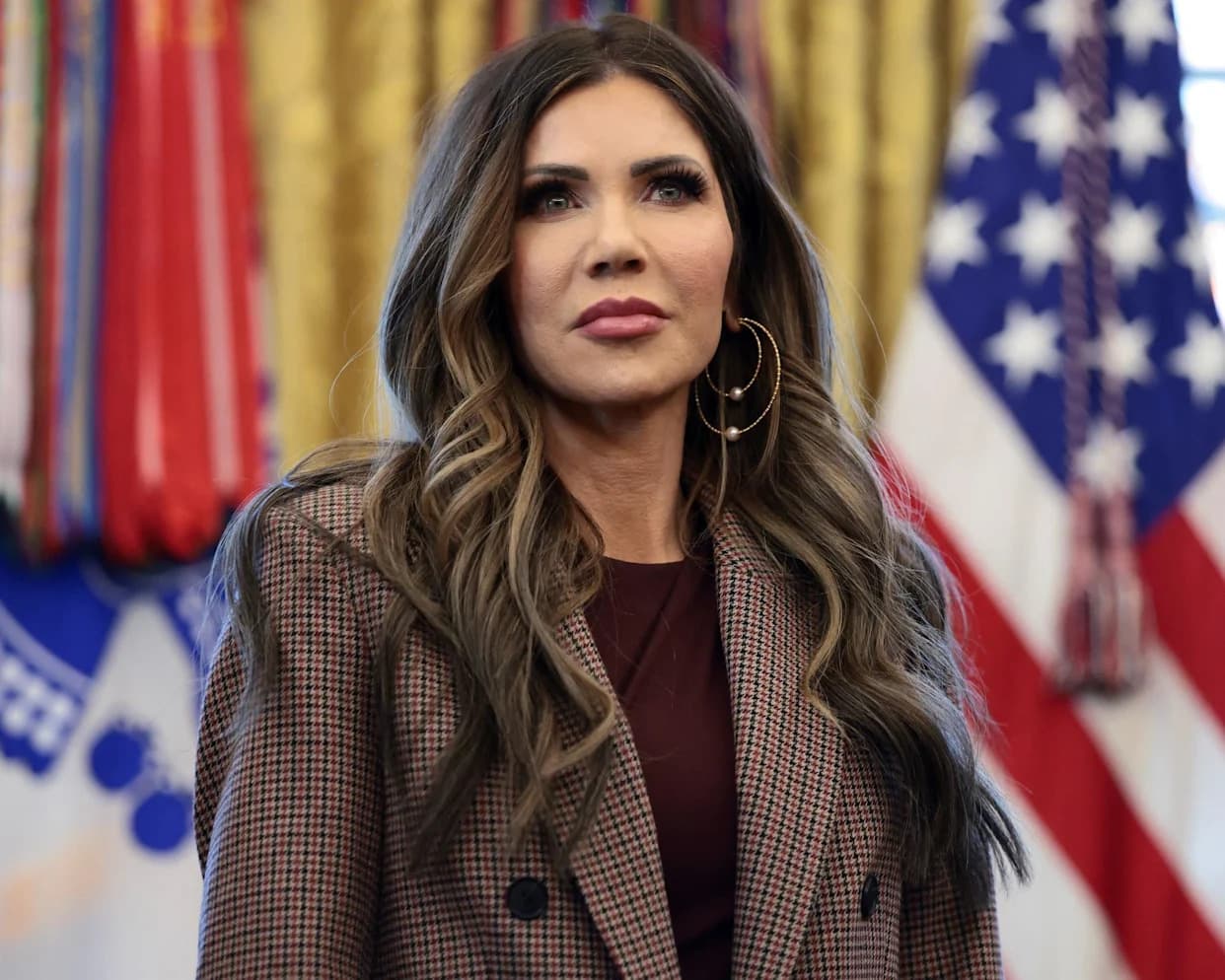
U.S. District Judge Trina Thompson issued a summary judgment concluding that Homeland Security Secretary Kristi Noem's actions in June and July to end TPS for the three countries were "preordained and pretextual" rather than based on an objective, evidence-driven review of country conditions as required by the TPS statute and the Administrative Procedure Act (APA).
"The record specifically reflects that, before taking office, the Secretary made a pre‑ordained decision to end TPS and influenced the conditions review process to facilitate TPS terminations for Honduras, Nicaragua, and Nepal," Thompson wrote in her order.
Background On TPS And The Affected Countries
Congress created Temporary Protected Status in 1990 to give certain foreign nationals in the United States temporary protection from deportation and authorization to work when their home countries are experiencing armed conflict, environmental disasters, or other extraordinary conditions that make return unsafe.
The TPS designations for Honduras and Nicaragua trace back to the late 1990s after Hurricane Mitch devastated parts of Central America and caused thousands of deaths; many beneficiaries from those programs have lived in the U.S. for more than two decades. Nepal's TPS designation followed a deadly 2015 earthquake.
Legal Journey And Broader Context
In late July, Judge Thompson issued a preliminary injunction delaying the planned terminations after finding the administration had not adequately considered ongoing problems in the affected countries and that the decision may have been motivated by racial animus. An appeals court briefly paused that injunction in August, allowing the administration to proceed at that time. The Wednesday summary judgment reverses that course, finding the terminations unlawful.
The ruling arrives amid a broader push by the administration to scale back many TPS programs, arguing the policy encourages illegal immigration and has been improperly extended by prior administrations. Officials also sought to end TPS protections for nationals from Afghanistan, Cameroon, Ethiopia, Haiti, Myanmar, Sudan, Syria and Venezuela.
Practical Impact
Legal experts say the decision should restore TPS protections for the affected Honduran, Nepali and Nicaraguan residents, preserving their work authorization and shielding them from detention and deportation while the protections remain in force.
Ahilan Arulanantham, co‑director of the UCLA Center for Immigration Law and Policy, said the ruling "restores TPS protections for thousands of long‑term, law‑abiding TPS‑holding residents from Honduras, Nepal, and Nicaragua." CBS News reported that the Department of Homeland Security had been contacted for comment on the order.
What Happens Next: The administration may seek to appeal the summary judgment, and the legal dispute could continue through the courts. For now, TPS protections for the affected nationals remain in place following Judge Thompson's order.
Help us improve.