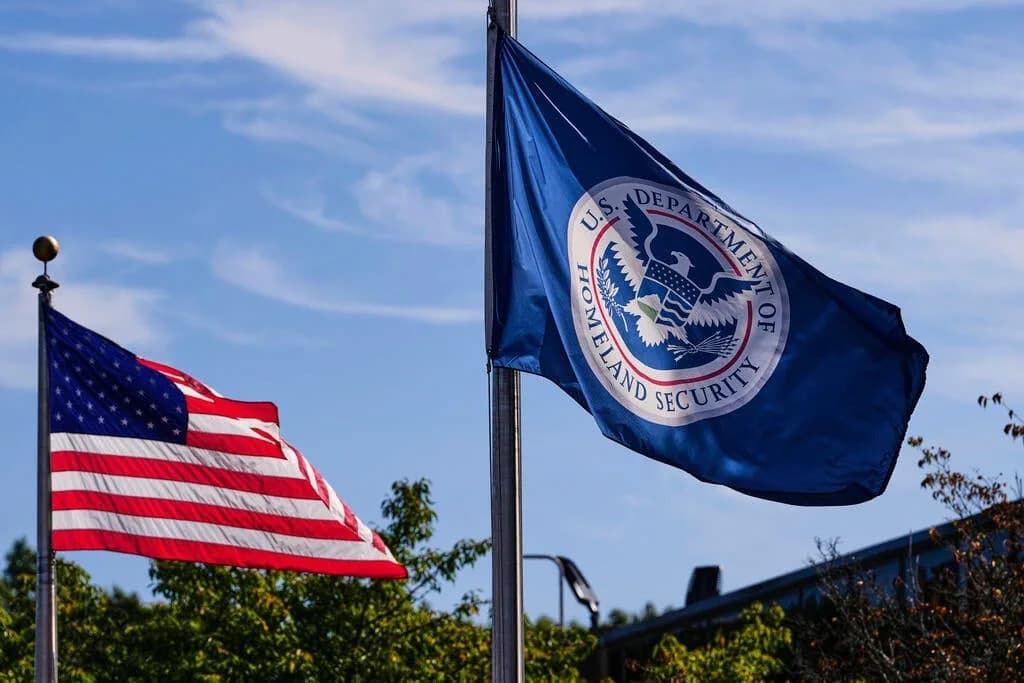
A federal judge in California has voided the Trump administration's decision to end Temporary Protected Status for about 60,000 people from Honduras, Nepal and Nicaragua, finding the termination unlawful and "pre-ordained." Judge Trina Thompson concluded DHS Secretary Kristi Noem influenced the review process and failed to base the decision on an objective assessment as required by law. The ruling restores work authorization and deportation protections for affected TPS holders while appeals are possible. The administration has criticized the judgment and may appeal.
Federal Judge Blocks Termination of TPS for About 60,000 Immigrants, Calling Review "Pre-Ordained"
Judge voids decision to end legal status of 60,000 immigrants
A federal judge in California on Wednesday struck down the Trump administration's decision to end Temporary Protected Status (TPS) for roughly 60,000 nationals of Honduras, Nepal and Nicaragua, ruling the termination unlawful and describing the decision as "pre-ordained." The order restores protections and work authorization for those beneficiaries pending any further appeals.
Court's Findings
U.S. District Judge Trina Thompson issued summary judgment, concluding the Department of Homeland Security (DHS) and Secretary Kristi Noem failed to conduct an objective, lawful review of conditions in the three countries as required by the TPS statute and the Administrative Procedure Act (APA). Thompson wrote that the record shows the Secretary made a decision to end TPS before taking office and "influenced the conditions review process to facilitate TPS terminations for Honduras, Nicaragua, and Nepal."
"The Secretary's actions were preordained and pretextual rather than based on an objective review of the country conditions as required by the TPS statute and the (Administrative Procedure Act)," Judge Thompson wrote.
Program History and Context
Congress created TPS in 1990 to give qualifying foreign nationals temporary protection from deportation and authorization to work in the U.S. when return to their home country would be unsafe because of armed conflict, environmental disaster, or another emergency. TPS designations for Honduras and Nicaragua date to the late 1990s after Hurricane Mitch, which devastated parts of Central America. Nepal's TPS was established in 2015 following a deadly earthquake.
Earlier Injunctions and Appeals
In late July, Judge Thompson issued a preliminary injunction halting the planned terminations, citing concerns that lingering dangers in the three countries had not been adequately considered and that the decision may have been motivated by racial animus. That injunction was temporarily stayed in August by an appeals court, allowing DHS to proceed while litigation continued. Wednesday's summary judgment now finds the termination unlawful.
Reactions
Assistant DHS Secretary Tricia McLaughlin sharply criticized the ruling in a statement, calling it "another lawless and activist order from the federal judiciary who continues to usurp the President's constitutional authority." She argued TPS had been abused under prior administrations and said the improved conditions in the affected countries justified ending the designations.
"Under the previous administration Temporary Protected Status was abused to allow violent terrorists, criminals, and national security threats into our nation," McLaughlin said. "TPS was never designed to be permanent, yet previous administrations have used it as a de facto amnesty program for decades. Given the improved situation in each of these countries, now is the right time to conclude what was always intended to be a temporary designation."
Immigration advocates welcomed the decision. Ahilan Arulanantham, co-director of the UCLA Center for Immigration Law and Policy, said the ruling should restore work authorization and prevent federal immigration officials from detaining or deporting TPS holders from Honduras, Nepal and Nicaragua.
Broader TPS Effort
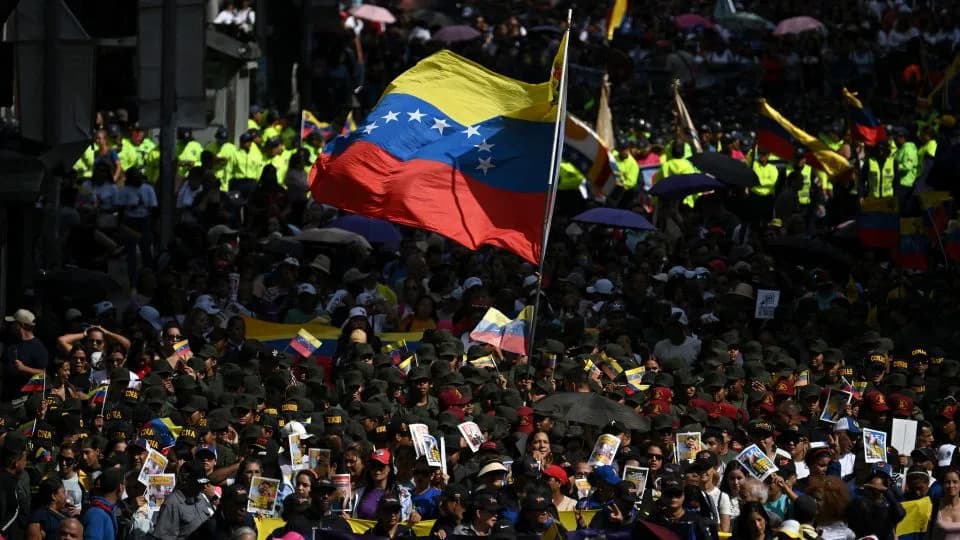
The administration has sought to end or scale back TPS protections for nationals of several countries, including Afghanistan, Cameroon, Ethiopia, Haiti, Myanmar, Sudan, Syria and Venezuela, arguing the program encourages illegal immigration and has been extended too long in some cases. This ruling limits the administration's ability to terminate TPS for the three countries at issue while the legal process continues.
What Happens Next: The government may appeal Judge Thompson's summary judgment to a higher court. Until final appellate resolution, this order restores TPS protections for the affected beneficiaries.
Help us improve.