Summary: Iraq faces a fraught decision as the Shiite Coordination Framework nominates Nouri al-Maliki for prime minister amid direct U.S. warnings. With about 90% of state revenue coming from oil largely held at the Federal Reserve in New York, the risk of U.S. sanctions looms large. Analysts caution that escalating U.S.-Iran tensions could turn Iraq into a battleground and force a dramatic reshaping of its political landscape.
Iraq Caught Between Washington and Tehran: Maliki Nomination Raises Stakes as U.S. Threatens Sanctions
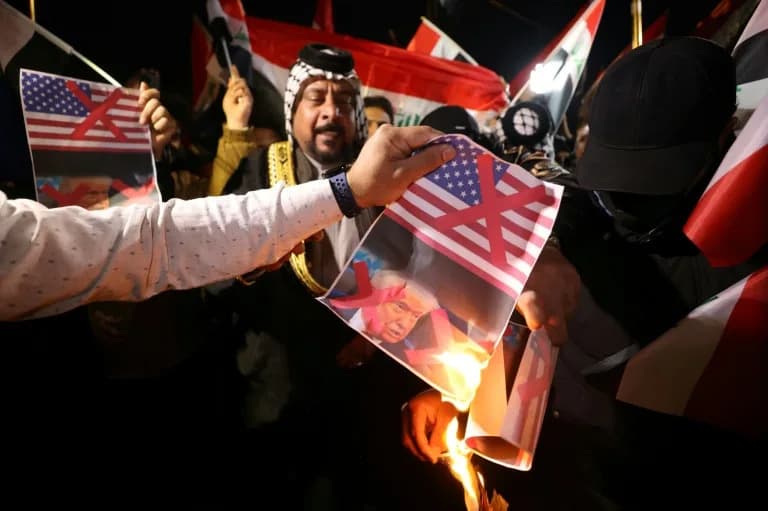
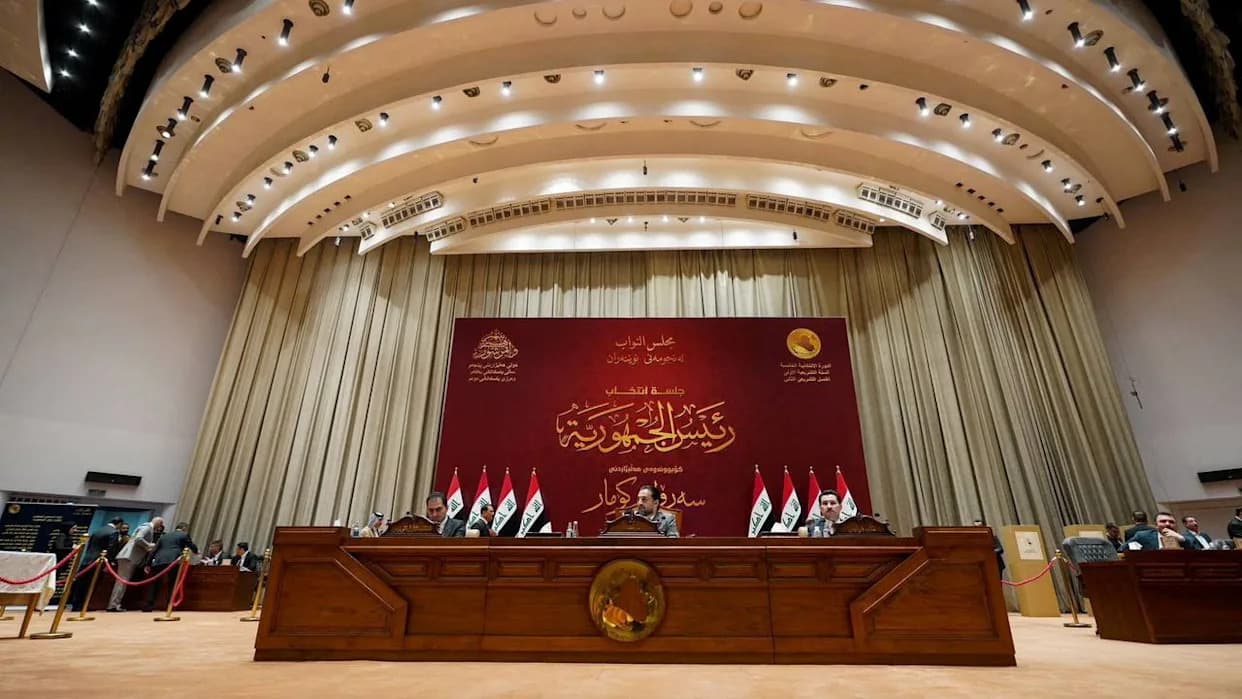
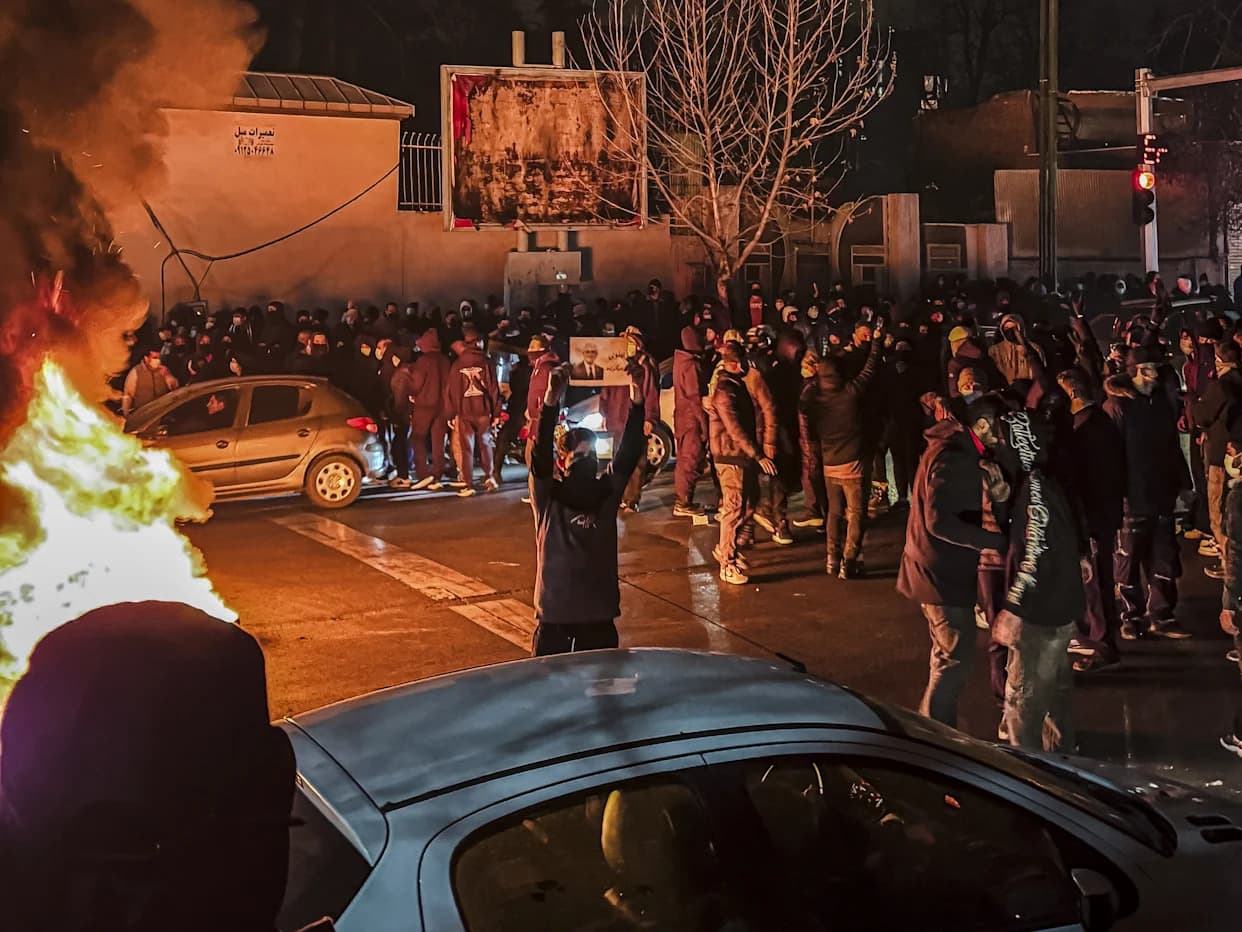
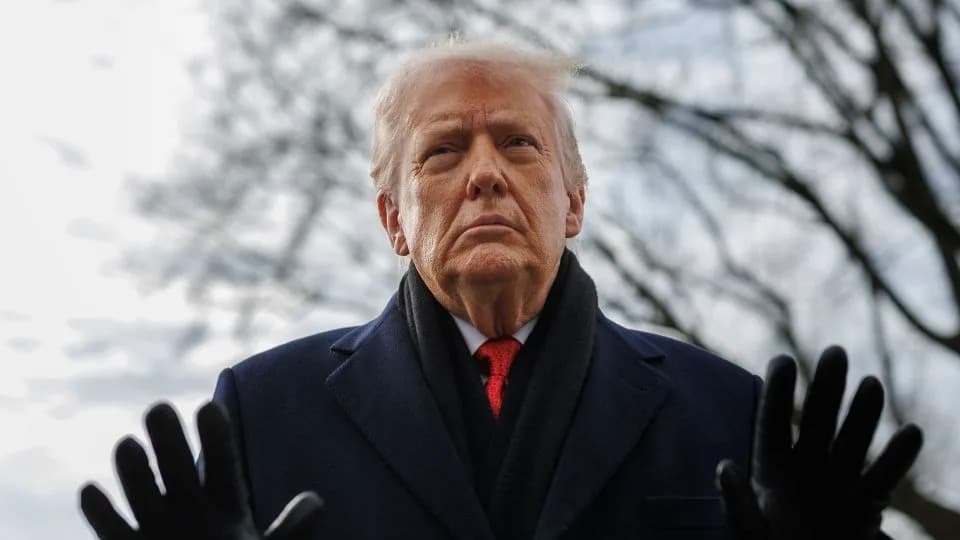
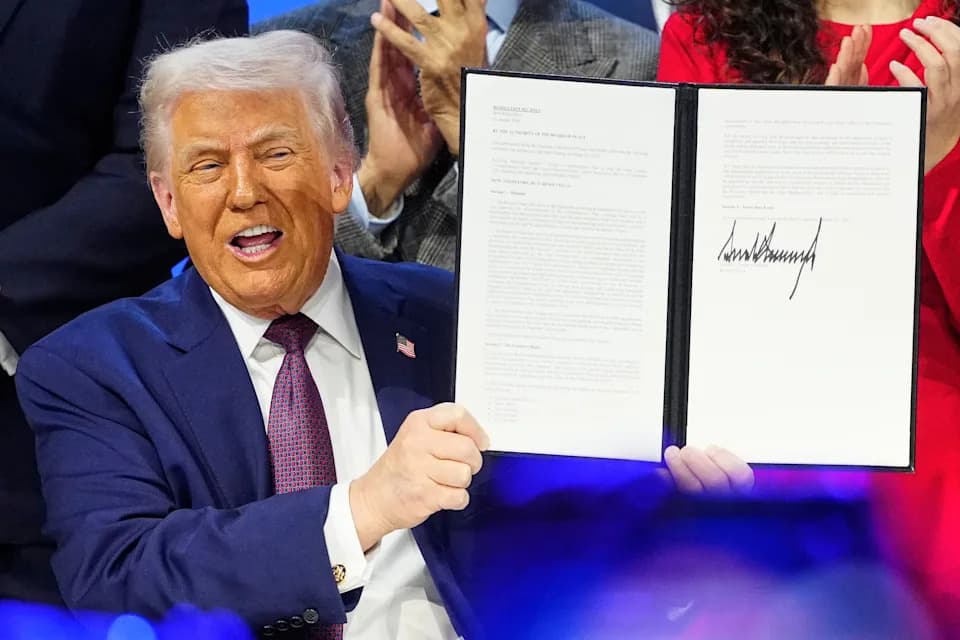
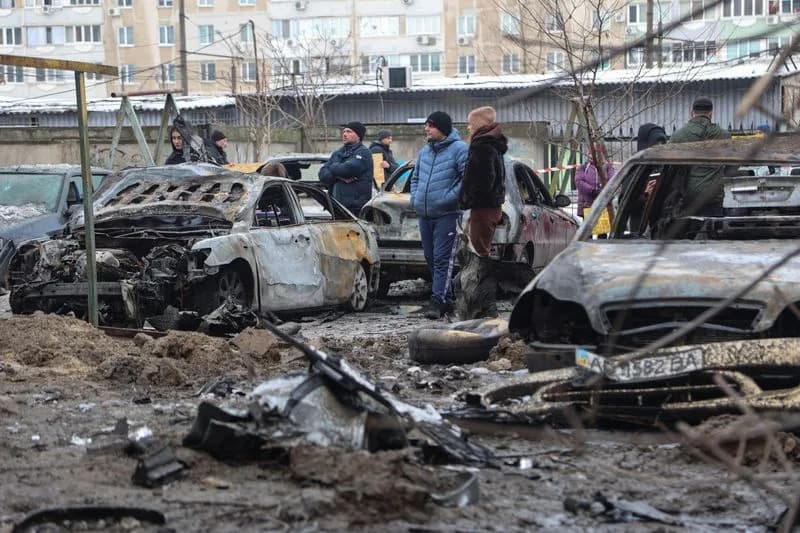
Many Iraqis have reacted with anger since US President Donald Trump openly tried to interfere in their domestic politics and choice of prime minister (AHMAD AL-RUBAYE)(AHMAD AL-RUBAYE/AFP/AFP)
Facing political stalemate, visible U.S. interference and the looming threat of regional conflict, Iraq risks sliding back into instability despite recent gains in everyday life. The country’s leaders now confront a stark choice: accommodate Tehran’s influence, defy Washington’s pressure, or attempt a precarious middle path.
Where the Politics Stand
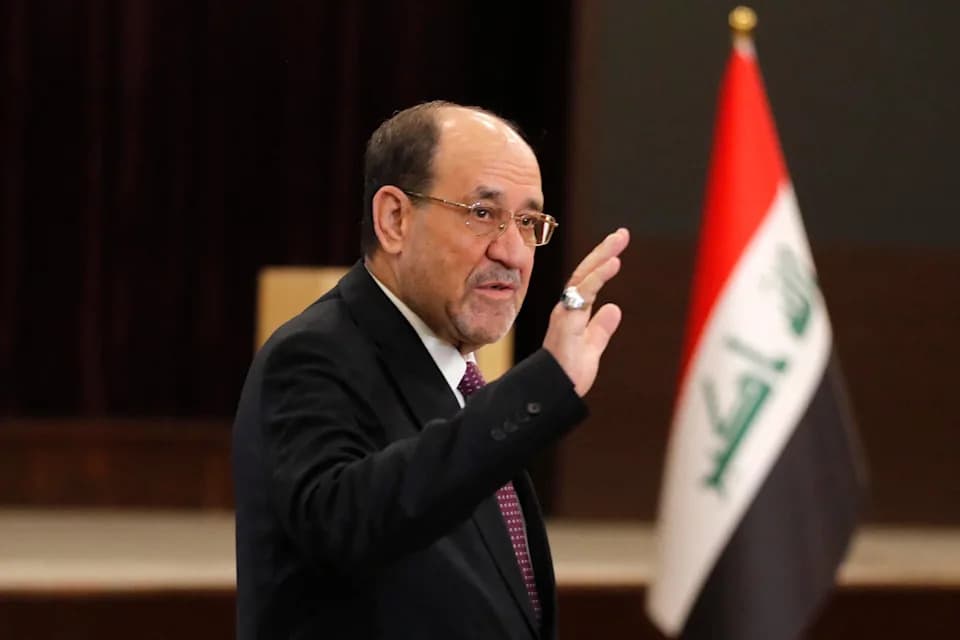
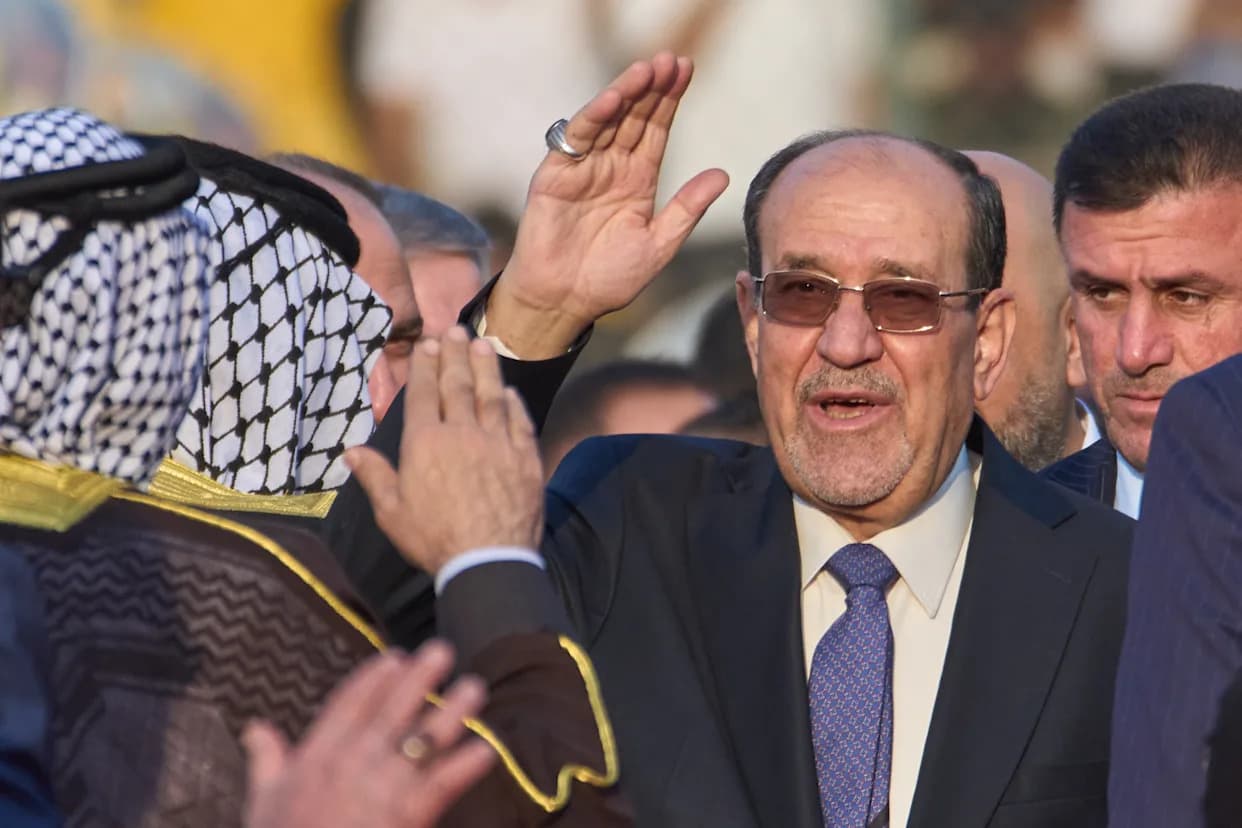
In November of last year Iraq held general elections. After weeks of negotiations, the Shiite Coordination Framework — an alliance of Iran-aligned and other Shiite parties — publicly endorsed veteran politician Nouri al-Maliki as its candidate for prime minister. Maliki, who served two full terms from 2006 to 2014, remains a polarizing figure: once backed by the U.S. occupation, he later drew criticism for deepening ties with Iran and pursuing policies critics called sectarian.
Normally the nominee of Iraq’s largest Shiite bloc would be well positioned to form a government. But the process has been complicated by explicit U.S. pressure. Former President Donald Trump reportedly warned that Washington would withdraw support for Iraq if Maliki became prime minister — a move that has amplified divisions among Iraqi leaders. Some in the Coordination Framework prefer a retreat to avoid punitive measures; others insist on defending Iraq’s sovereign choices.
Economic Leverage and Risks
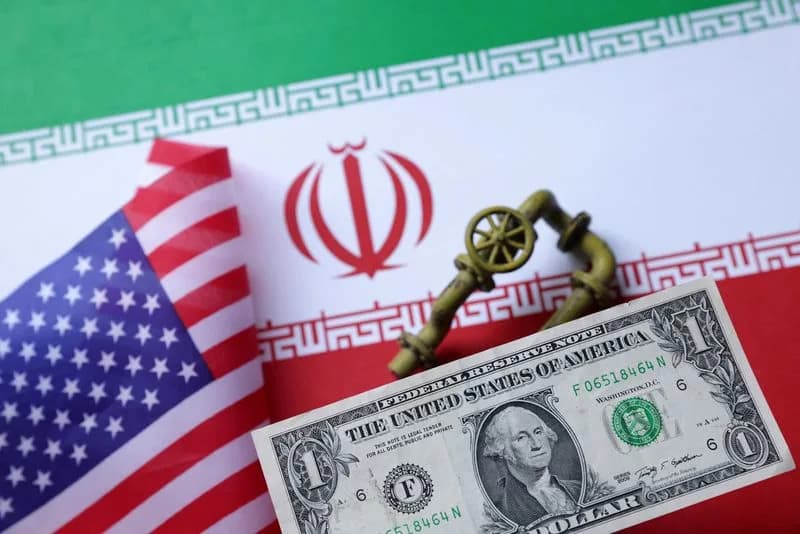
The United States retains tangible leverage over Baghdad. Much of Iraq’s oil export revenue is held at the Federal Reserve Bank in New York — an arrangement dating back to the aftermath of the 2003 invasion — and American companies are major investors in the country. Oil accounts for roughly 90 percent of Iraq’s state revenue, making any threat to that income a severe national vulnerability.
Officials close to the Coordination Framework say they fear Washington could impose sanctions if Maliki assumes office. Iraq’s weak economy and limited fiscal buffers mean that sanctions or restrictions on banking and oil flows could cause severe economic pain. Washington has already sanctioned multiple Iraqi entities accused of helping Iran evade U.S. measures, signaling how financial pressure might be used again.
Security Concerns and the Risk of Spillover
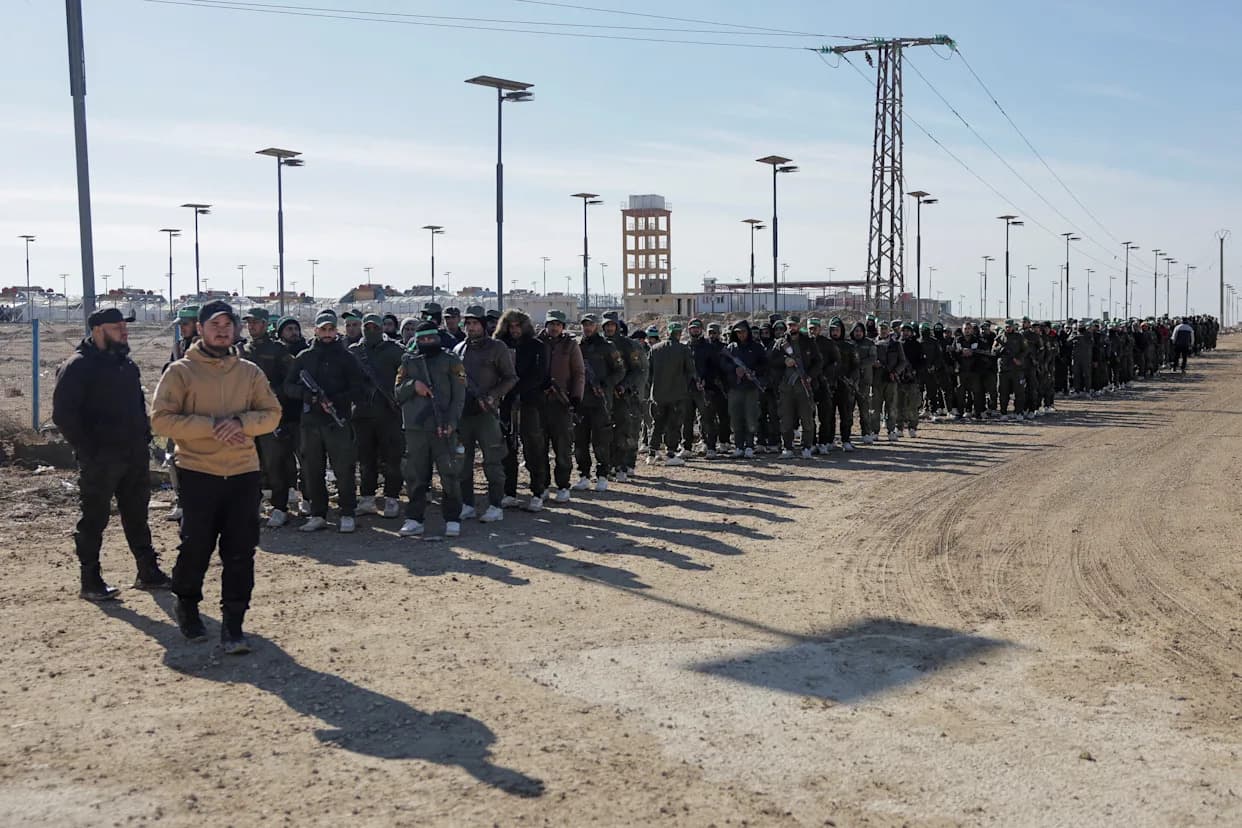
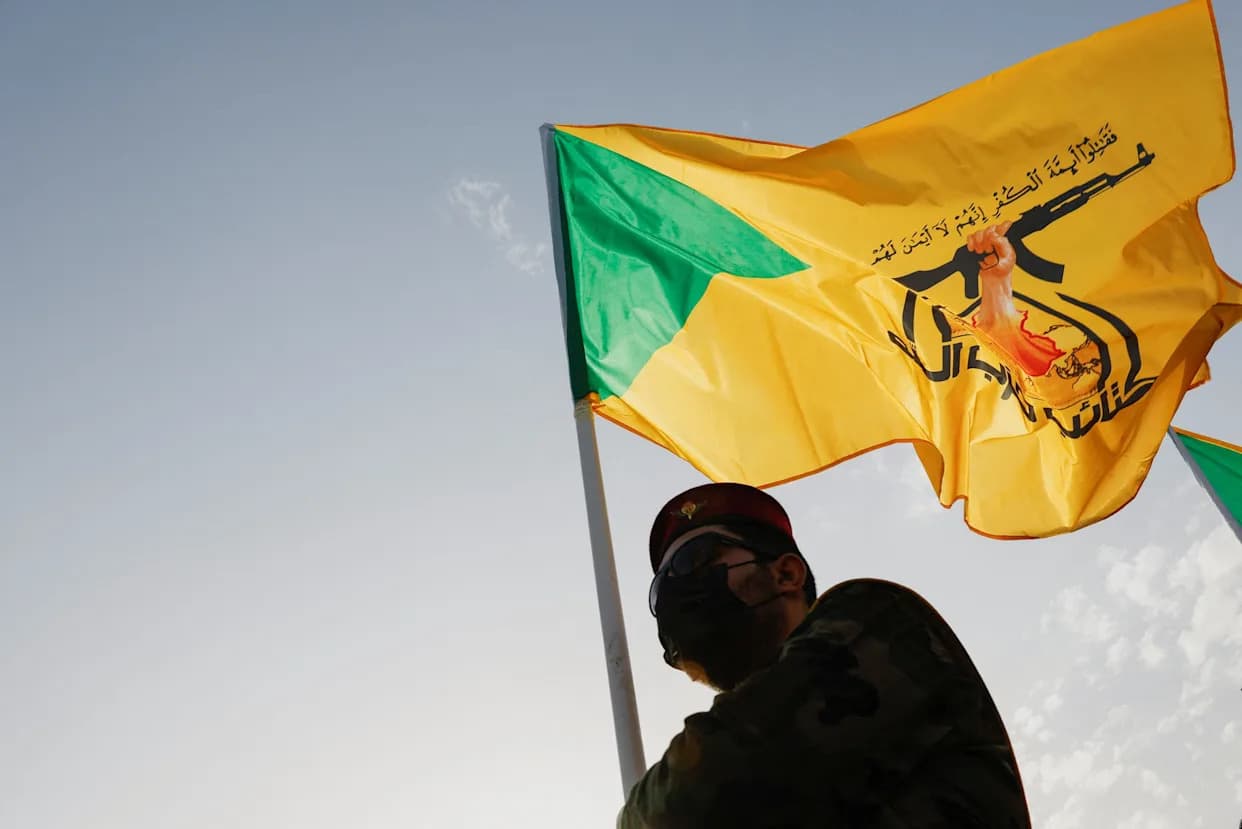
Containment of Iranian influence inside Iraq is difficult. Since the U.S.-led invasion Tehran has successfully placed allies in Baghdad’s political landscape and cultivated armed groups that operate inside Iraqi territory. Several Iran-aligned militias — some already sanctioned by Washington — have publicly vowed to defend Tehran. While they largely remained inactive during the recent Iran-Israel exchanges, reports indicate that at least two groups have opened recruitment and declared readiness to fight if a wider confrontation erupts.
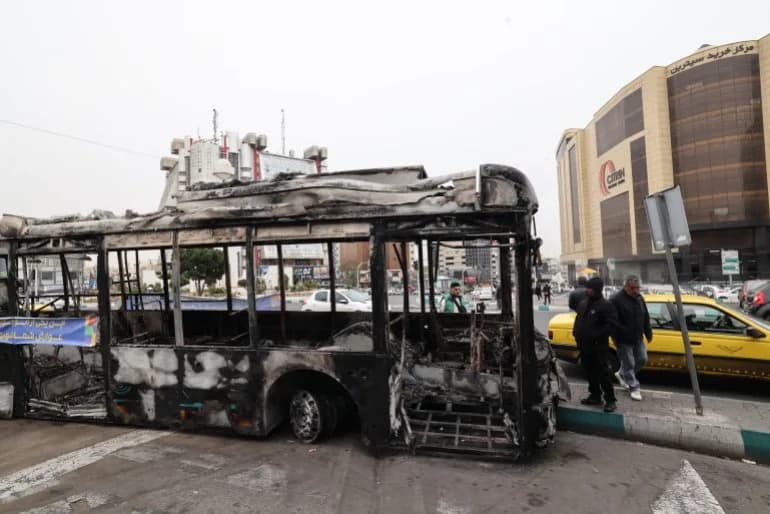
Iraqi analyst Ihsan al-Shamari warned that a U.S. strike on Iran, or other efforts to topple Tehran’s government, could turn Iraq into "a battleground, a base for retaliation, or a tool of military pressure." He added that any major change in Iran’s regime would force Iran-aligned forces in Iraq into "a political and military struggle for survival," with wide-ranging implications for Iraqi politics.
What Comes Next
At this stage, Maliki’s camp says it does not seek confrontation and is pursuing dialogue with Washington. Iraqi leaders continue internal talks to find a compromise that avoids direct rupture with the U.S. while satisfying powerful domestic blocs. The outcome will shape not only Iraq’s government but also its economic stability and security environment.
Bottom line: Iraq is balancing on a knife-edge. The choice over who leads Baghdad will test the country’s sovereignty, expose its economic vulnerabilities, and determine whether Iraq becomes a theater for broader U.S.-Iran tensions or manages a more independent course.
Help us improve.