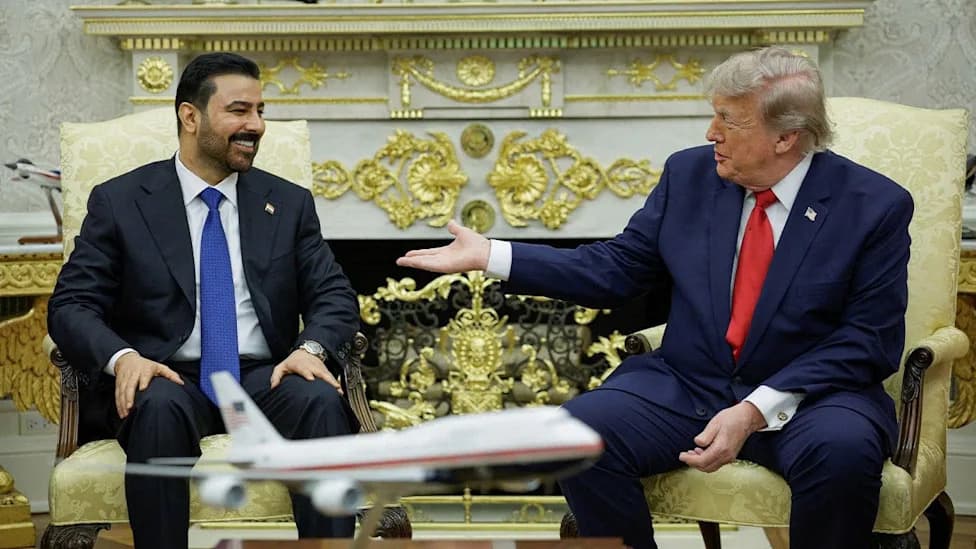
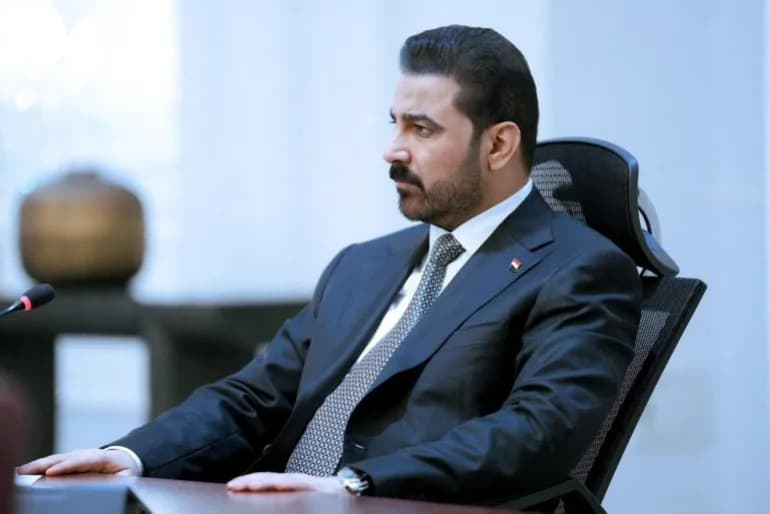
President Trump publicly warned Iraq against reappointing Nouri al‑Maliki as prime minister, arguing his prior leadership left the country in "poverty and total chaos" and threatening that the US could withdraw support if he returns. Al‑Maliki was nominated by the Shia Coordination Framework after Shiite blocs won a parliamentary majority in November’s 329‑seat election. Iraqi President Abdul Latif Rashid welcomed the nomination, while US envoy Mark Savaya urged Iraqi leaders to rein in non‑state armed groups to avoid national fragmentation.
Trump Warns Iraq Against Reappointing Nouri al‑Maliki, Threatens Withdrawal Of U.S. Support
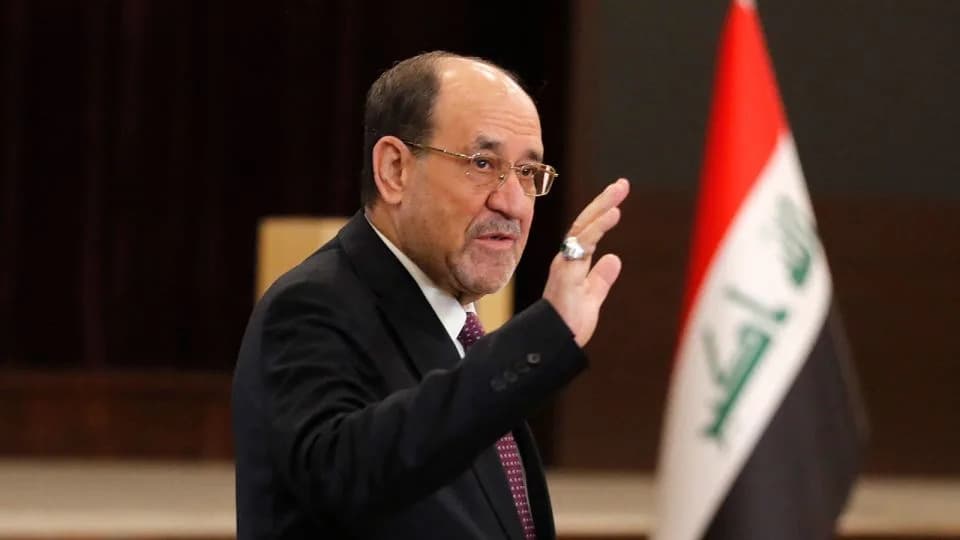
Former Iraqi Prime Minister Nouri al-Maliki leaves after casting his ballot in the parliamentary elections at a polling station in Baghdad on November 11, 2025. - Ahmad Al-Rubaye/AFP/Getty Images/File
US President Donald Trump issued a forceful warning to Iraqi political leaders over the prospect of Nouri al‑Maliki returning as prime minister, saying Iraq "descended into poverty and total chaos" under his previous tenure.
"That should not be allowed to happen again. Because of his insane policies and ideologies, if elected, the United States of America will no longer help Iraq. If we are not there to help, Iraq has ZERO chance of success, prosperity, or freedom. MAKE IRAQ GREAT AGAIN!"
Nouri al‑Maliki, leader of the Islamic Dawa Party, served two consecutive terms as Iraq’s prime minister from 2006 to 2014. His recent nomination came from the Shia Coordination Framework — a bloc that holds a parliamentary majority — which said it chose him for his "political and administrative experience and role in managing the state." CNN has reached out to al‑Maliki's office for comment.
Election Context and Reactions
Iraq held nationwide elections in November for 329 parliamentary seats. Shiite alliances won 187 seats, and Iraq’s president, Abdul Latif Rashid, publicly congratulated al‑Maliki on his nomination, expressing hope that his leadership would bolster political stability, national partnership and development while meeting Iraqis’ demands for security and services.
Al‑Maliki’s Background And Security Challenges
Born in 1950, al‑Maliki joined the Dawa Party in 1968 and fled Iraq in 1979–1980 after receiving a death sentence for opposing Saddam Hussein’s Baathist regime. He returned in 2003 following the US‑led invasion that toppled Saddam, a period that was followed by years of violent insurgency and political upheaval.
During al‑Maliki’s administration, particularly in late 2013 and the first half of 2014, the Islamic State (ISIS) captured several major cities and large areas of territory. That crisis prompted the government to support the formation of Shia‑led paramilitary forces to counter Sunni extremists. The United States has long criticized these non‑state armed groups and repeatedly called for their disarmament.
US Concerns And Diplomatic Signals
In December, Trump’s special envoy to Iraq, Mark Savaya, warned Iraqi politicians to rein in non‑state armed groups, cautioning that failure to do so could hasten "fragmentation and decline" more than two decades after Saddam Hussein’s removal. Savaya emphasized that decisions made by Iraqi leaders in the coming period "will determine whether Iraq advances toward sovereignty and strength or slips back into fragmentation and decline."
This episode highlights both the geopolitical stakes of Iraq’s leadership contest and the tense public rhetoric between Washington and Baghdad as Iraqi factions negotiate a path forward.
Help us improve.