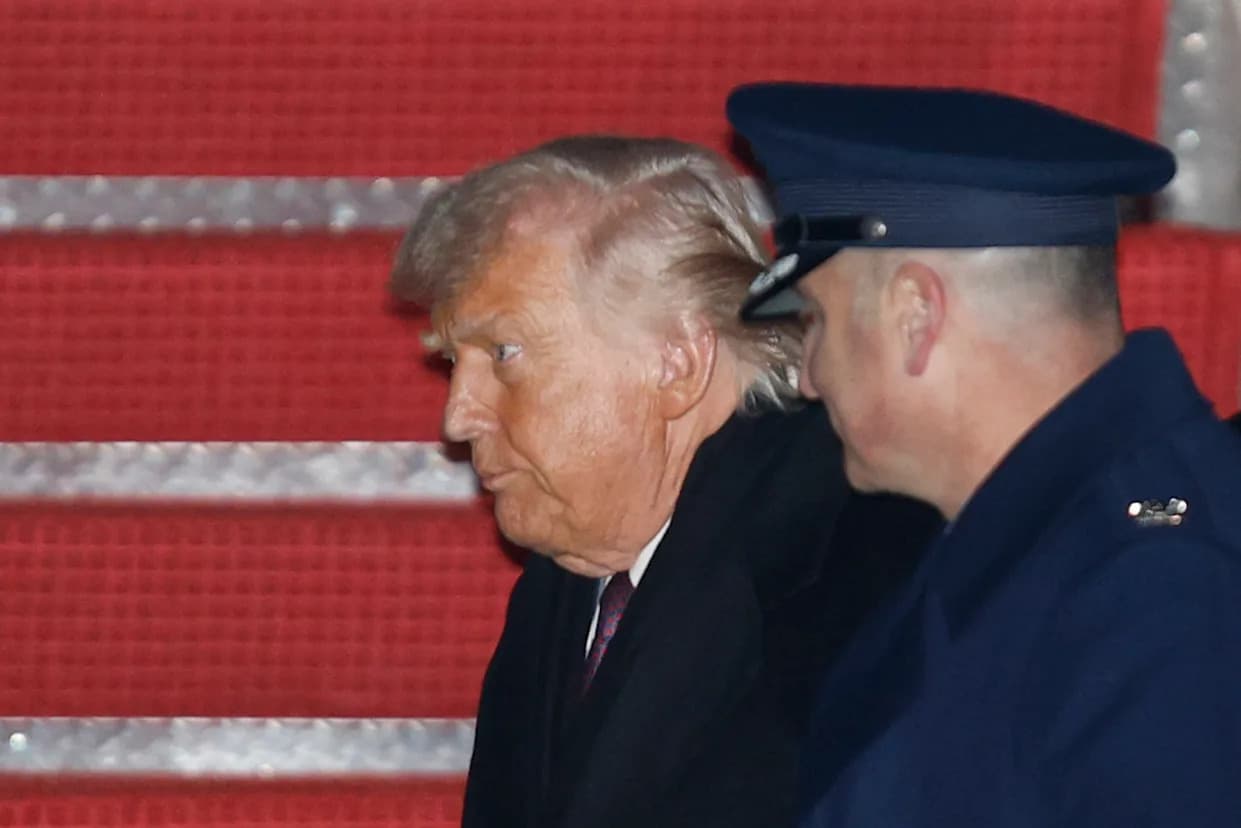
U.S. Senator Marco Rubio urged Iraqi Prime Minister Mohammed Shia al-Sudani to resist Iranian influence as Baghdad began receiving ISIL-linked detainees transferred from Syria. The U.S. military moved the first 150 detainees from Hasakah to Iraq, with plans to transfer up to 7,000 — a shift away from long-standing U.S. reliance on the SDF. Rubio warned that an Iran-aligned government in Baghdad would undermine Iraq’s interests and its partnership with the United States. Tensions are rising regionally as the U.S. repositions naval and military assets near the Gulf.
Rubio Urges Iraq To Resist Iranian Influence As US Moves ISIL Detainees From Syria
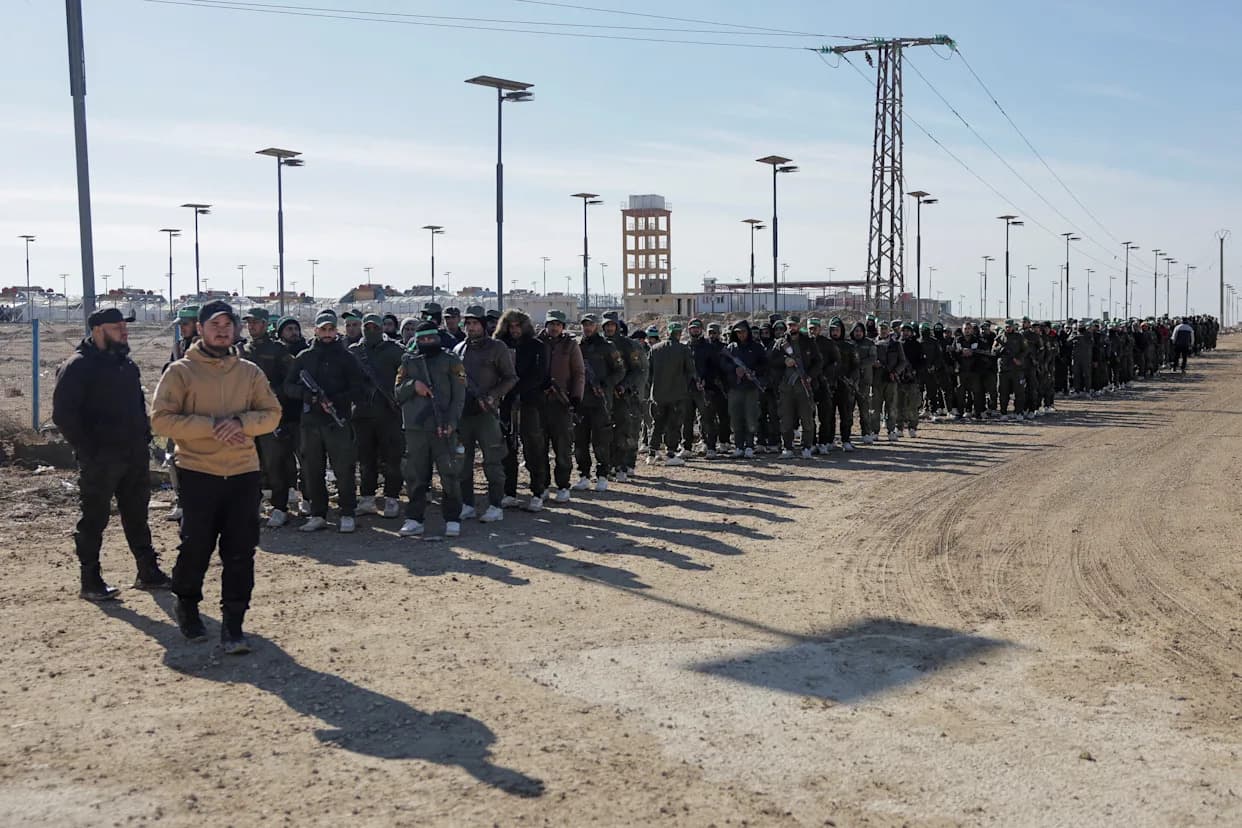
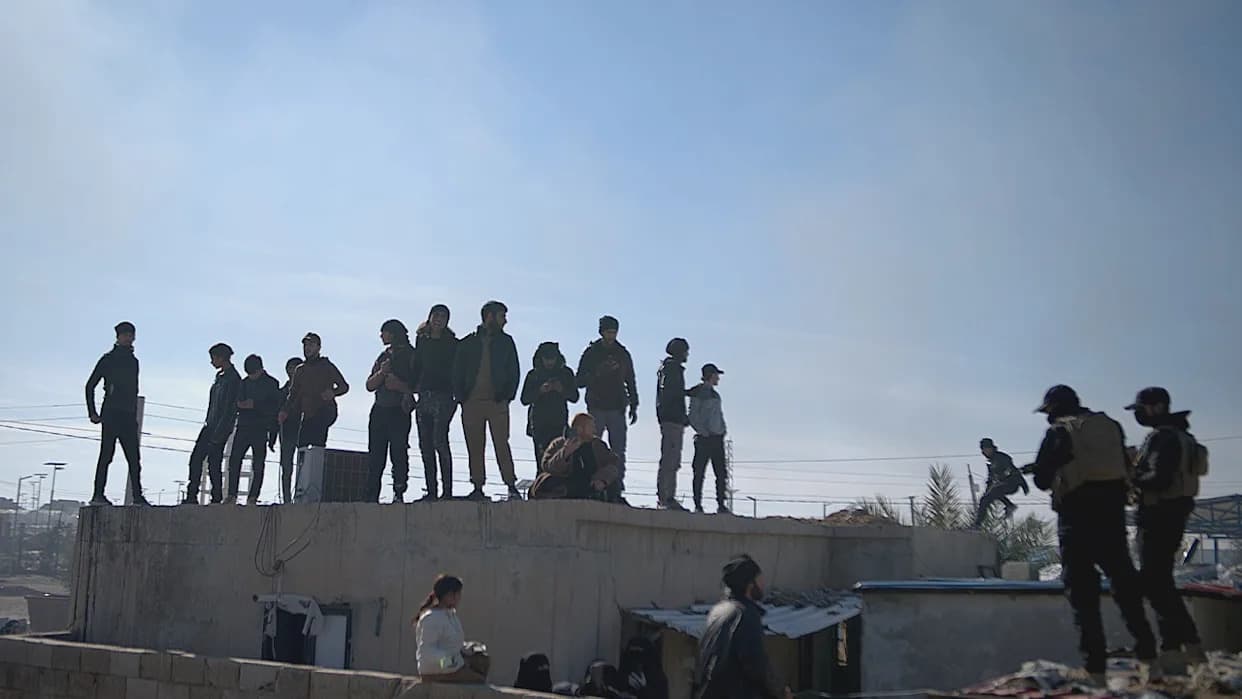
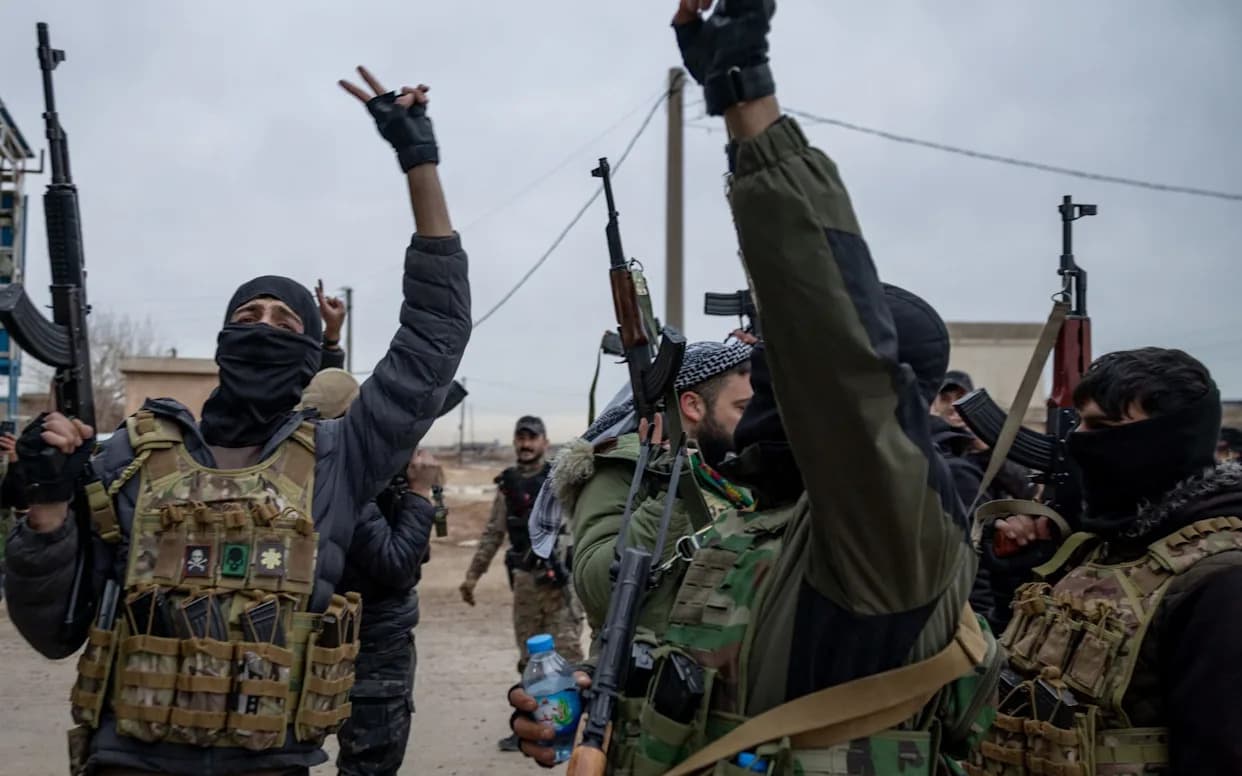
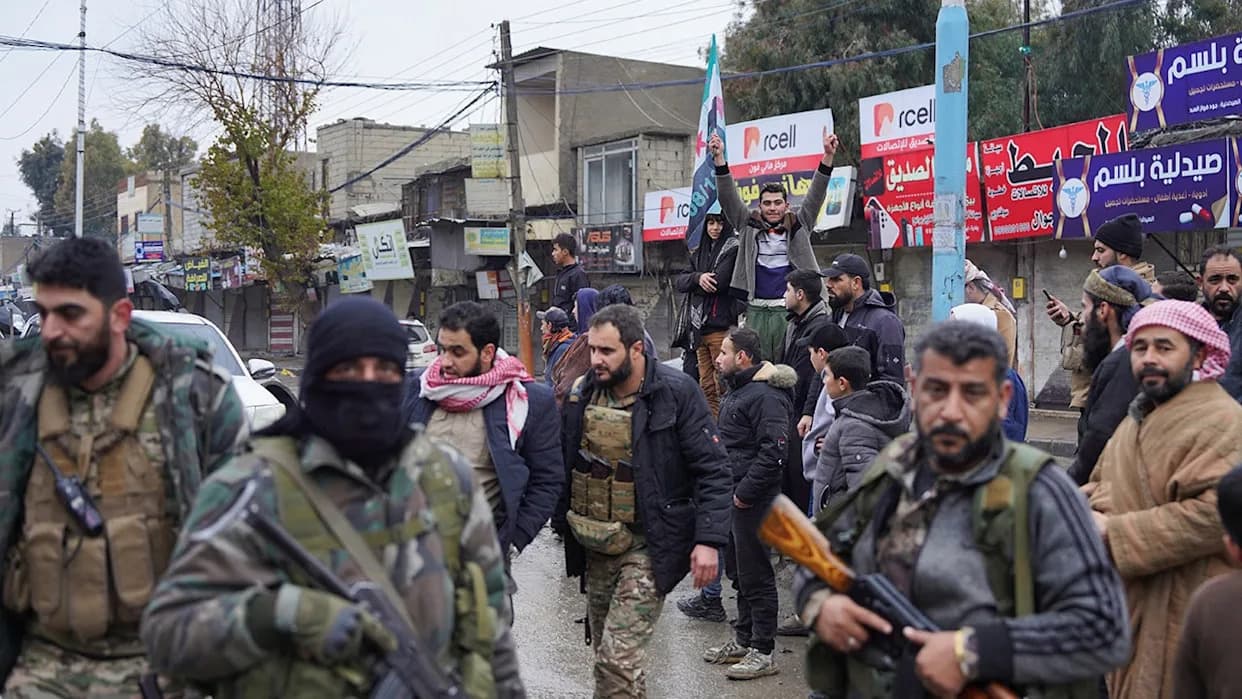
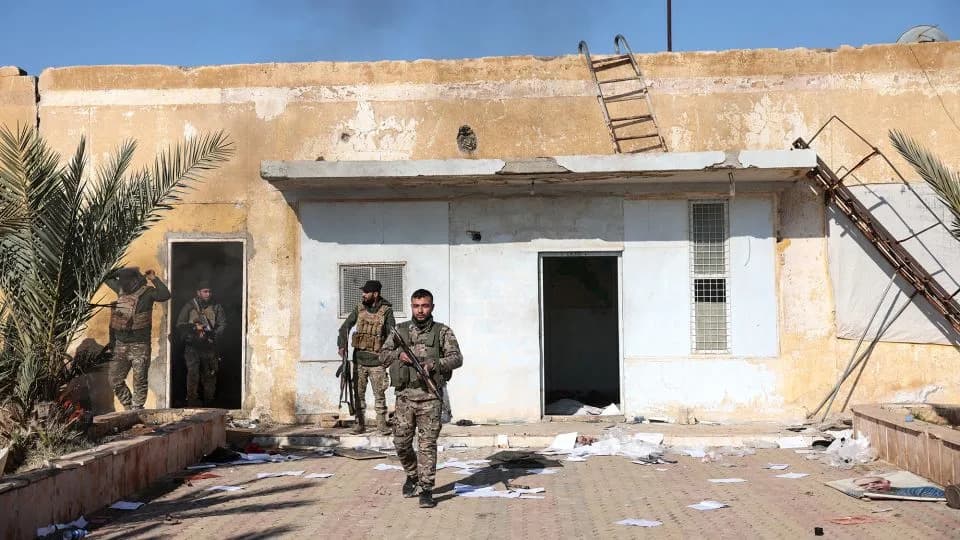
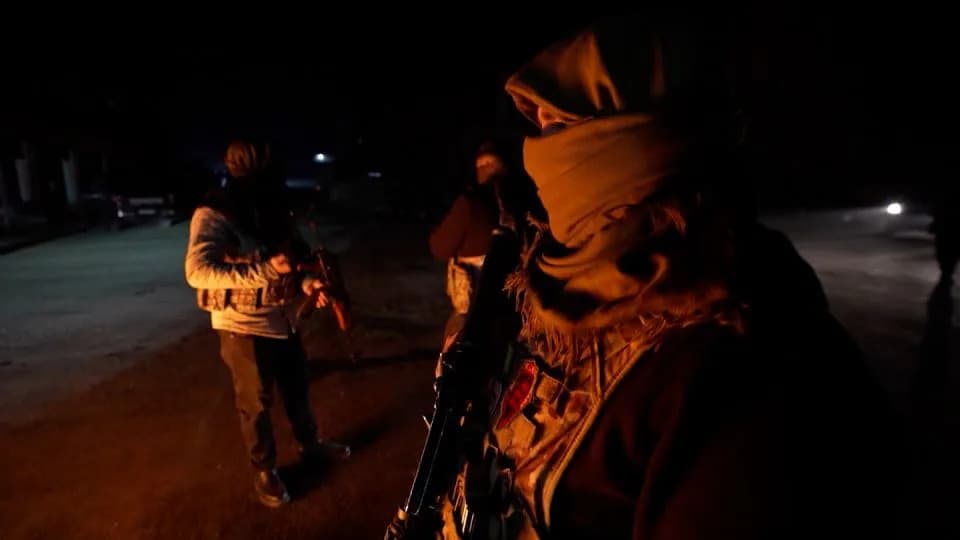
Members of Syrian security forces gather after taking control of al-Hol camp, housing ISIL fighters, following the withdrawal of Syrian Democratic Forces, in Hasakah, Syria, January 21, 2026 [Khalil Ashawi/Reuters]
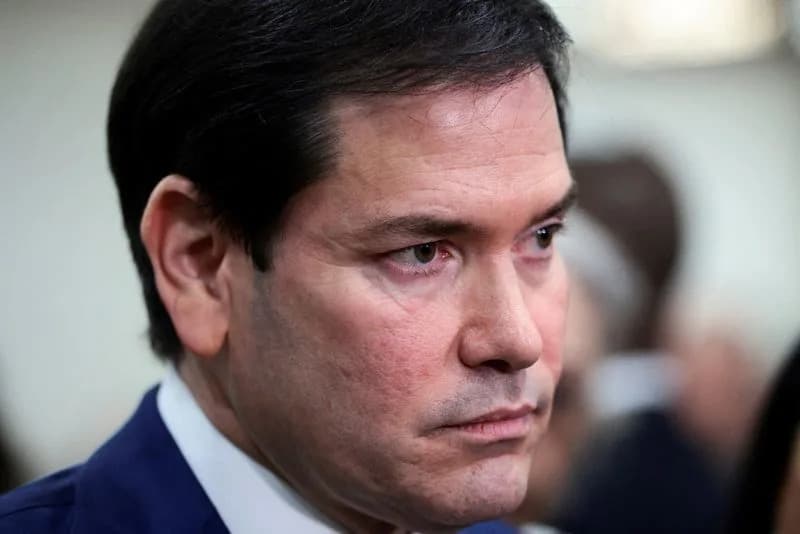
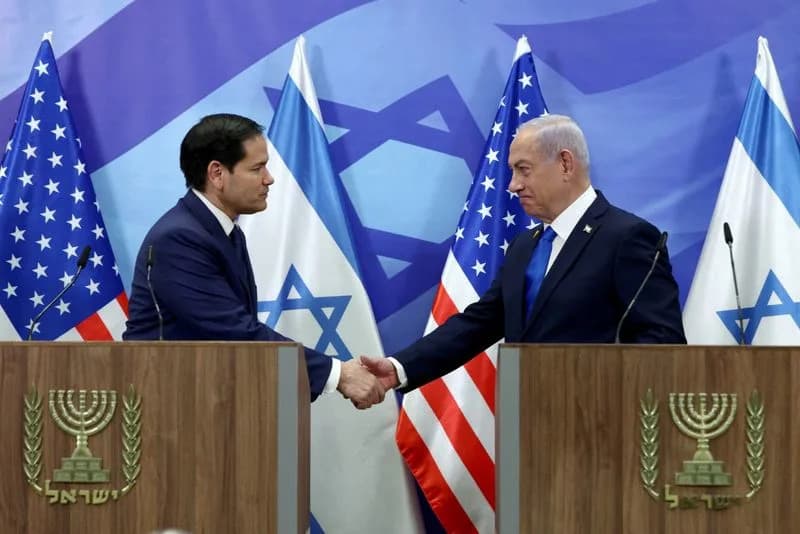
U.S. Senator Marco Rubio spoke with Iraqi Prime Minister Mohammed Shia al-Sudani after Baghdad began receiving ISIL-linked detainees transferred from Syria, urging Iraqi leaders to preserve independence from Iran amid rising regional tensions between Washington and Tehran.
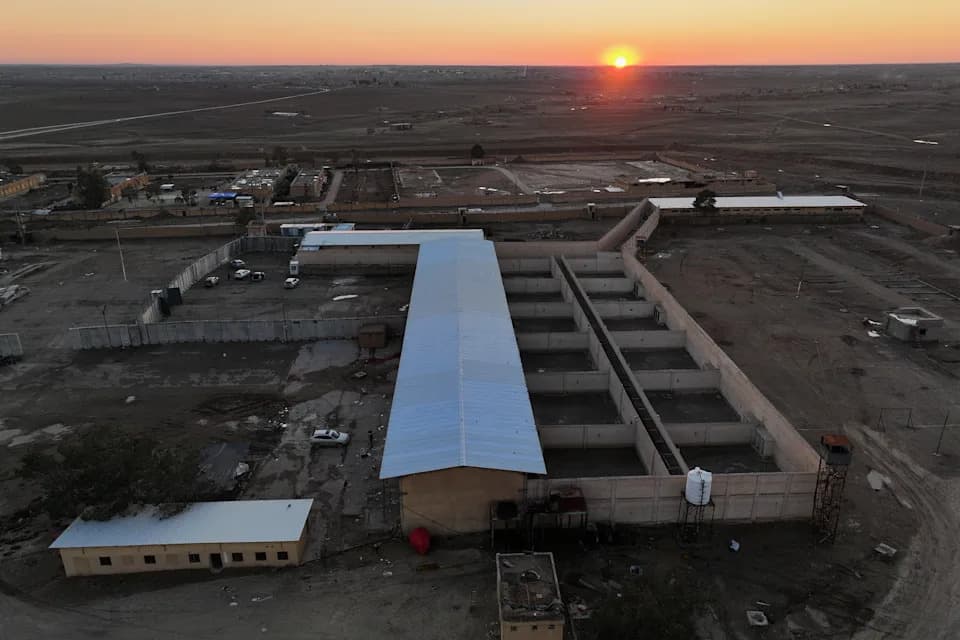
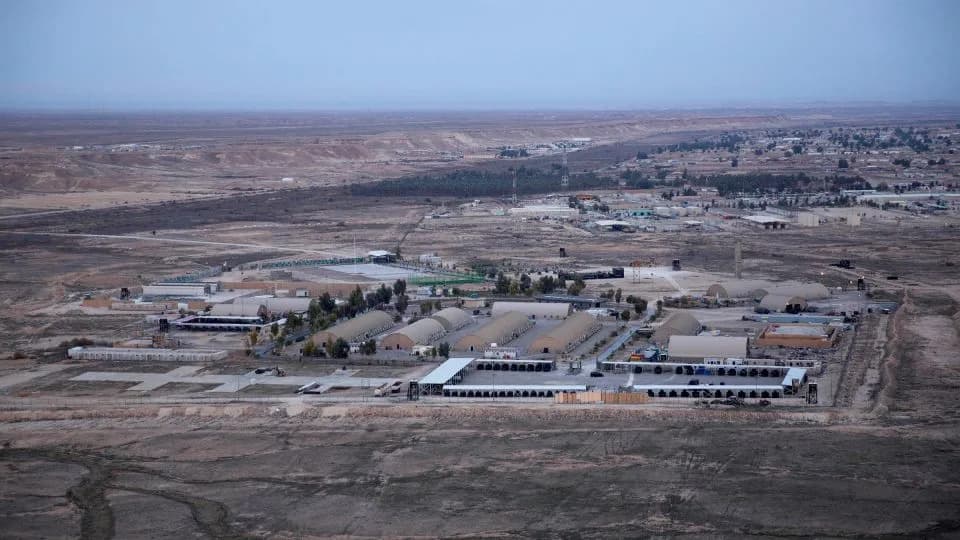
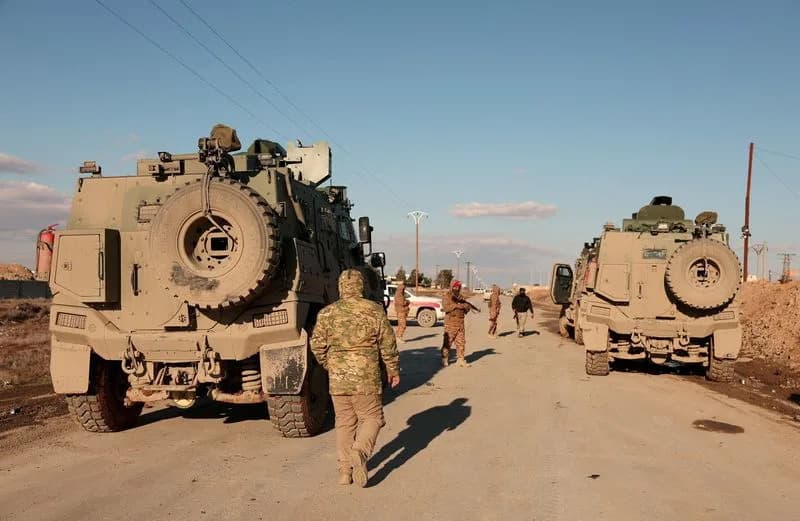
According to a State Department statement, Rubio "commended the Government of Iraq’s initiative and leadership in expediting the transfer and detention of ISIS terrorists." The call came as the U.S. military moved the first 150 detainees from a detention facility in Hasakah, Syria, to a secure site inside Iraq; officials say plans could include relocating as many as 7,000 people.
A Strategic Shift
The transfers mark a notable shift in how U.S. policy handles ISIL detainees — moving away from a decade-plus partnership with the Kurdish-led Syrian Democratic Forces (SDF), who were trained and armed by the United States, and toward greater coordination with Baghdad and, implicitly, elements of the Syrian state now regaining territory.
Political Context In Baghdad
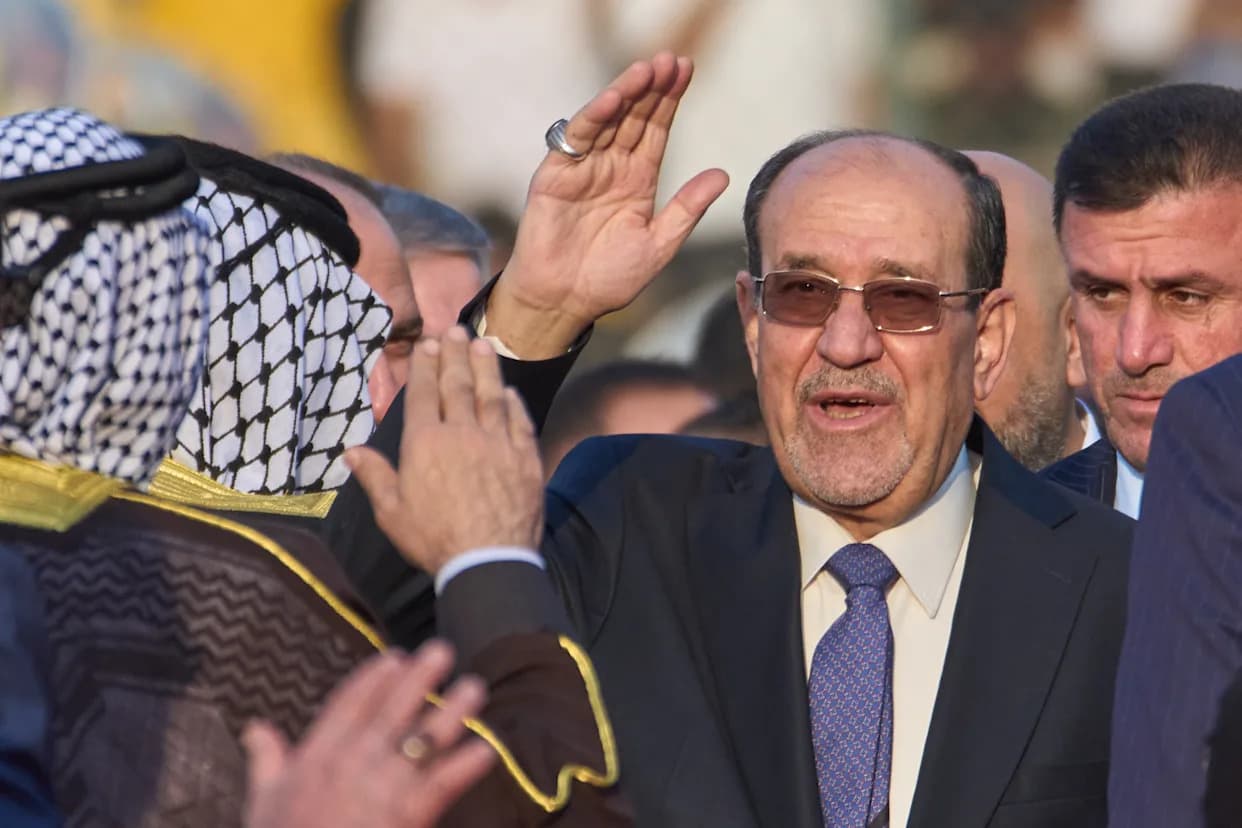
The call took place as Iraqi politics remain unsettled and the possible return of Nouri al-Maliki as prime minister has been reported. Al-Maliki first assumed the premiership in 2006 with U.S. support but later faced criticism — including from Washington — over sectarian policies that some analysts say contributed to political fragmentation in Iraq.
"Iraq can fully realise its potential as a force for stability, prosperity, and security in the Middle East," Rubio said, while warning that an Iraq aligned closely with Iran would struggle to prioritize its own national interests or sustain a balanced partnership with the United States.
Regional Tensions And Military Posturing
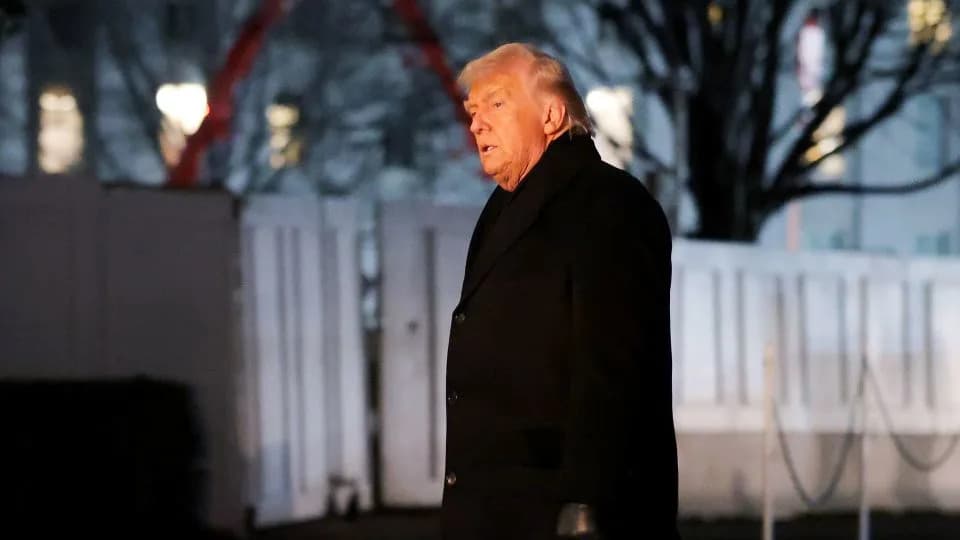
Separately, the U.S. has been repositioning military assets in the Middle East. President Donald Trump said an "armada" of warships was heading toward the Gulf as tensions with Iran intensified. Those comments came amid a period of high rhetoric between Washington and Tehran following unrest inside Iran and reciprocal threats of retaliation.
Media reports and official statements have amplified concerns about escalation in the region; some claims about specific strikes or operations remain contested and unverified in public sources.
Historical Note
The article recalls the U.S. invasion of Iraq in 2003 and the subsequent period of instability that helped create space for extremist groups such as al-Qaeda and later ISIL. U.S. combat forces completed their major withdrawal from Iraq in 2011.
Help us improve.