The U.S. has held custody of much of Iraq’s oil-dollar proceeds since 2003 via an account at the Federal Reserve Bank of New York, a legacy of the Development Fund for Iraq. Because oil revenues make up about 90% of Iraq’s budget, that custody gives Washington significant leverage over Baghdad’s finances and politics. Iraqi officials say the arrangement has helped stabilize finances and protect revenues, but it also contributed to a parallel black-market dollar system. Under U.S. pressure over alleged dollar flows to Iran, Iraq ended its formal dollar-auction system at the start of 2025.
How the U.S. Controls Iraq’s Oil Dollars — And Why It Matters
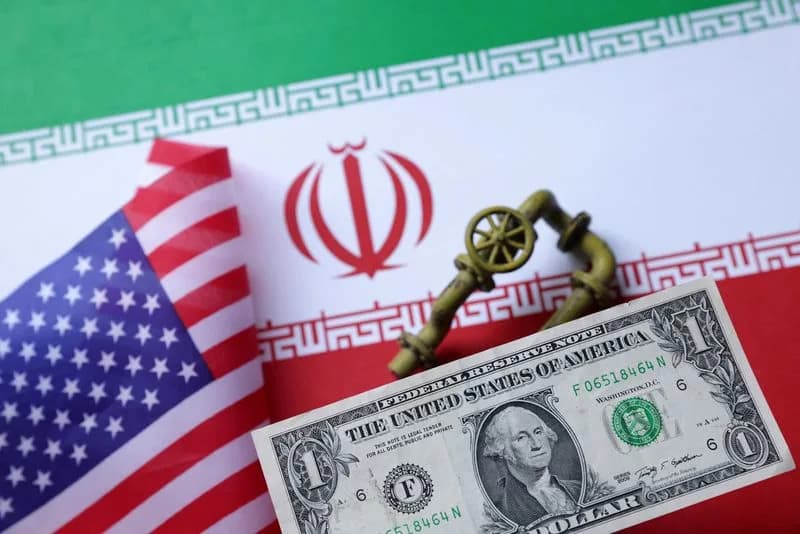
A model of a natural gas pipeline, U.S. and Iran flags and a one dollar banknote are seen in this illustration taken June 18, 2025. REUTERS/Dado Ruvic/Illustration
By Yousef Saba and Ahmed Rasheed
DUBAI, Jan 23 (Reuters) - Since the 2003 invasion of Iraq, the United States has retained practical control over many of the dollars generated by Iraq’s oil sales. That custody, centered on an account at the Federal Reserve Bank of New York, has given Washington sustained leverage over Baghdad and carries significant regional implications, especially for relations with Iran.
How Does the U.S. Control Iraq’s Oil Revenues?
The arrangement dates to the Coalition Provisional Authority (CPA) set up after the 2003 invasion, which created the Development Fund for Iraq (DFI) and placed it at the New York Fed. The fund was intended to collect oil export receipts for reconstruction and to shield those proceeds from claims linked to Saddam Hussein’s regime. An executive order signed by President George W. Bush established the mechanism; subsequent administrations have maintained the arrangement. Over time the DFI was converted into an account of the Central Bank of Iraq (CBI) at the New York Federal Reserve, where much of Iraq’s dollar oil income remains held.
What Leverage Does This Give Washington?
Oil receipts account for roughly 90% of Iraq’s government revenue, so control over dollar flows translates into meaningful influence on Baghdad’s economic stability and policymaking. According to reporting, when Iraq requested the withdrawal of U.S. troops in 2020, U.S. officials warned they could limit Baghdad’s access to funds at the New York Fed — a pressure that helped shape the outcome. While Iraqi authorities have gradually reclaimed more control over financial affairs, the custody of oil dollars at the New York Fed remains a potent source of U.S. leverage.
Why Has the Arrangement Endured?
Senior Iraqi officials told Reuters the arrangement helped anchor financial stability after years of conflict. Holding dollars at a major U.S. institution can provide international confidence in the management of oil income, ensure reliable access to U.S. currency for imports and trade, and protect funds from creditor claims and legal actions. Officials also say the mechanism has supported exchange-rate stability and offered a tool to resist pressure from actors — including Iran-aligned groups — that favor fewer restrictions on dollar access. The U.S. has also used sanctions on Iraqi banks and individuals it accused of facilitating money flows to Iran.
How Has the System Affected Iraq’s Economy?
Tight controls on official dollar supply contributed to the growth of a parallel, informal dollar market in Iraq. That created a gap between the official exchange rate set by the central bank and black-market rates — a premium reflecting the risk and limits of operating outside formal channels. Separately, U.S. policy toward Iran has at times put Iraq in a difficult position, as Tehran has used Iraqi trade and financial routes for economic and political leverage.
What Is the Current Status?
As of the latest reporting, Iraqi oil dollars remain in custody at the Federal Reserve Bank of New York. The Central Bank of Iraq historically used a dollar-auction system — the foreign currency window — for supplying dollars to banks and exchange houses. Under substantial U.S. pressure tied to concerns about alleged dollar diversions to sanctioned entities, particularly Iran, Iraq formally ended that auction system at the start of 2025 as part of broader efforts to tighten controls.
Bottom line: The custody of Iraq’s oil dollars at the New York Fed has provided a longstanding channel of financial stability and international confidence — but it also gives Washington leverage that has shaped Iraqi politics, exchange-rate dynamics and regional relationships, especially with Iran.
Help us improve.