Iraq’s parliament has postponed the presidential vote to give the KDP and PUK more time to agree on a single Kurdish nominee after the KDP put forward Foreign Minister Fuad Hussein. Any Kurdish nominee must still gain approval from Shia and Sunni blocs in parliament. The new president will have 15 days to appoint a prime minister, with former premier Nouri al-Maliki widely expected to be the choice. The Coordination Framework endorsed al-Maliki despite reported concerns from US officials, who warned they would act to protect American interests.
Iraq Postpones Presidential Vote as Kurdish Parties Seek a Unified Nominee
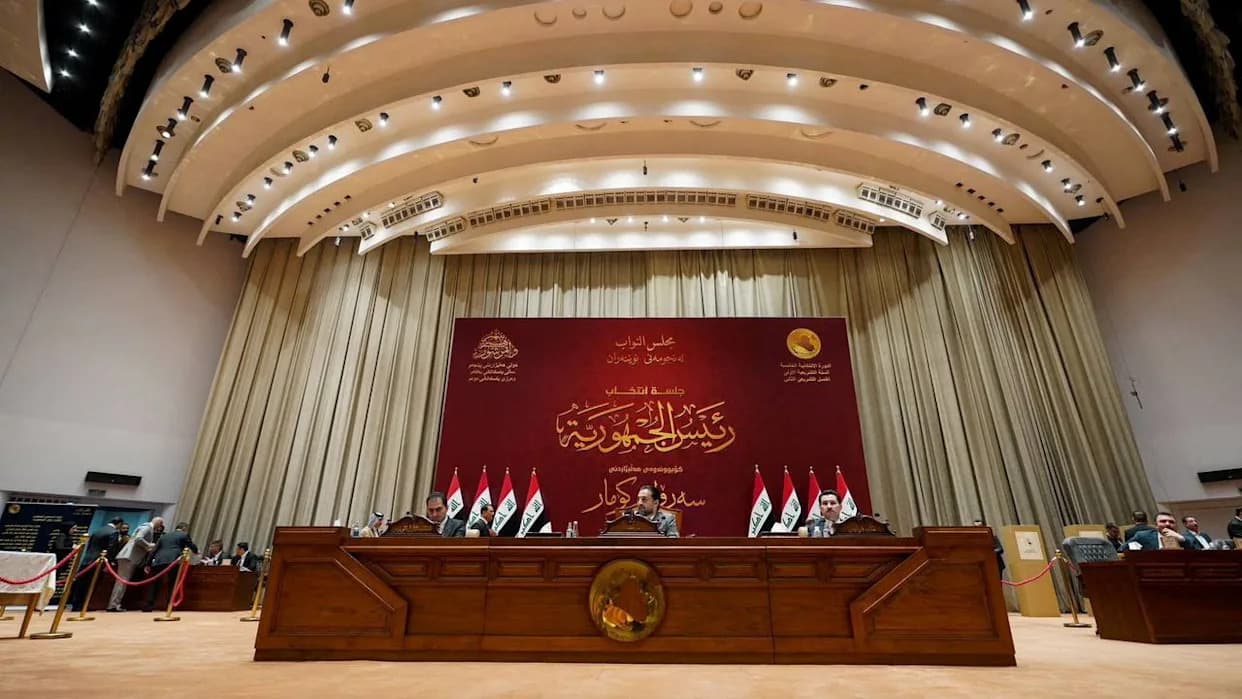
Iraqi lawmakers attend a parliamentary session to vote for a new president [File: Media Office/Handout via Reuters]
Iraq’s parliament has postponed the scheduled vote to elect the country’s next president to allow additional consultations between the two main Kurdish parties, the Kurdistan Democratic Party (KDP) and the Patriotic Union of Kurdistan (PUK), as they work to agree on a single nominee.
The Iraqi News Agency (INA) reported that the ballot, originally set for Tuesday, was delayed at the joint request of the KDP and PUK. The delay underscores ongoing negotiations within the Kurdish political bloc over who will fill the largely ceremonial presidency.
Why the Kurdish Agreement Matters
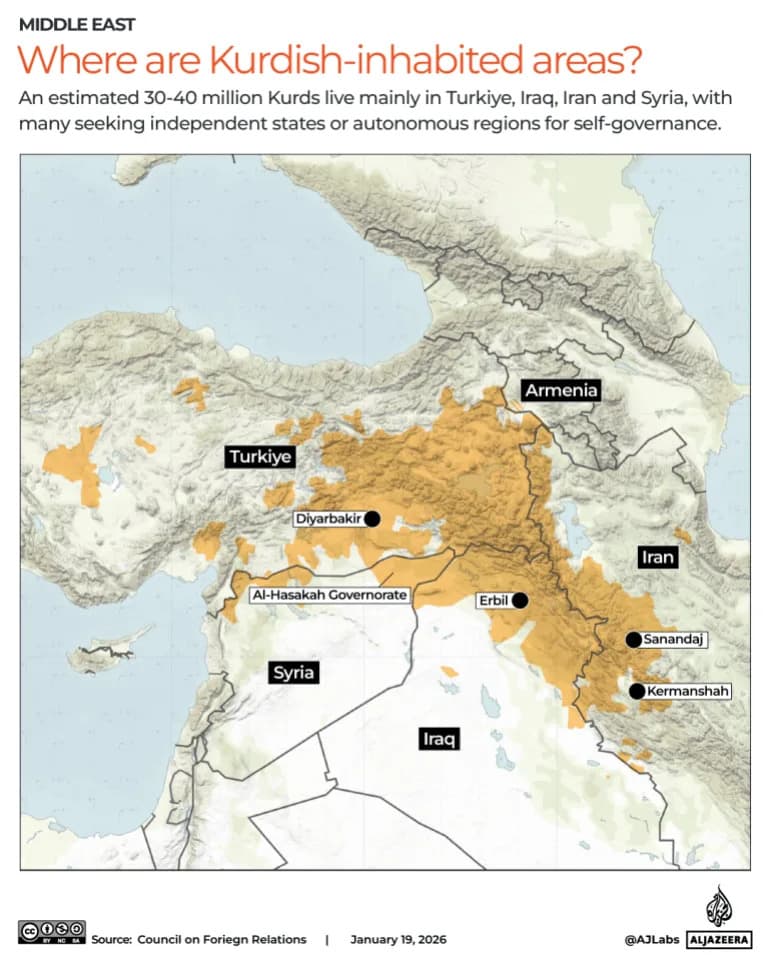
Under Iraq’s sectarian quota system, top posts are distributed by communal affiliation: the prime minister is expected to be a Shia Muslim, the parliament’s speaker a Sunni Muslim, and the presidency a Kurd. Traditionally, the Kurdish parties arrange internally so that the PUK supplies the national presidency while the KDP provides the regional presidency and leadership in the Kurdistan Region.
On this occasion, however, the KDP announced its own candidate for the presidency: Foreign Minister Fuad Hussein. Al Jazeera’s Mahmoud Abdelwahed, reporting from Baghdad, noted that any Kurdish nominee must still win approval from the Shia and Sunni blocs within the national parliament.
What Comes Next
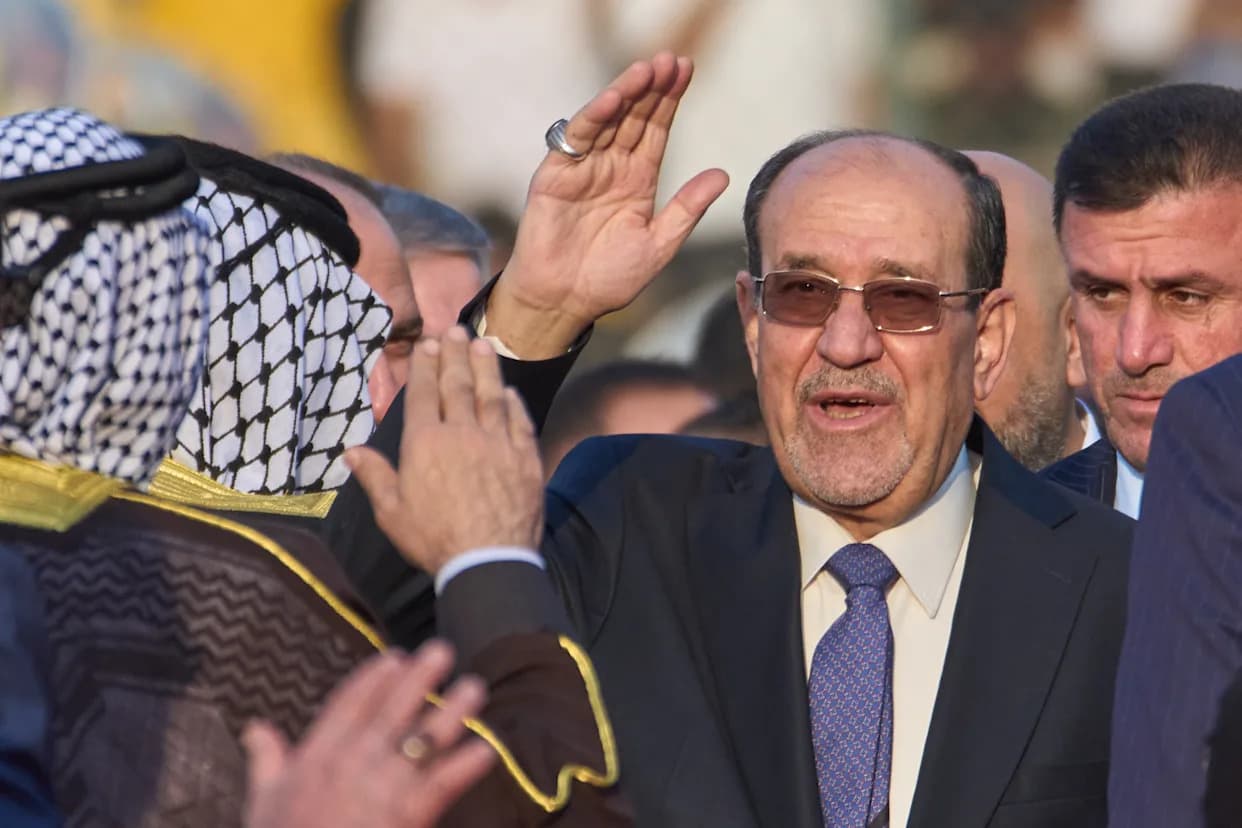
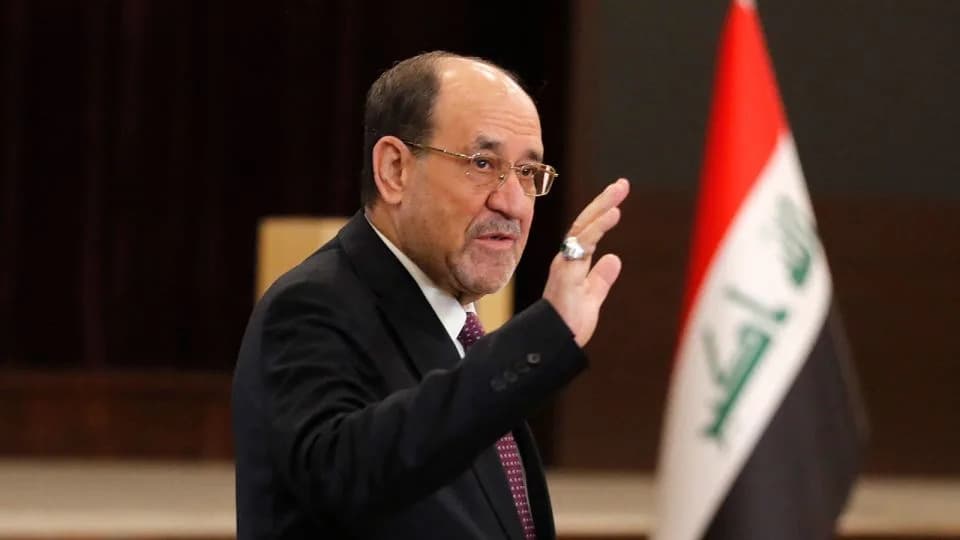
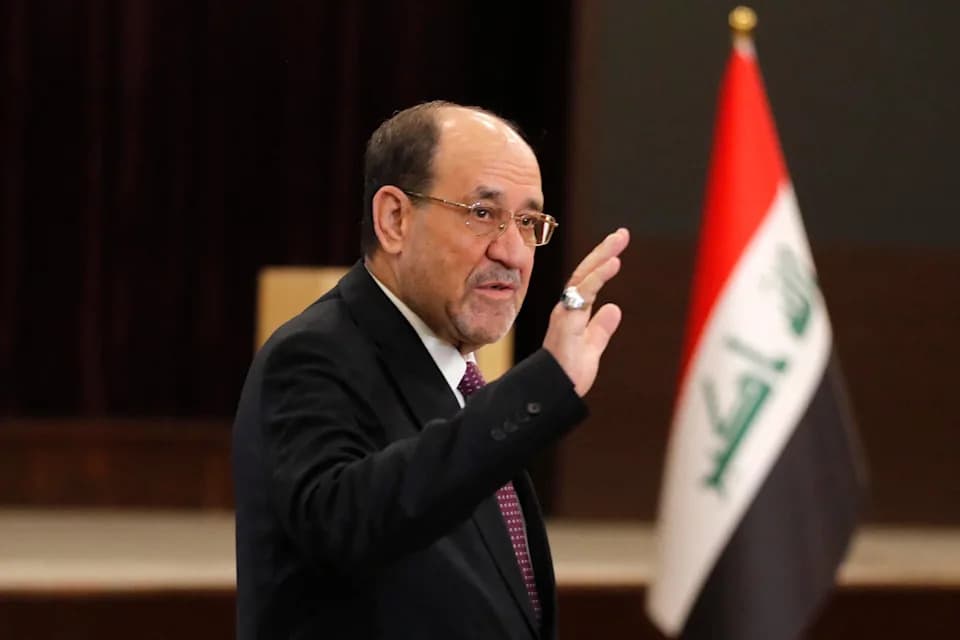
Once elected, the new president will have 15 days to appoint a prime minister. Political observers say the most likely nominee is former prime minister Nouri al-Maliki, who served two terms from 2006 to 2014 and remains an influential figure in Iraqi politics.
The Coordination Framework, a coalition of Shia parties that holds a parliamentary majority, formally endorsed al-Maliki. That endorsement came amid concerns from some in Washington about the prospect of a government seen as aligned with Iran.
“Washington conveyed that it holds a negative view of previous governments led by former Prime Minister Maliki,” an Iraqi source close to the Coordination Framework told AFP.
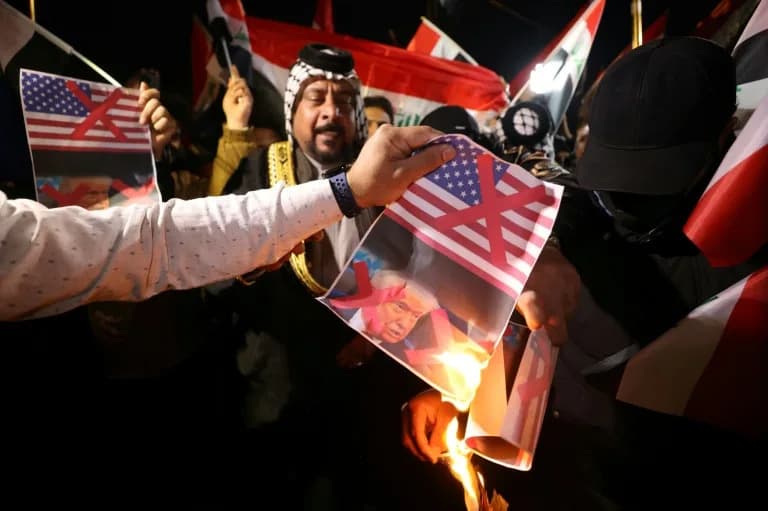
According to two Iraqi sources, US representatives sent a letter saying that while the selection of Iraq’s prime minister is an Iraqi decision, “the United States will make its own sovereign decisions regarding the next government in line with American interests.” Another source said the Shia alliance proceeded nonetheless, believing al-Maliki could mitigate Washington’s concerns.
Regional Context
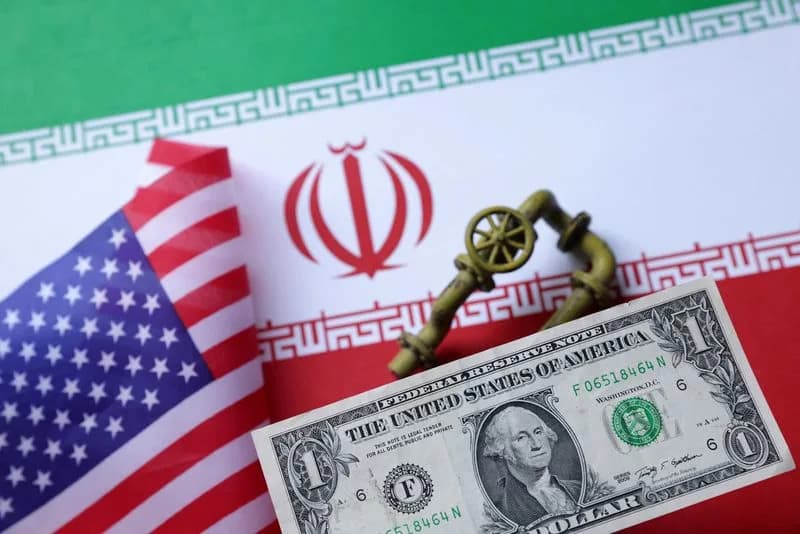
Iraq continues to be an arena of competition between the United States and Iran, with successive Baghdad administrations navigating a delicate balance between the two powers. The delayed presidential vote highlights both intra-Kurdish political dynamics and broader regional stakes as Baghdad prepares to form a new government.
Sources: Iraqi News Agency (INA), Al Jazeera reporting, AFP.
Help us improve.