Nouri al‑Maliki was nominated by the Coordination Framework as its candidate for prime minister after caretaker PM Mohammed Shia al‑Sudani withdrew his bid. Under Iraq’s constitution, parliament must elect a president who will then appoint the prime minister to form a government. Al‑Maliki’s controversial record — including a failed third‑term bid and accusations of concentrating power — has split Sunni parties. The incoming government will confront pressure from the U.S. and Iran, the challenge of powerful militias, and the transfer of roughly 9,000 IS detainees to Iraq.
Coordination Framework Nominates Nouri al‑Maliki as Prime Minister Candidate, Sparking Sunni Split
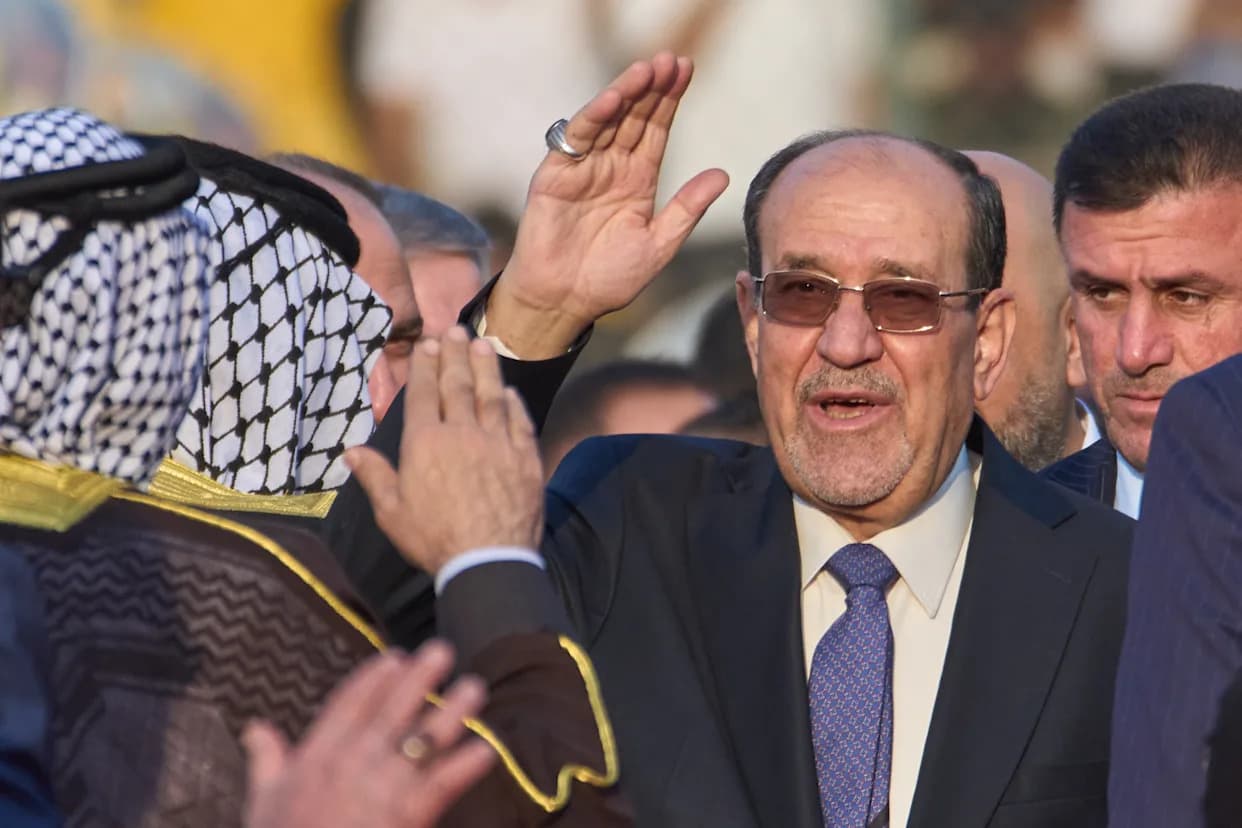
FILE - Former Iraqi Prime Minister Nouri al-Maliki arrives to his political block campaign rally before the parliamentary elections in Baghdad, Iraq, Friday, Nov. 7, 2025. (AP Photo/Hadi Mizban, File)(ASSOCIATED PRESS)
Iraq’s dominant Shiite coalition, the Coordination Framework, announced Saturday that it has nominated former prime minister Nouri al‑Maliki as its candidate for prime minister.
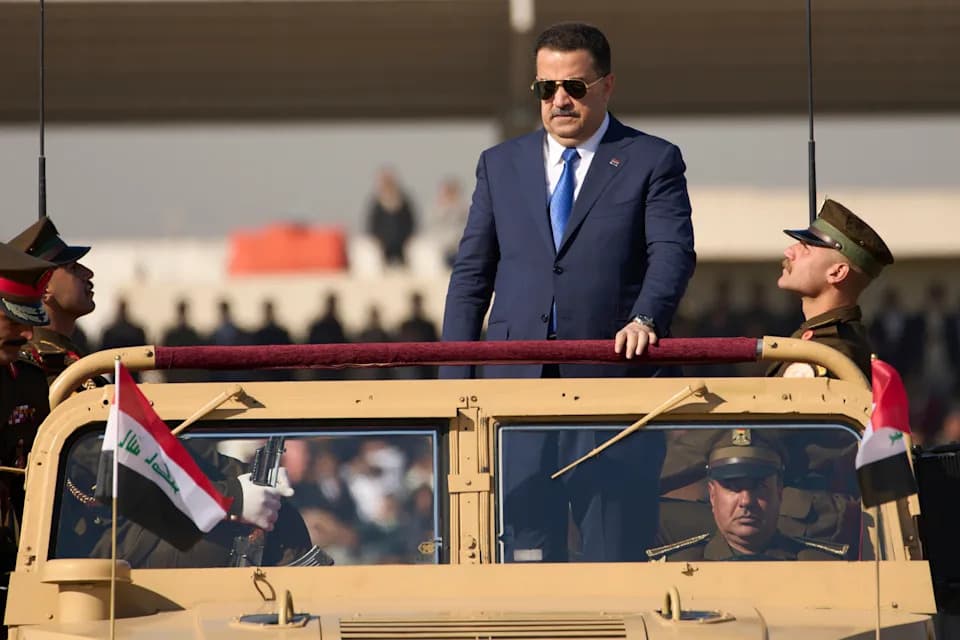
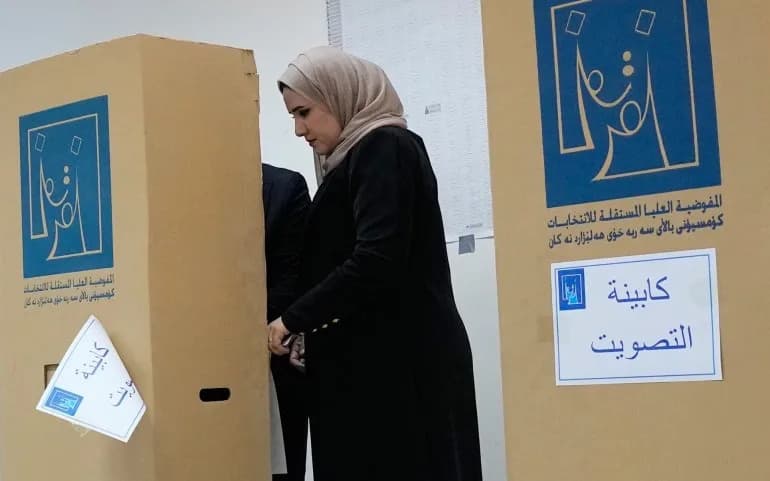
The decision followed the recent withdrawal of caretaker Prime Minister Mohammed Shia al‑Sudani — whose bloc won the largest share of seats in November’s parliamentary elections — clearing the way for al‑Maliki after the two men competed for the bloc’s backing.
Under Iraq’s constitution, parliament first elects a president, who then appoints a prime minister tasked with forming a new government. The Coordination Framework has urged parliament to convene to elect the president and advance the government‑formation process.
The bloc cited al‑Maliki’s political and administrative experience as justification for its choice. Al‑Maliki, who first became prime minister in 2006, is the only Iraqi leader to complete a second term since the 2003 U.S.‑led invasion. His earlier bid for a third term collapsed amid accusations that he concentrated power and alienated Sunni and Kurdish communities — a history that makes his nomination controversial.
Reactions among Sunni parties are split. Iraq’s National Political Council, a coalition of Sunni groups, warned the Coordination Framework against recycling figures whose past records they say failed to restore stability and public trust. By contrast, the influential Sunni Azm Alliance publicly endorsed al‑Maliki, underscoring divisions within the Sunni camp and reflecting broader political fragmentation.
Regional Pressures and Security Challenges
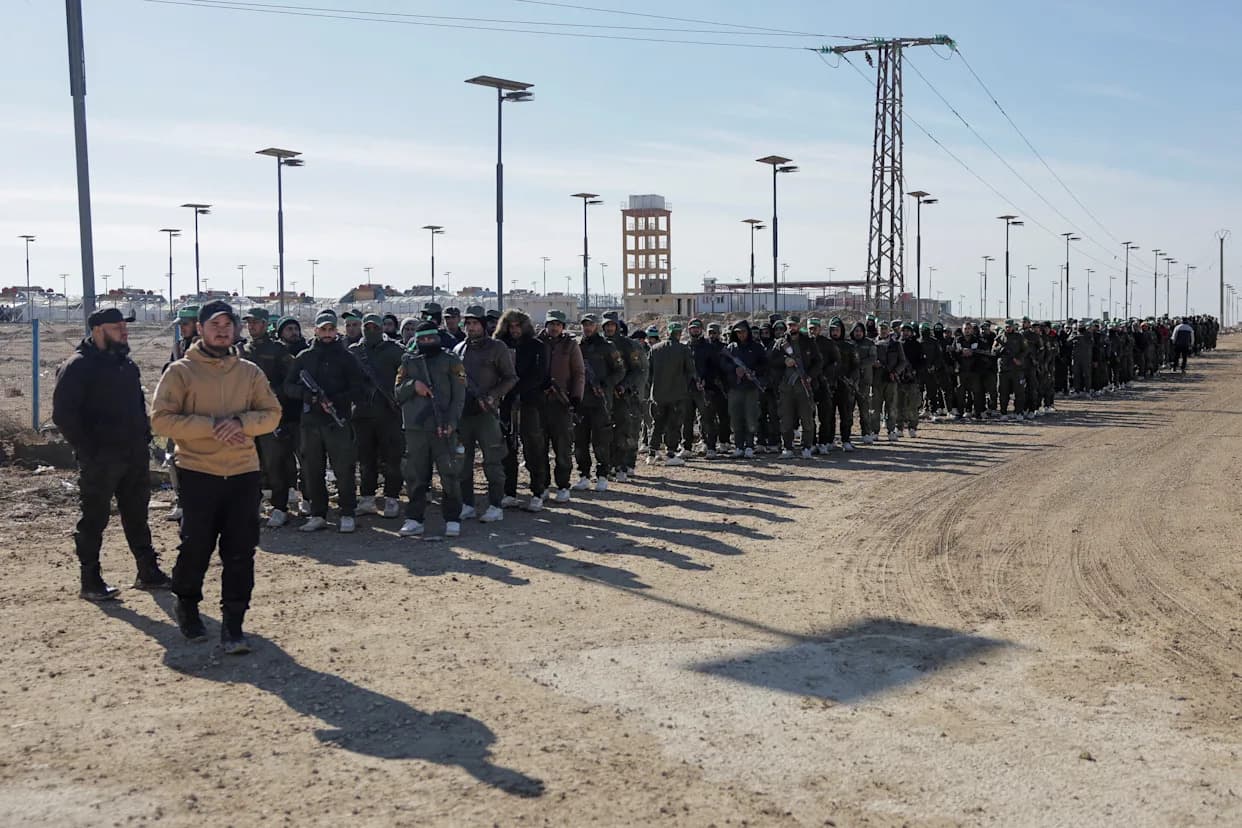
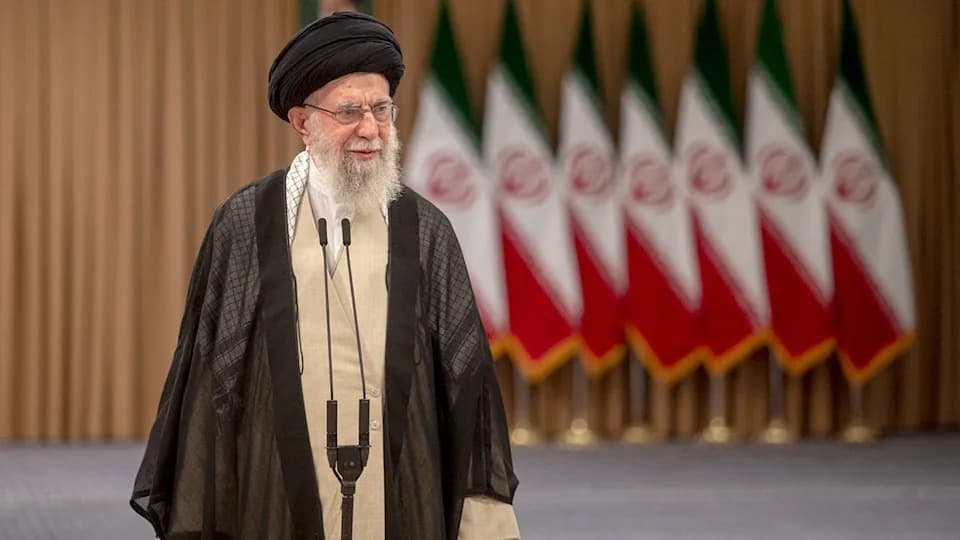
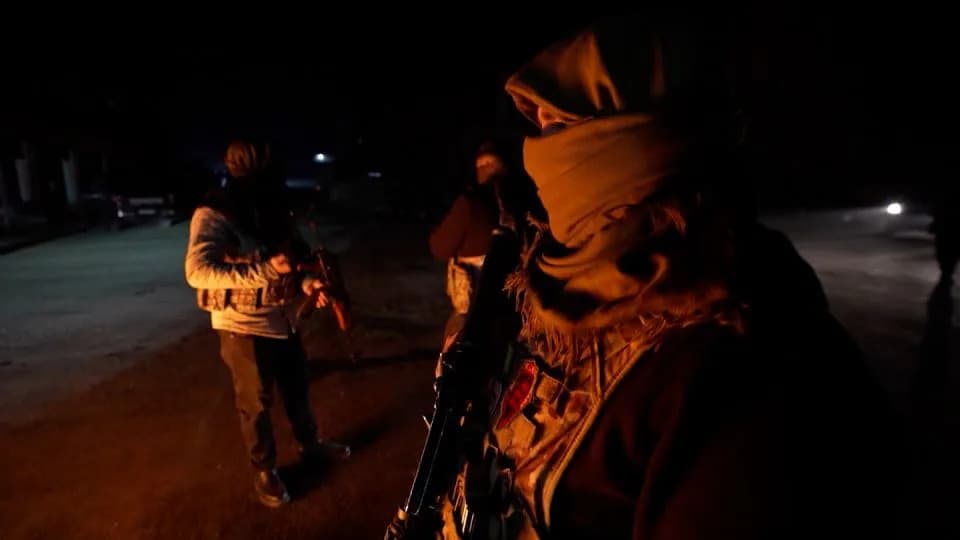
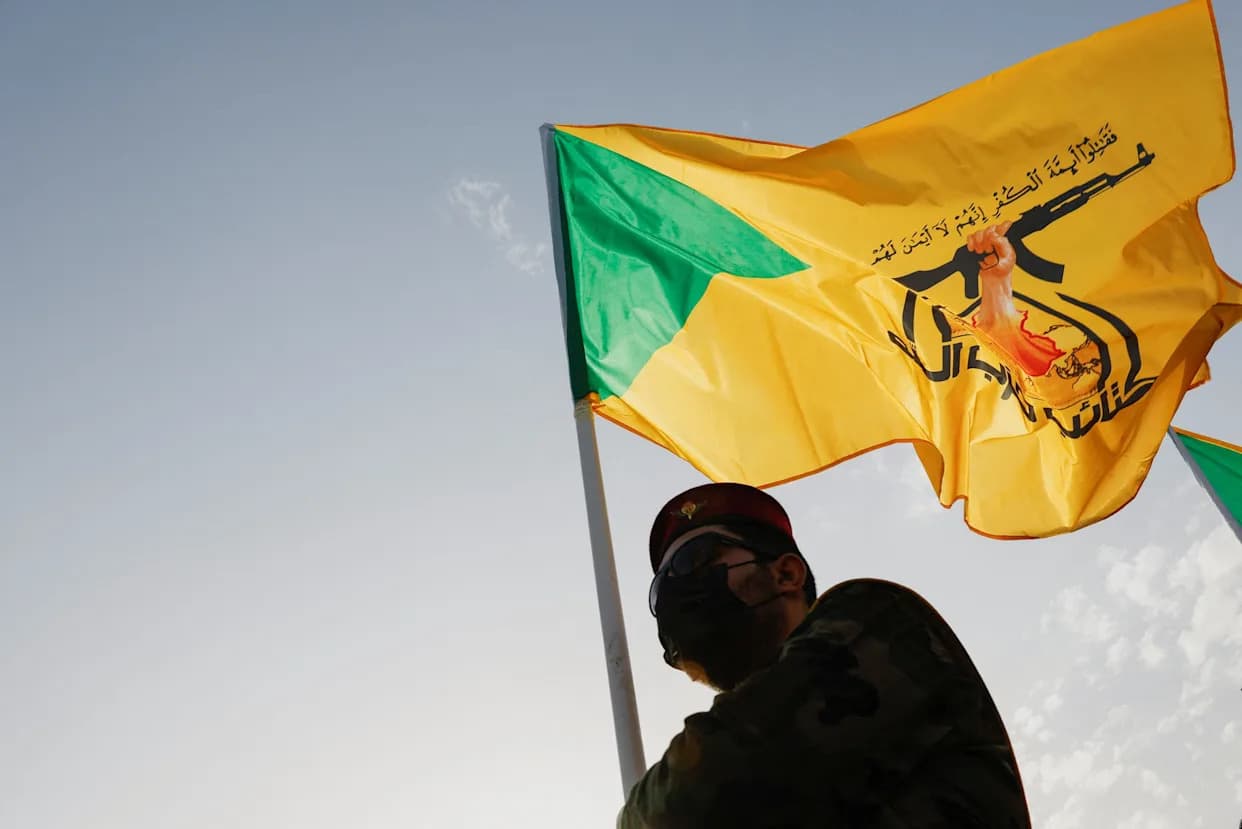
The next government is expected to face intense pressure from both the United States and Iran, particularly over the role of powerful Iran‑aligned militias that operate outside formal state control. Washington has urged Baghdad to disarm these groups — a difficult prospect given their political influence and Tehran’s likely opposition.
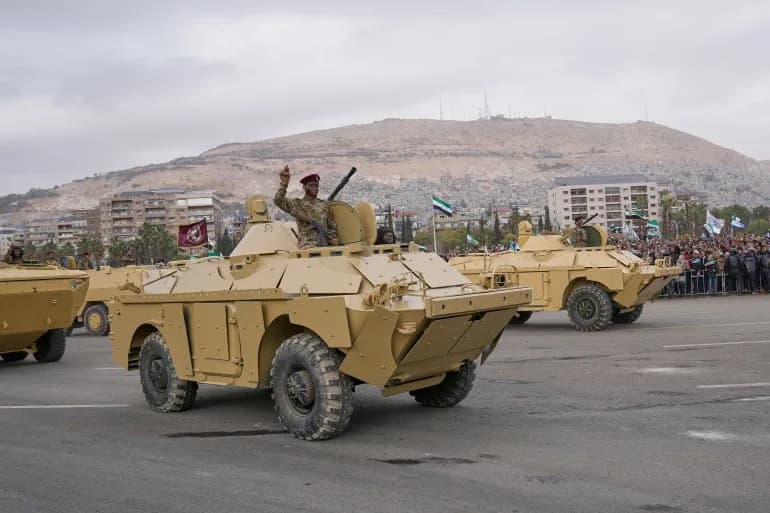
Many of those militias played key roles in fighting the Islamic State a decade ago, and proposals to disarm them risk domestic pushback amid concerns about a possible IS resurgence linked to instability in neighboring Syria.
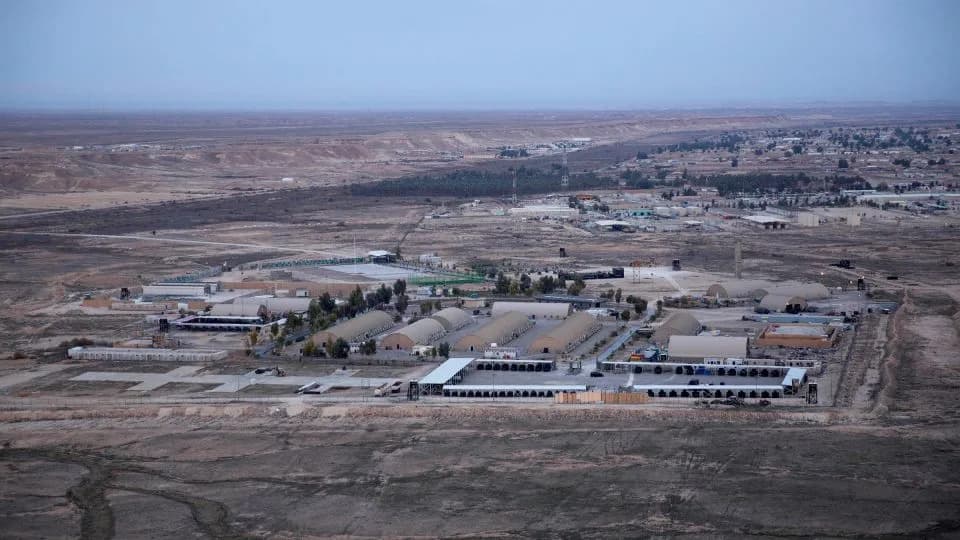
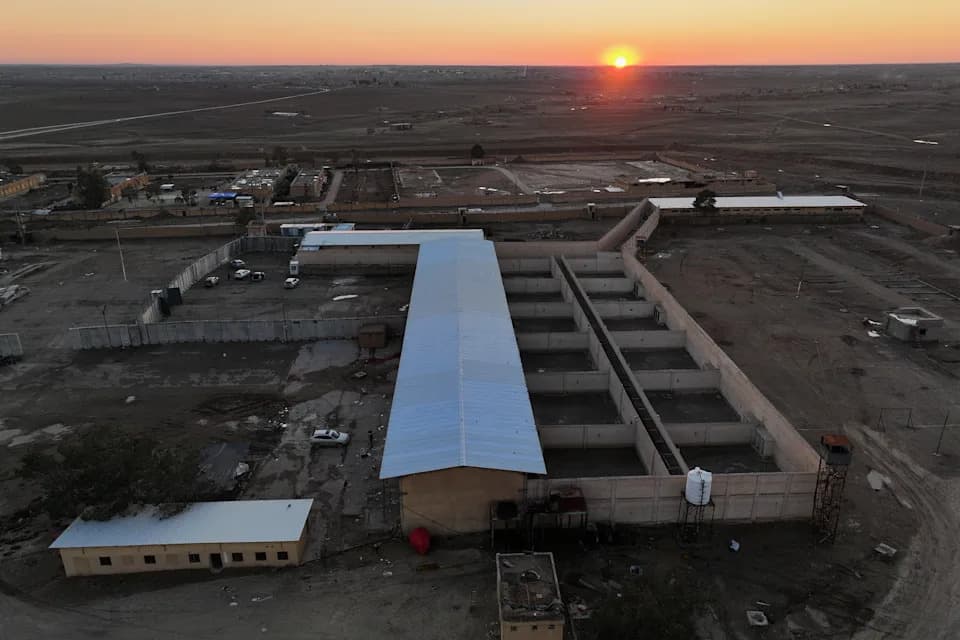
Separately, the U.S. military said it has begun transferring some of the roughly 9,000 Islamic State detainees held in more than a dozen detention centers in northeast Syria to facilities in Iraq — a move that will add to the security and political burdens facing any new government.
What This Means: Al‑Maliki’s nomination accelerates the formal process to form a government but is likely to deepen existing sectarian and political divisions. The incoming administration will need to balance domestic reconciliation, militia disarmament pressures, and regional influences from both the U.S. and Iran.
Help us improve.