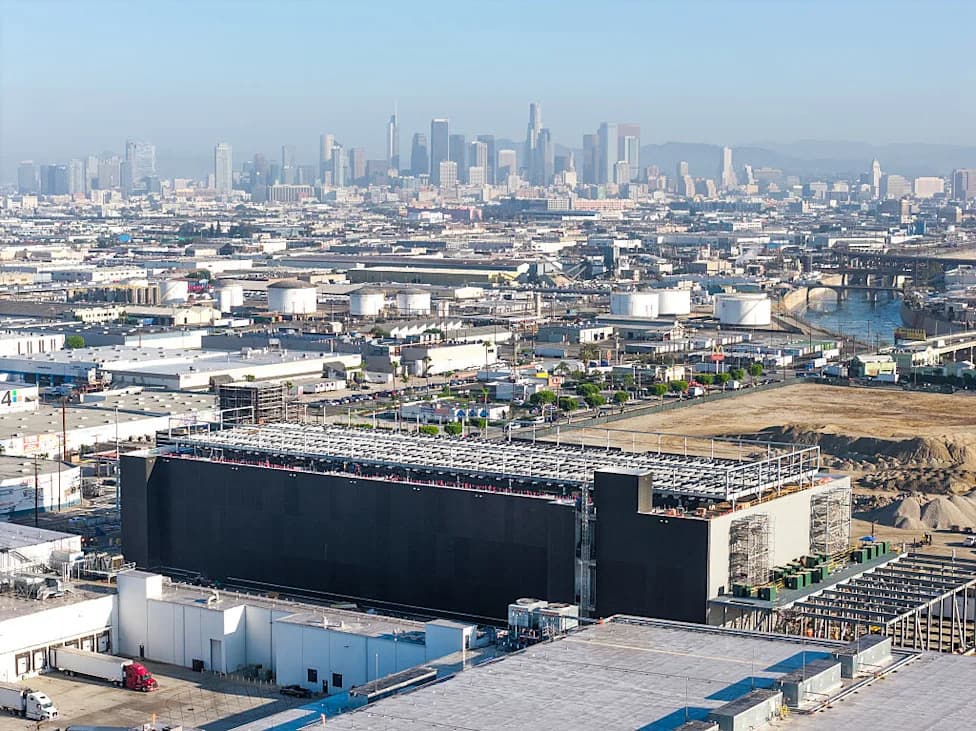
The US is leading a record global expansion of gas-fired power largely to supply energy‑intensive AI datacenters, Global Energy Monitor reports. Projects planned and under construction for 2026 could nearly triple current gas capacity, with 252 GW in development and about one‑third sited at datacenters. If completed, US projects would emit an estimated 12.1 billion tonnes of CO2 over their lifetimes, and the global pipeline could add 53.2 billion tonnes, locking in decades of emissions while stoking local opposition and higher power bills.
US Fuels Record Global Gas Power Boom to Run AI Datacenters — A Costly Climate Gamble
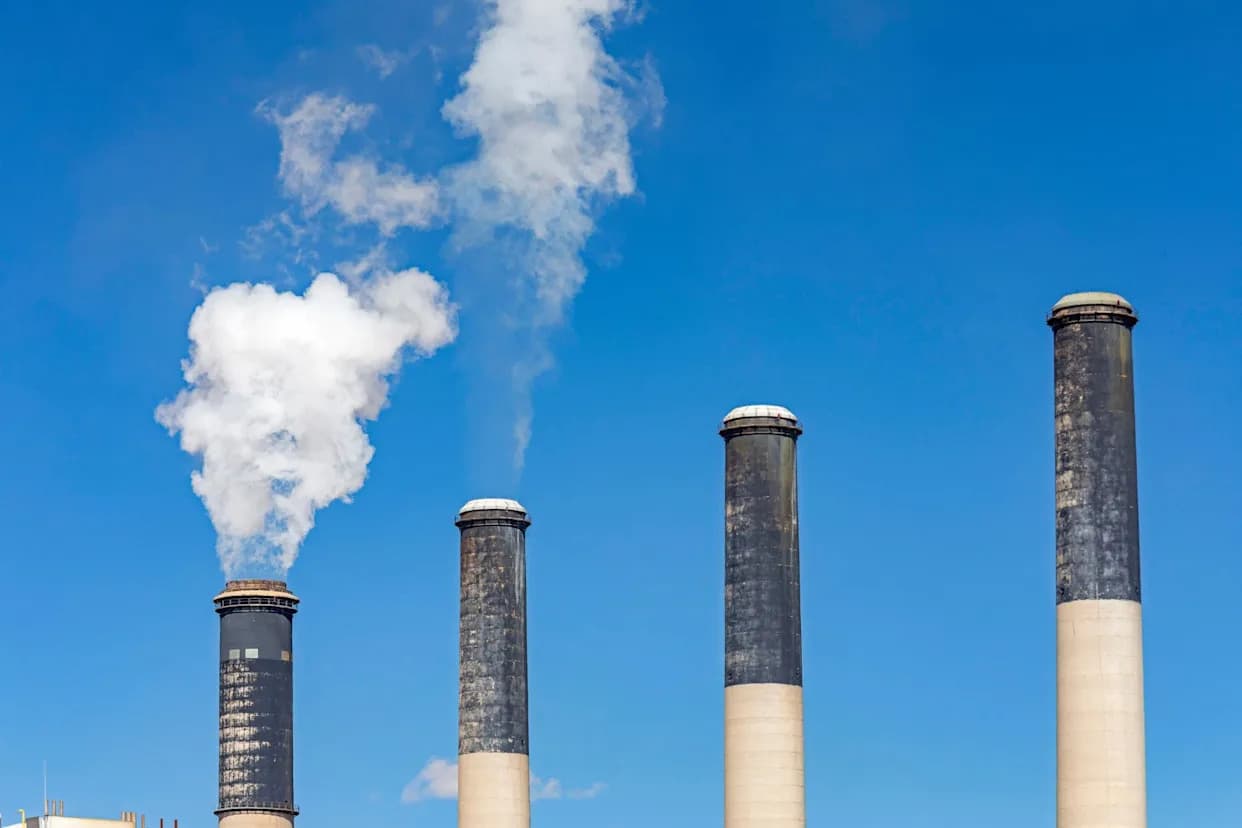
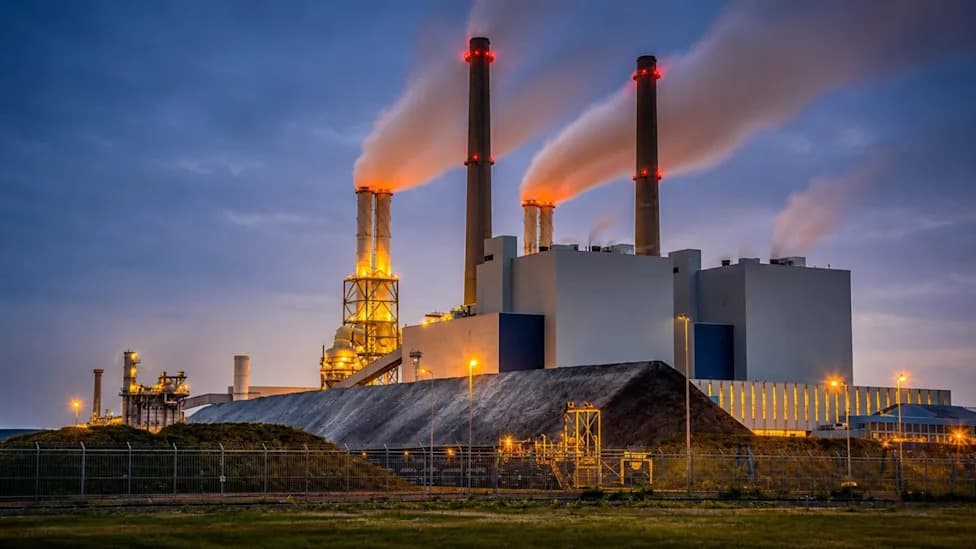
US gas projects in development will, if they are completed, produce 12.1bn tonnes in carbon dioxide emissions over their lifetimes.Photograph: Jim West/Universal Images Group/Getty Images(Photograph: Jim West/Universal Images Group/Getty Images)
The United States is driving a record global surge in gas-fired power projects — a wave largely intended to meet the massive electricity demand of artificial-intelligence datacenters. According to a new Global Energy Monitor (GEM) forecast, projects announced or under construction for 2026 could nearly triple existing global gas capacity and lock in decades of greenhouse‑gas emissions.
GEM finds 252 gigawatts of gas generation are currently in development globally, and roughly one-third of that capacity is planned on datacenter sites. The United States accounts for nearly a quarter of the global pipeline after tripling its planned gas capacity in 2025.
Climate Consequences and Scale
If all US gas projects now in development are completed, GEM estimates they would produce about 12.1 billion tonnes of CO2 over their operational lifetimes — roughly double the nation’s current annual emissions from all sources. Worldwide, the full pipeline would emit an estimated 53.2 billion tonnes of CO2 across project lifetimes if built, pushing the world toward more severe heatwaves, droughts and floods.
"Locking in new gas plants to meet uncertain AI energy demand means hard-wiring decades of pollution into a gambit that could be solved with flexible, clean power," said Jenny Martos, GEM project manager for the oil and gas plant tracker.
Where The New Capacity Is Concentrated
Texas is the epicenter of the US boom: 57.9 GW of new gas power was under way there last year, ahead of Louisiana and Pennsylvania. New additions planned for 2026 could surpass the US annual record of 100 GW set in 2002.
Several other countries — including China, Vietnam, Iraq and Brazil — also have large gas pipelines under development. China installed 22.4 GW of gas last year, its largest single‑year increase to date.
AI Growth, Politics and Local Backlash
Tech companies are racing to build datacenters to support generative AI, and some projects plan colocated gas plants to guarantee huge and steady power supplies. The expansion has been encouraged by political leaders who emphasize US leadership in AI; President Donald Trump has pledged to remove regulations he calls "foolish rules" that slow datacenter builds.
But the datacenter boom has already contributed to higher greenhouse‑gas emissions, increased electricity demand and rising power bills for many Americans. Experts also point to the administration’s actions to block some clean energy projects while increasing liquefied natural gas exports — moves that can raise domestic energy costs.
Local communities have pushed back over rising utility bills, intensive water use by datacenters and potential pollution from adjacent gas plants. Those concerns have delayed some projects and created political headaches. For example, Meta plans a $1.5 billion gas-powered datacenter in El Paso, Texas, and a dormant coal site at Homer City, Pennsylvania, is proposed to be redeveloped into what would become one of the country’s largest gas-fired facilities to serve a datacenter campus.
"Frenzied datacenter growth with little transparency or guardrails puts the public at risk of massive cost increases," said Steve Clemmer, director of energy research at the Union of Concerned Scientists, which projects electricity demand in the US could rise by as much as 60% by 2050 because of new datacenters.
Choices Ahead
Advocates warn that building long‑lived gas plants to meet projected AI demand risks locking in emissions for decades when cleaner, more flexible alternatives exist, including renewables, storage and demand‑side measures. The debate — balancing rapid AI expansion, local impacts and climate goals — is becoming a central policy and political battleground.
Bottom line: The US-led gas build-out to power AI datacenters could deliver major economic and strategic advantages to some actors, but it carries large and long‑lasting climate, cost and community risks that policymakers and industry must address.
Help us improve.