Georgia Representative Ruwa Romman introduced HB 1012, seeking a statewide moratorium on new datacenters until March to allow state and local officials to set rules. The move follows a Georgia Public Service Commission decision to add 10 GW of capacity—largely to serve datacenters—while Atlanta led the nation in datacenter construction in 2024. Concerns driving the pause include rising electricity bills, water use, and tax incentives; the issue also has clear political implications for upcoming PSC and statewide elections.
Georgia Pushes First Statewide Moratorium on Datacenters as AI Demand Strains Power and Water
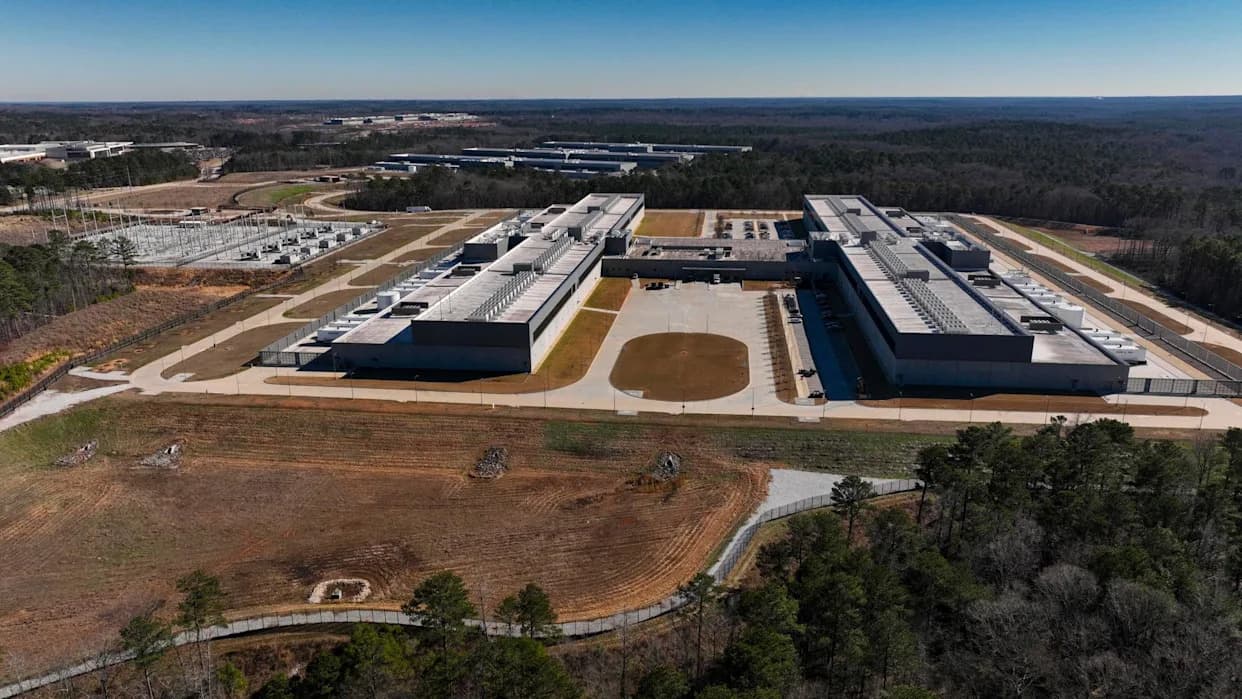
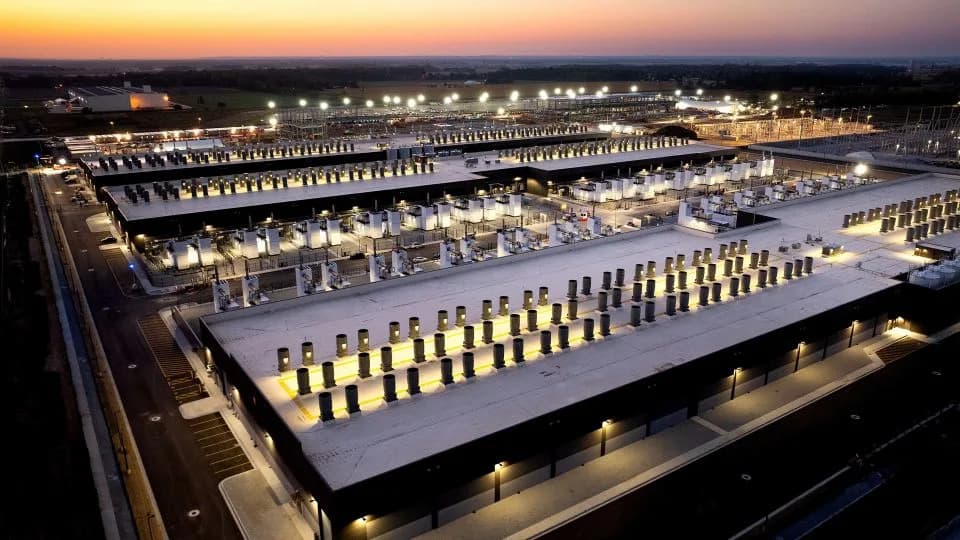
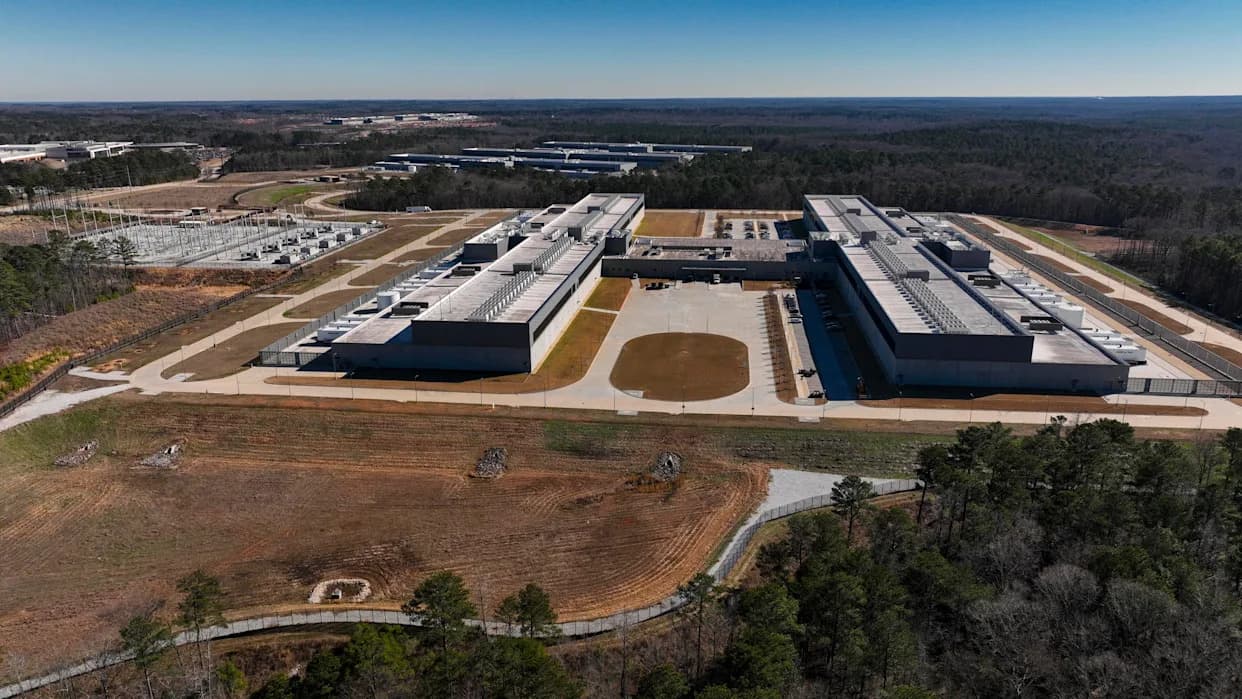
Meta's Stanton Springs datacenter in Newton County, east of Atlanta.Photograph: Mike Stewart/AP(Photograph: Mike Stewart/AP)
Lawmakers in several U.S. states are moving to halt the rapid construction of datacenters—facilities that power artificial intelligence and cloud services—citing concerns about their heavy demand for electricity and water, local impacts, and fiscal incentives that may not benefit communities.
Statewide Pause Proposed In Georgia
In Georgia, State Representative Ruwa Romman introduced HB 1012, a bill that would impose a statewide moratorium on new datacenter approvals until March of next year. Romman said the pause is intended to give state, county and municipal officials time to adopt rules and zoning measures to manage datacenter growth and its local impacts.
Why Georgia Matters
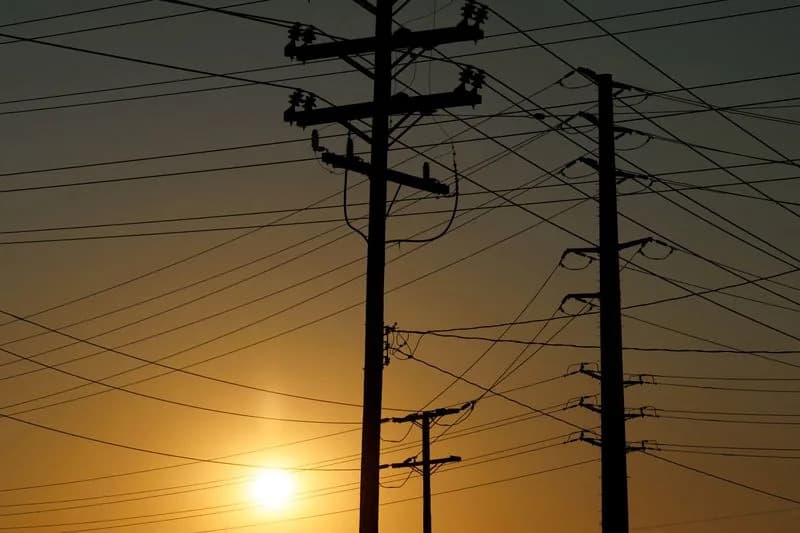
The proposal comes after the Georgia Public Service Commission (PSC), which oversees the investor-owned utility Georgia Power, approved a plan last month to add 10 gigawatts of new supply over several years—a record multi-year request for the commission. That added capacity, driven largely by datacenter demand, would be supplied mostly by fossil-fuel generation and is roughly equivalent to the power needs of about 8.3 million homes.
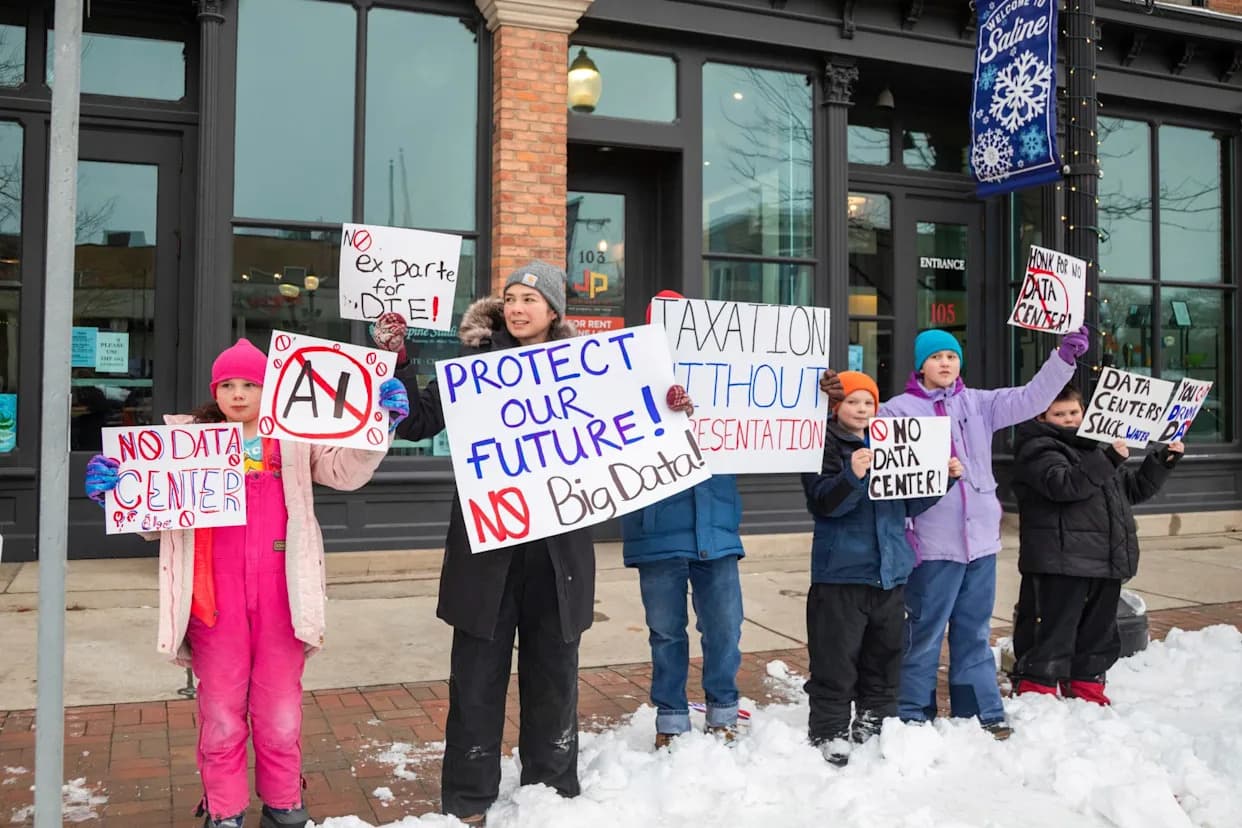
Atlanta’s metropolitan area led the nation in datacenter construction in 2024, a boom that has already prompted at least 10 Georgia municipalities to adopt their own temporary moratoriums on datacenter construction. Tech Policy Press reports similar municipal pauses in at least 14 states nationwide.
Local Concerns: Energy, Water, And Taxes
Residents and advocates point to multiple concerns. One immediate worry is higher electricity bills. Charles Hua, founder and executive director of the group PowerLines, says Georgia’s utility model—where Georgia Power earns returns on new capital investments—creates incentives to build more generation, contributing to about a one-third increase in state electricity rates over recent years. Hua argues the utility has limited incentive to invest in efficiency measures that could lower consumer bills.
Other concerns include water use at datacenters, potential reductions in local tax revenue from incentives, and impacts on property values and land use where high-voltage transmission lines and large facilities are built.
Republican lawmakers in Georgia have introduced bills aimed at protecting consumers from rising utility costs and ending some tax breaks for datacenters. Democrats have proposed requiring datacenters to publicly report annual energy and water usage.
Political Stakes
Romman, the first Palestinian-American elected to statewide office in Georgia, is also running for governor. HB 1012 has a Republican co-sponsor, State Representative Jordan Ridley, who says the pause would give local governments time to update zoning and gather public input while acknowledging datacenters can provide jobs and tax revenue.
Romman framed the moratorium as both policy and politics: it would provide time for voters to influence the composition of the Public Service Commission, which approves major energy projects. Georgia is one of 10 states that elect utility regulators. In November, voters elected Democrats Alicia Johnson and Peter Hubbard to the five-member PSC, ending nearly two decades of an all-Republican panel; another seat will be on the ballot this November.
“Voters see datacenters receiving tax breaks as their power bills go up. They see local communities struggle with competition for water supplies and high-voltage transmission lines that reduce property values,” wrote PSC member Peter Hubbard in an editorial, arguing that unchecked datacenter growth has sparked growing opposition across Georgia.
Advocates warn the debate could play out in upcoming statewide races. Paul Glaze of Georgia Conservation Voters said that if HB 1012 reaches the Senate, it may preview themes of the general election: which candidates will be trusted to protect local communities from rapid datacenter growth.
National Context
The Georgia debate is part of a broader movement. Vermont Senator Bernie Sanders proposed a national moratorium on datacenters last month, and advocacy groups such as Food and Water Watch have highlighted community concerns. Seth Gladstone of Food and Water Watch said communities want time to assess “potential harms” from the industry’s aggressive expansion.
As states and municipalities weigh moratoriums and new rules, the outcome in Georgia will be closely watched as a potential model for how regions balance economic development tied to AI and cloud computing with environmental, fiscal, and community priorities.
Help us improve.