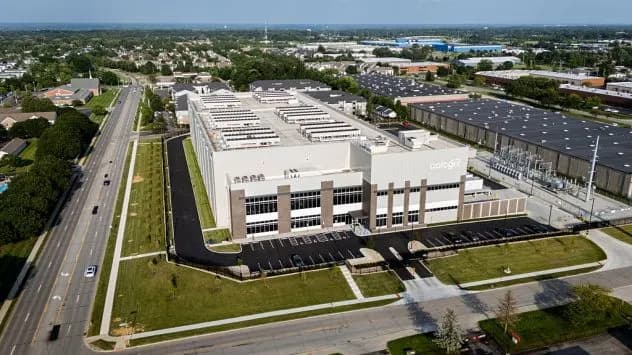
Major tech companies are building large AI data centers that drive up local electricity demand and often rely on fossil-fuel power, shifting higher costs onto households and worsening pollution in vulnerable communities. In some Virginia areas, utility bills could rise by up to 25 percent. The NAACP has issued a Frontline Framework and convened a Stop Dirty Data summit to demand transparency, community oversight and renewable energy commitments ahead of the 2026 midterms.
Who Pays for AI? Big Tech’s Data Centers Are Costing Communities Money and Health

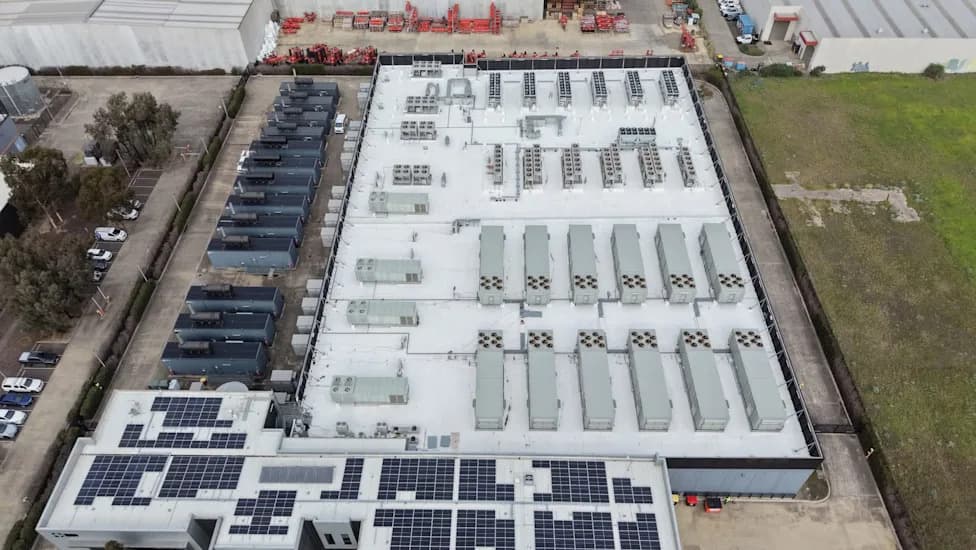
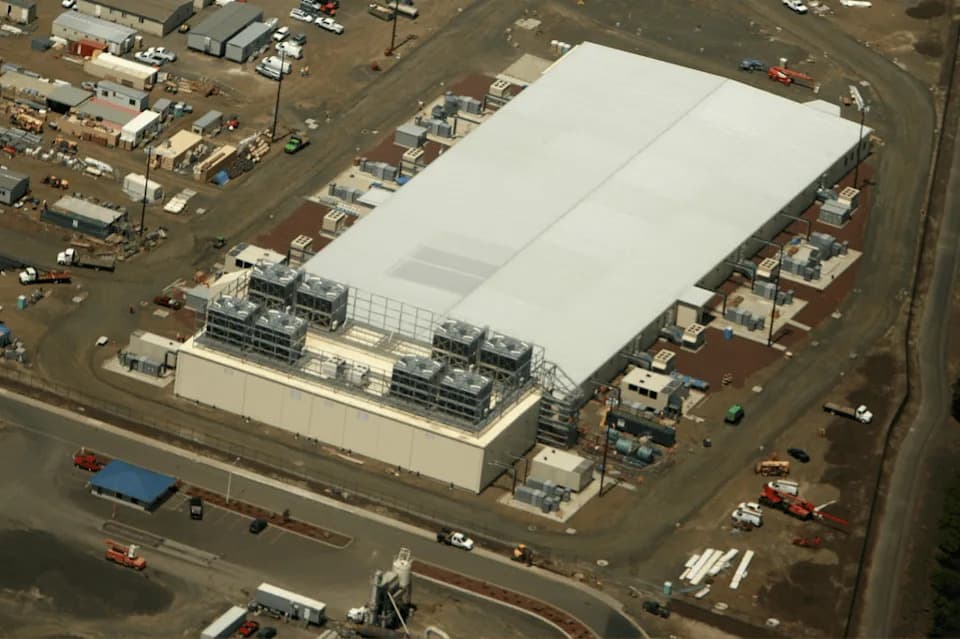
The rapid expansion of artificial intelligence is already transforming medicine, education, business and government. But that progress is coming with a hidden bill: sprawling AI data centers are driving up local energy demand, shifting costs to households and concentrating pollution in communities least able to absorb it.
The Energy Burden
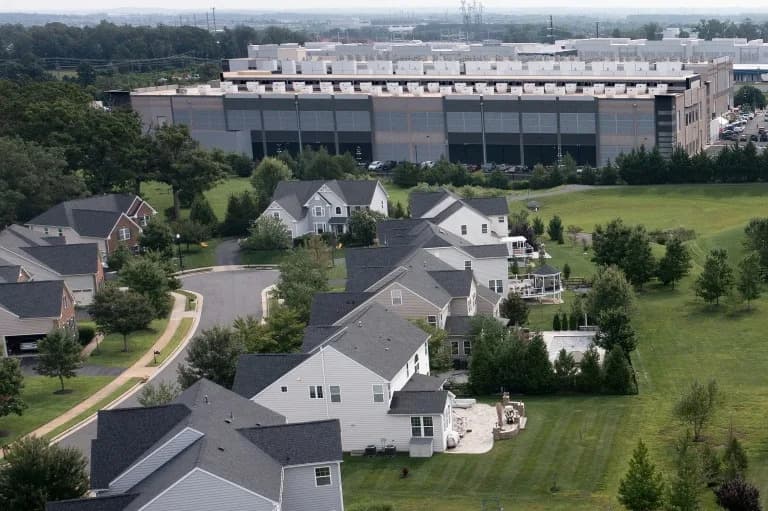
Data centers — the vast server farms that power AI — consume enormous amounts of electricity. Across the country, utilities are responding to this surge in demand by raising rates and allocating costs to ratepayers rather than billing the corporations that use the power. In parts of Virginia, for example, utility bills are projected to rise by as much as 25 percent because of data center expansion.
Health and Environmental Impacts
Many data centers draw power from nearby fossil-fuel plants, which emit pollutants tied to asthma, heart disease, neurological harm and cancer. Those emissions compound other local environmental hazards and strain public health systems.
An Environmental Justice Problem
Site selection for data centers has too often targeted non-white, low-income and rural communities — places historically treated as sacrifice zones. The result is a familiar pattern: profits concentrate at the top while pollution, health risks and higher bills fall hardest on people with the least political power.
NAACP Action
The NAACP has published a Frontline Framework of data center guiding principles and convened a national Stop Dirty Data strategy summit in Washington, D.C., bringing together community leaders, environmental experts, policymakers and technologists. In Virginia and Maryland, NAACP teams are working with local officials to push for transparency, community oversight and binding renewable energy commitments as new projects come online.
Policy, Not Just Market Forces
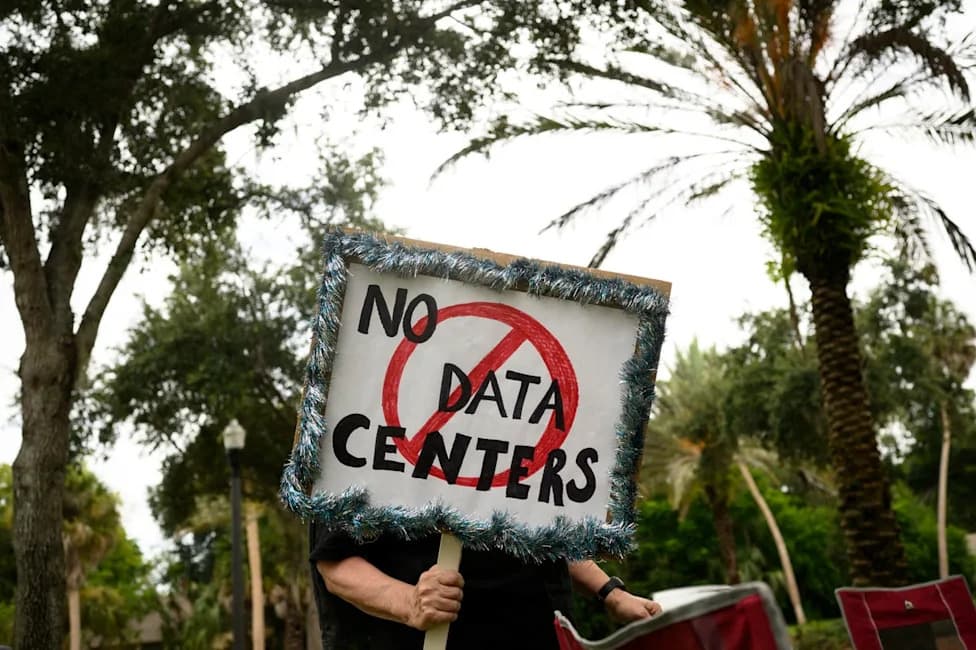
Data centers can run on renewable energy, and they do not have to be sited in communities of least resistance. Markets rarely self-correct when concentrated corporate power is involved. Strong public policy, community oversight and informed voters are essential to ensure fairness and accountability.
Call to Action
Voters should demand that candidates make Big Tech pay its fair share, require transparency on energy use and pollution, and mandate that new data centers commit to renewable power and community benefits. Attend public hearings. Contact your representatives. Vote for leaders who will prioritize health and equity over unchecked profit.
Conclusion
AI can lift communities if it is built responsibly. Our future should not be subsidizing Big Tech’s next frontier; it should foster a healthier, more equitable digital economy that benefits everyone.
Derrick Johnson is president and CEO of the NAACP.
Help us improve.