Datacenters hosting AI infrastructure have provoked widespread local opposition across the US, yet attracted limited coordinated action from national politicians. Advocates point to a potent alliance of Big Tech, utilities, fossil fuel interests and unions, plus political incentives to win tech money, as drivers of rapid expansion. Local campaigns and state races are becoming the primary battlegrounds, while coalitions and advocacy groups press for moratoria and stronger regulation.
‘A Perfect, Wild Storm’: Why Widely Loathed Datacenters Face Little National Political Pushback
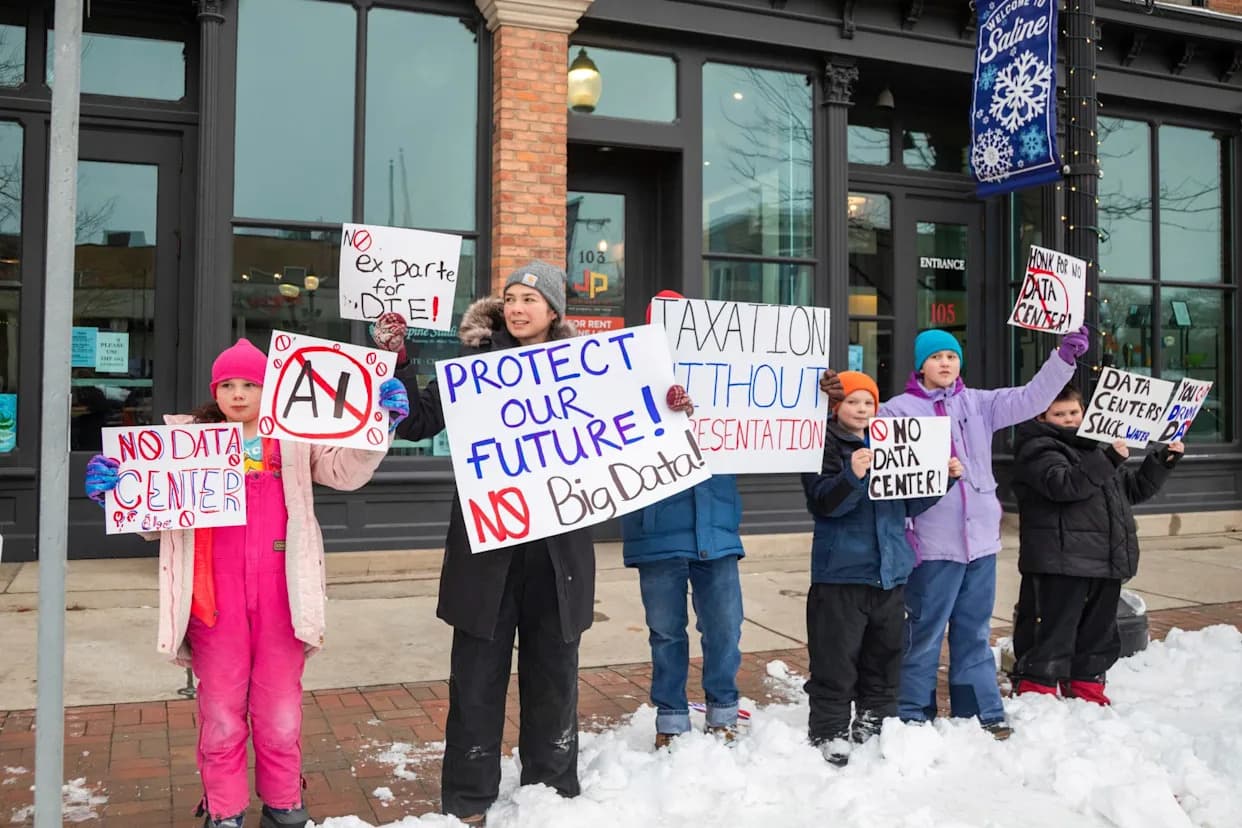
Residents rally against a data center planned on southeast Michigan farm land in Saline on 1 December 2025.Photograph: Jim West/UCG/Universal Images Group/Getty Images
In late October an unlikely coalition formed to oppose plans for more than a dozen datacenters in Michigan: right‑wing 'Stop the Steal' activists, the Democratic Socialists of America and a broad swath of residents across the political spectrum. Polling showed just 28% of Michiganders supported new datacenters, and state representative Dylan Wegela introduced legislation to repeal datacenter tax credits. Despite public outrage, Wegela's bill has attracted few co‑sponsors and most projects appear poised to move forward.
Why Opposition Has Been Limited
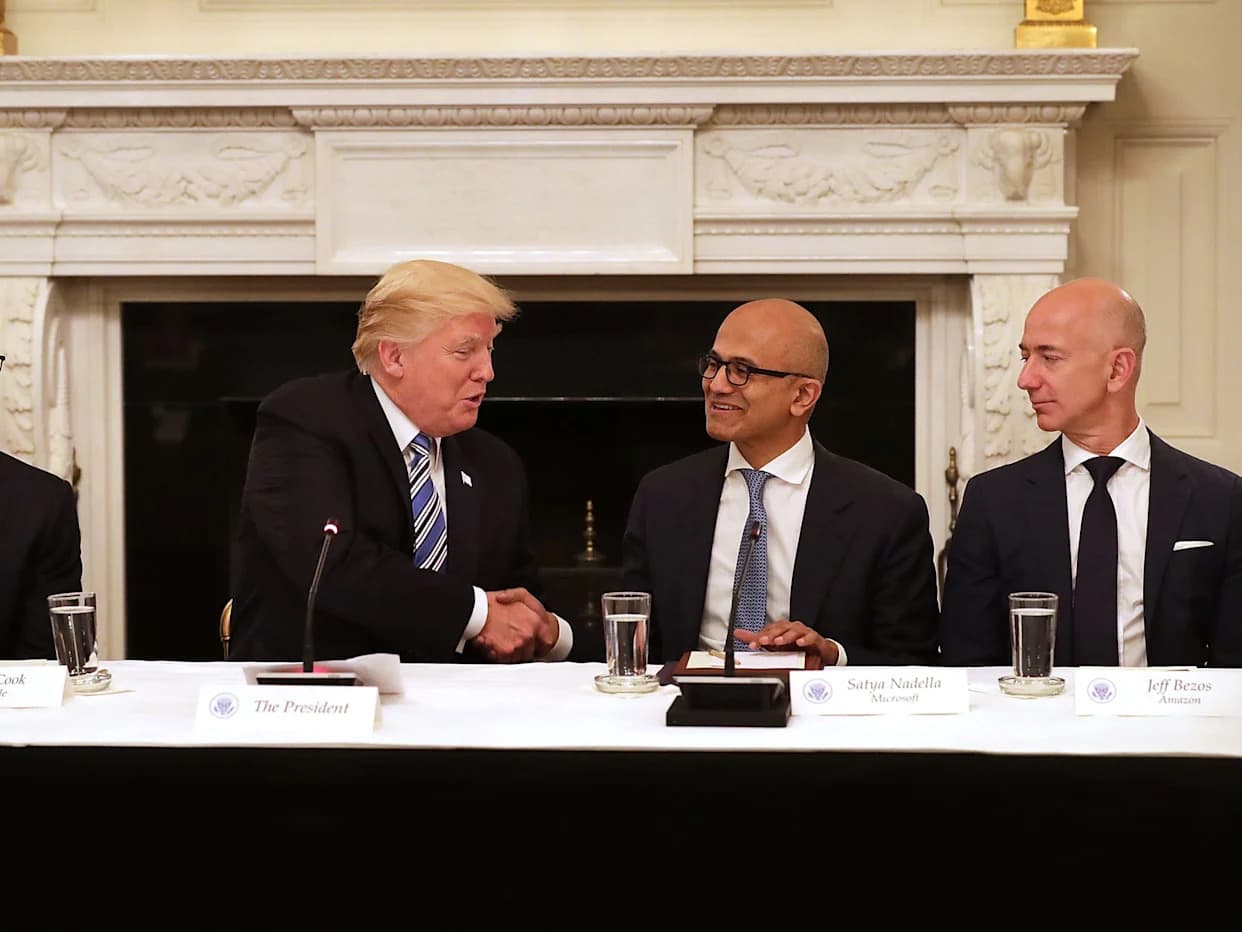
Advocates say a powerful convergence of forces propels datacenter expansion. Big tech companies, utility providers, fossil fuel interests and labor unions such as the AFL‑CIO often align behind these projects, arguing they bring economic benefits. Political leaders from both parties are also eager to win back or retain tech donations after a high‑spending election cycle, while national security and competitiveness arguments around AI give the issue added urgency for some policymakers.
"It is a perfect, wild storm," said Christy McGillivray, a former Sierra Club Michigan lobbyist who pushed for tougher oversight of datacenters.
Observers add that the rise of datacenters is a relatively new phenomenon and many lawmakers at the federal level are still learning about their local impacts.
Local Concerns Driving Grassroots Opposition
Grassroots opponents raise a string of community concerns: higher energy costs, depleted water supplies, damage to rural character, pollution and incentives to build more fossil fuel infrastructure. Critics also point out that datacenters supporting AI typically create few long‑term local jobs, while AI itself can threaten existing employment.
With federal and state officials often supportive of projects, many fights are playing out at the local level, pitting working‑ and middle‑class residents of diverse political backgrounds against well‑resourced corporate interests.
Who Is Taking Action
Responses range from calls for moratoria to investigations and regulatory proposals. At the federal level, Senator Bernie Sanders and Congresswoman Rashida Tlaib have called for a moratorium, and several senators and representatives including Ed Markey, Ron Wyden, Elizabeth Warren, Richard Blumenthal and Ro Khanna have urged stricter oversight or probes.
At the state level, Republican Florida Governor Ron DeSantis has proposed measures aimed at protecting residents from perceived exploitation by big tech and AI, while Virginia Democratic Governor Abigail Spanberger has emphasized capping utility bills as a campaign issue.
Advocacy groups are organizing to educate lawmakers. In December Food & Water Watch led a letter signed by more than 230 consumer and environmental organizations calling on Congress to impose a moratorium on new datacenters while policy safeguards are developed.
"We need to put a halt to more datacenters while policymakers put policies in place that won’t adversely affect people," said Jim Walsh, policy director for Food & Water Watch.
Money, Labor And Politics
Money in politics complicates action. A Guardian analysis cited in reporting found that tech donors gave roughly $240 million to Republicans and about $52 million to Democrats in the most recent session, a dynamic that helps explain bipartisan caution. The AFL‑CIO's backing of some projects — driven by job promises for members — has also muddied Democratic responses in places such as Michigan.
Critics contend state incentives and tax breaks can run into the hundreds of millions of dollars while delivering few permanent jobs. One high‑profile proposal in Michigan from Oracle and OpenAI, backed by the Trump administration and the state governor, involves roughly $7 billion in investment and large tax incentives; opponents warn the public benefits have been oversold.
What's Next
Campaigners expect datacenters to become a more prominent campaign issue as the 2026 midterms approach, especially in state and local races that directly regulate utilities and land use. For now, the debate highlights a growing tension between rapid AI infrastructure buildout, local community impacts and national political incentives to court big tech investment.
Help us improve.