NERC warns U.S. power grids face growing winter reliability risks as demand rises and the generation mix shifts. Winter peak demand is projected to increase by about 245 GW over the next decade, while reserve margins in key regions like PJM and MISO are forecast to shrink sharply. Recent storms that cut power to over 1 million customers highlight the urgency for winter-focused planning and grid upgrades. NERC’s findings are based on data through mid‑2025.
U.S. Faces Rising Winter Power-Outage Risk as Demand Surges and Fuel Mix Shifts — NERC
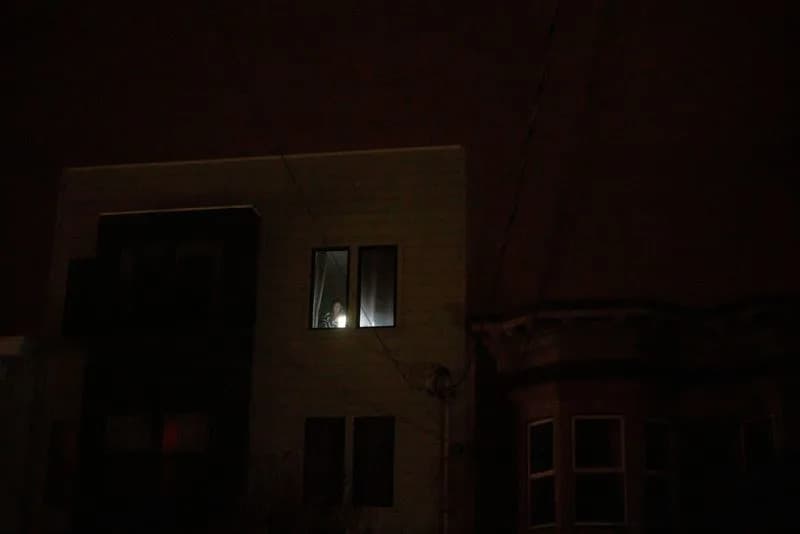
A person uses a flashlight inside an apartment during a blackout that affected about 130,000 residents, according to the Pacific Gas and Electric Company, in San Francisco, California, U.S., December 21, 2025. REUTERS/Carlos Barria
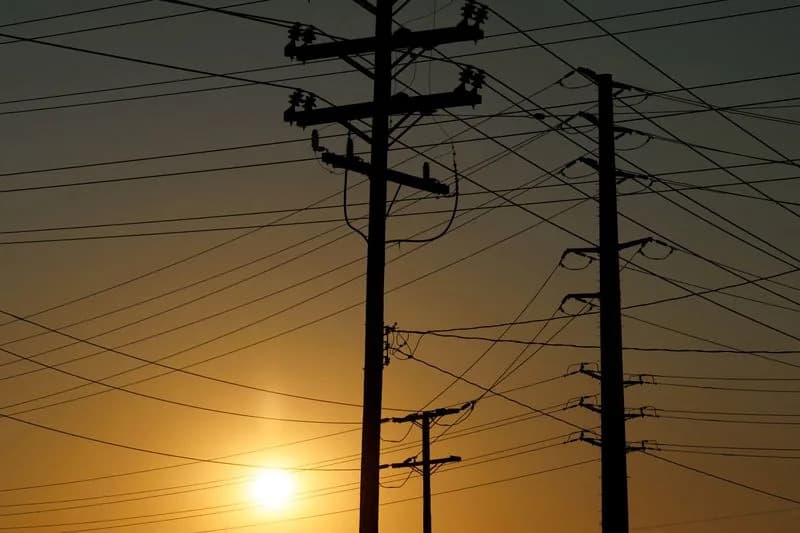
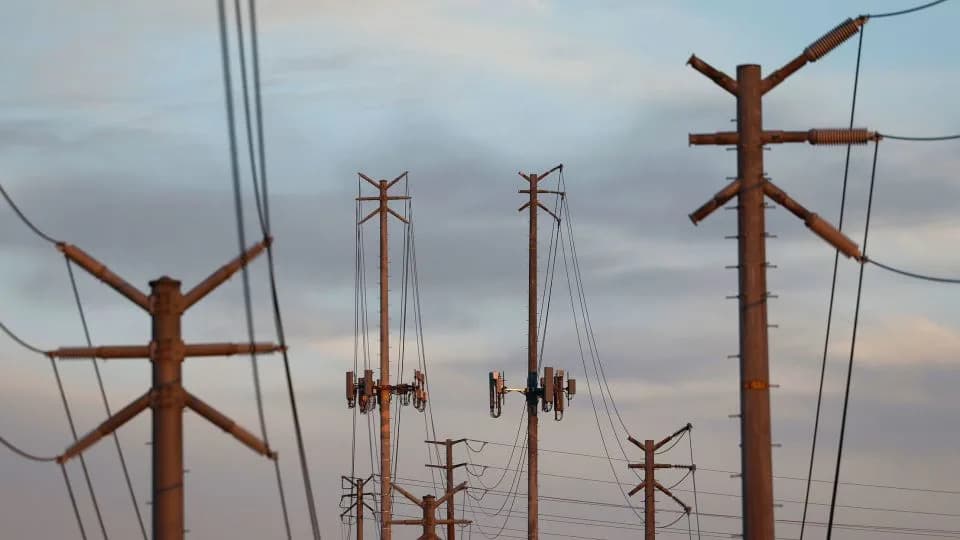
The risk of electricity outages in the United States is increasing as the nation’s fuel mix changes and winter demand grows rapidly, the North American Electric Reliability Corporation (NERC) said in its long-term assessment.
Regions at Risk: NERC warned that the Mid-Atlantic, Midwest, Northeast and Texas could face high risk of supply shortfalls before the end of the decade if trends continue. The assessment uses data and other information through mid‑2025.
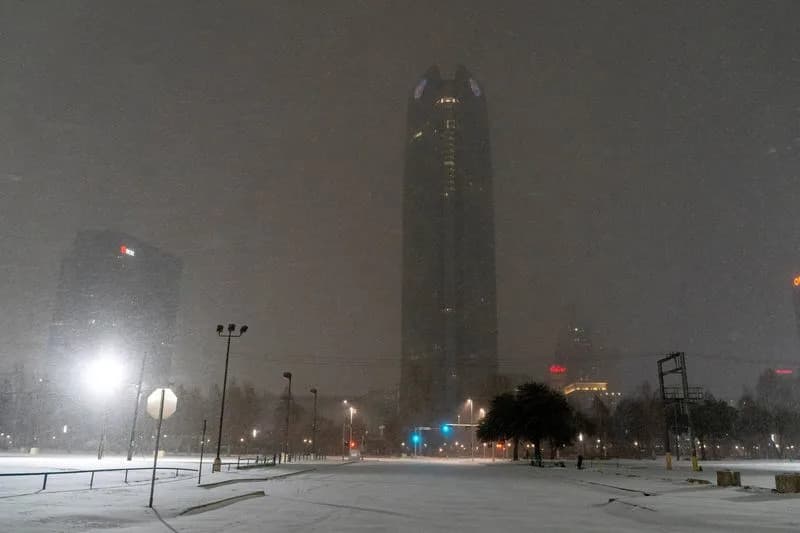
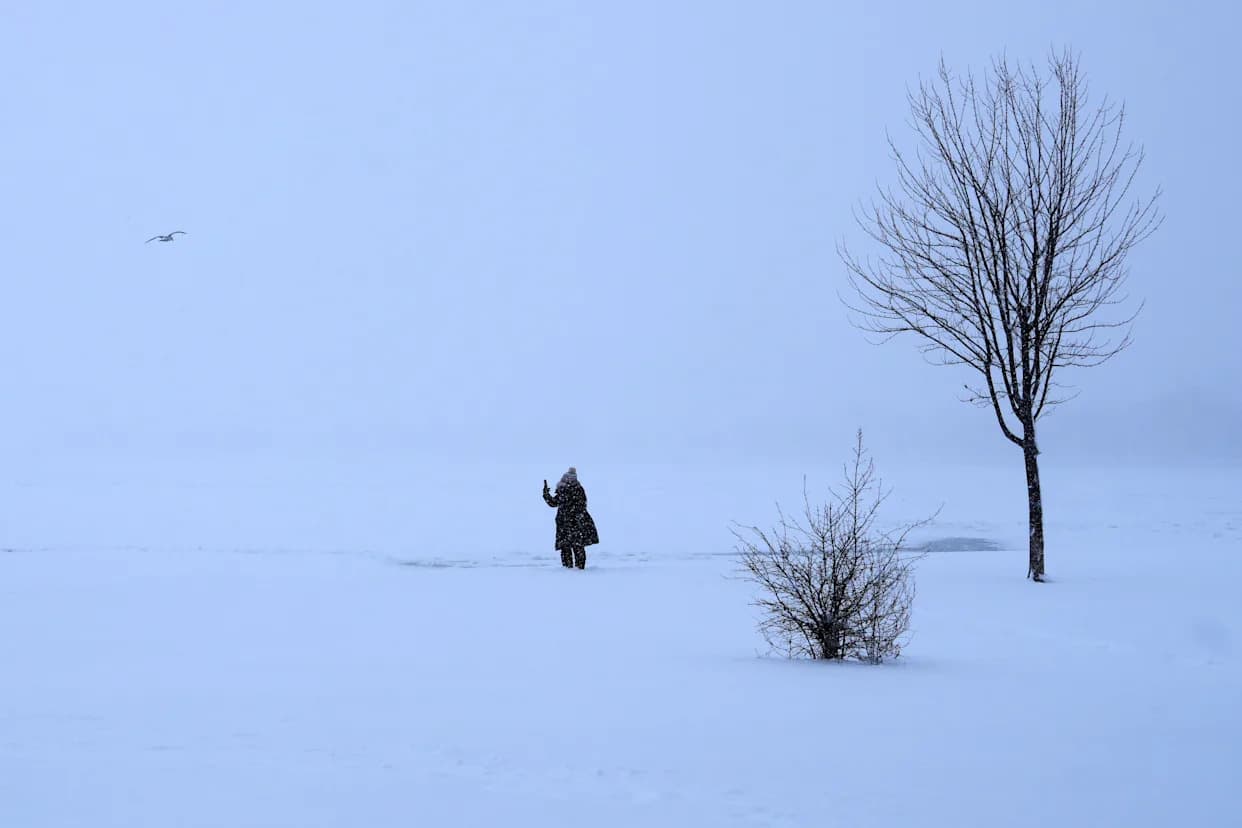
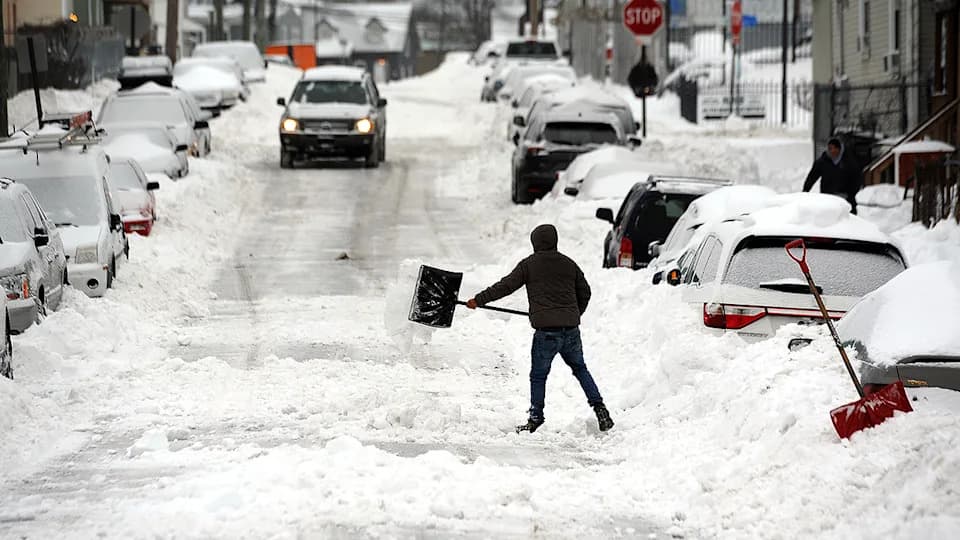
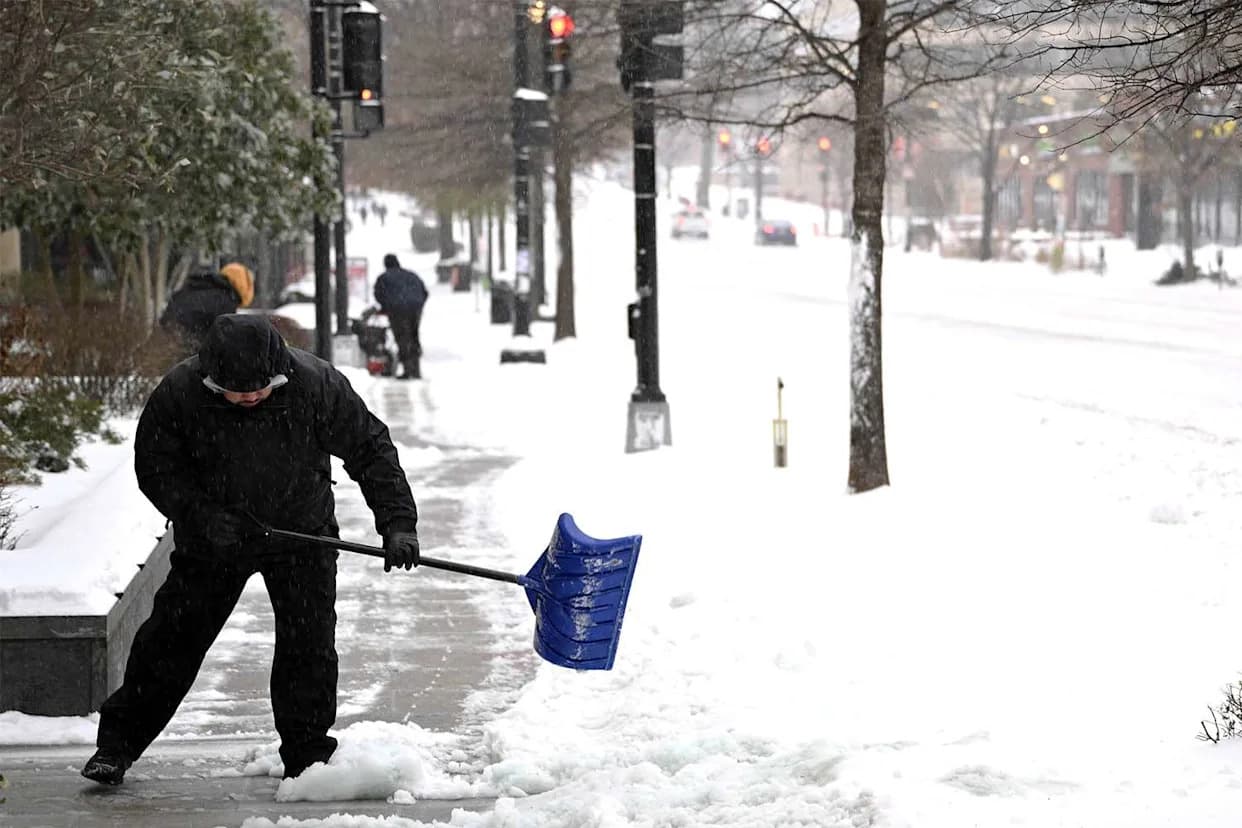
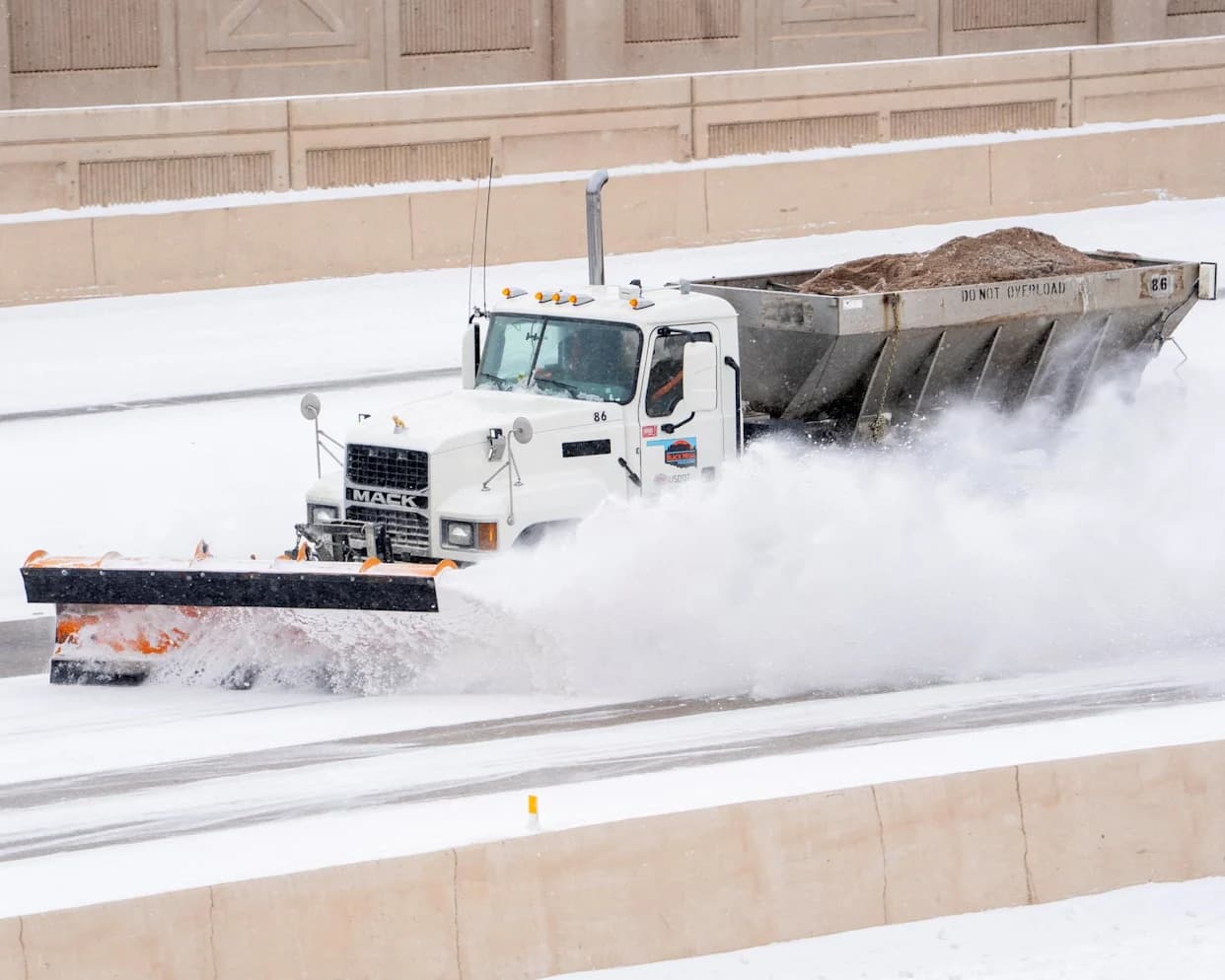
Recent Evidence: A winter storm this week cut power to more than 1 million homes and businesses at one point, underscoring how extreme weather, high winds and prolonged freezes can stress regional grids.
Why Winter Is Becoming More Challenging
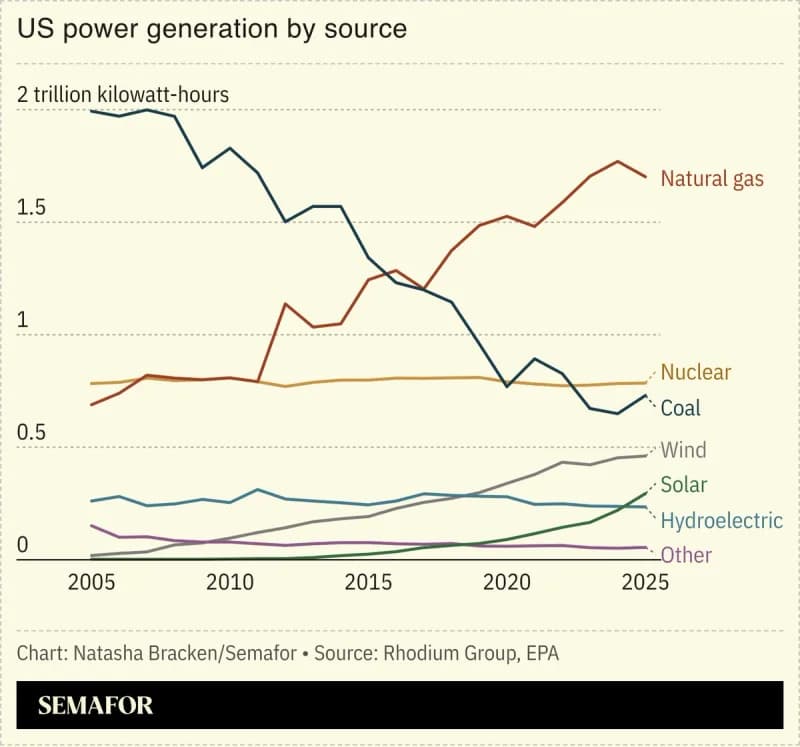
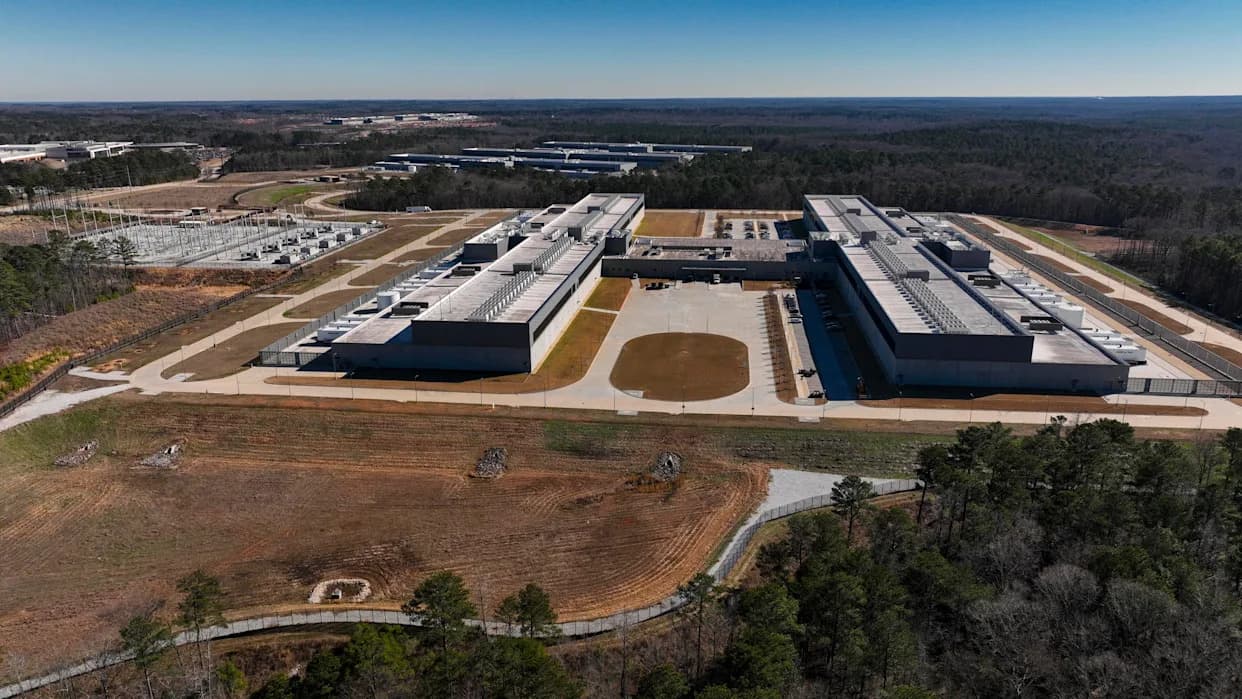
Historically, U.S. electricity demand has peaked in the summer. But two major trends are shifting that pattern: the rapid electrification of heating systems and the continued growth of energy-intensive data centers. At the same time, large additions of solar capacity favor summer output and contribute relatively less during the darkest, coldest months.
NERC projects winter peak demand will grow by about 245 gigawatts over the next decade — roughly the capacity to serve about 183 million homes at once, using a common industry benchmark that one gigawatt can serve about 750,000 homes.
Reserve Margins Are Shrinking
As demand rises faster than new supply additions in many regions, power reserve margins — the cushion between available supply and expected peak load — are expected to thin. For example, NERC’s assessment notes the supply reserve margin in PJM Interconnection (North America’s largest regional grid) could fall from nearly 30% this year to about 14% by 2030 based on last year’s data. In the Midwest grid (MISO), reserves are projected to drop from about 11% to roughly 4% over the same period.
Implications: Reduced reserve margins increase the likelihood of forced outages, rolling blackouts or the need for emergency conservation during extreme cold events. The assessment highlights the urgency for planners and policymakers to accelerate winter-capable resources, improve grid flexibility, and consider demand-side measures and targeted transmission upgrades.
What Comes Next: NERC’s long-term assessment is evolving. It calls for continued monitoring and coordinated planning among grid operators, regulators and industry to address the changing seasonal demand profile and ensure reliability as generation and load patterns shift.
Reporting by Laila Kearney and Tim McLaughlin; assessment and figures cited from NERC’s long-term reliability report through mid‑2025.
Help us improve.