Major tech firms responded to a Senate probe by pledging to pay more of the electricity costs tied to data-center expansion, including funding new grid infrastructure. Google, Meta, Microsoft, Amazon, CoreWeave, Equinix and Digital Realty made commitments, but their letters gave few implementation details. Experts and senators warn that confidential utility deals and limited federal oversight make verification and enforcement difficult. Policymakers are pursuing measures such as 15-year PJM contracts and proposed federal legislation to lock in contributions, but outcomes remain uncertain.
Big Tech Pledges to Cover Data-Center Power Costs — But Enforcement and Details Are Missing
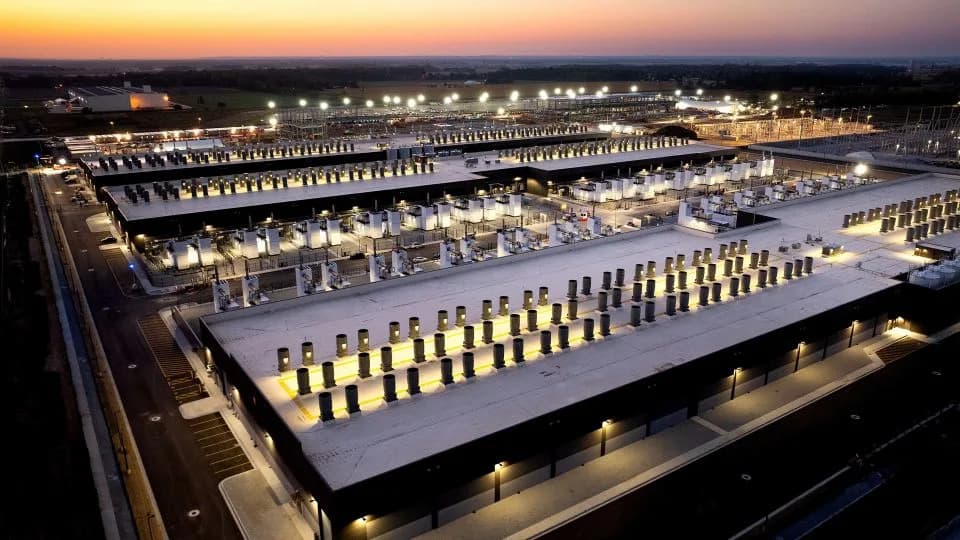
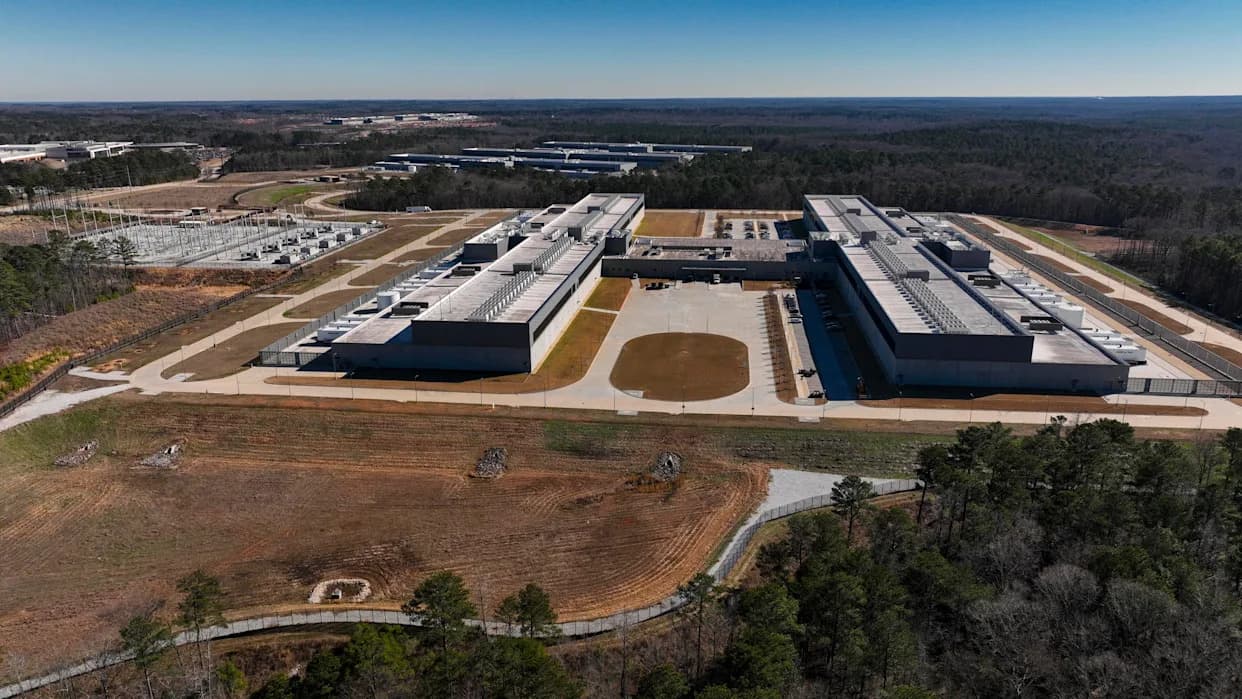
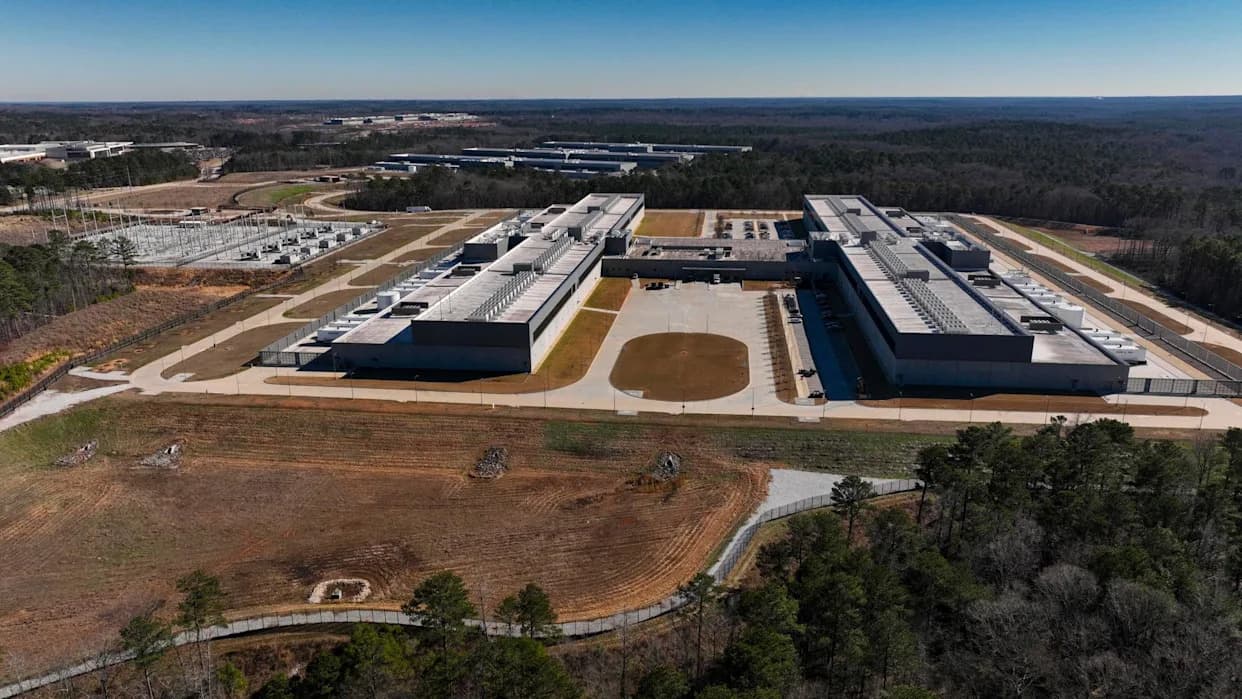
An Amazon Web Services AI data center in New Carlisle, Indiana, U.S., October 3, 2025. - Noah Berger/Amazon Web Services/Reuters
As an electricity crunch pushes household and commercial bills higher across the United States, several major technology firms that operate energy-intensive data centers have pledged to shoulder more of the power costs so local customers don’t pick up the tab. While those commitments are notable, regulators and experts warn that meaningful oversight and enforcement mechanisms remain limited.
What Companies Promised
Seven companies — Google, Amazon, Microsoft, Meta, CoreWeave, Equinix and Digital Realty — responded to a Senate Democratic inquiry about how the rapid expansion of data centers is affecting electricity prices. Google told senators it would pay for all electricity used by its data-center fleet and change how it manages and pays for power during peak periods to reduce price pressure on other customers. Meta made a similar pledge, promising to cover full energy costs and to invest in local grid upgrades; Microsoft issued comparable commitments. Amazon said it would fund electricity use and make investments in new generation and transmission infrastructure, though it did not detail how it would calculate contributions to transmission costs.
Gaps, Secrecy and Oversight
Despite the pledges, the companies’ letters — provided to CNN — offered few specifics about implementation. Experts and senators point to a persistent problem: many power arrangements between utilities and data centers are negotiated under confidential contracts rather than through public rate cases, making it hard to verify payments or assess their impact on local ratepayers.
“The devil is really in the details here,” said Ari Peskoe, director of Harvard Law School’s Electricity Law Initiative, noting that consumers have limited protections under the current system.
Local Impacts and Policy Responses
The effects have been most visible in parts of the mid-Atlantic, where a surge in data-center construction outpaced new generation and transmission upgrades. A 2025 Bloomberg analysis found electricity costs rose as much as 267% in some areas that added data centers compared with five years earlier. In response, some states are adopting rules to make data-center operators pay higher rates or contribute to grid upgrades; however, there is no comprehensive federal framework yet.
Federal Proposals and Market Solutions
Sen. Chris Van Hollen (D–Md.) has introduced federal legislation that would require companies to cover energy costs tied to data-center growth. Separately, a group of northeastern governors and the federal administration asked PJM — the region’s grid operator — to run an emergency auction aimed at locking big tech into long-term (15-year) contracts to secure payments for future power needs. Supporters say such deals would provide stable funding for generation and transmission; skeptics warn they do not guarantee fair pricing or transparency.
What's Next
Company commitments signal recognition of a growing public concern, but officials and advocates say robust, enforceable mechanisms and greater transparency are needed to ensure ratepayers are protected. Without clearer terms, public oversight, or binding requirements, promises alone may not prevent higher bills or ensure new infrastructure is fairly financed.
Key Voices:
Sen. Elizabeth Warren: “These commitments do not explain how Big Tech companies — not American consumers — will bear the full cost of data centers.”
Ari Peskoe: “The devil is really in the details here.”
Help us improve.