Electricity prices have risen roughly 40% since 2021 and are increasing across red, blue and purple states. Drivers vary by region — wildfire mitigation in California, grid upgrades in New England, and booming data-center demand in the mid-Atlantic — and utilities have requested about $31 billion in rate increases for 2025. Policy moves to keep old coal plants running and volatile natural gas prices could push costs higher, while wind and other renewables remain important, bipartisan parts of the supply mix.
Trump Blames Blue States for High Power Bills — Data Shows Electricity Prices Are Rising Nationwide
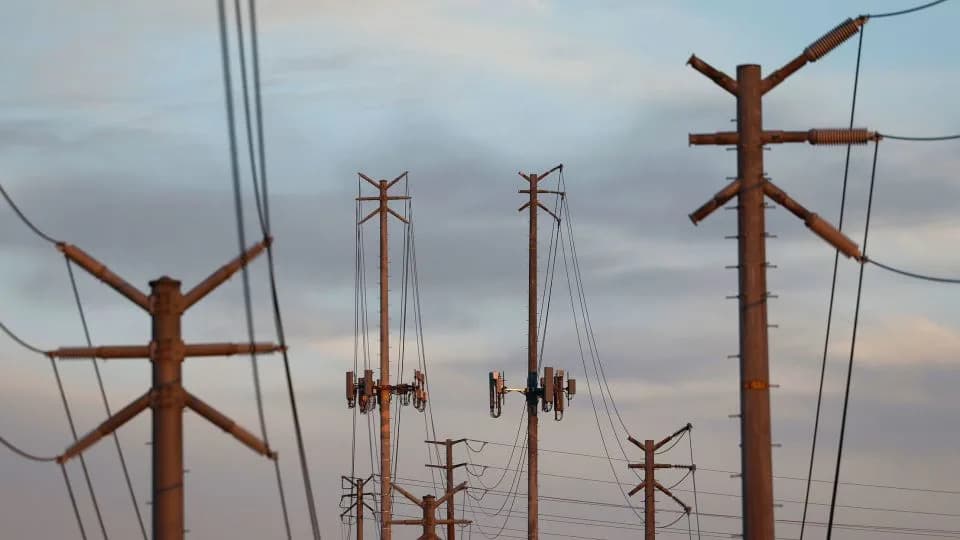
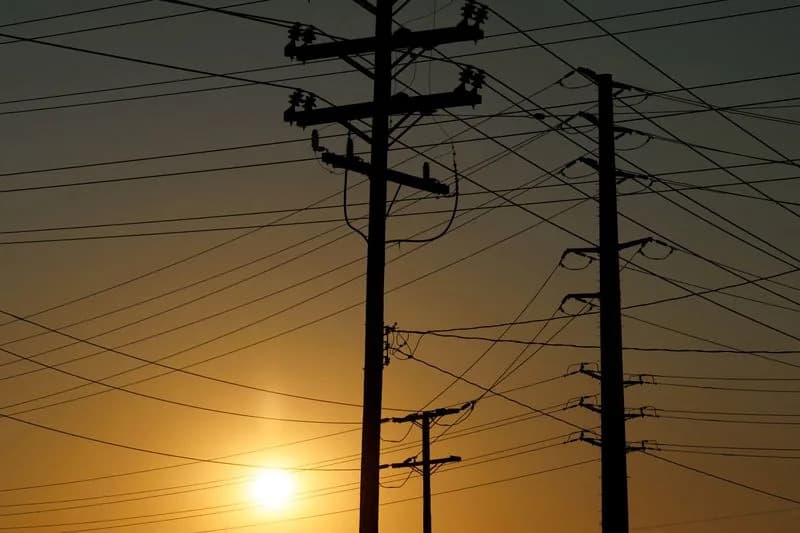
Power transmission lines at sunset in Thousand Oaks, California, on January 27. - Kevin Carter/Getty Images
Electricity prices are climbing across the United States, despite recent White House claims that high costs are primarily the result of Democratic-led states choosing renewable policies. Federal and industry data, along with expert analysis, show that price increases are widespread and driven by a mix of regional factors — from wildfire mitigation to aging infrastructure to booming data-center demand.
Key Nationwide Trends
Residential electricity prices nationwide have risen roughly 40% since 2021, according to nonprofit analyst PowerLines. Utilities have also filed requests for roughly $31 billion in rate increases for 2025, more than double the total requested the previous year — about half of which are concentrated in Southeast utilities coping with hurricane recovery, grid hardening and an expensive new nuclear plant in Georgia.
What’s Driving Higher Bills — Region By Region
California: Repeated, catastrophic wildfires have forced utilities to spend heavily on system hardening, vegetation management and other wildfire risk reduction measures. Those costs have been a major contributor to elevated retail rates.
New England: The region is investing to modernize aging transmission and distribution systems and often lacks nearby fossil-fuel resources. During cold snaps New England depends on oil and piped-in natural gas, increasing costs and seasonal vulnerability. Offshore wind is being pursued to ease winter shortages, and projects such as Massachusetts' Vineyard Wind showed strong performance during a recent storm.
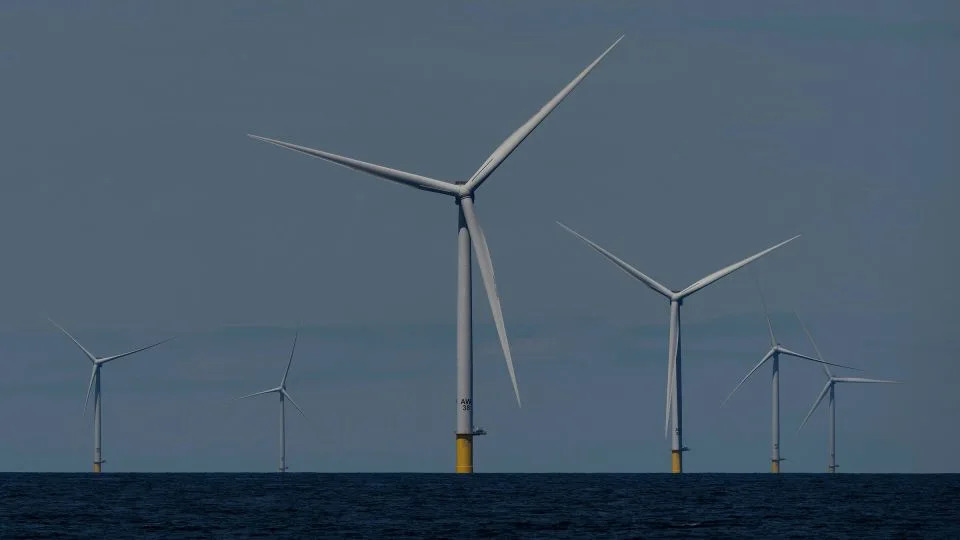
Wind turbines operate at Vineyard Wind 1 offshore wind farm, off the coast of Massachusetts, on July 19, 2025. - Carolyn Kaster/AP
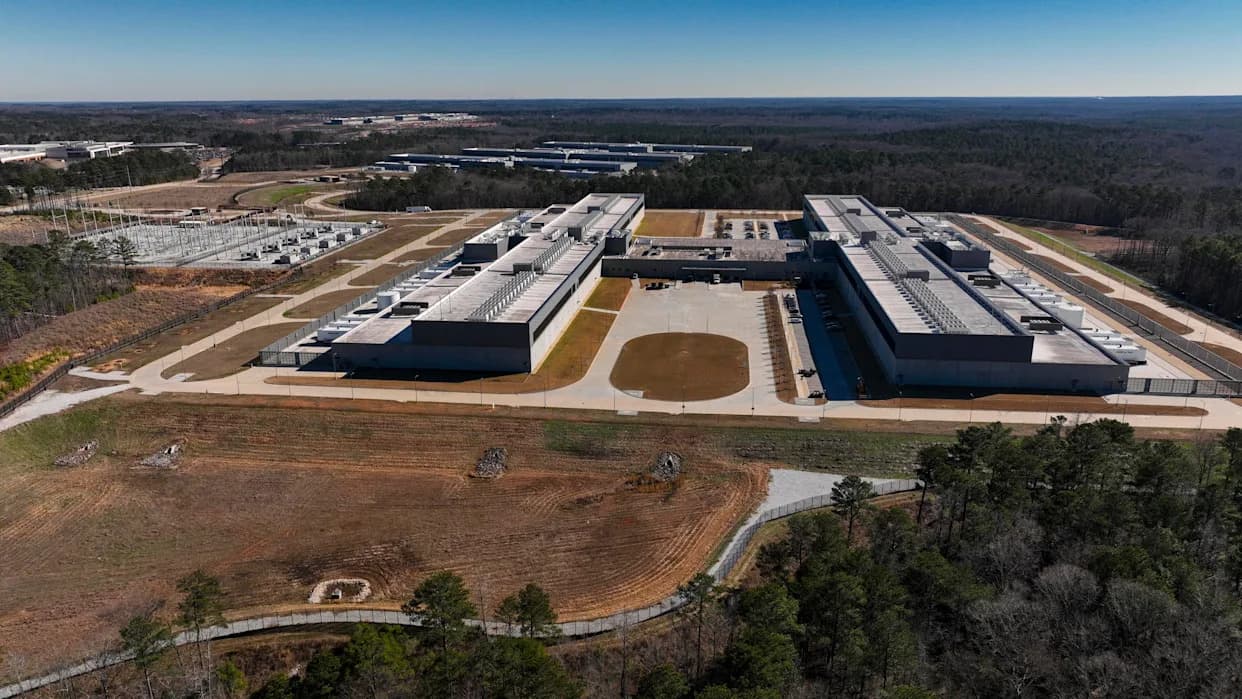
Mid-Atlantic and Midwest: States including Pennsylvania, Ohio, New Jersey, Indiana and Maryland have seen some of the largest price jumps, in part because rapid growth in data centers has increased electricity demand faster than local supply.
Policy Choices, Fossil Fuels, And Renewables
The White House has highlighted high prices in several blue states to argue for expanded coal and natural gas use. White House spokeswoman Taylor Rogers said lowering electricity prices is a top priority and that the administration is "aggressively unleashing reliable energy sources like coal and natural gas."
"That is a very significant increase that significantly outpaces inflation during this time,"
- Charles Hua, PowerLines founder and executive director, on the roughly 40% rise since 2021.
But analysts warn that forcing older coal plants to remain online and leaning more heavily on fossil fuels could raise costs over time. Example: when the administration required the J.H. Campbell coal plant in Michigan to continue operating, that decision cost ratepayers approximately $80 million in the first four months beyond its planned retirement, according to Michigan Public Service Commission Chair Dan Scripps.

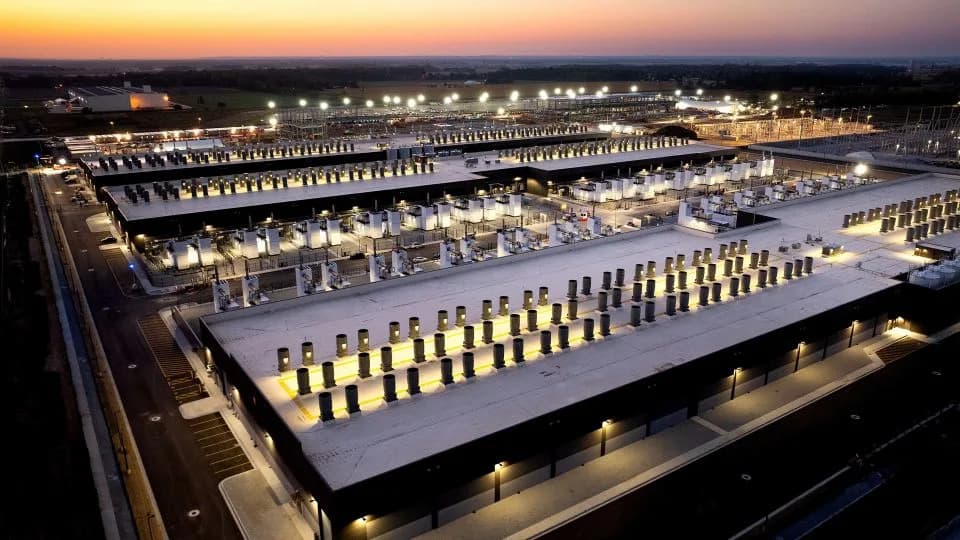
A technician works at an Amazon Web Services AI data center in New Carlisle, Indiana, on October 2, 2025. - Noah Berger for Amazon Web Services/Reuters
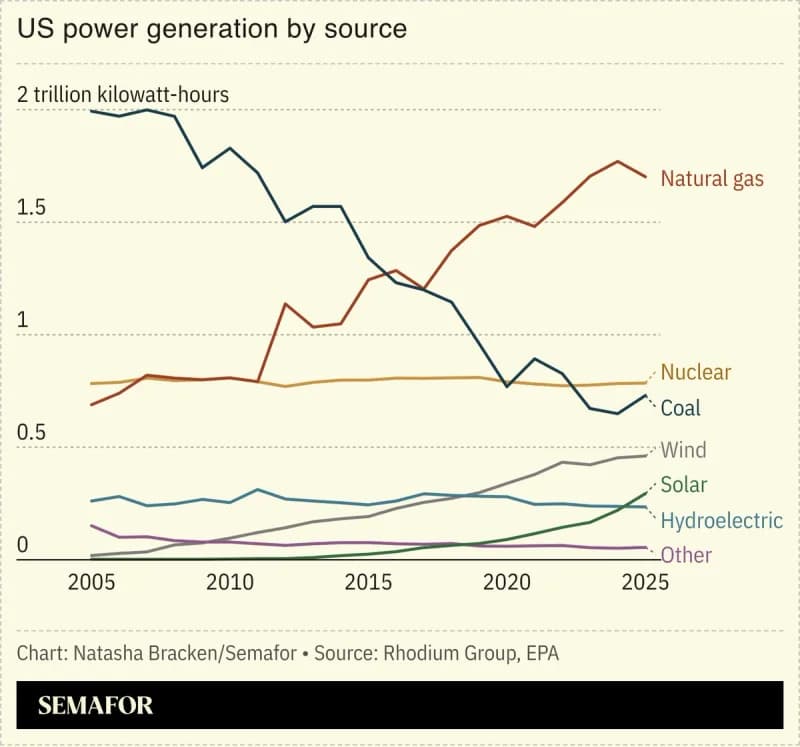
At the same time, renewables remain a significant and bipartisan source of power. Many Republican-leaning states — including Texas, Iowa, North Dakota and Kansas — rely heavily on onshore wind and maintain relatively low retail prices. Wind and solar have near-zero fuel costs, which can help stabilize long-term rates once projects are built.
Fuel Prices, Volatility And Infrastructure Costs
Natural gas is the largest single source of U.S. electricity generation and also heats many homes; gas price spikes ahead of winter storms have pushed up electricity bills. Utilities frequently recoup fuel and extraordinary weather-related costs over multiple years, so short-term volatility can leave a longer-lasting imprint on rates.
Broadly, higher bills reflect a combination of expensive maintenance and upgrades to aging infrastructure, regional supply constraints, growing demand (notably from data centers and AI workloads), extreme weather and some policy decisions that keep older, less efficient plants operating.
Looking Ahead
A 2024 Department of Energy report estimated that data centers could consume between 6.7% and 12% of U.S. electricity by 2028 — a trend that will intensify grid pressures and complicate cost allocation between large commercial users and residential customers. Federal regulators, utilities and state governments are grappling with how to assign costs fairly as demand patterns shift.
In short, high electricity prices are not solely the product of one party's energy policies; they are the outcome of a complex mix of regional factors, market forces and recent policy choices. Solutions will likely require a combination of infrastructure investment, smarter rate structures, clearer cost allocation for large users and careful consideration of how to balance reliability, affordability and emissions goals.
Sources: PowerLines, U.S. Energy Information Administration, U.S. Department of Energy, Edison Electric Institute, Energy Innovation, Harvard Law School Electricity Law Initiative, Michigan Public Service Commission.
Help us improve.