The APA has proposed a major revision of the DSM to allow layered diagnostic specificity, collect richer contextual and biological data, and create a framework to incorporate biomarkers when they are validated. The changes—set out in five papers in the American Journal of Psychiatry—aim to make the manual more scientifically robust while preserving clinical practicality. Experts remain cautious: reliable biomarkers do not yet exist for most psychiatric conditions, and dimensional alternatives to categorical diagnoses present implementation challenges.
APA Proposes Major Overhaul of the DSM — Adding Biomarkers and Flexible Diagnostic Layers

The American Psychiatric Association (APA) has unveiled plans to fundamentally revise the Diagnostic and Statistical Manual of Mental Disorders (DSM), the field's primary reference for diagnosing psychiatric conditions. The proposals, detailed across five papers in the American Journal of Psychiatry, aim to make the manual more scientifically oriented and clinically useful.
Why Change the DSM?
The fifth edition of the DSM catalogs nearly 300 diagnoses, but many researchers and clinicians argue that its categorical system is not firmly grounded in biological science. Critics say the manual's boundaries—drawn from symptom clusters—can obscure underlying biology and complicate research and care.
What the APA Is Proposing
- Flexible Diagnostic Specificity: Clinicians would be able to record diagnoses at varying levels of detail, from broad syndromic descriptions to more specific labels when evidence supports them. This change aims to reduce forced certainty in situations such as emergency evaluations.
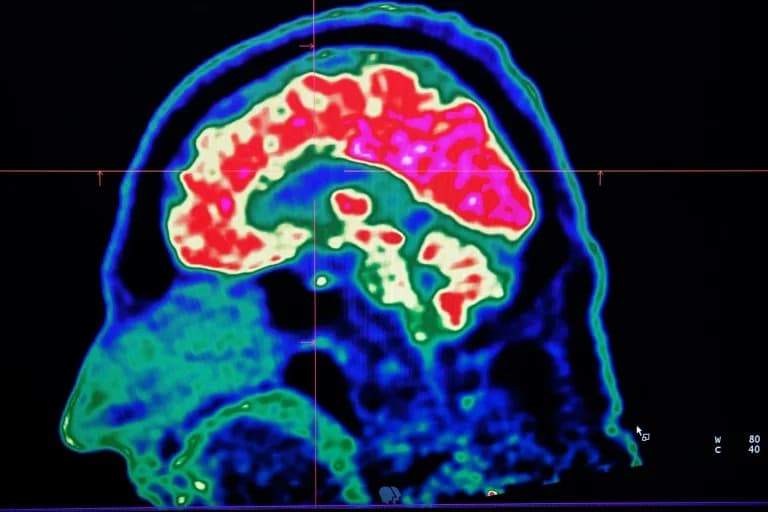
- Richer Patient Data: The DSM would create structured space to capture contextual information (socioeconomic status, medical comorbidities, quality of life), co-occurring symptoms (anxiety, anhedonia), and biological data (genetic markers, other biomarkers).
- Biomarker Framework: Although validated biomarkers for most psychiatric conditions do not yet exist, the committee wants the manual to be able to incorporate them in the future in a rigorous, transparent, ethical, and clinically useful way.
“We have to do it right, so it might take a little bit of a time, but we’ll try and do it as fast as possible because the field is ready for it,” said APA psychiatrist Nitin Gogtay.
Debate And Limitations
Experts are divided. Supporters say the proposals could bring diagnosis closer to biology and improve individualized care. Detractors warn that biomarkers are not yet proven for psychiatric disorders and could require costly, invasive tests that add little practical value. Psychologist Ashley Watts cautions that attempting to satisfy diverse stakeholders risks pleasing none, while Steve Hyman notes that past hopes that DSM categories would map neatly onto genetics or brain imaging have not been realized.
Some researchers advocate for dimensional models that see symptoms on spectrums rather than discrete categories; the Hierarchical Taxonomy of Psychopathology (HiTOP) is one such alternative. The APA committee acknowledges these debates and intends to refine the proposals through broad input from clinicians, scientists, patients, and families before any new edition is finalized.
What This Means Going Forward
The reforms are designed to be iterative: the DSM would be structured to adopt new biological findings when they meet standards of validity and clinical utility. For now, the change is largely conceptual—preparing the field and the manual to integrate future scientific advances while offering clinicians more nuanced ways to document and communicate uncertainty.
Help us improve.