Mars does not produce Earth-style rainstorms but it does experience powerful dust storms that can generate electrical discharges. Researchers first detected lightning-like radio bursts from Mars more than a decade ago, and the Perseverance rover recorded spark-like sounds in late 2025. Collisions between fine dust and larger sand grains separate positive and negative charge, producing faint, neon-like discharges that emit radio and X-ray waves. Studying these discharges helps scientists understand Martian atmospheric chemistry and the planet’s potential role in prebiotic processes.
Are There Thunderstorms on Mars? How Dust Storms Produce Lightning on the Red Planet
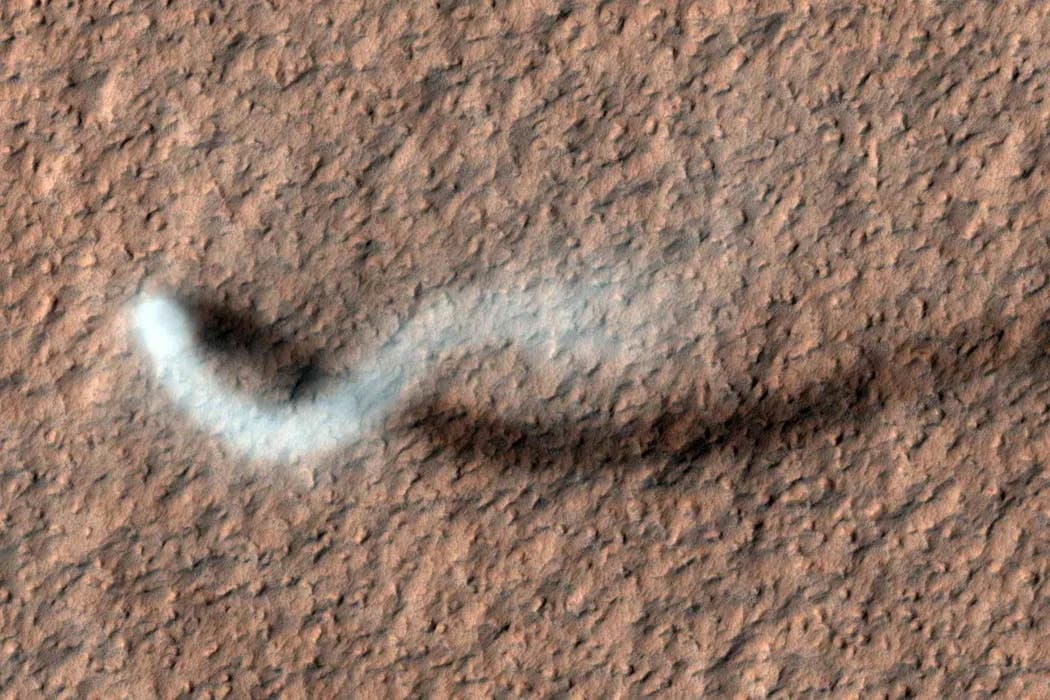
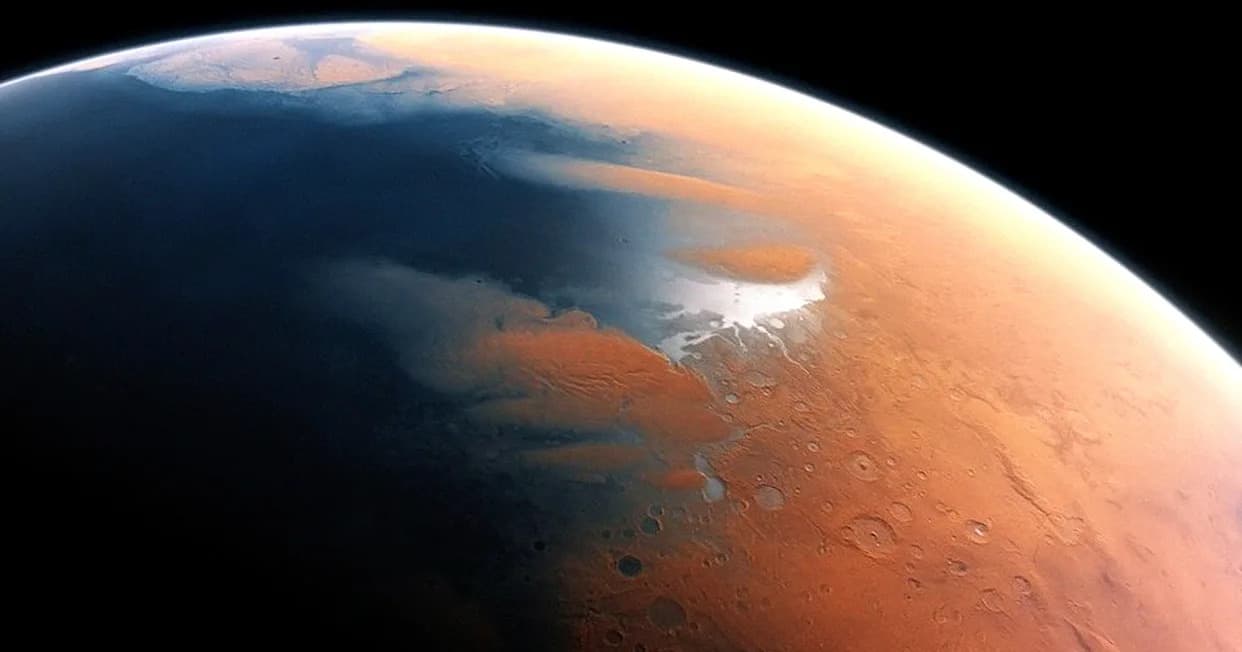
Mars doesn't get rain like Earth does, but dust storms are common on the red planet.NASA/JPL-Caltech/Univ. of Arizona
Question from Cade, age 7, Houston, Texas: Are there thunderstorms on Mars?
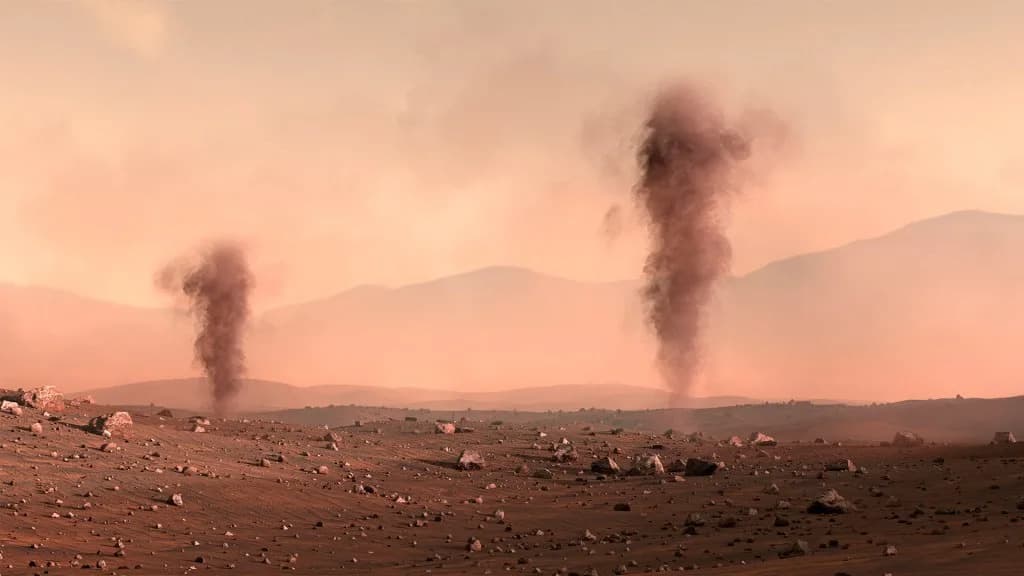
Mars doesn’t have the wet, rolling thunderstorms we get on Earth because it is extremely dry and has almost no liquid water in its atmosphere. Instead, Mars has enormous, fast-moving dust storms that can reach tens of kilometers high. Remarkably, these dust storms can produce electrical discharges — a Martian form of lightning — and generate sounds and radio signals similar to those made by lightning on Earth.
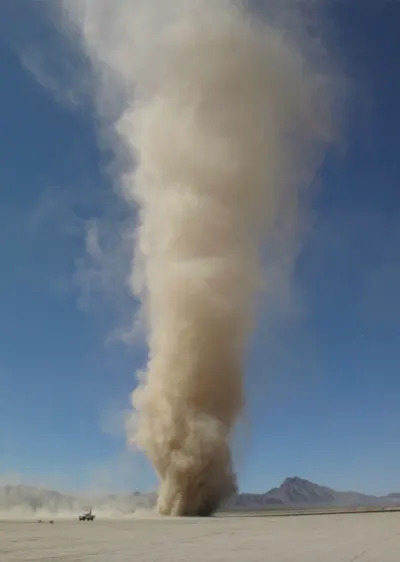
Mars dust storms are many times larger and taller than this large terrestrial dust devil photographed in a valley near Las Vegas. Fernando Saca, University of Michigan
How Lightning Forms on Mars
On Earth, lightning usually forms inside large water-cloud systems as ice and water droplets separate charge. Mars lacks such clouds, so the mechanism is different but still based on the same physics: charged particles. When wind-driven dust storms whip fine dust and coarser sand into turbulent motion, collisions and friction transfer electric charge between particles. Laboratory and field studies show smaller dust grains tend to gain positive charge while larger sand grains become negative. The lighter, positively charged dust rises and the heavier, negatively charged sand stays lower, producing separated regions of opposite charge. When the electrical energy between those regions becomes large enough, it is released as an electrical discharge — an effect analogous to lightning.
What Does Martian Lightning Look And Sound Like?
Because the Martian atmosphere near the surface is about 100 times less dense than Earth’s, visible discharges are expected to be faint, perhaps resembling the soft glow inside a neon lamp more than a bright Earthly bolt. Lightning also emits energy outside the visible range — including X-rays and radio waves. The thin atmosphere, along with the electrically conducting ground and upper atmosphere, channels those radio waves into distinctive frequency patterns that scientists can detect with radio antennas.
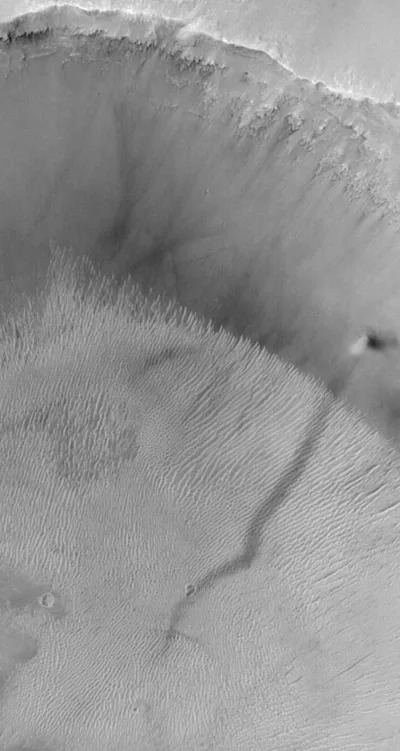
The dust devil shown creates a dark track as it lifts the small and brighter dust particles. Mars Global Surveyor/NASA/JPL/Malin Space Science Systems
How Scientists Detected It
More than ten years ago, my colleagues and I reported the first evidence of lightning-like radio bursts from Mars. To look for a source, we used the large radio dishes that NASA uses to communicate with spacecraft and listened to Mars for five to eight hours a day over a three-week period during dust-storm season. We found radio bursts with frequencies similar to those produced by lightning on Earth, and we matched the timing of these bursts to orbital images showing a dust storm about 25 miles (40 kilometers) tall — strengthening the link between the radio signals and electrical discharges in dust storms.
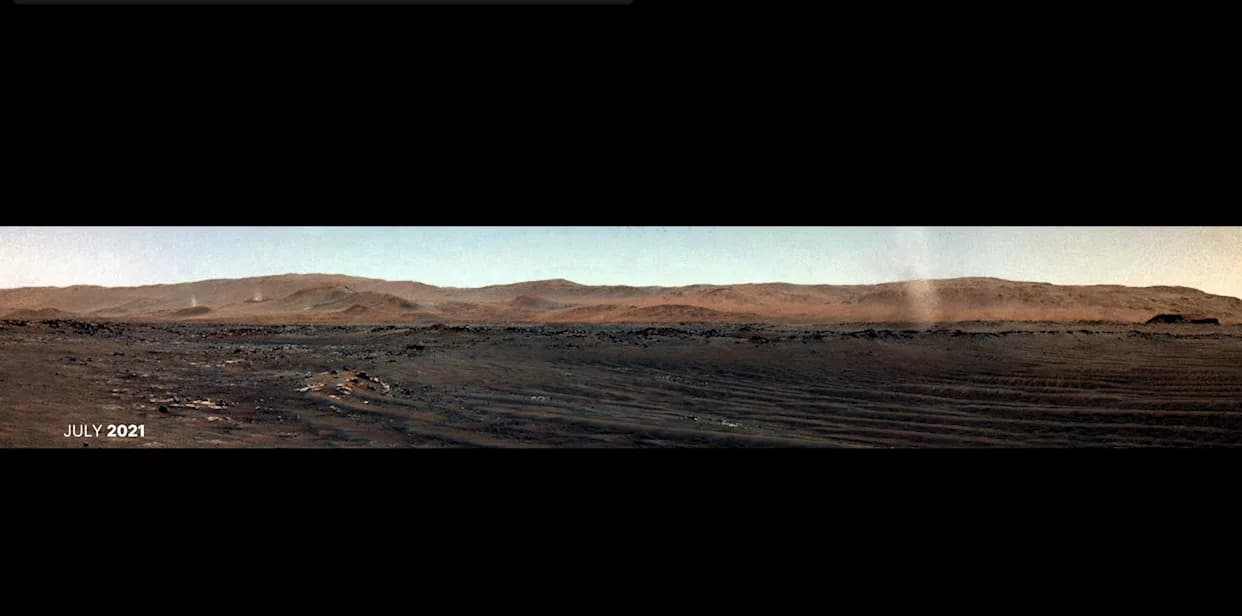
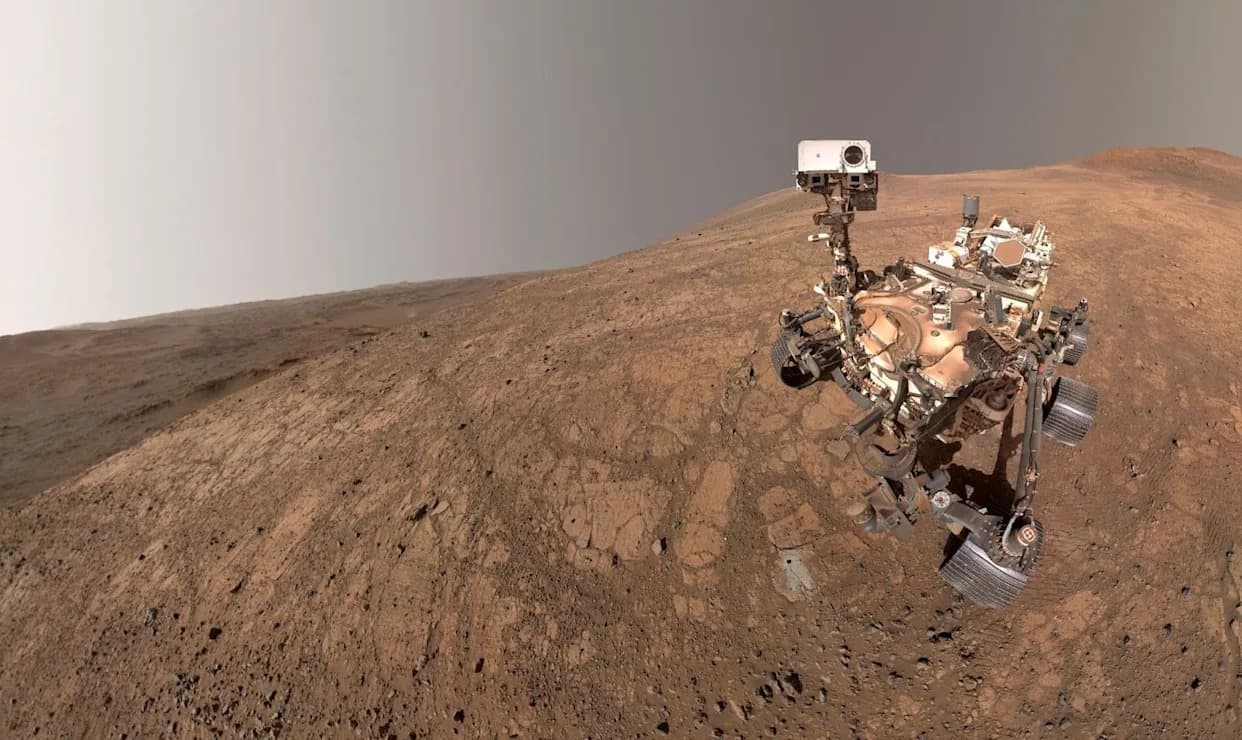
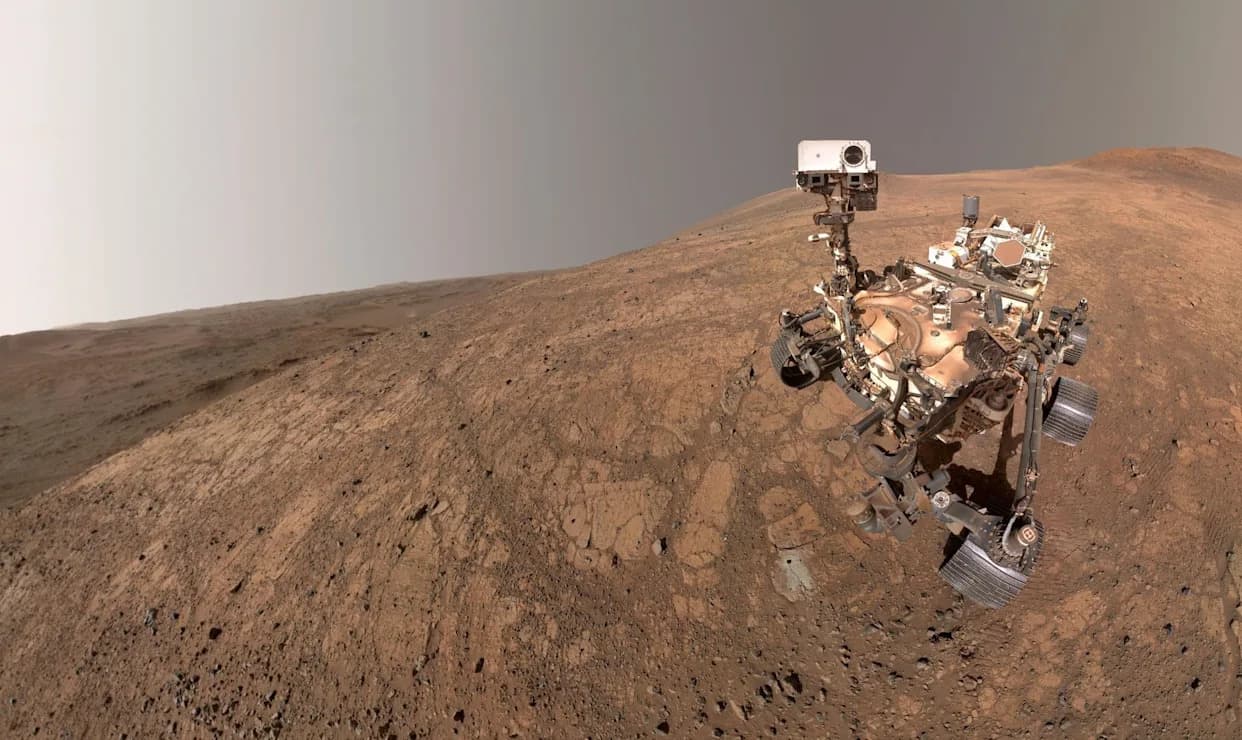
In late 2025, NASA’s Perseverance rover recorded short, electric-spark–like noises on its microphone as small, dust-twisting vortices passed by. Those recordings sound similar to the radio and spark noises produced by electrical discharges on Earth and provide further evidence that Martian dust storms produce lightning-like activity.
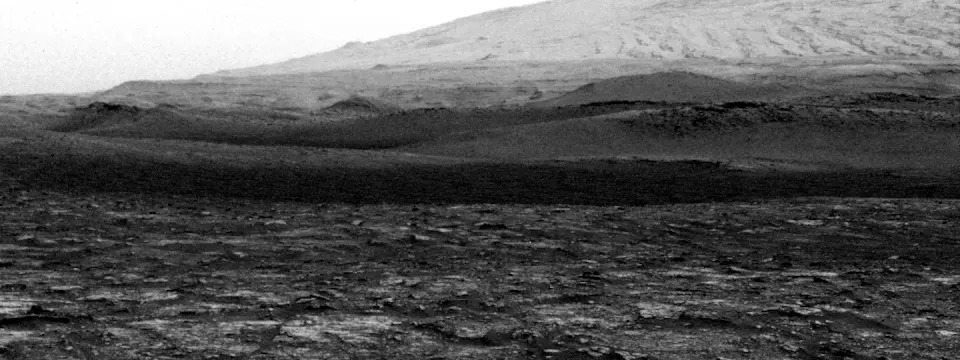
A dust devil travels across the Martian landscape.NASA/JPL-Caltech,CC BY
Why This Matters
Electrical discharges can trigger chemical reactions in an atmosphere. On early Earth, lightning helped convert simple atmospheric molecules like nitrogen and carbon dioxide into more complex molecules such as amino acids — the building blocks of proteins. If similar processes occurred on Mars in the past, lightning in dust storms could have contributed to chemical pathways relevant to prebiotic chemistry and the planet’s habitability.
In short: Mars does have storms, but they are dry, dusty and different from Earth’s wet thunderstorms. Those dust storms can separate electric charge and produce lightning-like discharges that emit radio and X-ray energy. Scientists continue to study Martian electrical activity to learn more about the planet’s atmosphere, geology and possible role in chemical processes important to life.
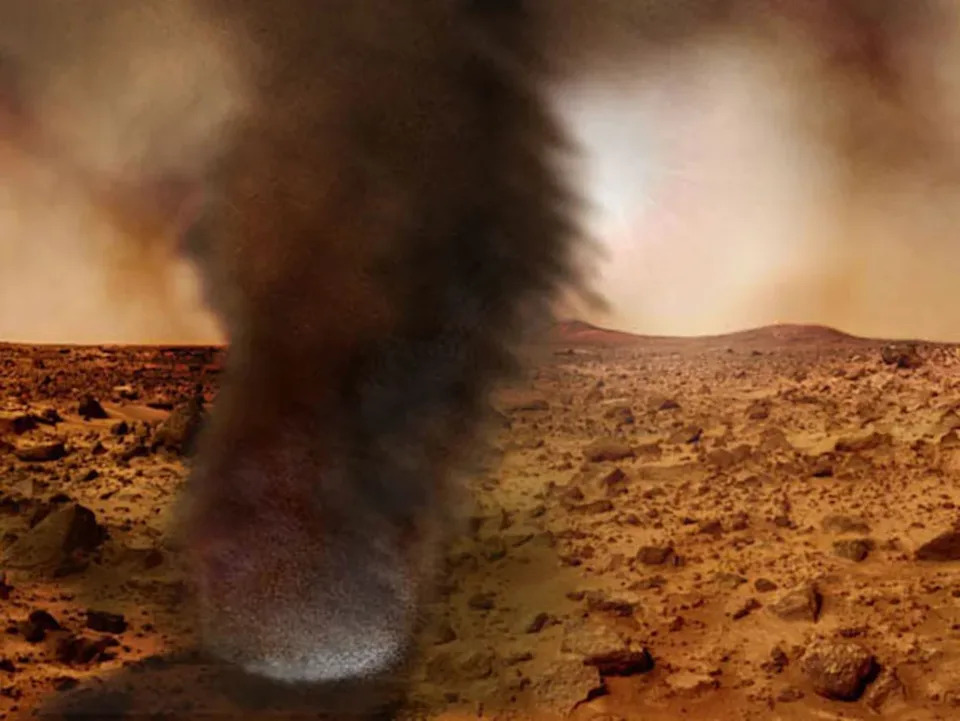
Artistic impression of a glowing dust devil on Mars. Instead of lightning, electric discharges on Mars dust storms are expected to produce a glow-like discharge like that illustrated in the bottom of this dust devil. Nilton Renno, University of Michigan
By Nilton O. Rennó, University of Michigan.
If you have a question for Curious Kids, ask an adult to send it to CuriousKidsUS@theconversation.com. Please include your name, age and city.
Help us improve.