A University of Texas at Austin team used Odyssey orbiter data to map valley networks and reconstructed 16 major Martian drainage basins (≥100,000 km²). Although these large basins cover only about 5% of Mars' surface, they contain roughly half of the planet's eroded sediment, making them prime targets for preserved biosignatures. Because longer river paths drive more water–rock interaction, ancient basin sediments are especially promising for future landers and sample-return missions.
Mars Treasure Map: 16 Ancient River Basins That Could Hide Traces Of Past Life
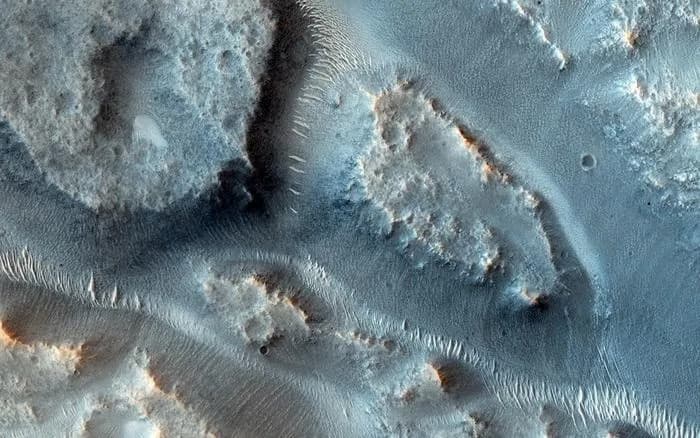
The Martian Treasure Map That Could Lead to Ancient Aliens
Mars is best known today for its rust-red deserts, but multiple lines of geological evidence show the planet was once cut by rivers and dotted with lakes. A new study published in PNAS by researchers at the University of Texas at Austin reconstructs ancient Martian drainage networks and identifies 16 major basins that may concentrate sediments and preserve signs of past life.
How The Team Worked
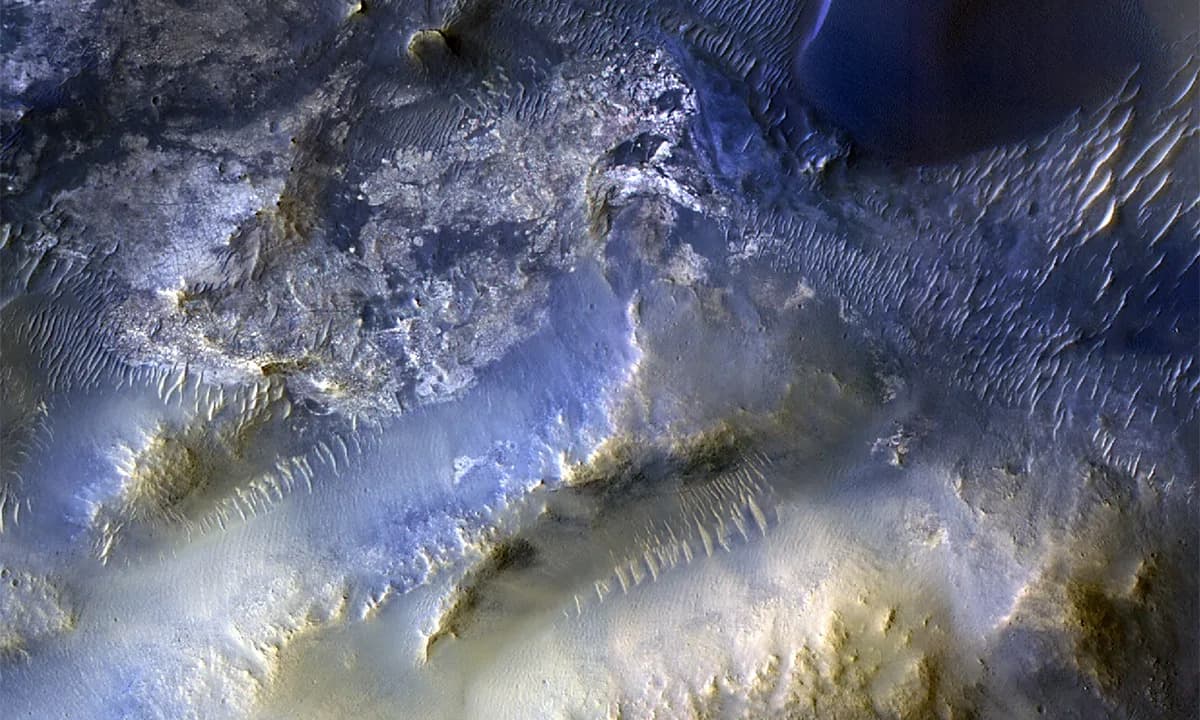
The authors used topographic and imaging data from NASA's Odyssey orbiter to map valley networks, channels, lakes and sedimentary deposits. By assembling these features into coherent drainage systems, they revealed how ancient water likely flowed across the landscape. As lead author Abdallah S. Zaki put it:
"We did the simplest thing that could be done — we just mapped them and pieced them together."Co-author Timothy A. Goudge noted that while rivers on Mars have long been recognized, the global organization of those rivers into large-scale drainage systems was previously unclear.
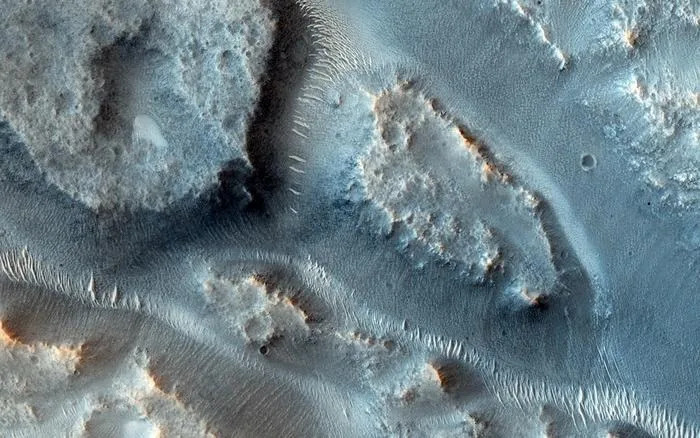
Mars Rivers
Principal Findings
The team identified 19 clusters of valley networks, streams, canyons and sedimentary deposits; 16 of those clusters connect into watersheds at least 100,000 square kilometers in area. Although such large basins cover only about 5% of Mars' surface, they account for roughly half of the planet's eroded sediment volume. That concentration makes these basins disproportionately important targets for searches for preserved biosignatures.
Mars lacks active plate tectonics, so its topography is generally less varied than Earth's and it developed fewer continental-scale drainage systems. Nevertheless, the mapped basins would have funneled water and sediment across long distances. Longer flow paths increase opportunities for water-rock chemical interactions, which both create and help preserve chemical signatures that could indicate past life.
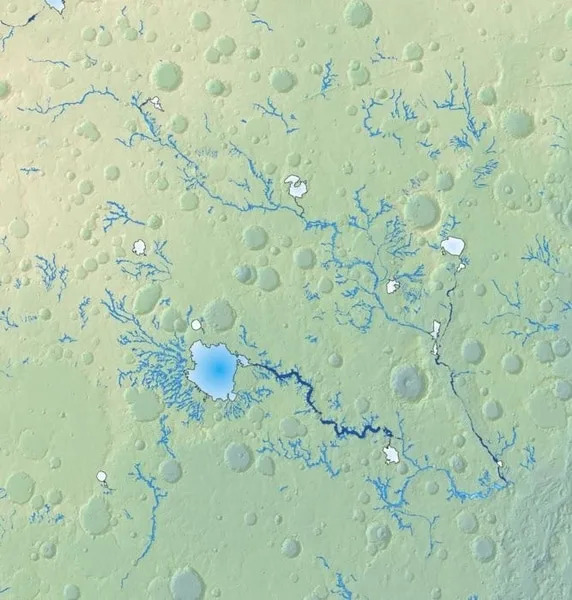
Paraná Valles
Why This Matters For Exploration
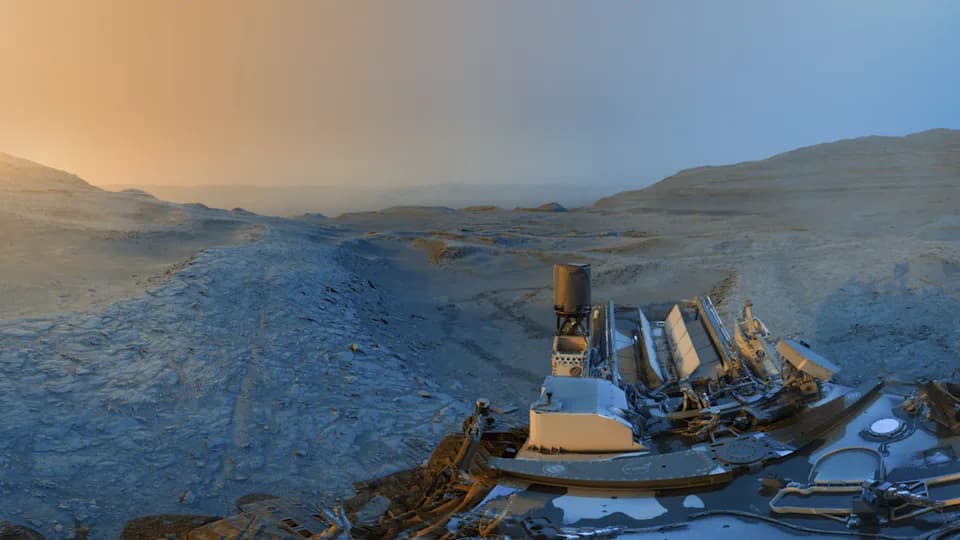
By pinpointing where sediments accumulated, the drainage map provides a prioritized set of locations for future landers, rovers and sample-return missions. Ongoing orbiters and rovers that continue to study Mars include Odyssey, ESA's Mars Express, NASA's Mars Reconnaissance Orbiter, and the Curiosity and Perseverance rovers; the status of MAVEN may be uncertain. Targeting ancient basin deposits — where sediments and organic-friendly minerals are likeliest to accumulate — should improve the odds of detecting preserved chemical traces of biology, if they exist.
Bottom line: The new map of ancient Martian rivers narrows the search for preserved biosignatures to a relatively small fraction of the planet that likely collected and protected the most promising sediments.
Help us improve.