Key takeaway: An Australian study found evidence that human cardiomyocytes can re-enter the cell cycle and regenerate after ischemic injury. Researchers analyzed living human heart tissue taken during bypass surgeries and used RNA sequencing to document post-infarct cell division. Proteins previously implicated in mouse-based regeneration were also identified in human samples, pointing to possible translational targets. Paired approaches that reduce inflammation (for example, an IL‑4 patch) and encourage cardiomyocyte proliferation could improve recovery after heart attacks.
New Study Finds Human Hearts Can Regrow Muscle Cells After a Heart Attack
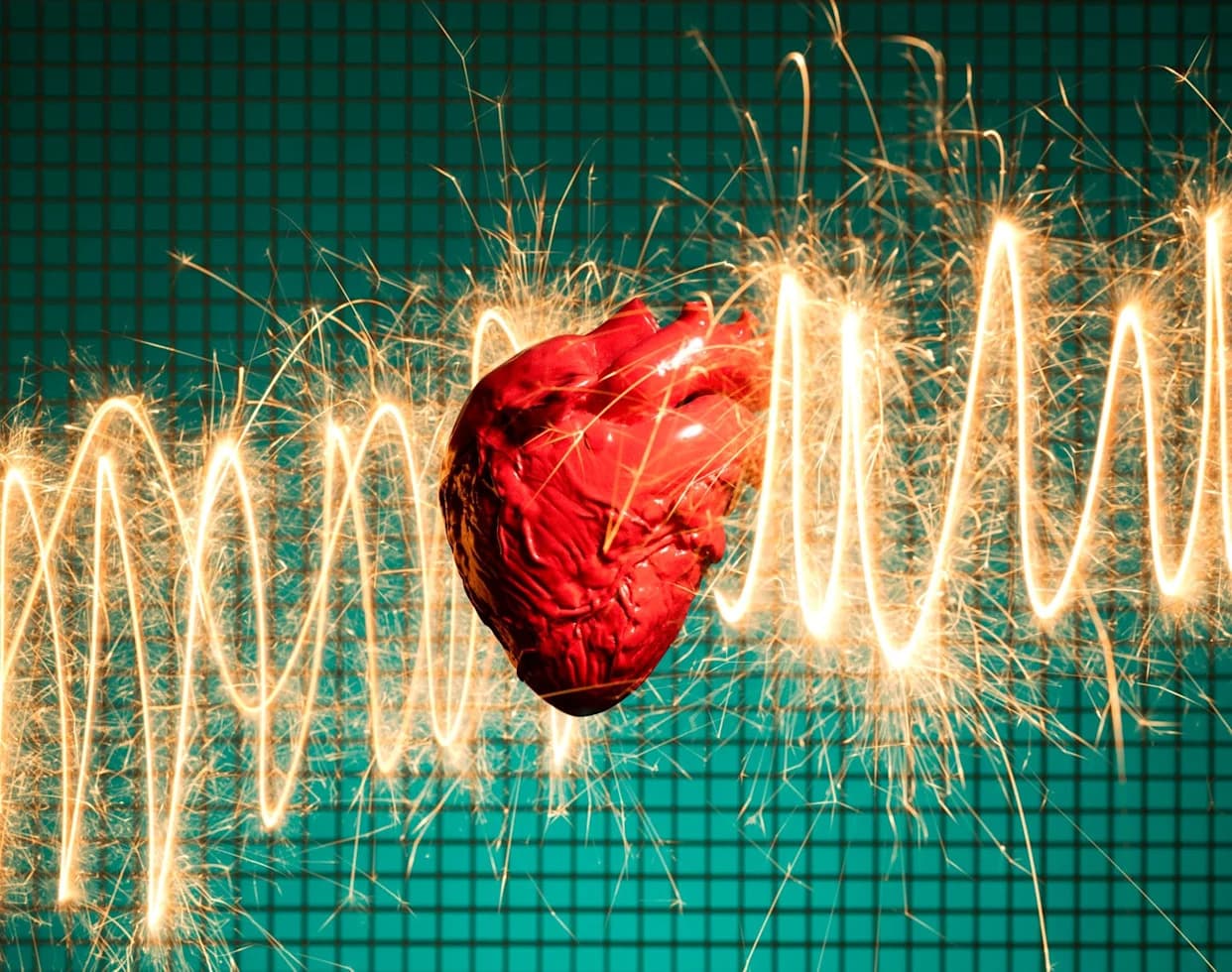
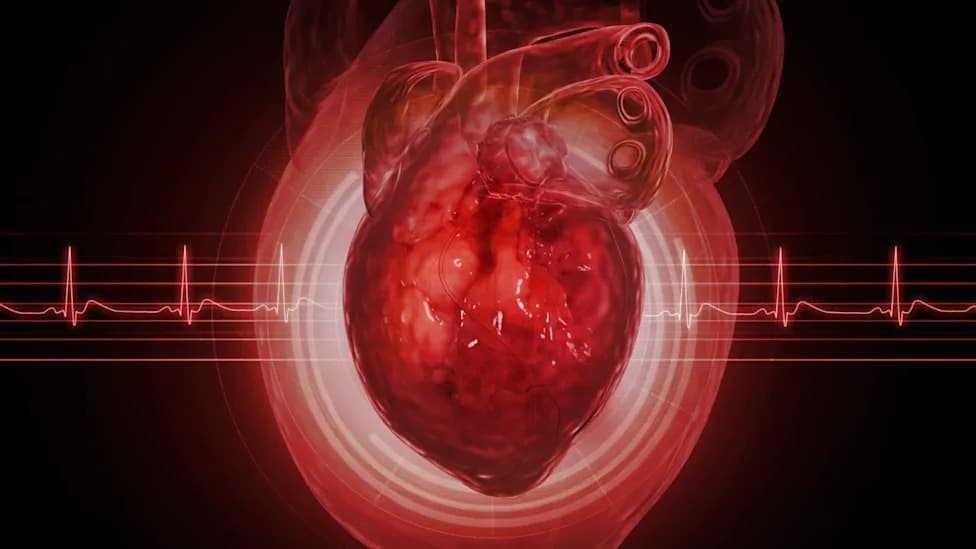
Your Heart Can Repair ItselfPM Images - Getty Images
The human heart can lose up to one-third of its muscle cells after a severe heart attack. Until now, that cell loss was widely considered permanent. A new Australian study, however, provides evidence that human cardiomyocytes (heart muscle cells) can re-enter the cell cycle and regenerate after ischemic injury.
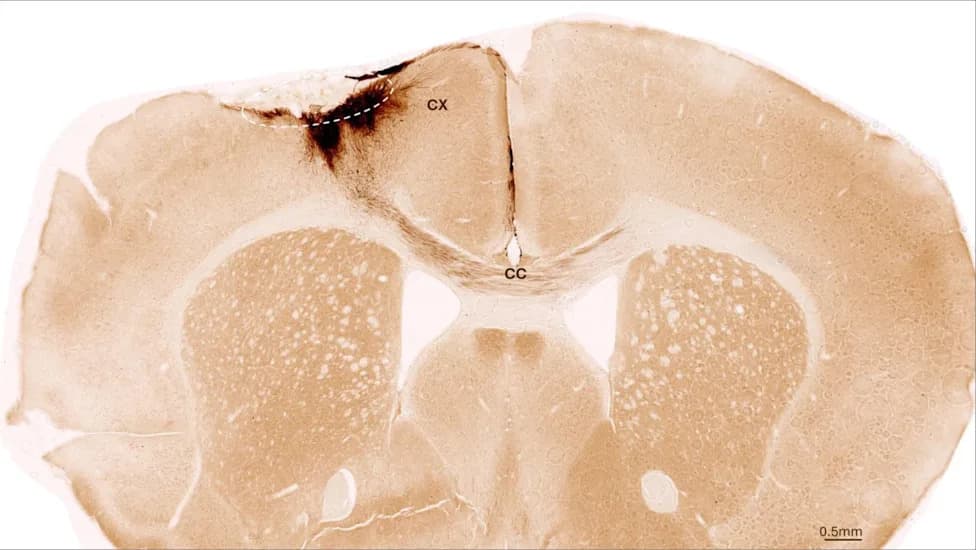
The research team—based at the University of Sydney, the Baird Institute and Royal Prince Alfred Hospital—collected consented tissue samples from living patients during bypass surgeries performed after myocardial infarction. Investigators sampled both healthy and injured regions and applied a battery of assays and RNA sequencing analyses to identify signs of cardiomyocyte mitosis (cell division) in damaged tissue.
“Until now we’ve thought that, because heart cells die after a heart attack, those areas of the heart were irreparably damaged,” said Robert Hume, the study’s lead author at the Baird Institute. “Our research shows that while the heart is left scarred after a heart attack, it produces new muscle cells, which opens up new possibilities.”
The study identified proteins in human samples that have previously been linked to heart regeneration in mice. That overlap strengthens the case for translating mechanisms discovered in animal models into human therapies, although the authors emphasize this is an early and cautious step toward clinical application.
Complementary therapeutic approaches are already under investigation. For example, a November 2025 study from Texas A&M tested a patch that delivers interleukin‑4 (IL‑4) particles to the injured heart. The IL‑4 patch aims to shift macrophages from an inflammatory state to a reparative one, reducing scar formation and creating a more favorable environment for tissue repair.
What this means: The new findings suggest the human heart retains some capacity for renewal after ischemia. Combining strategies that reduce harmful inflammation (such as the IL‑4 patch) with therapies that boost cardiomyocyte proliferation could eventually improve recovery and reduce progression to heart failure. The authors caution, however, that more research is needed to confirm the extent of regeneration and to develop safe, effective treatments.
“Already, our research using these samples has identified several proteins that have previously been shown to be involved in regeneration in mice—which is an exciting prospect to now translate to humans,” said Sean Lal, senior author at Royal Prince Alfred Hospital.
The study appears in the journal Circulation Research. While it does not claim an immediate cure, it provides the first direct evidence of post-infarct cardiomyocyte mitosis in human tissue and highlights molecular targets for future work aimed at preventing long-term complications of heart attacks.
Help us improve.