A new study in Nature Communications found that the upside-down jellyfish Cassiopea andromeda and the sea anemone Nematostella vectensis spend about one-third of each day in sleep-like states. Experiments showed that sleep deprivation raised neuronal DNA damage, while UV exposure or mutagens increased damage and triggered longer sleep. Melatonin promoted rest and reduced DNA damage, suggesting sleep’s evolutionary origin may be an ancient cellular maintenance process that protects neurons.
Even Brainless Jellyfish Sleep — And That May Explain Why Rest Protects Our Neurons
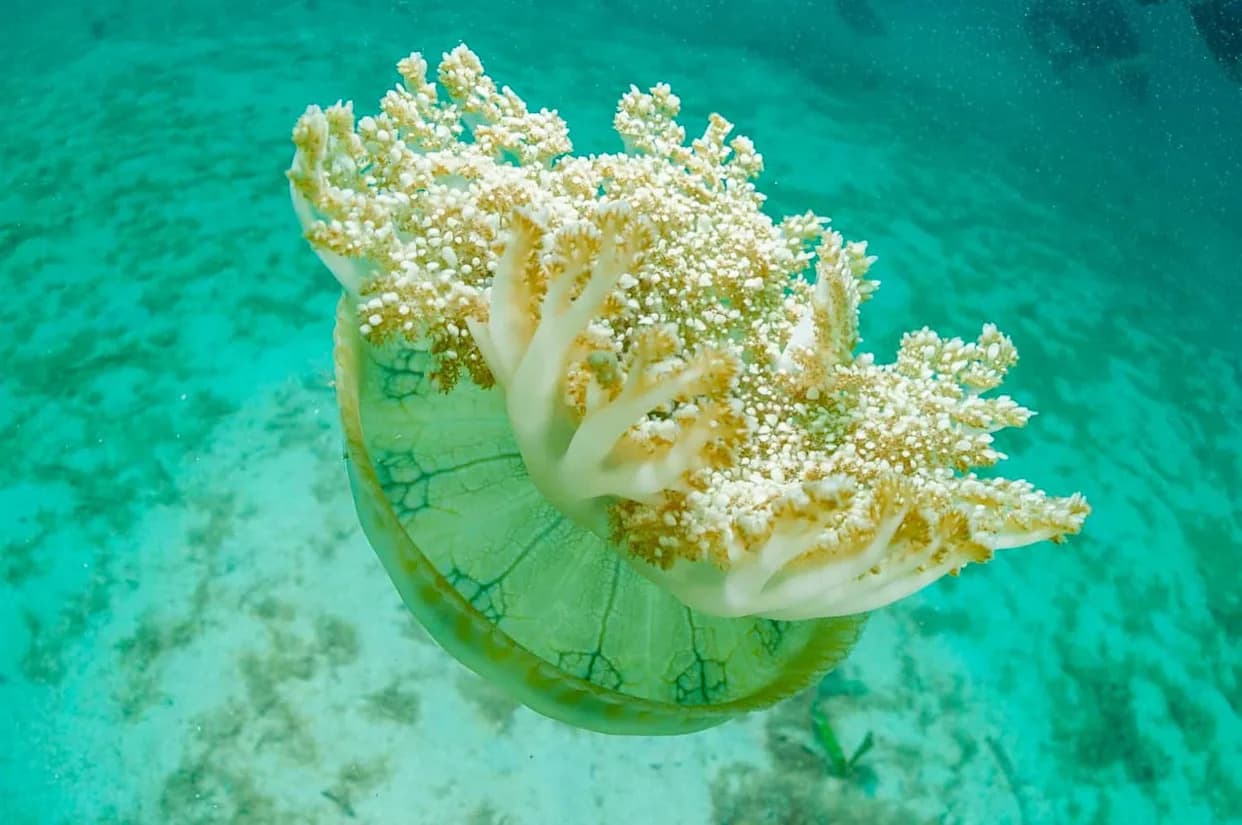
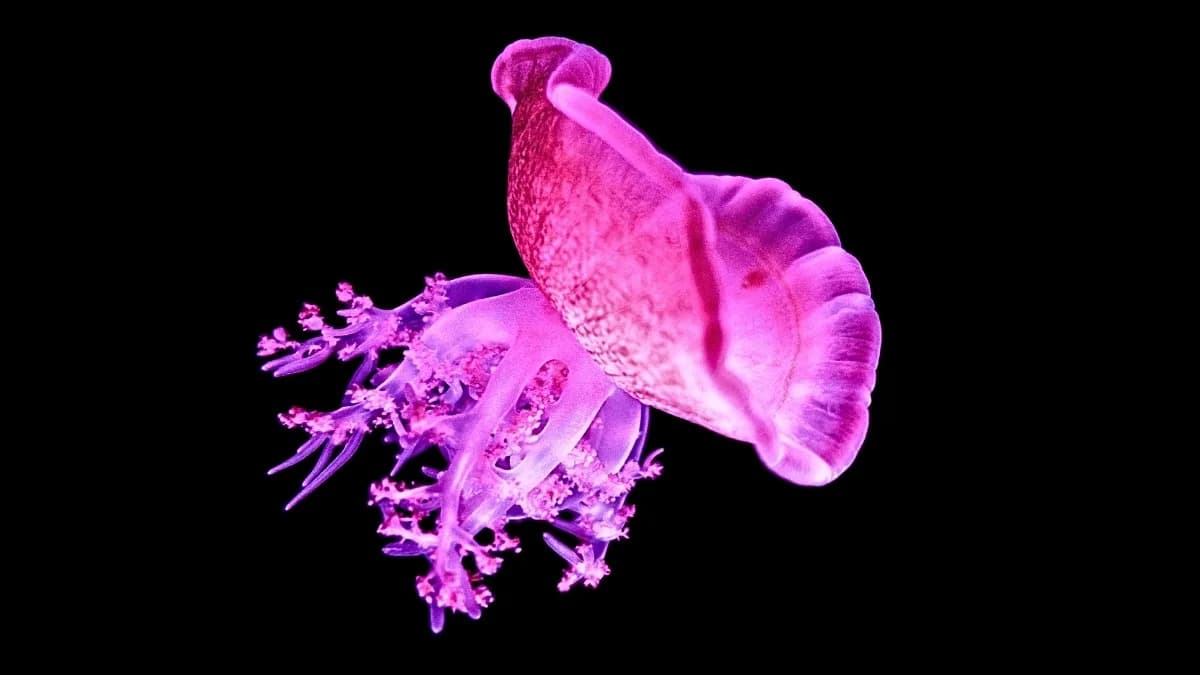
Upside-down jellyfish (Cassiopeia xamachana) Roatan, Honduras© Jesus Cobaleda/Shutterstock.com
Sleep is nearly universal across animals, but its original purpose remains debated. A new study in Nature Communications shows that jellyfish and sea anemones—animals without centralized brains—enter sleep-like states that appear to protect neuronal DNA from damage. These findings suggest sleep evolved, at least in part, as an ancient cellular maintenance process.
What the Researchers Did
Scientists led by teams at Bar-Ilan University studied the upside-down jellyfish Cassiopea andromeda and the starlet sea anemone Nematostella vectensis. Using infrared video tracking and controlled lab experiments (and observations in natural settings), they monitored activity rhythms, responsiveness to stimuli, and recovery after forced wakefulness. The team also measured molecular markers of DNA damage in nerve cells and tested responses to stressors such as ultraviolet (UV) radiation and chemical mutagens. Finally, they examined how melatonin—known to promote sleep in many animals—affected rest and DNA damage.
Major Findings
- Both species spent roughly one-third of each day in consolidated, low-activity states with reduced responsiveness—behaviorally similar to sleep.
- Forced sleep deprivation increased markers of DNA damage in neuronal cells.
- Exposure to UV light or chemical mutagens raised neuronal DNA damage and led to longer sleep periods afterward, consistent with a recovery response.
- Melatonin administration increased rest and was associated with reduced neuronal DNA damage.
Why This Matters
These results point to a two-way relationship between cellular stress and sleep: prolonged activity allows damage to accumulate in long-lived nerve cells, which then drives a need for rest; sleep offers a biochemical window when damage can be limited or repaired. Because jellyfish and anemones lack centralized brains, the findings suggest that sleep’s evolutionary origin may be a basic, ancient maintenance mechanism rather than a feature that evolved solely for cognition or memory.
Implications for Humans
While human sleep supports higher-order functions like memory and emotional regulation, this study strengthens the idea that one core role of sleep is cellular protection—particularly of neuronal DNA. That perspective helps explain why chronic sleep loss is linked with greater risk of cognitive decline and neurodegenerative disease: insufficient sleep could allow subtle damage to accumulate over time. In short, rest may be a deeply conserved strategy for preserving nervous-system integrity across hundreds of millions of years of evolution.
Bottom line: Even brainless animals sleep, and their rest appears to help protect fragile nerve cells—so your nightly sleep is not just restorative in the abstract, it may be doing molecular repair work that helps keep your neurons intact.
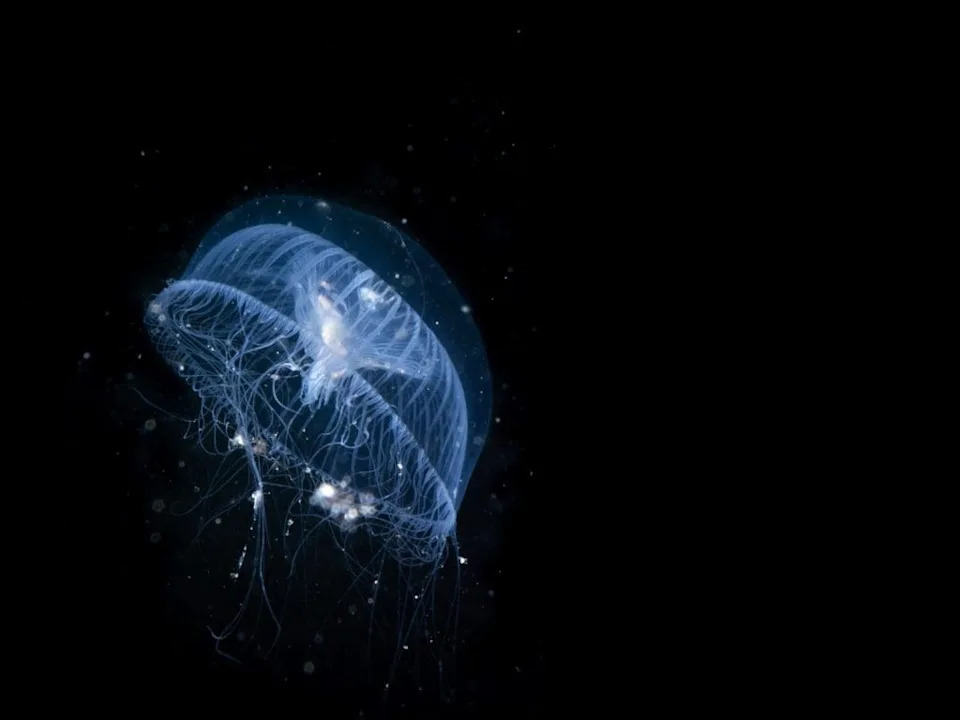
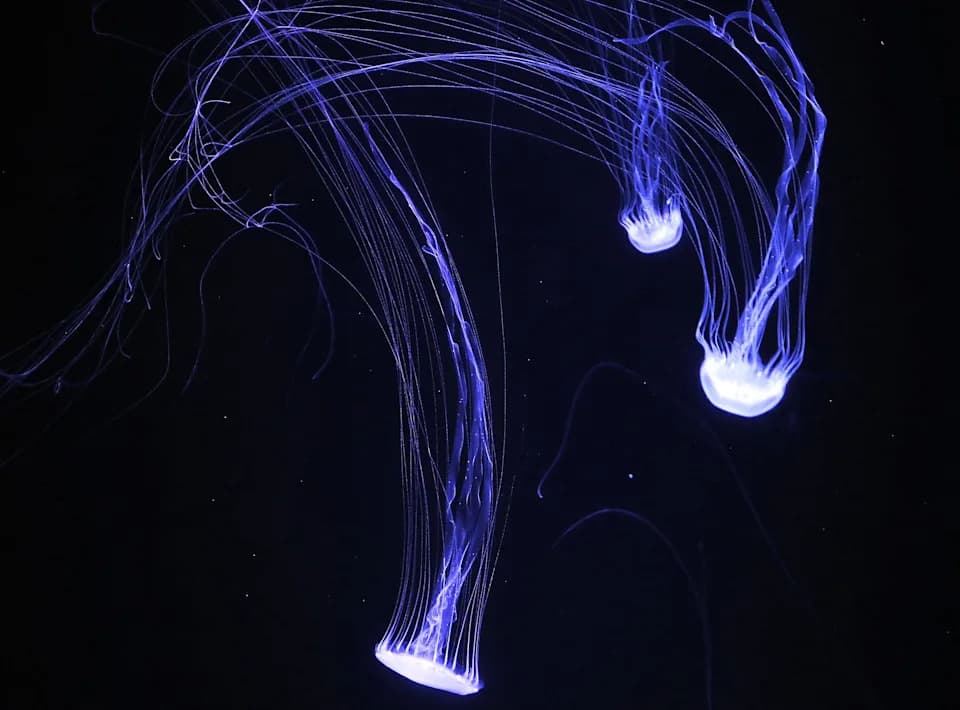
Despite lacking a brain, jellyfish possess nerve cells that still require rest and protection.©Wirestock Creators/Shutterstock.com
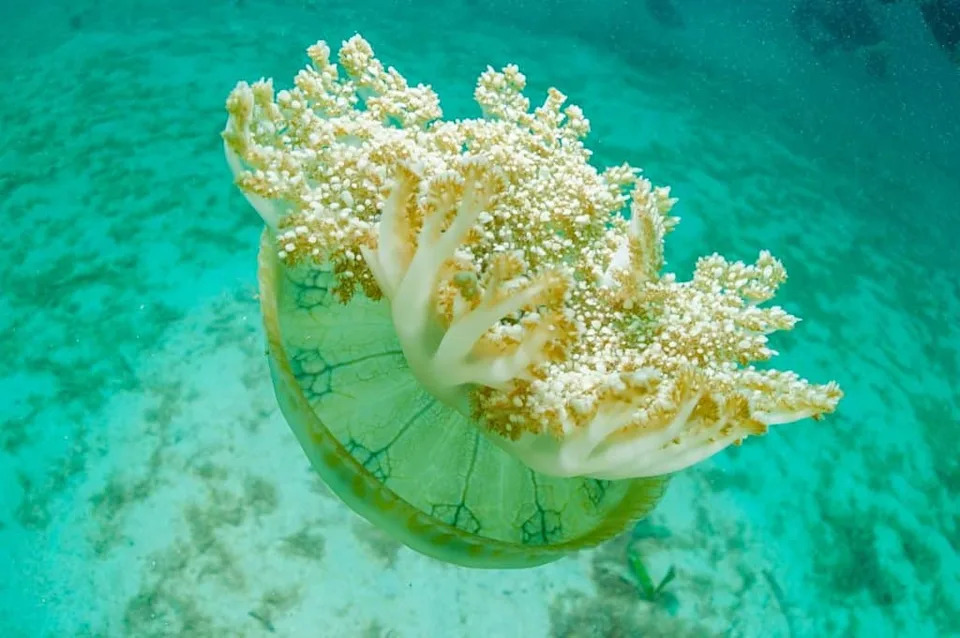
The upside-down jellyfish pulses more slowly during sleep-like states, showing reduced activity and responsiveness.©Jesus Cobaleda/Shutterstock.com
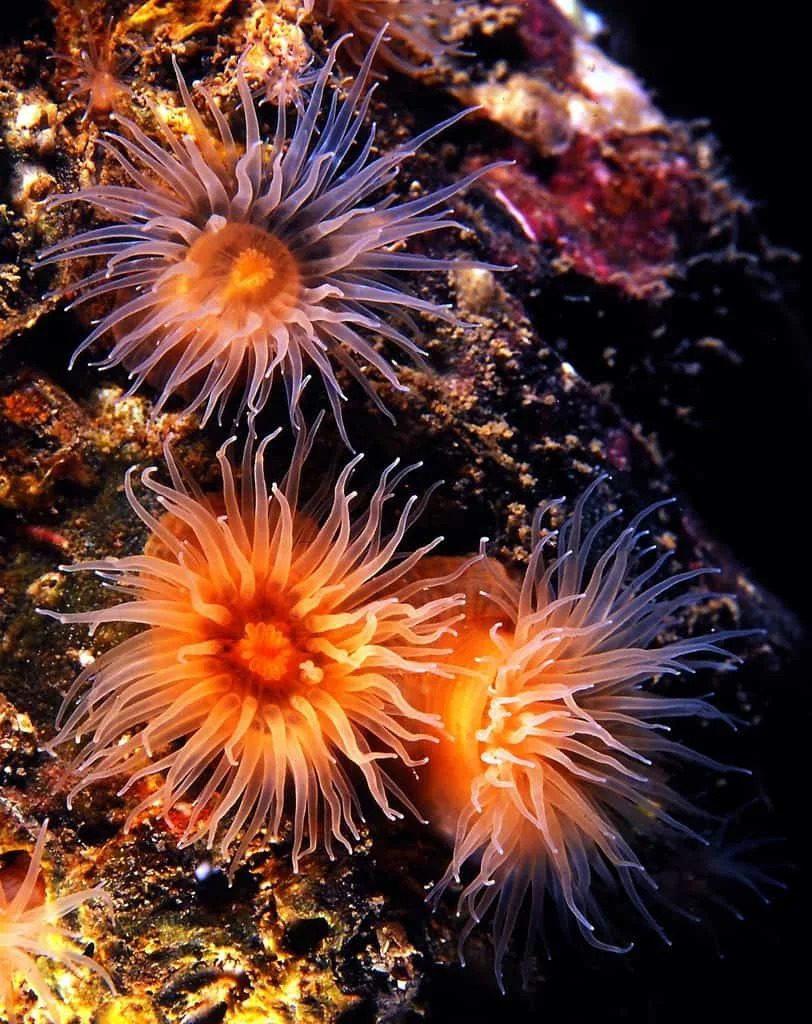
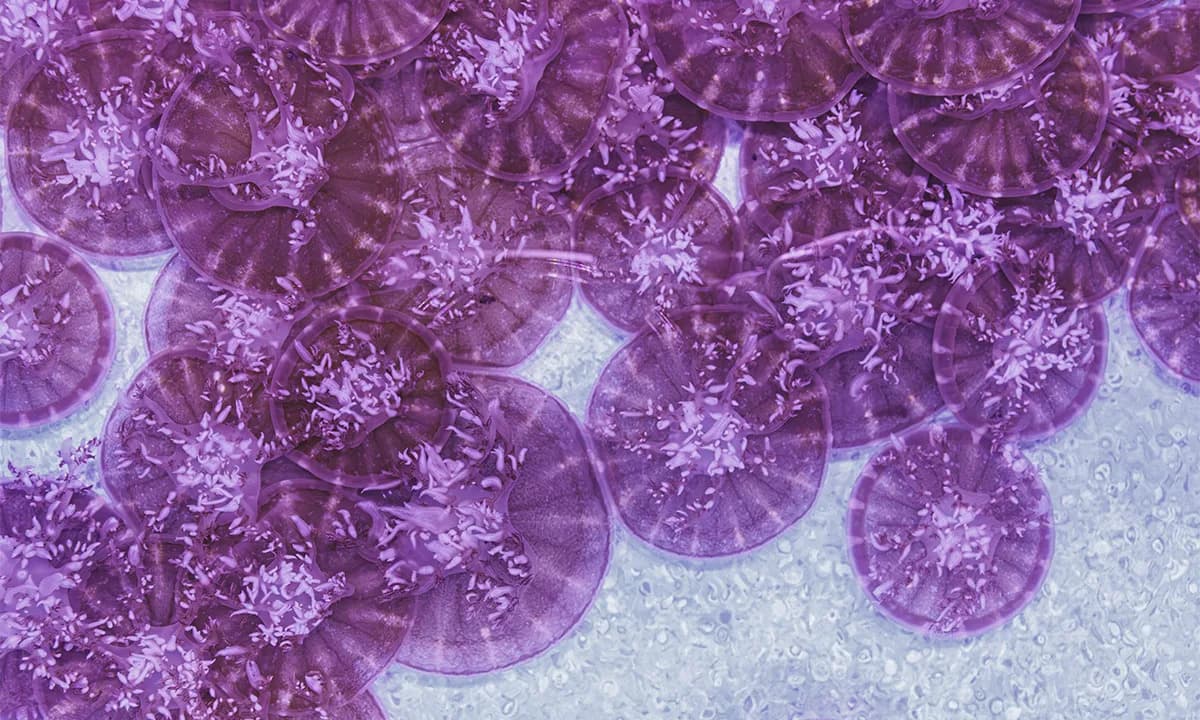
Sea anemones sleep mainly during daylight hours, highlighting how sleep timing varies across species.©valda butterworth/Shutterstock.com

Chronic sleep loss may increase the risk of degenerative brain diseases like Alzheimer’s and Parkinson’s.©Lisa Top/Shutterstock.com

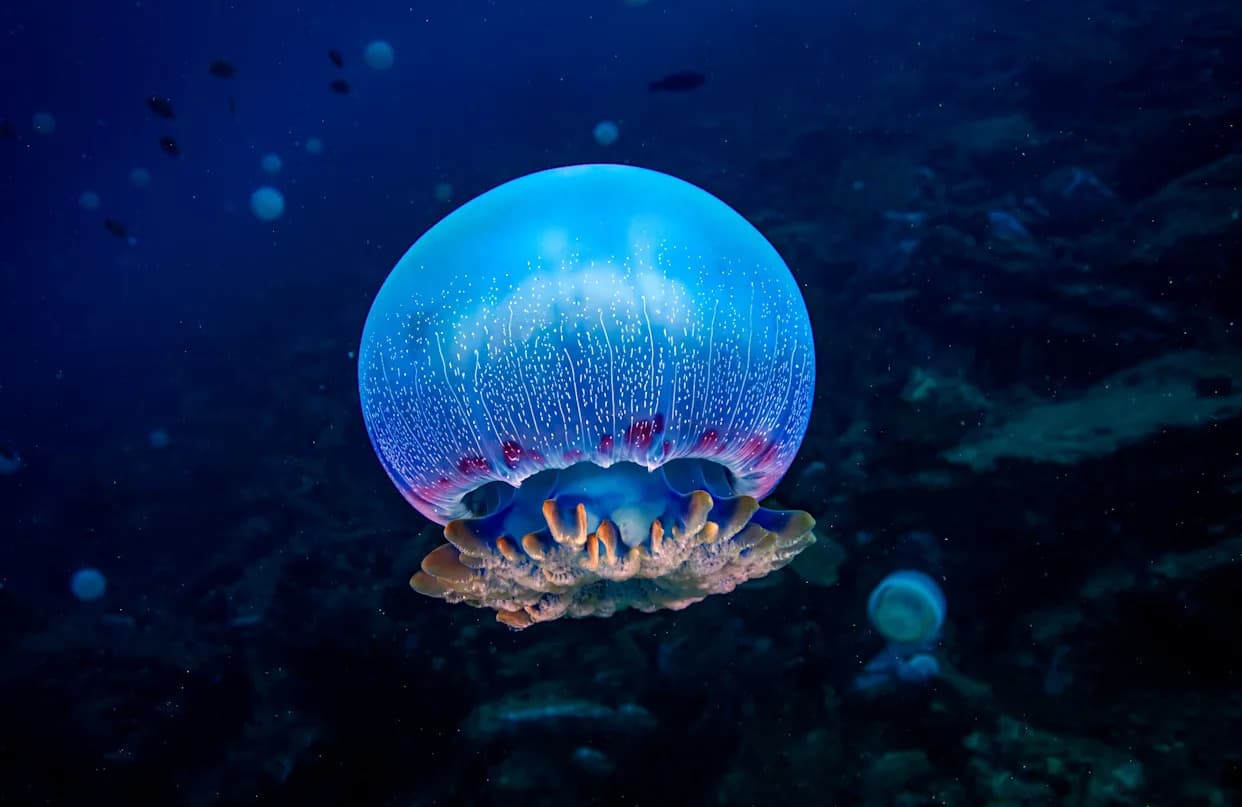
Even brainless sea anemones sleep, showing that rest is an ancient, essential survival strategy.©Natalia Fedori/Shutterstock.com
Help us improve.