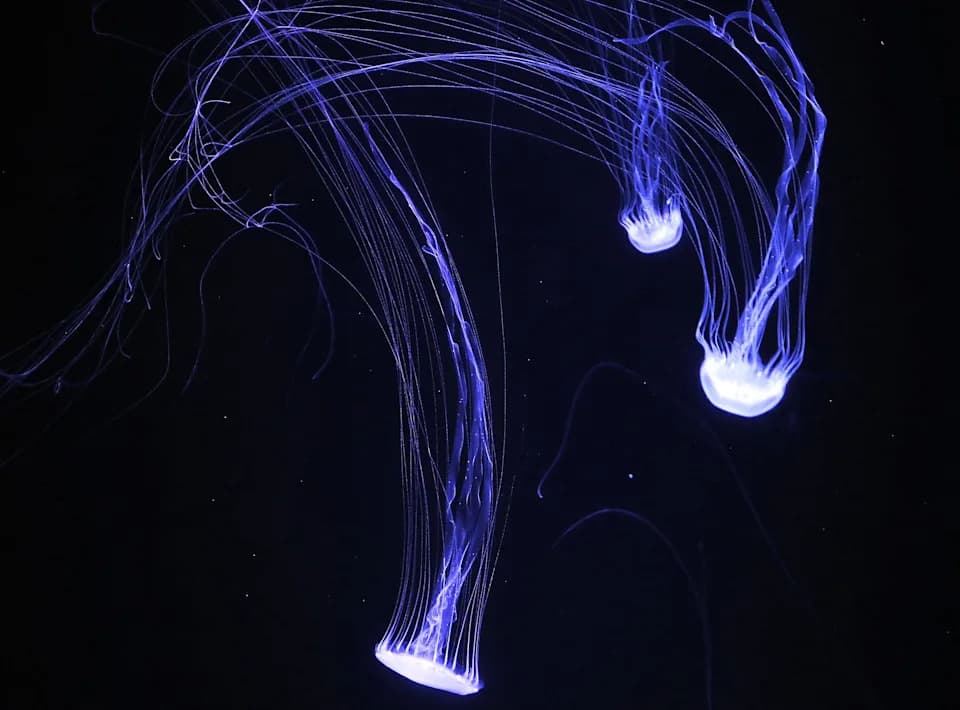
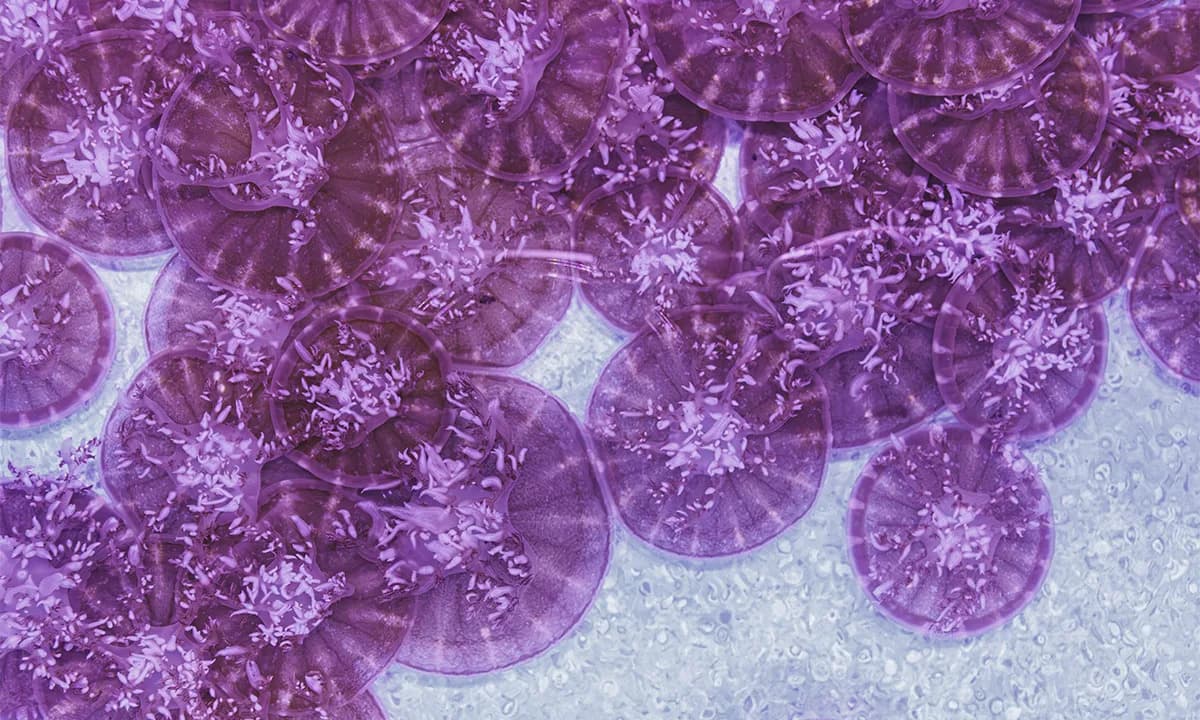
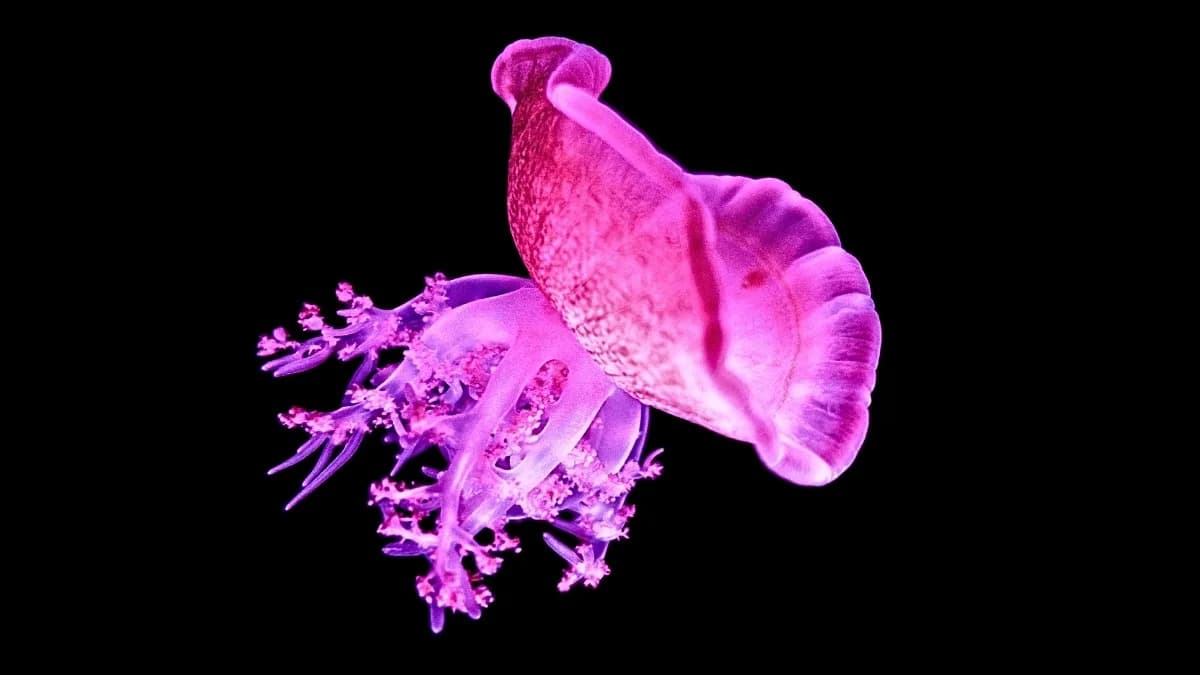
Bar-Ilan University researchers report that a core function of sleep—reducing neuronal DNA damage—exists in ancient cnidarians. The Nature Communications study shows that forced wakefulness or environmental DNA insults increase DNA breaks and trigger recovery sleep (sleep rebound) in the jellyfish Cassiopea andromeda and the sea anemone Nematostella vectensis. Conversely, melatonin-promoted sleep reduced DNA damage, indicating a bidirectional relationship that may explain why sleep evolved to protect neurons. These findings link an evolutionarily conserved cellular maintenance role of sleep to brain health across species.
Sleep’s Ancient Purpose: Jellyfish and Sea Anemones Use Sleep to Repair Neuronal DNA

THE NATURAL HABITAT of Cassiopea andromeda in the Gulf of Aqaba, Eilat. (photo credit: Meron Segev)
New research from Bar-Ilan University links one of sleep’s core functions—reducing neuronal DNA damage—to some of the earliest animals with nervous systems. The paper, "DNA damage modulates sleep drive in basal cnidarians with divergent chronotypes," appears in Nature Communications and was led jointly by the labs of Prof. Lior Appelbaum and Prof. Oren Levy.
What the Study Did
Researchers examined sleep-like behavior and molecular markers of DNA damage in two ancient cnidarians: the upside-down, symbiotic jellyfish Cassiopea andromeda (diurnal, sleeps at night with short midday naps) and the starlet sea anemone Nematostella vectensis (crepuscular, quiescent before sunrise and during early morning). Dr. Raphael Aguillon, Dr. Amir Harduf and colleagues defined species-specific sleep patterns, measured DNA damage after forced wakefulness or environmental insults, and tested whether sleep or sleep-promoting treatments reduced that damage.
Key Findings
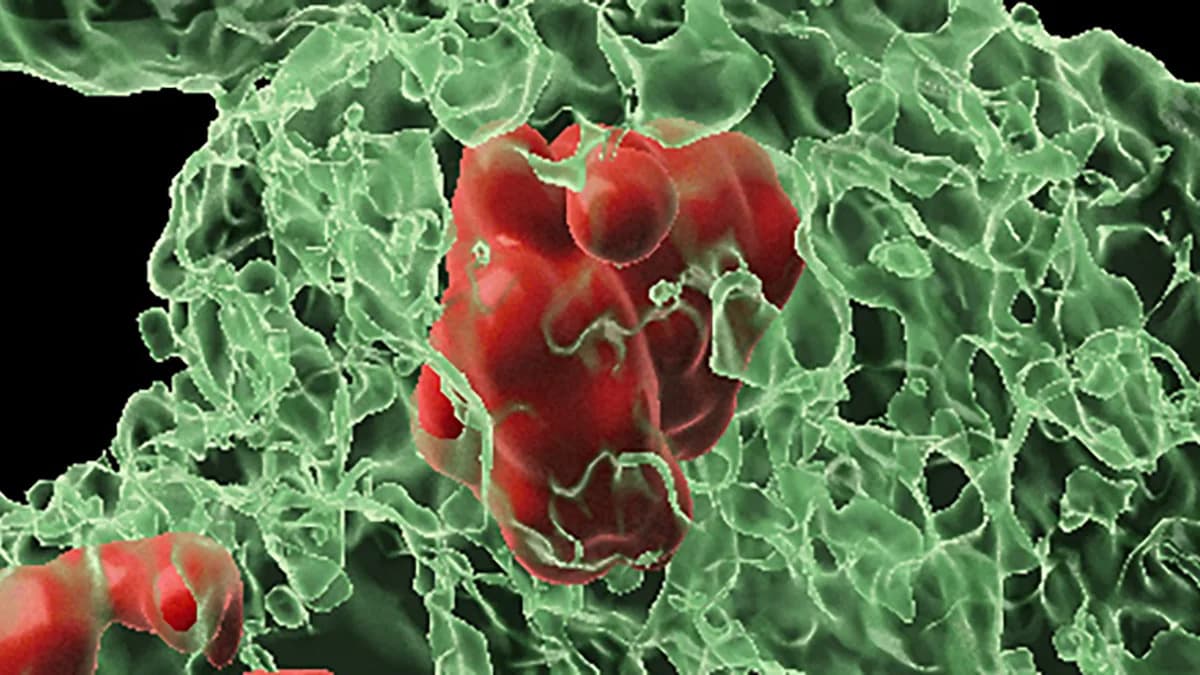
The team found a clear, bidirectional relationship between DNA damage and sleep drive: increased DNA damage—caused experimentally by forced wakefulness, ultraviolet radiation, or a DNA-damaging chemical—triggered subsequent recovery sleep (sleep rebound), while promoting sleep with melatonin lowered DNA damage levels. These results suggest that sleep facilitates neuronal maintenance and repair even in very simple nervous systems.
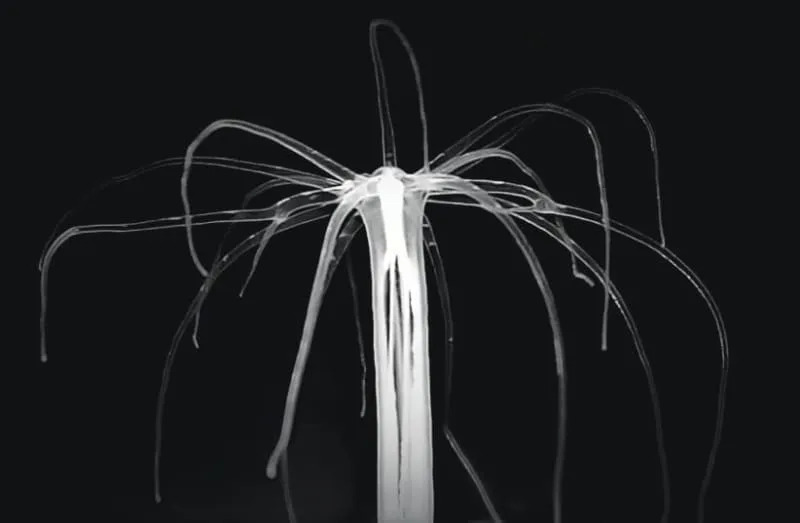
THE SEA ANEMONE Nematostella vectensis active in the dark. (credit: Raphael Aguillon)
“Our findings suggest that the capacity of sleep to reduce neuronal DNA damage is an ancestral trait already present in one of the simplest animals with nervous systems,” said Prof. Appelbaum.
Why This Matters
Neurons are long-lived, non-dividing cells that accumulate molecular damage from activity, oxidative stress, metabolism and environmental radiation. Efficient DNA repair is essential to prevent mutations and cellular dysfunction. By tracing a maintenance function of sleep back to cnidarians, the study supports the idea that sleep originally evolved as a consolidated period for neuronal repair—a function conserved across evolution and relevant to human brain health.
Broader Implications
The authors connect these basic findings to human health: chronic sleep disruption (for example, short sleep or obstructive sleep apnea) may increase risk for neurodegenerative conditions by impairing neuronal repair. Lab co-leader Prof. Levy noted plans to study even older animals such as sponges (which lack neurons) to test whether sleep-like states or comparable maintenance periods exist before true nervous systems evolved.
Concluding Notes
This work complements previous Appelbaum Lab findings in zebrafish and adds cross-species evidence that sleep serves a conserved, cellular maintenance role. Experimental manipulations that raise DNA damage trigger sleep, while interventions that promote sleep reduce damage—supporting a feedback loop in which neuronal stress elevates sleep need, and sleep enables recovery.
Funding, methods and full data are available in the original Nature Communications article for readers who want detailed protocols, genetic analyses and imaging of sleep circuits across species.
Help us improve.