Indonesia has issued Circular Letter No. 6 of 2025, banning elephant rides at all conservation and tourism facilities nationwide and directing operators to switch to observation-based encounters. Facilities that do not comply risk losing their operating permits. Mason Elephant Park in Bali ceased rides on Jan. 25 after receiving formal warnings. World Animal Protection, PETA and other groups have praised the move and cited longstanding reports of abusive training and neglect used to prepare elephants for rides.
Indonesia Bans Elephant Rides Nationwide — Tourism Shifts Toward Ethical, Observation-Based Encounters
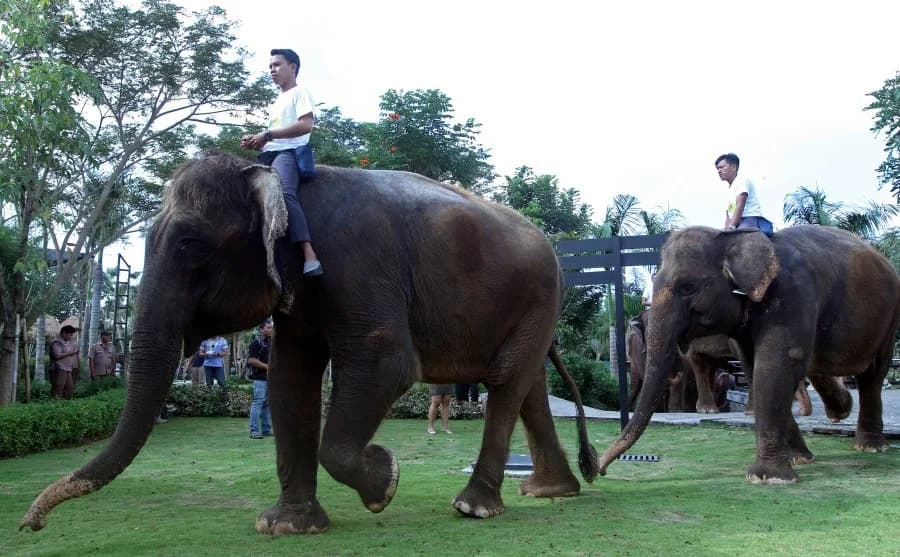
Indonesia ends elephant rides nationwide
Tourists will no longer be able to ride elephants anywhere in Indonesia after the government issued a nationwide ban on the practice. Authorities and animal welfare groups say the move marks a significant shift toward more responsible wildlife tourism across the archipelago.
In December, Indonesia’s Ministry of Forestry—through the Directorate General of Natural Resources and Ecosystem Conservation—issued Circular Letter No. 6 of 2025, formally ending elephant rides at all conservation and tourism facilities across the country. The circular directs venues that previously offered rides to transition to ethical, observation-based experiences. Facilities that fail to comply may face regulatory sanctions, including revocation of operating permits.
Mason Elephant Park in Bali, one of the last venues in Indonesia to offer elephant rides, stopped the activity on Jan. 25 after receiving formal warnings, according to Australian Leisure Management.
Reactions From Animal Welfare Groups
“We congratulate the Indonesian Government on taking this world-leading step to safeguarding the dignity of wild animals,” said Suzanne Milthorpe, Head of Campaigns for World Animal Protection. “The ending of elephant rides in Indonesia sends a strong signal to the wider tourism industry that we’re entering a new chapter of more responsible wildlife tourism.”
World Animal Protection, PETA and other advocacy groups have for years documented harmful methods used to train and control elephants for rides. Reported abuses include physical punishment, prolonged restraint, withholding food, and inadequate veterinary care—practices that welfare organizations say are incompatible with ethical tourism.
What This Means For Tourists And Operators
The ban encourages tourism operators to invest in observation-based programs—such as guided viewing, enrichment demonstrations, and sanctuary-style care—that prioritize elephant welfare. Travelers planning elephant encounters in Indonesia should expect to see more conservation-focused experiences and fewer hands-on rides.
As Indonesia implements the circular, enforcement and the speed of operational changes will vary by region. Animal welfare groups say continued vigilance and clear enforcement will be essential to ensure facilities follow through on the required transition.
Help us improve.