Oxfam has refused Israel's demand to hand over personal details of its Palestinian staff, saying sharing such data would breach humanitarian principles and endanger employees. Israel revoked the licenses of 37 aid organisations on January 1 for not meeting new security and transparency rules; 23 organisations reportedly accepted the requirements while others refused or remain undecided. MSF said it would share a limited list under strict safety parameters, drawing criticism. Humanitarian groups warn that forced disclosure could threaten local staff and impede aid delivery.
Oxfam Refuses Israel’s Demand For Palestinian Staff Data, Citing Safety Risks
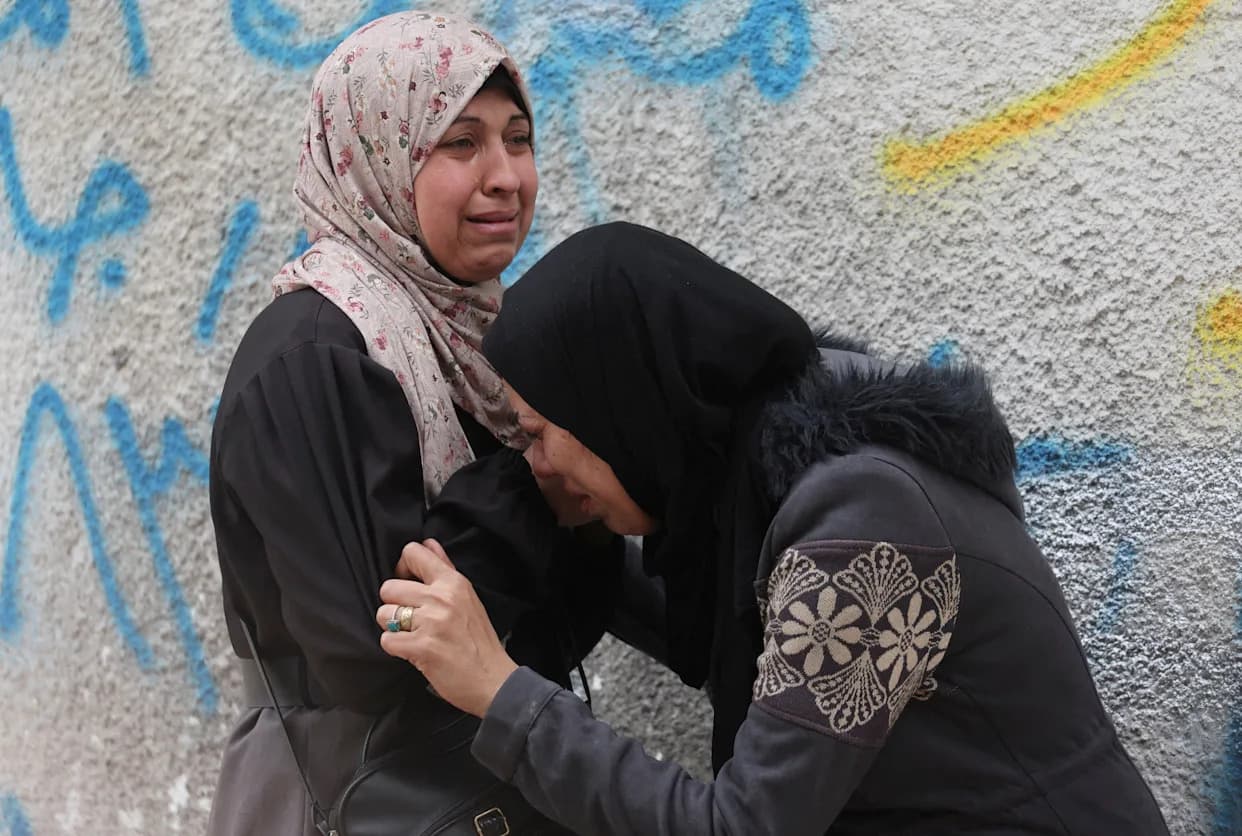
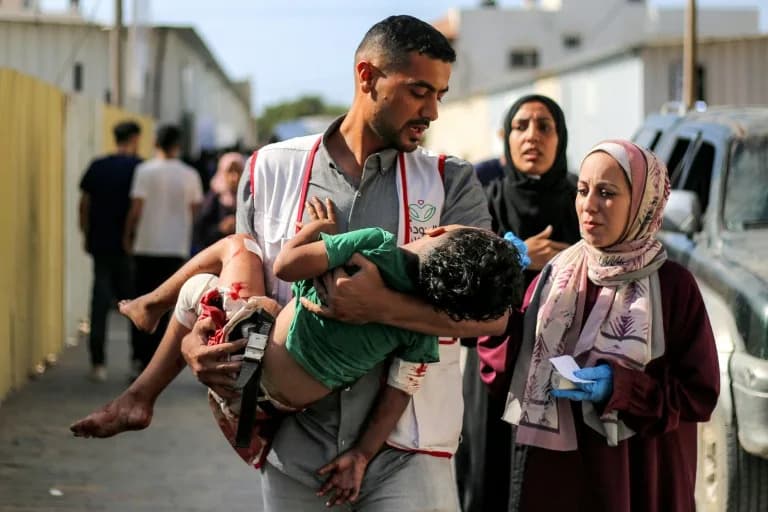
Israel has killed more than 400 people in Gaza since a fragile ceasefire came into place in October 2025 [File: Dawoud Abu Alkas/Reuters]
Oxfam has said it will not hand over the personal details of its Palestinian staff to Israeli authorities, arguing that sharing such data would violate humanitarian principles, its duty of care and data-protection obligations — and could put staff at grave risk.
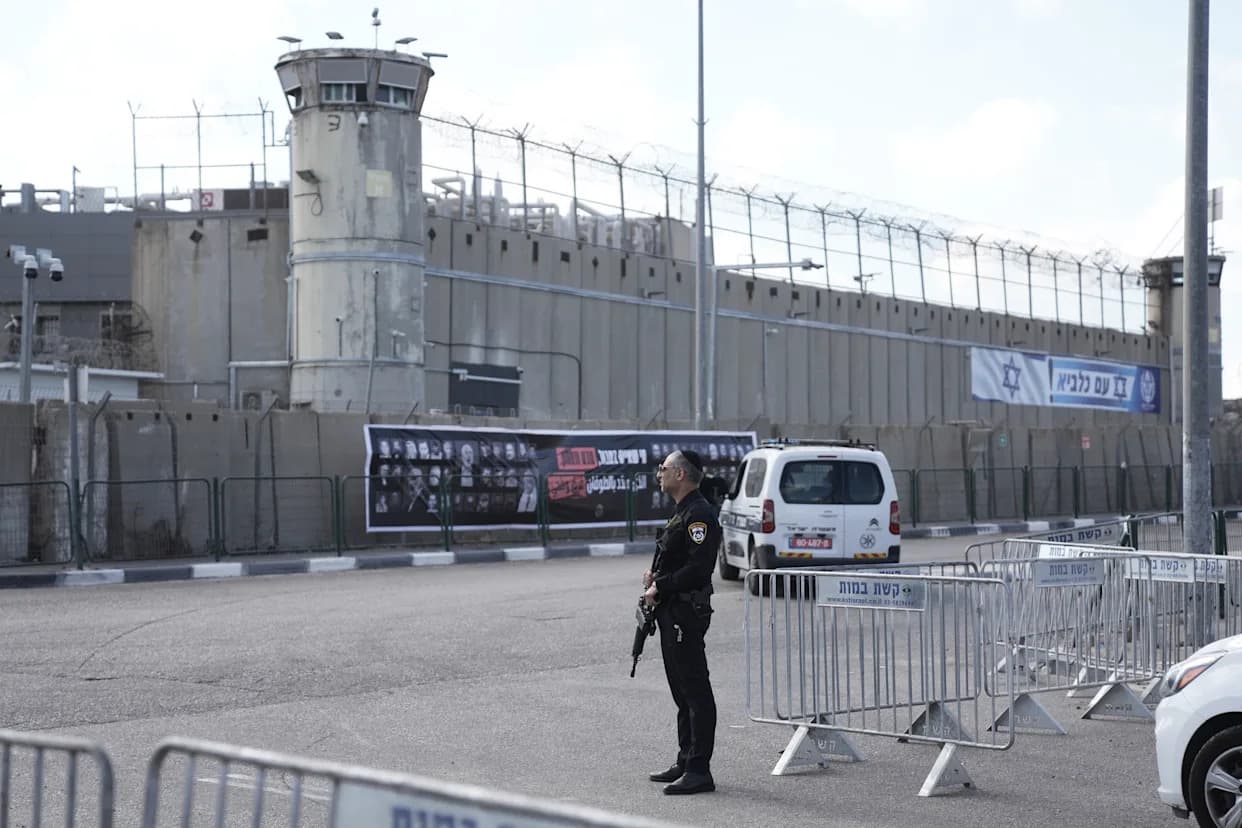
Last year Israel ordered a number of well-known charities working in Gaza, the occupied West Bank and East Jerusalem to provide detailed information on their Palestinian and international staff, operations and funding as part of new "security and transparency" requirements. On January 1, Israeli authorities revoked the licenses of 37 aid organisations — including the Norwegian Refugee Council, the International Rescue Committee and Oxfam — saying they had not complied with the new rules.
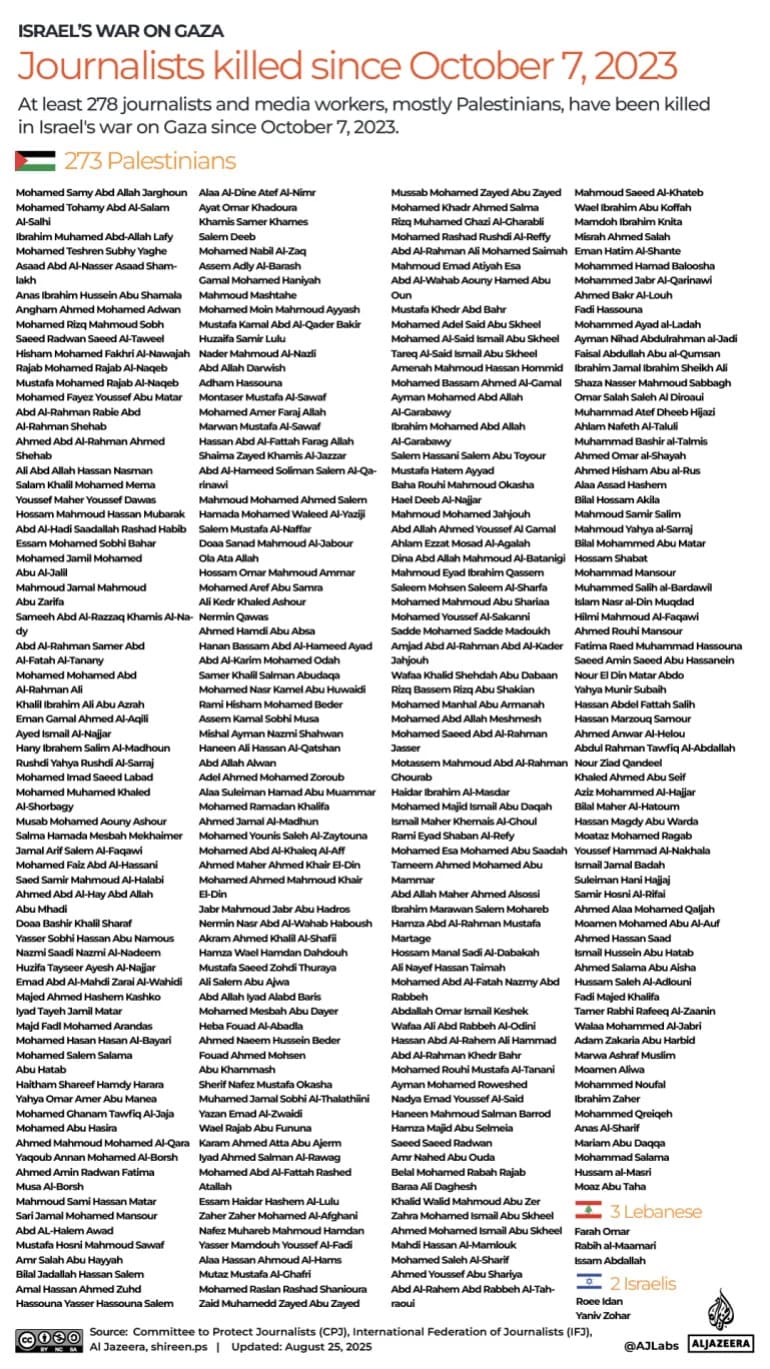
"We will not transfer sensitive personal data to a party to the conflict since this would breach humanitarian principles, duty of care and data protection obligations," an Oxfam spokesperson told Al Jazeera. "More than 500 humanitarian workers have been killed since October 7, 2023."
Oxfam also urged the Israeli government to halt deregistration proceedings and lift measures that obstruct humanitarian assistance, and called on donor governments to use their leverage to seek a suspension or reversal of the actions.
What Israel Asked For
Israel's Ministry for Diaspora Affairs outlined the types of information it expected NGOs to provide, including passport copies, curricula vitae and the names of family members, including children. The ministry said it would refuse organisations it suspected of incitement, denying the state's existence or the Holocaust, or supporting an armed struggle by an enemy state or a terrorist organisation.
According to Israeli officials, 23 organisations have agreed to the new registration requirements; the remainder are reported to have refused or to be still weighing their response.
Responses From The Humanitarian Community
The Palestinian NGOs Network (PNGO) condemned groups that agreed to hand over the requested data, saying compliance would violate international humanitarian law and established humanitarian standards and would pose a "direct threat" to the safety and security of local staff.
"PNGO underscores the grave risks inherent in this measure, which constitutes a clear violation of the principles of international humanitarian law and established humanitarian work standards," the network said.
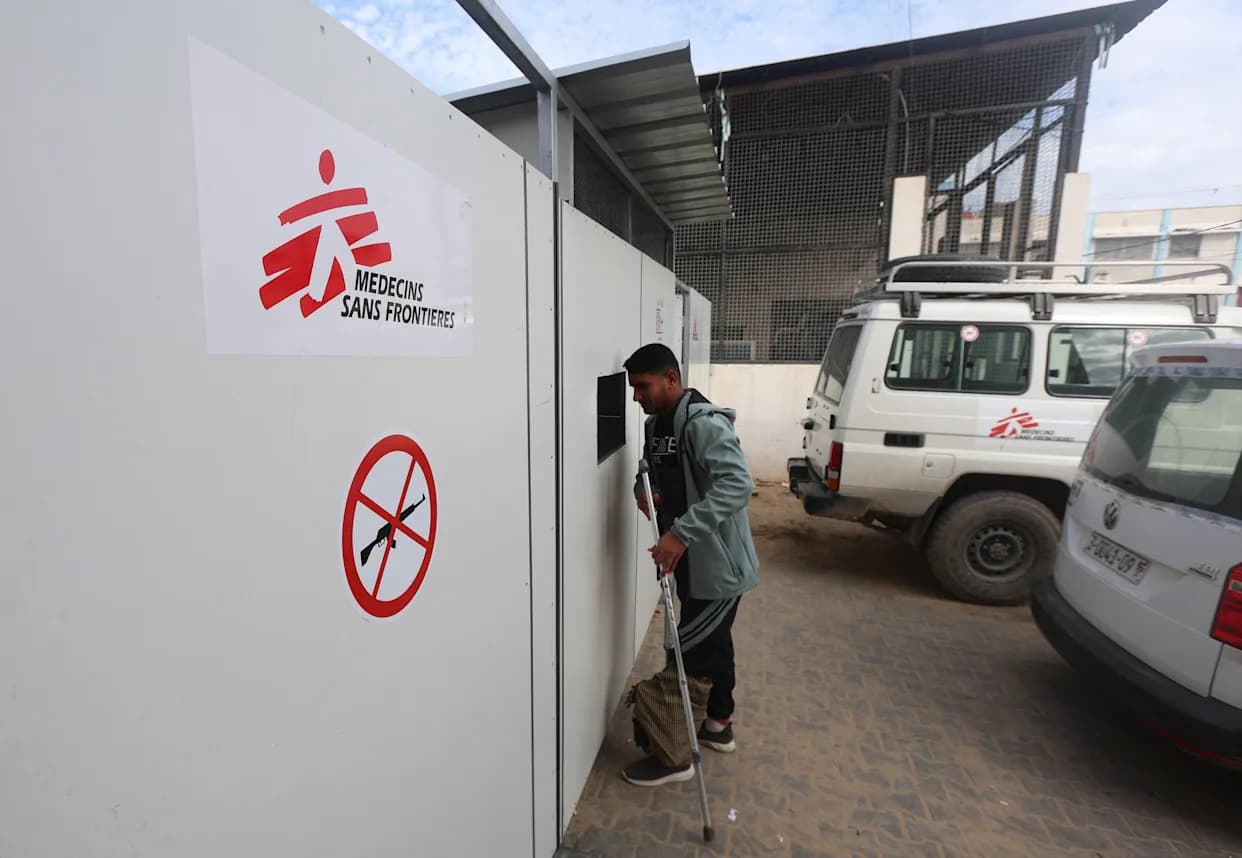
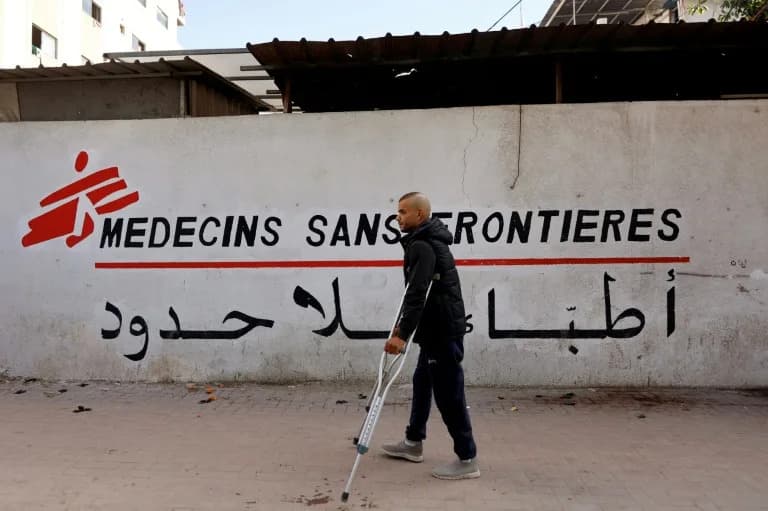
Doctors Without Borders (MSF) said it was prepared to provide a "defined list of Palestinian and international staff names, subject to clear parameters with staff safety at its core," while calling the demands "unreasonable." MSF's decision drew criticism from some doctors, activists and campaigners who warned that sharing staff names could endanger individuals, particularly amid reports that aid workers have been targeted in the fighting.
"MSF faces profoundly difficult decisions – concede to the demands of a genocidal regime, or refuse and face complete expulsion and an abrupt end to all health activities in the coming weeks," a former MSF employee, speaking on condition of anonymity, told Al Jazeera. "There must be alternatives — a bolder and more disruptive approach to humanitarianism amid such brutal political decline."
The International Rescue Committee, one of the 37 organisations affected, noted that Palestinians make up almost a fifth of all aid workers killed since records began. Humanitarian organisations and rights groups warn that forced disclosure of staff data could expose local staff and their families to surveillance, arrest, or targeted violence.
With humanitarian access already constrained by security concerns and bureaucratic barriers, aid groups say the dispute over data-sharing risks further undermining relief efforts for civilians in Gaza and the occupied territories. Donors and international bodies have been urged to press for protections that ensure staff safety while preserving essential lifelines to affected communities.
Help us improve.