Sudan now hosts the world’s largest internal displacement crisis, with about 14 million people uprooted. Globally, forced displacement topped 122 million by mid-2025, though the worldwide total fell by roughly 5.9 million for the first time in a decade. In Khartoum, civilians are trickling back despite heavy destruction, driven by nostalgia and a fragile signal of stability. Experts say durable return requires security, shelter, food, water and reliable power.
Returning to Ruins: Millions in Sudan Consider Going Home as Khartoum Shows Fragile Recovery
(Al Jazeera)
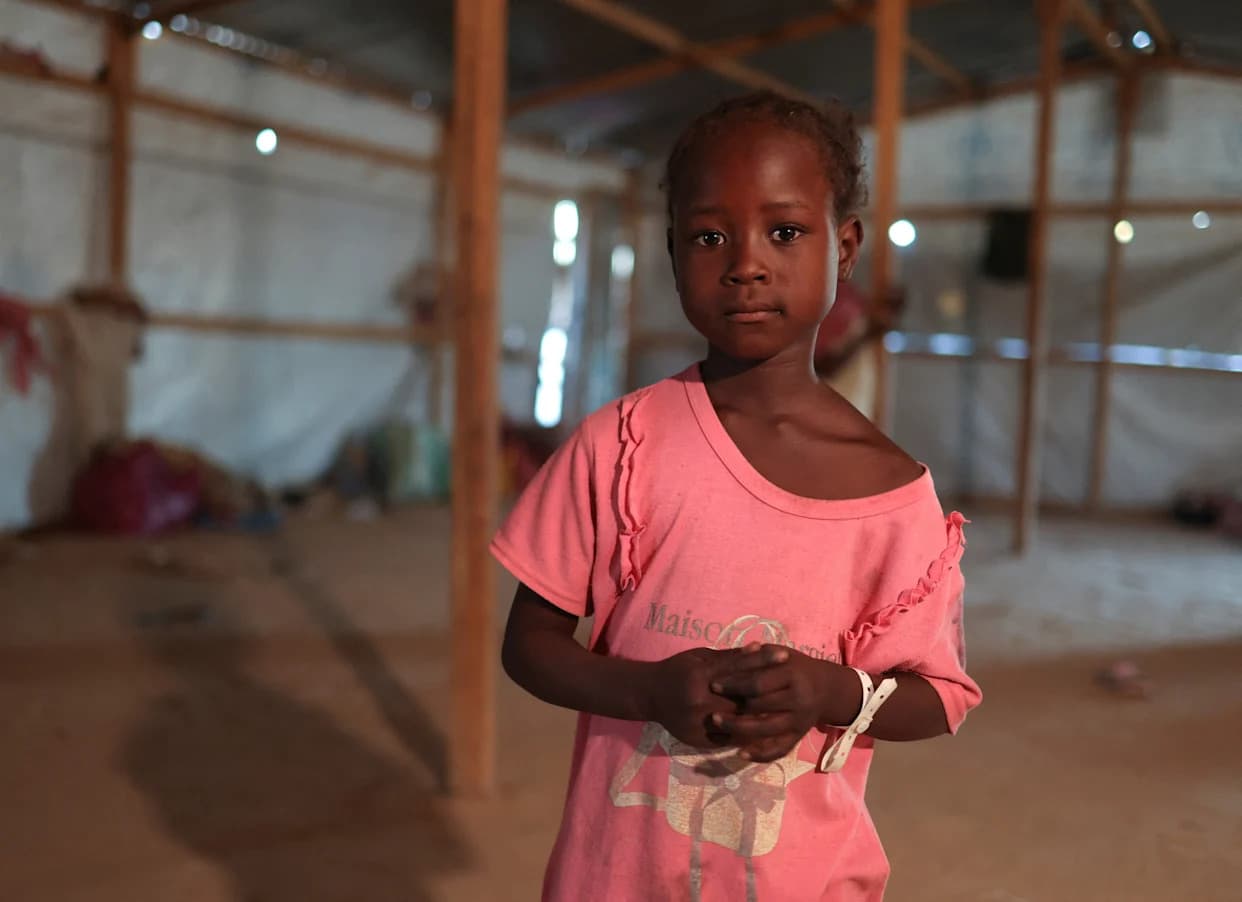
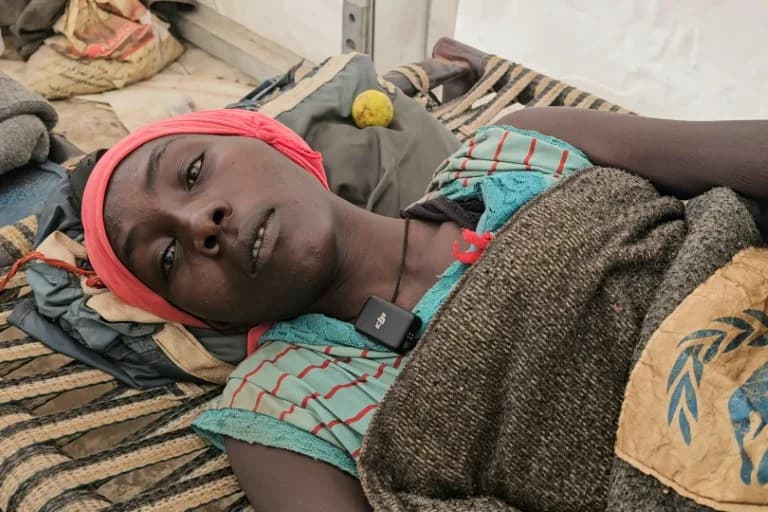
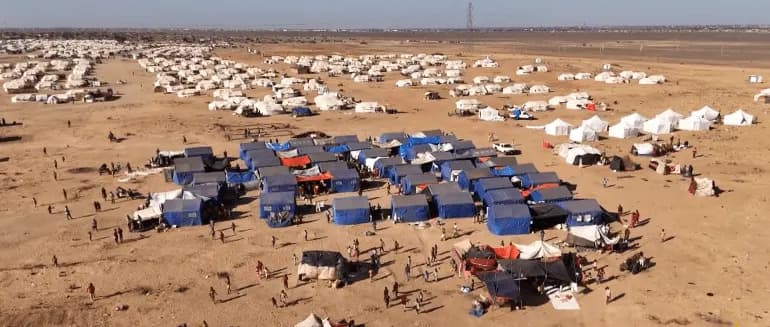
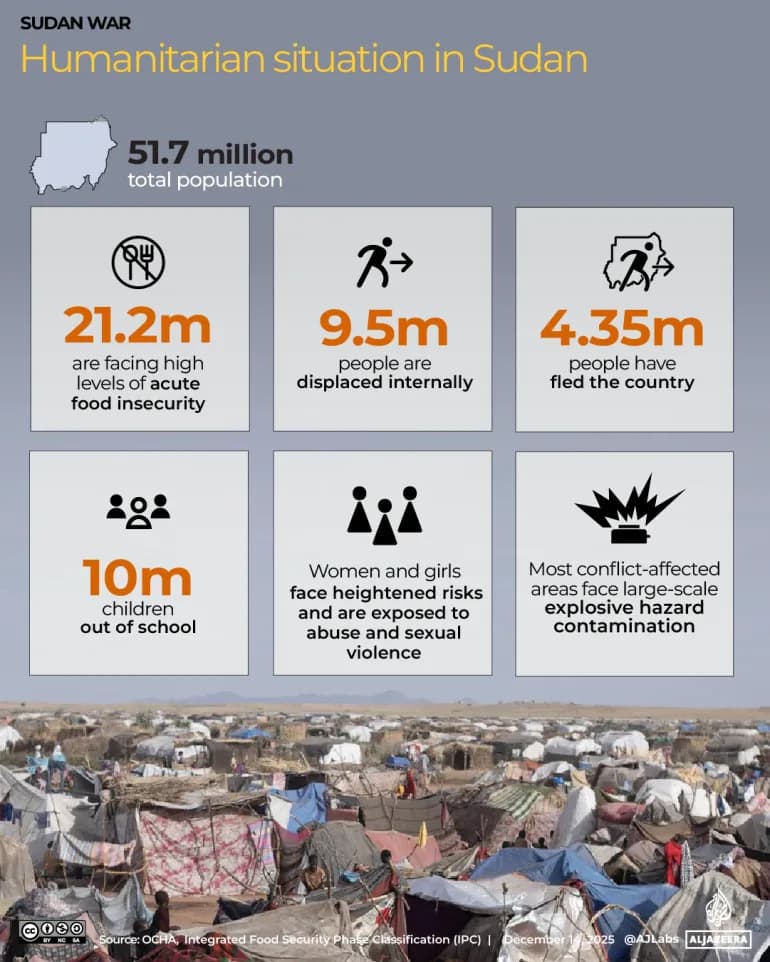
Sudan now sits at the centre of a global humanitarian emergency, hosting the world’s largest internal displacement crisis. The UN refugee agency (UNHCR) estimates roughly 14 million people have been forced from their homes across the country.
Global Context
Those national figures are part of a wider surge in forced displacement worldwide. UNHCR reported that the number of forcibly displaced people topped about 122 million by mid-2025. For the first time in a decade, the global total fell by roughly 5.9 million by mid-2025, a modest reversal that raises urgent questions about why and how people return to conflict-affected areas.
The "Khartoum Case": Return Amid Ruin
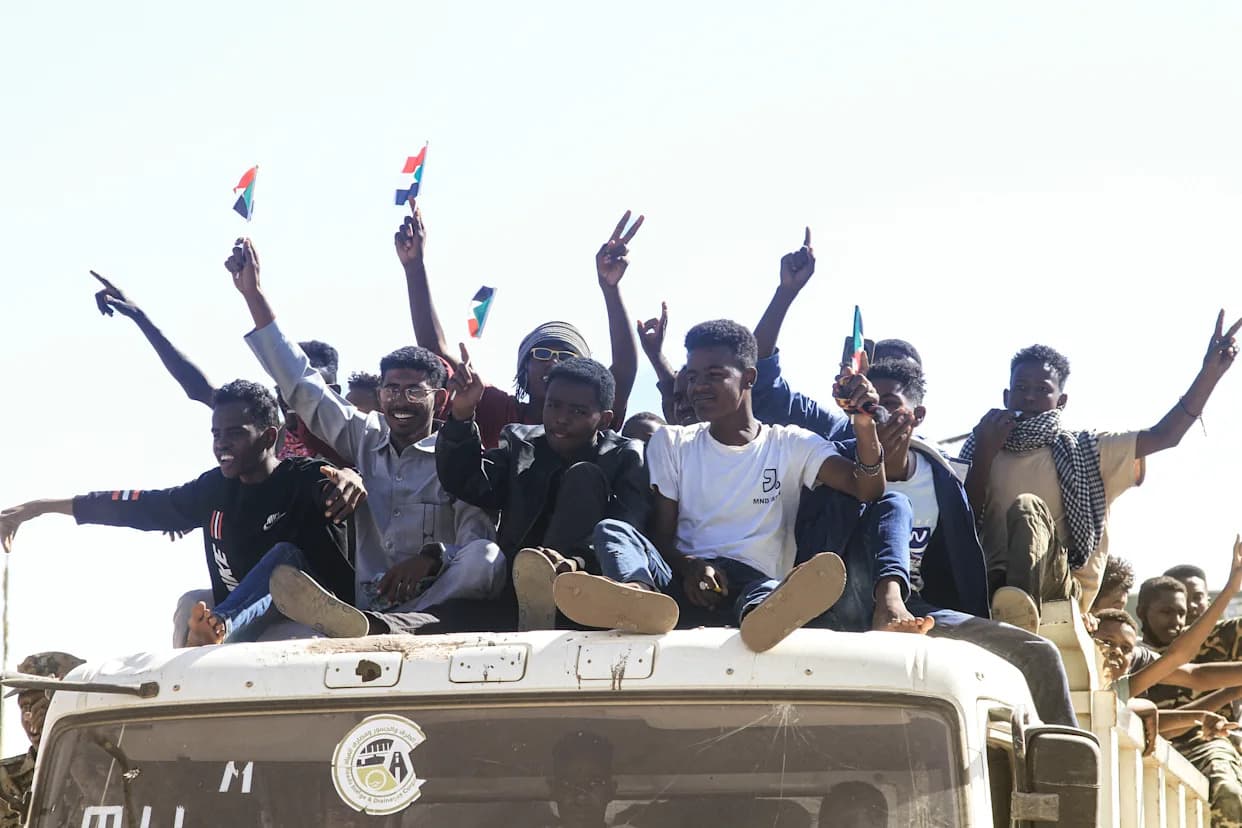
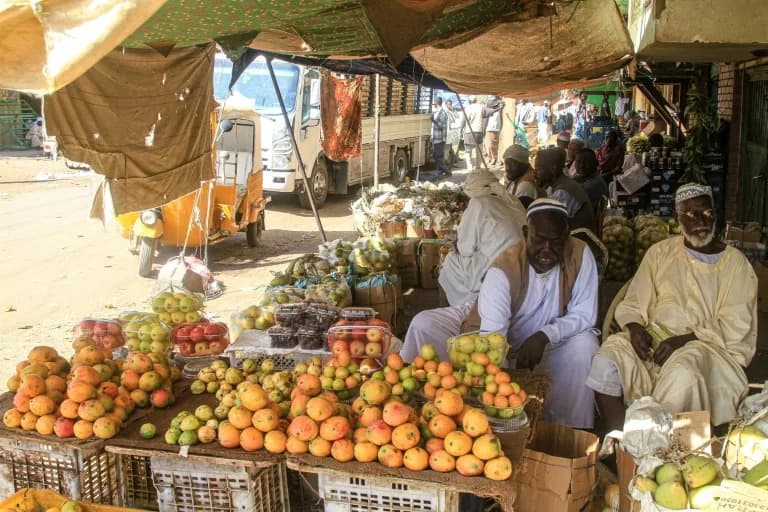
Al Jazeera Arabic interviewed experts, officials and returnees to examine what has been called the "Khartoum case" — a pattern of civilians trickling back into Sudan's capital despite widespread damage. The returns are driven partly by nostalgia and partly by a fragile sense of stability after some government functions resumed in Khartoum.
Conflict and Damage
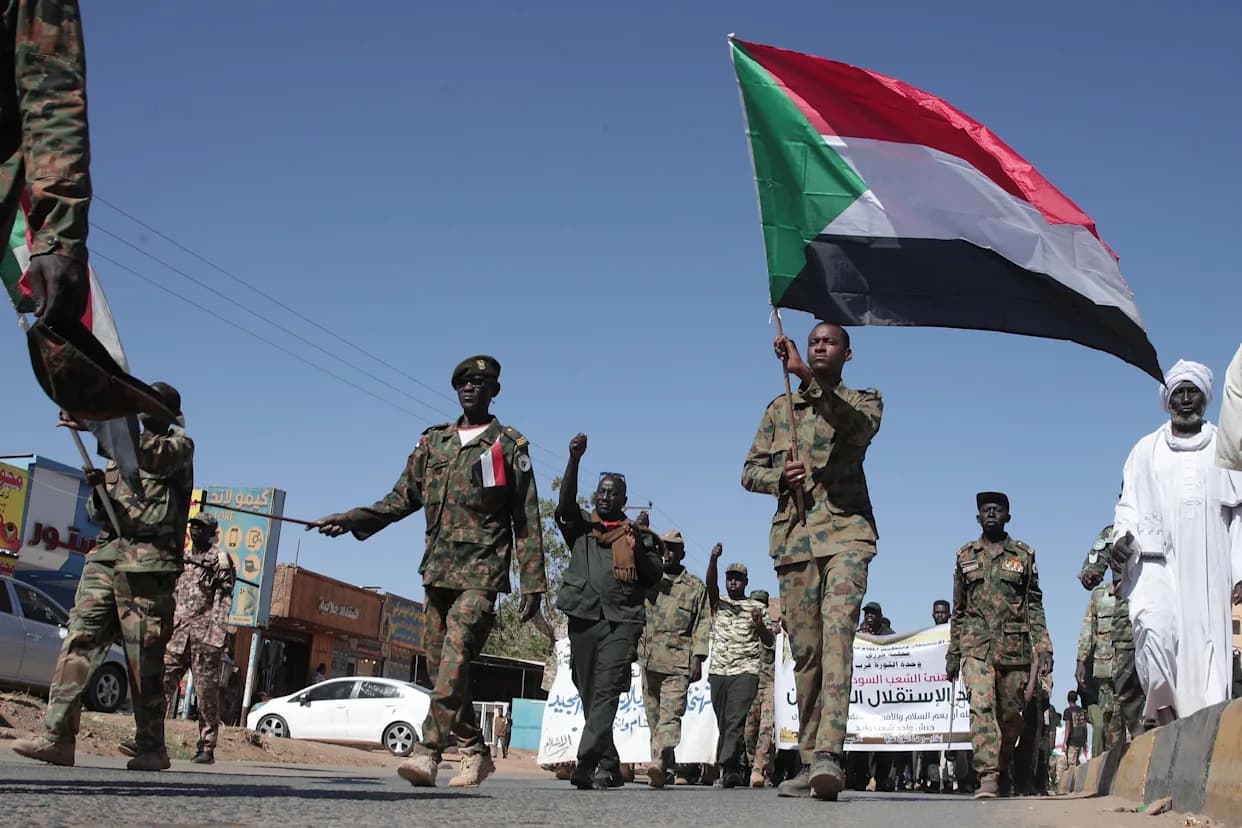
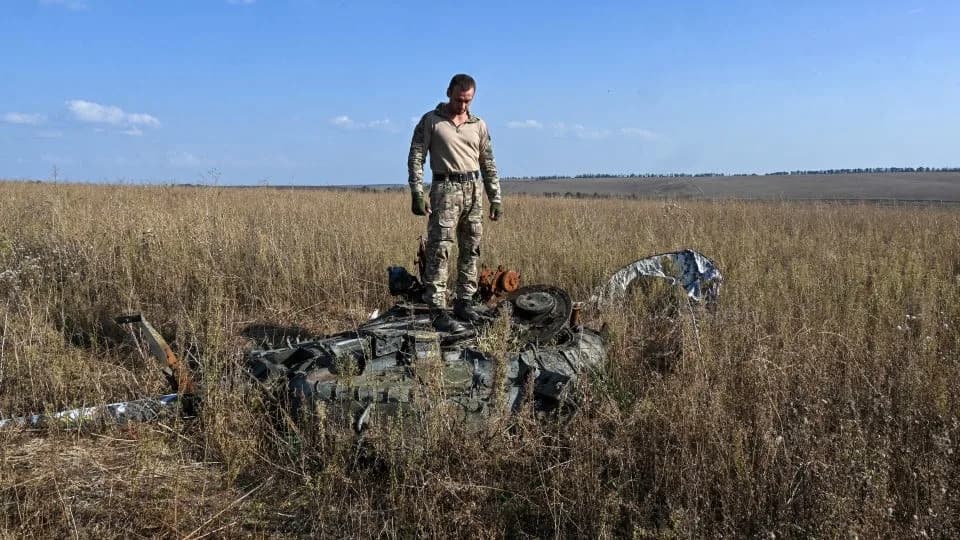
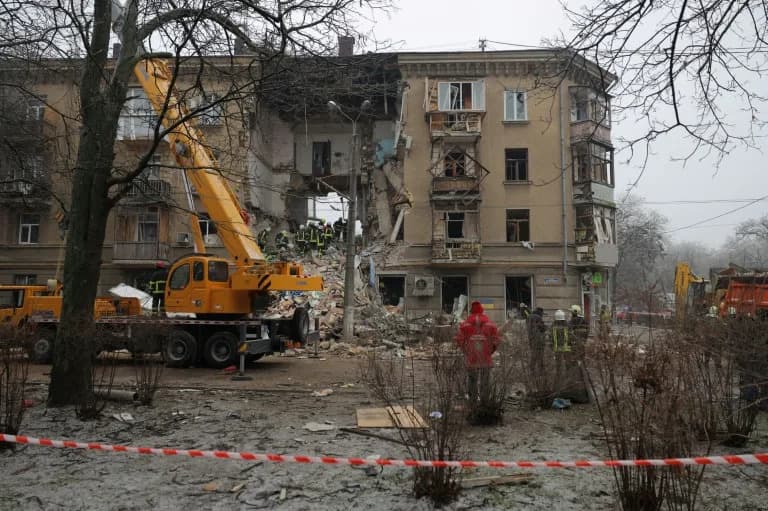
The fighting between the Sudanese Armed Forces and the Rapid Support Forces (RSF), which began in April 2023, devastated infrastructure across Sudan and battered basic services. The challenge to restore utilities, security and services remains immense.
Regional Parallels
Elsewhere in the region, displacement remains catastrophic. In the Gaza Strip nearly two million people are internally displaced, and UN agencies estimate around 2.5 million Palestinians are effectively homeless after widespread destruction of homes, schools and infrastructure. Syria still hosts roughly 12 million displaced people, and Yemen more than five million.
Restoration, Looting and Local Efforts
Khartoum officials say recovery began with clearing bodies and burnt vehicles, restarting water stations and repairing power distribution. Saad El-Din El-Tayeb, a Khartoum State spokesperson, warned that the city suffered an unprecedented looting of electrical infrastructure: roughly 15,000 transformers were stripped and copper was removed from underground cables and motors.
Authorities report prioritising limited electricity for hospitals and water facilities and encouraging solar power as an alternative. Yet the scale of damage and theft means restoration will be slow and costly.
Why People Return
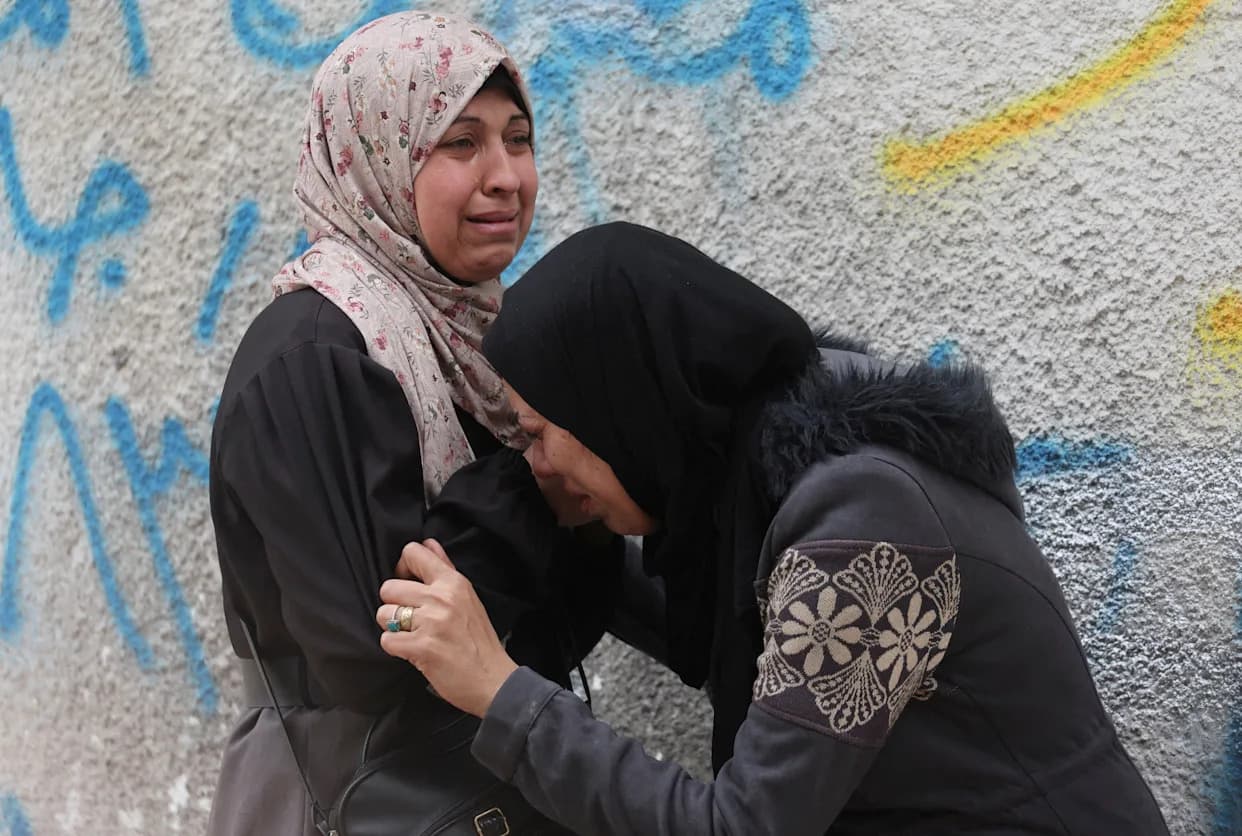
For many displaced Sudanese, returning is an emotional decision as much as a practical one. Rimah Hamed, a dentist and journalist who fled Khartoum and later returned, described nostalgia as a primary motive. She found neighbourhoods emptied and stripped of essentials but saw neighbours slowly come back, recreating a social life around scarce resources like a single functioning water point.
"The Sudanese character is sentimental. People returned because they missed their homes," Hamed told Al Jazeera.
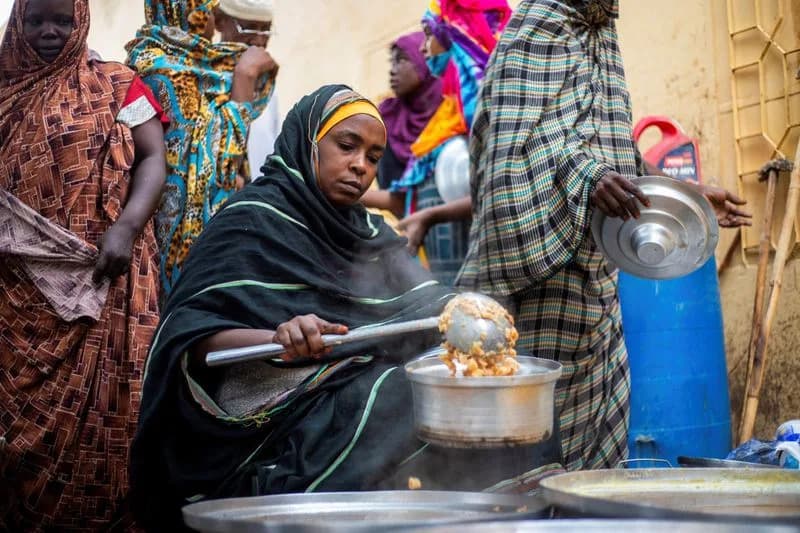
Returnees and community groups have shown resilience, improvising mutual support and grassroots initiatives to cope with shortages. Yet experts caution that emotional ties alone cannot sustain long-term reintegration.
What Makes Return Sustainable?
Researchers and officials interviewed outlined a clear hierarchy of needs for sustainable return:
- Security: Trusted leadership and reliable protection so civilians can sleep safely at night.
- Shelter: Safe housing, even temporary structures such as tents.
- Essentials: Regular access to food and clean water.
- Power and Services: Reliable electricity (or alternatives like solar) to restart economic activity and services.
Journalist Rami Mahkar emphasised that without lasting security, displaced people may be forced to flee again, even if other services return. Tom Ndahiro, a researcher on post-conflict recovery, said a baseline of "relative peace" — the sense that one can survive the night — is the minimum prerequisite for return.
Outlook
Sudan’s partial returns reflect a mix of longing, local initiative and fragile stability. Whether those returns will lead to durable recovery depends on restoring security, rebuilding infrastructure, and securing basic services at scale. For now, many returnees are sustained by resilience and hope as they attempt to piece lives and communities back together from the ruins.
Help us improve.