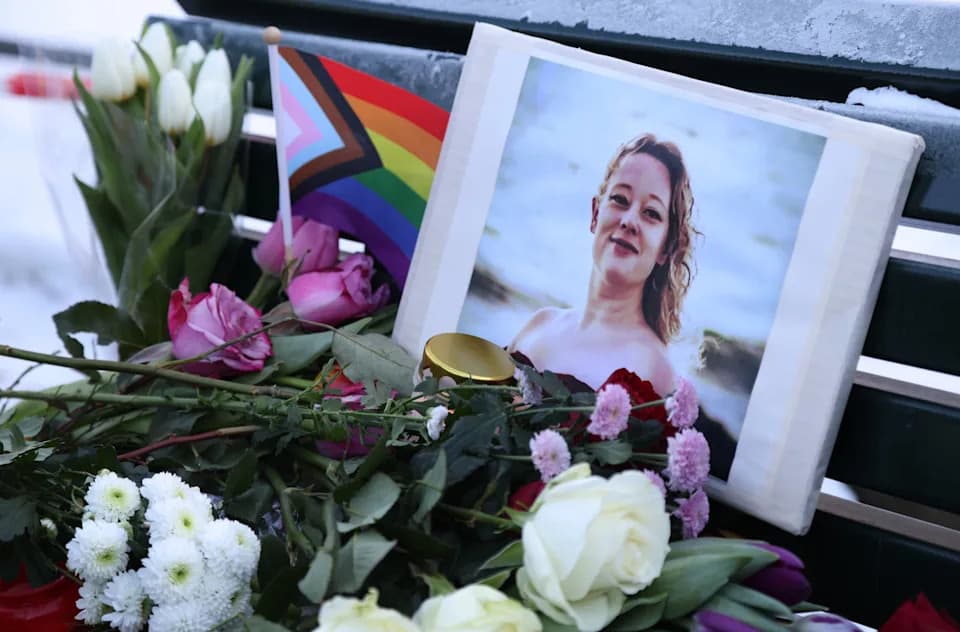
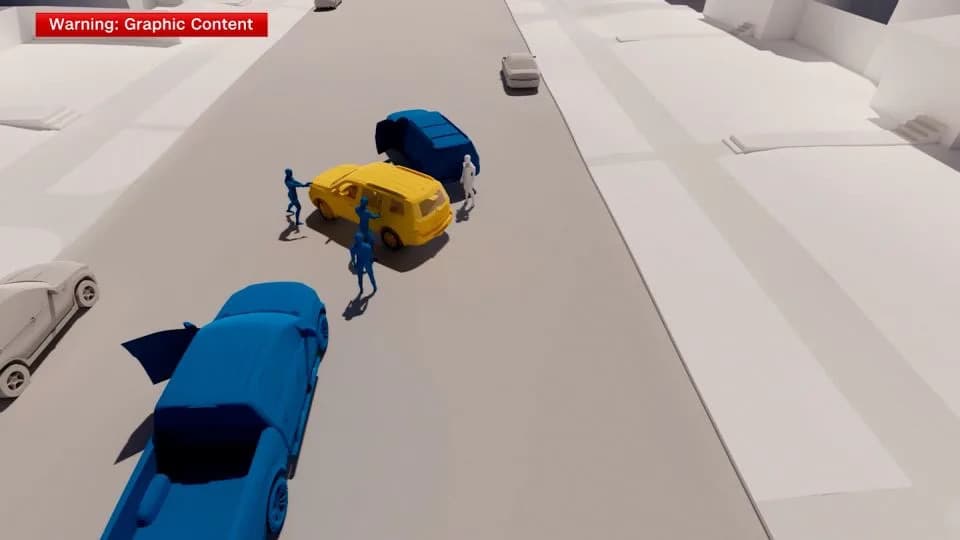
The deployment of federal immigration agents to Minneapolis after the fatal shooting of 37-year-old Renee Good has intensified protests and raised legal questions about the limits of federal power. President Trump has threatened to invoke the Insurrection Act — which can authorize active-duty troop deployments — though Minnesota’s governor has criticized the surge. Legal analysts say requiring people to show citizenship papers without reasonable suspicion is unconstitutional. Minnesota and Illinois have filed lawsuits arguing the operations violate the Tenth Amendment and strain local police resources.
What You Need To Know About ICE, The Minneapolis Shooting, And The Insurrection Act
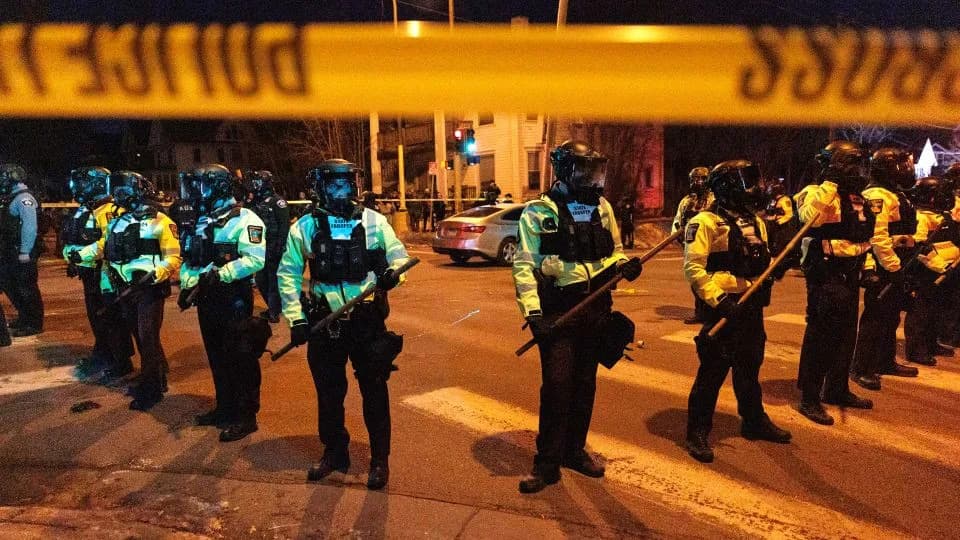
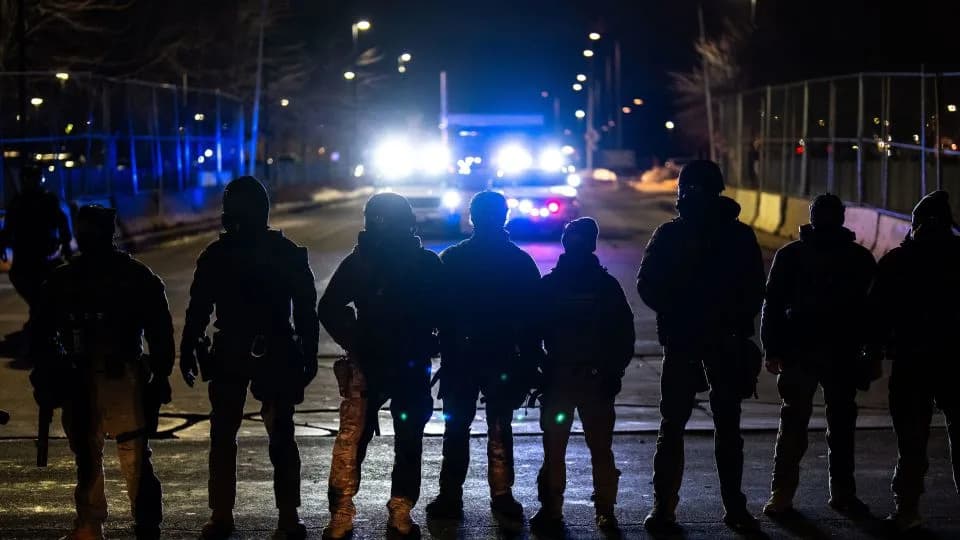
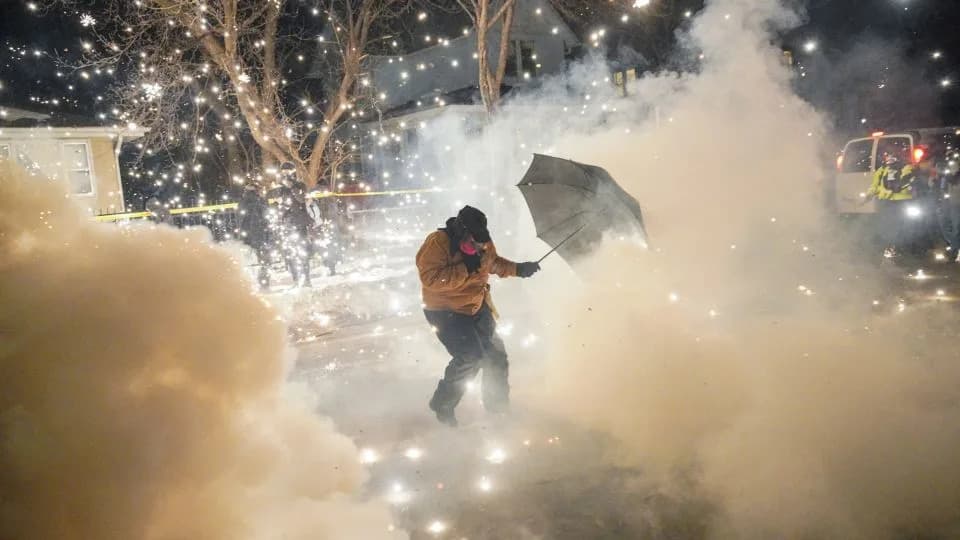
Law enforcement officers guard the perimeter of the scene as residents protest the shooting and killing of 37-year-old Renee Good during an immigration enforcement operation in Minneapolis, Minnesota, on January 14, 2026. - Madison Thorn/Anadolu/Getty Images
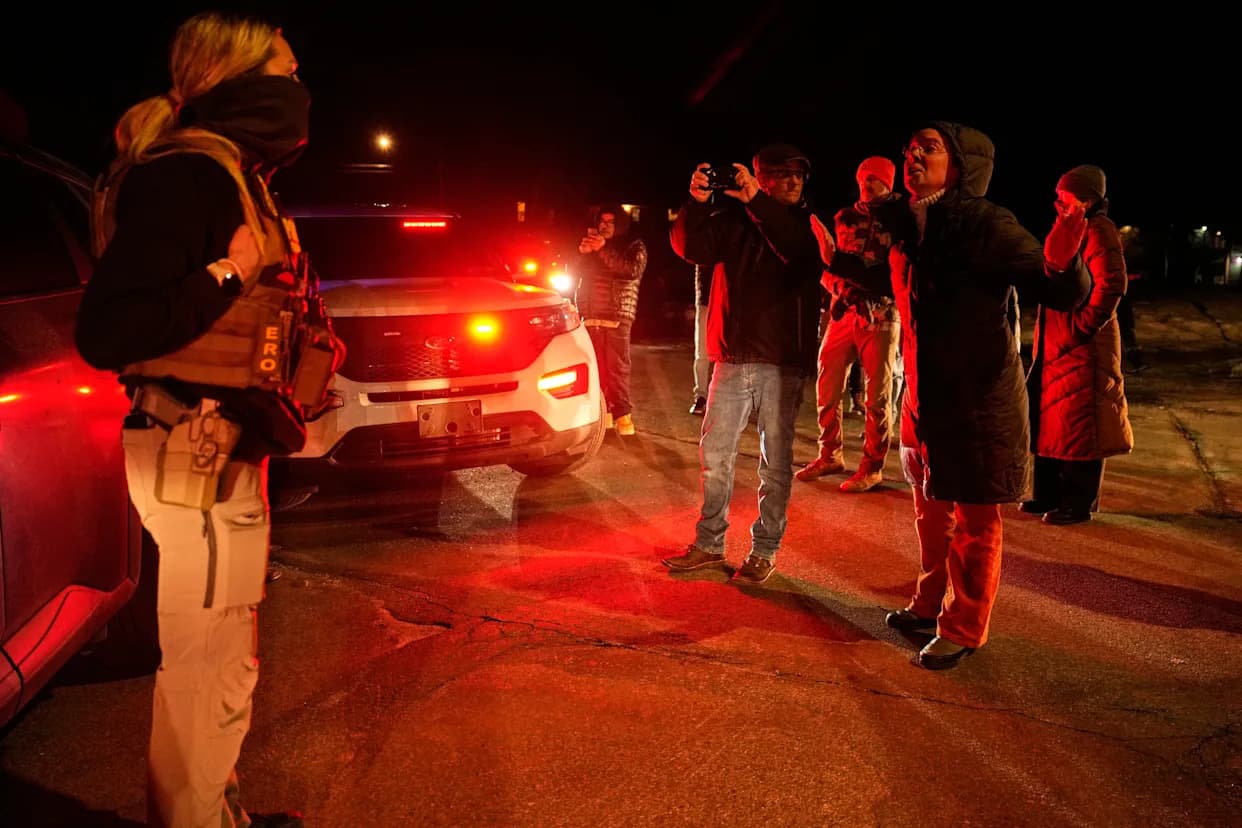
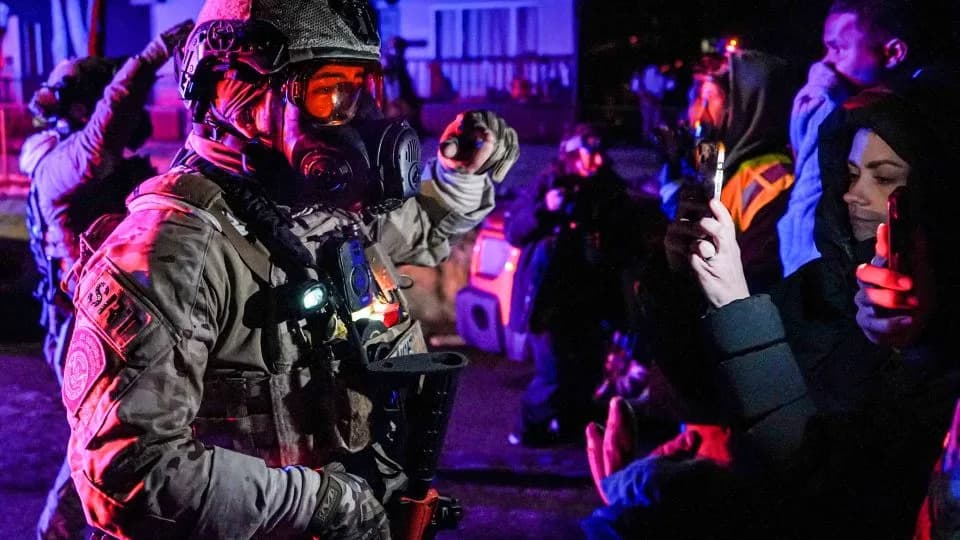
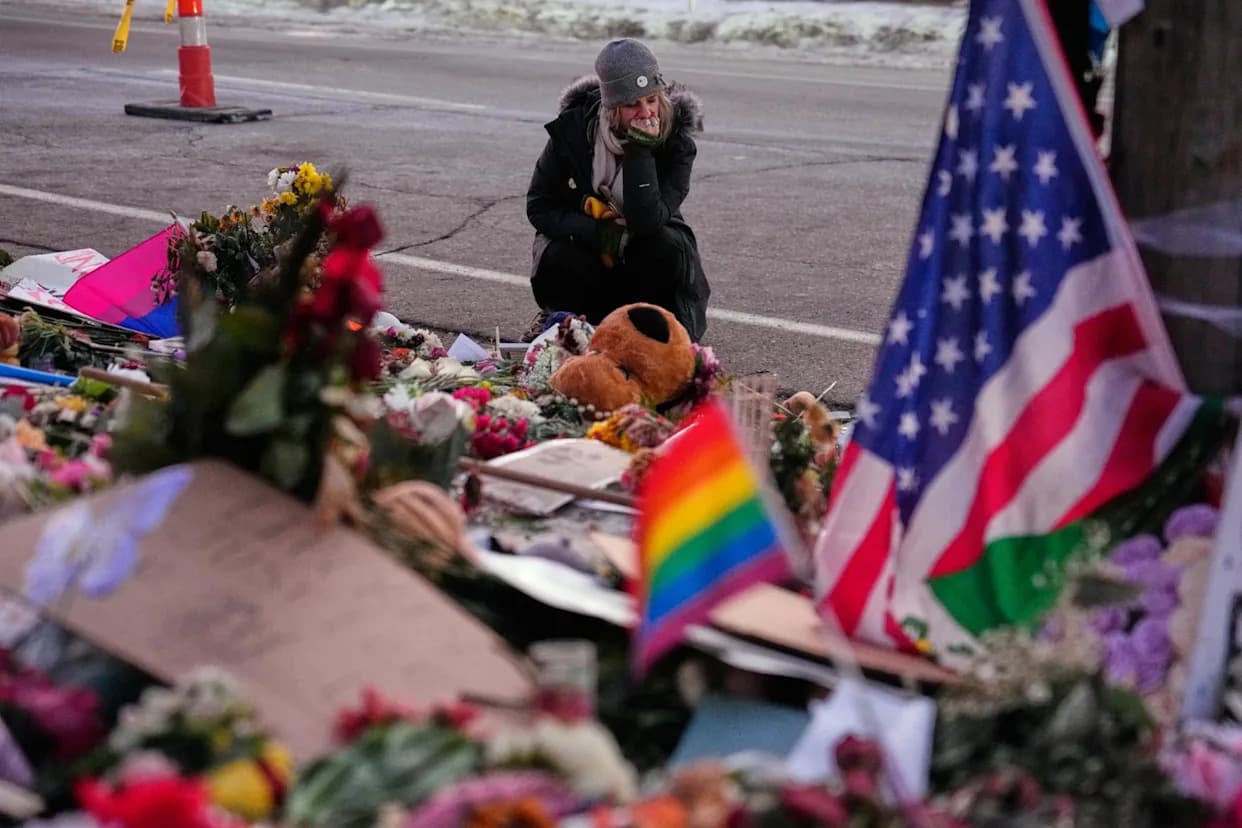
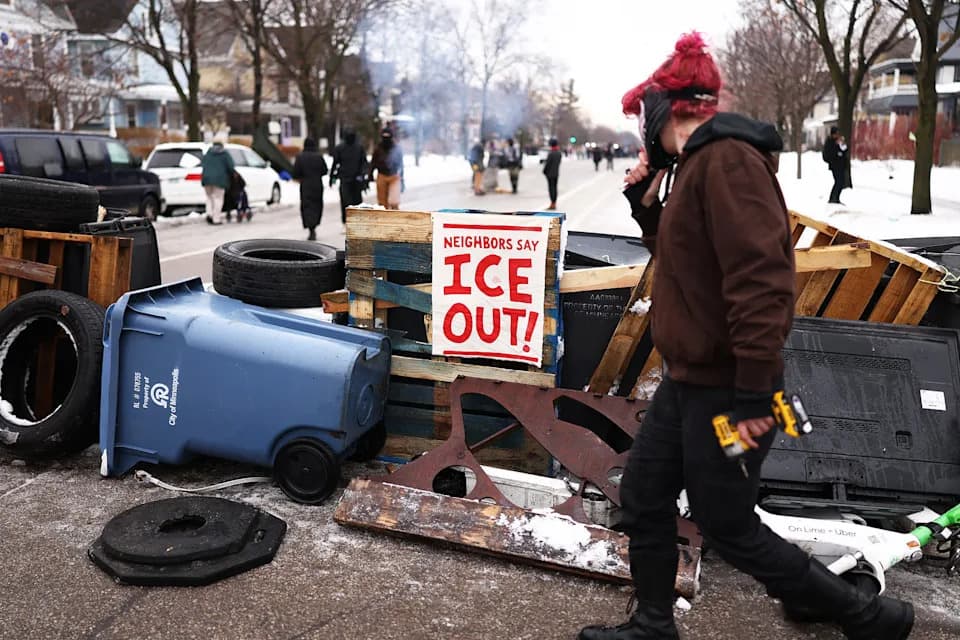
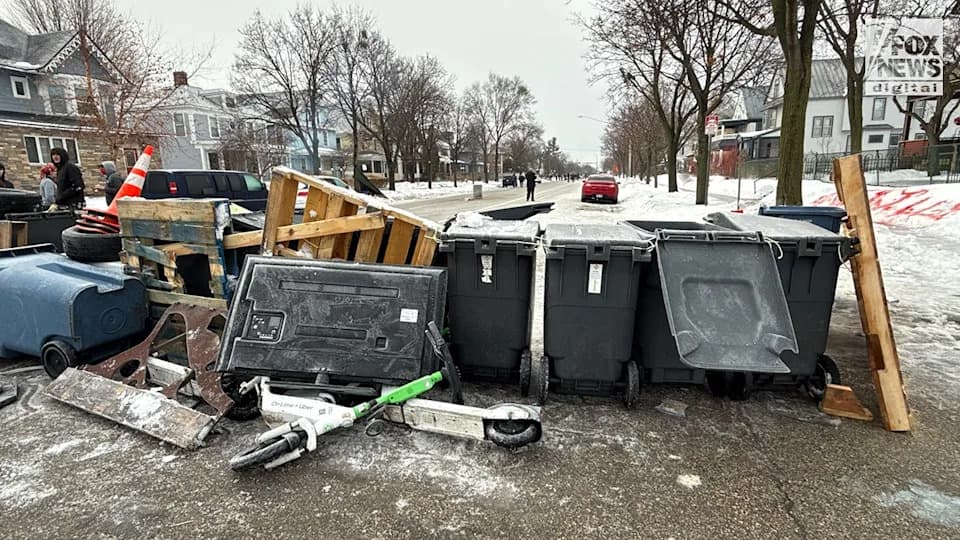
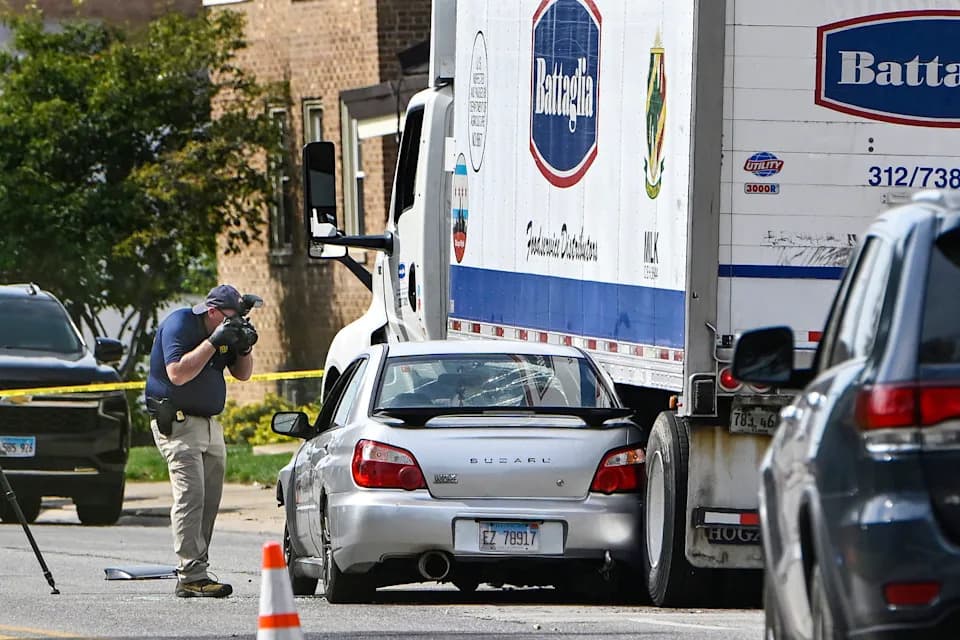
Minneapolis has been the focal point of tense protests after federal immigration agents were sent to the city as part of a broader crackdown. Tensions escalated following the fatal shooting of 37-year-old Renee Good by an Immigration and Customs Enforcement (ICE) agent. The Trump administration defended the agent involved and increased federal resources in the area, prompting fresh legal and constitutional questions about federal power, use of force, and citizens’ rights on the ground.
What Is The Insurrection Act — And Could It Be Used?
The Insurrection Act is a federal statute that can allow the president to deploy active-duty U.S. troops to a state when he determines it is "necessary to enforce the laws of the United States or to suppress rebellion." Governors or state legislatures can formally request federal troops, but the law has also been invoked historically without a governor's consent — notably by Presidents Dwight D. Eisenhower and John F. Kennedy to enforce school integration after the Supreme Court's decision in Brown v. Board of Education.
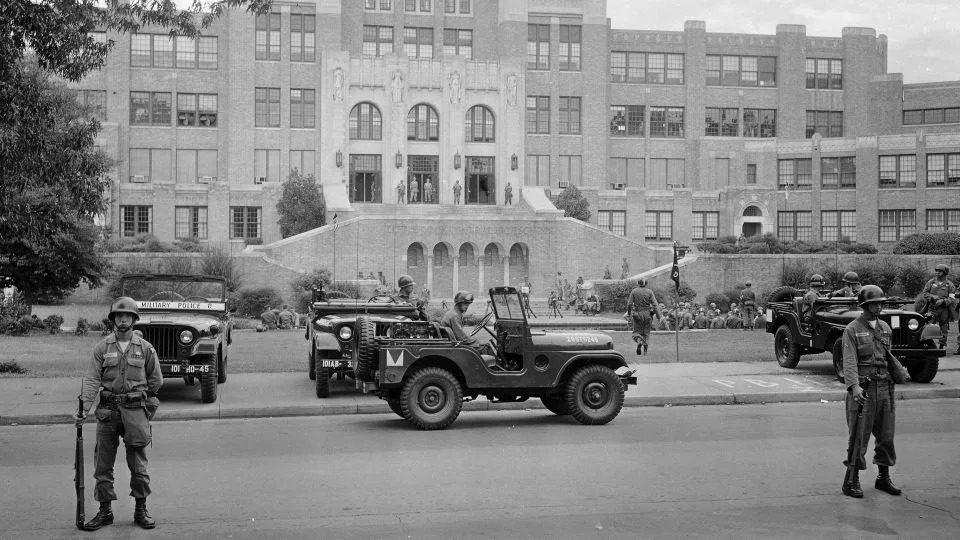
In this Sept. 26, 1957, file photo, members of the 101st Airborne Division take up positions outside Central High School in Little Rock, Arkansas. The troops were on duty to enforce integration at the school. - AP
President Trump has said he sees no immediate need to invoke the Act but has repeatedly indicated he would use it if he deemed it necessary. Governors such as Minnesota’s Tim Walz have publicly criticized the surge of federal forces in Minneapolis.
When Can Federal Officers Use Deadly Force?
Department of Homeland Security policy permits federal immigration officers to use deadly force when confronted with an imminent threat of death or serious bodily injury. Traditionally, federal agencies conduct thorough investigations that can take weeks or months before determining whether the use of force was justified.
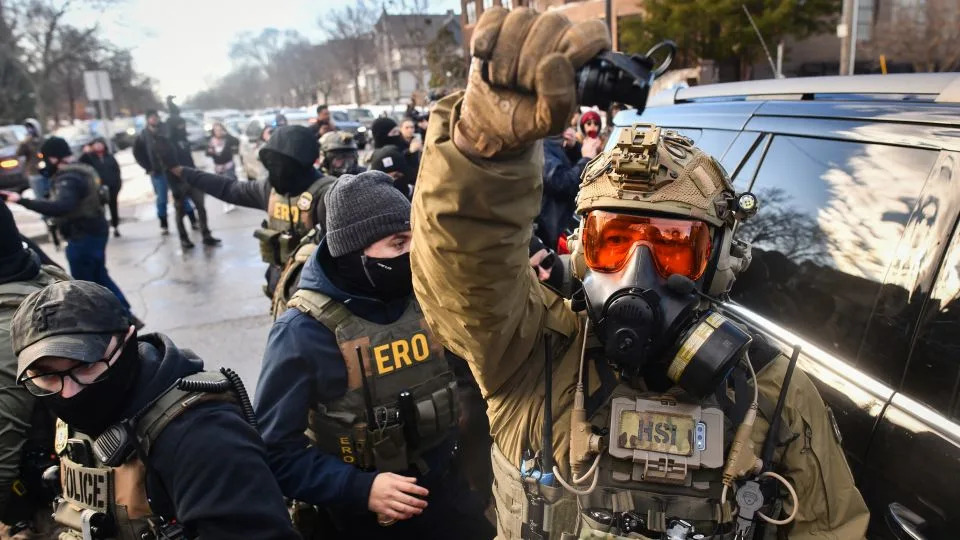
ICE and other federal agents respond to protestors as they operate in a residential neighborhood in Minneapolis, Minnesota, on January 13, 2026. - Octavio Jones/AFP/Getty Images
Critics say political defenses of federal agents after high-profile incidents, and leadership changes at the Justice Department and FBI, may weaken usual accountability mechanisms and reduce the likelihood of independent prosecutions.
Can Officers Demand People Show Citizenship Papers?
Some officials — including South Dakota Governor Kristi Noem — have said federal agents might ask people near an enforcement target to "validate their identity." But legal analysts stress limits on that power. CNN senior legal analyst Elie Honig has said that it is unlawful and unconstitutional to require people to prove citizenship without an independent legal basis for a stop. An officer generally needs reasonable suspicion to detain someone and compel identity documentation.
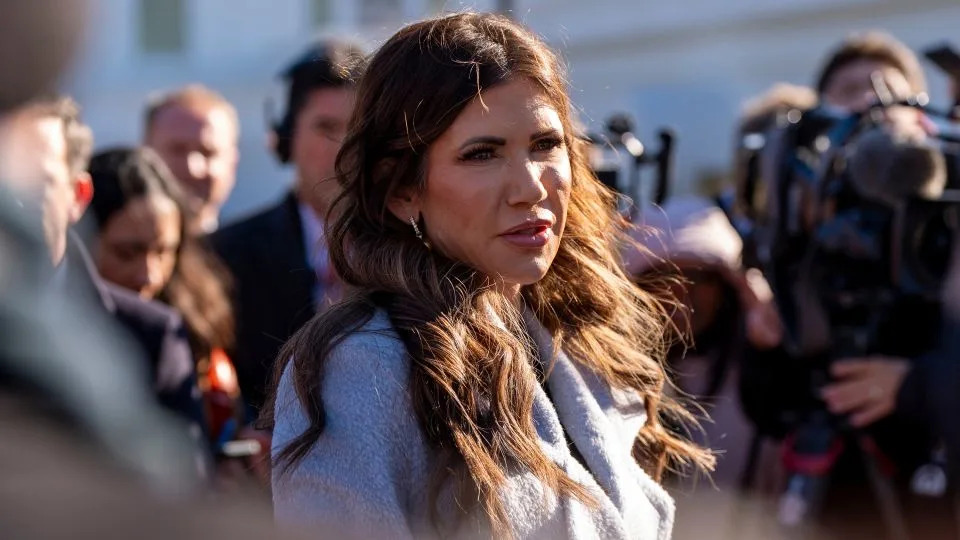
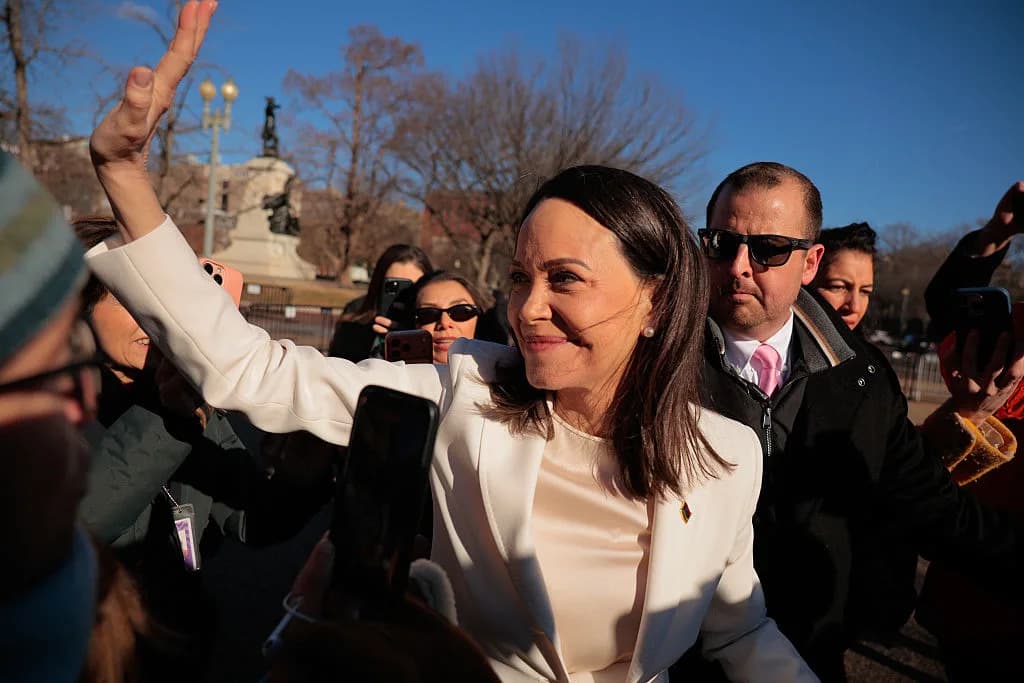
Homeland Security Secretary Kristi Noem speaks with reporters at the White House, Thursday, Jan. 15, 2026, in Washington. - Alex Brandon/AP
Legal scholars also note that while agents may ask for citizenship documents, individuals retain Fifth Amendment protections and may decline to answer or produce documents in ways that could be self-incriminating.
State Lawsuits And The Tenth Amendment
Minnesota and Illinois have filed lawsuits seeking to curb federal immigration operations in their states, arguing the federal deployments amount to unlawful overreach under the Tenth Amendment. The suits contend the presence of federal agents strains local police resources and diverts city officers from community policing and other duties.
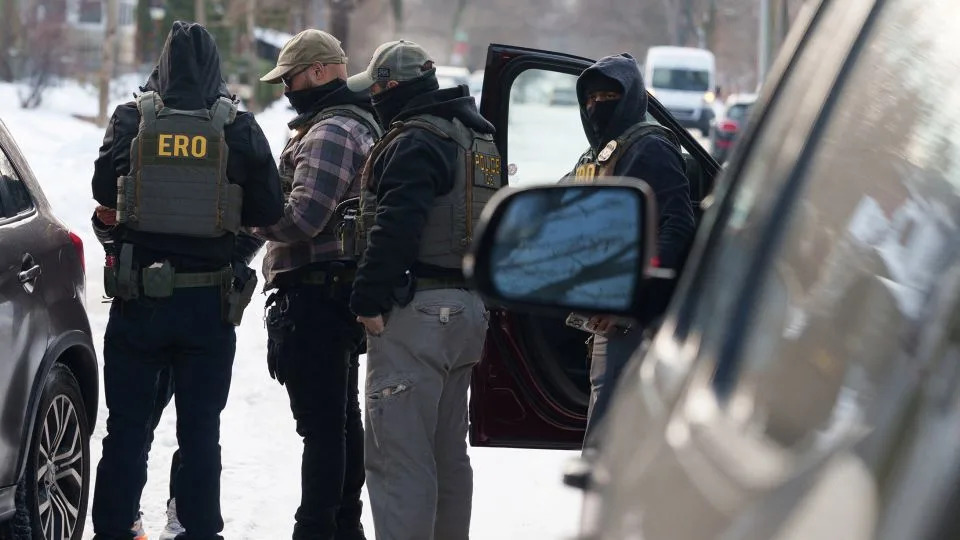
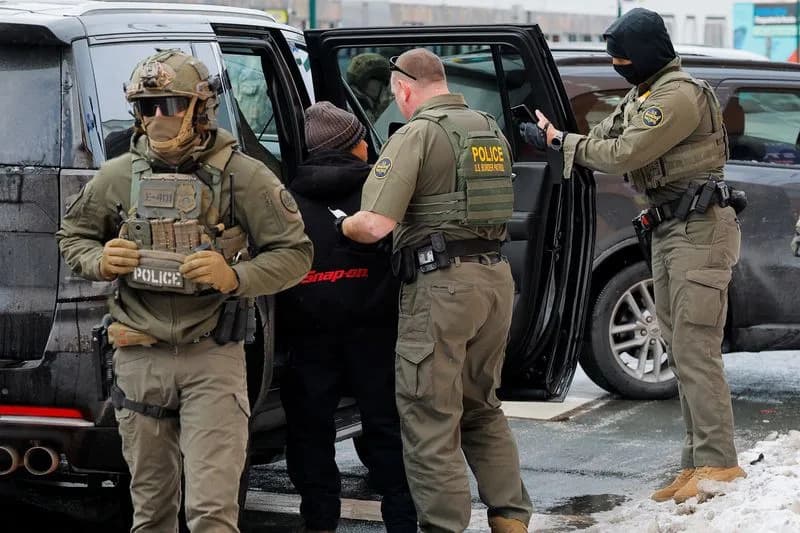
Federal agents from Immigration and Customs Enforcement (ICE) and other agencies surround a Somali American citizen and ask for his documentation after seeing him making a delivery on a residential street in Minneapolis, Minnesota, on January 7, 2026. - Tim Evans/Reuters
State officials say their lawsuits are aimed at limiting what they view as unauthorized federal intrusion into state and local governance, not at blocking lawful immigration enforcement per se. Legal observers are sharply divided on the merits of these cases.
Where This Standoff Goes From Here
The issues at stake — the threshold for sending active-duty troops, the permitted scope of federal agents’ use of force, and procedural protections for people asked to prove their status — are likely to be decided in court and debated in public forums. For residents and protesters on the ground, the immediate questions are whether federal officers will escalate tactics and how local authorities will balance public safety with civil liberties.
Key names and points to watch: Renee Good (the shooting victim), President Trump (who has discussed invoking the Insurrection Act), Governor Tim Walz (who opposes the federal surge), civil-rights and constitutional lawyers evaluating claims under the Fourth, Fifth and Tenth Amendments, and pending state lawsuits challenging the federal operations.
Help us improve.