NASA has advanced the Artemis 2 wet dress rehearsal to as early as Jan. 31. The test will load SLS with more than 700,000 gallons of cryogenic propellant and run countdown procedures to T‑33 seconds, exercising holds and terminal‑count operations. If the rehearsal and other checks go smoothly and weather cooperates, Artemis 2 could be cleared for a crewed launch as soon as Feb. 6. Safety, cold weather and remaining hardware checks remain potential causes of delay.
NASA Moves Artemis 2 Fueling Rehearsal Up to Jan. 31 as Teams Prep for Possible Feb. 6 Launch
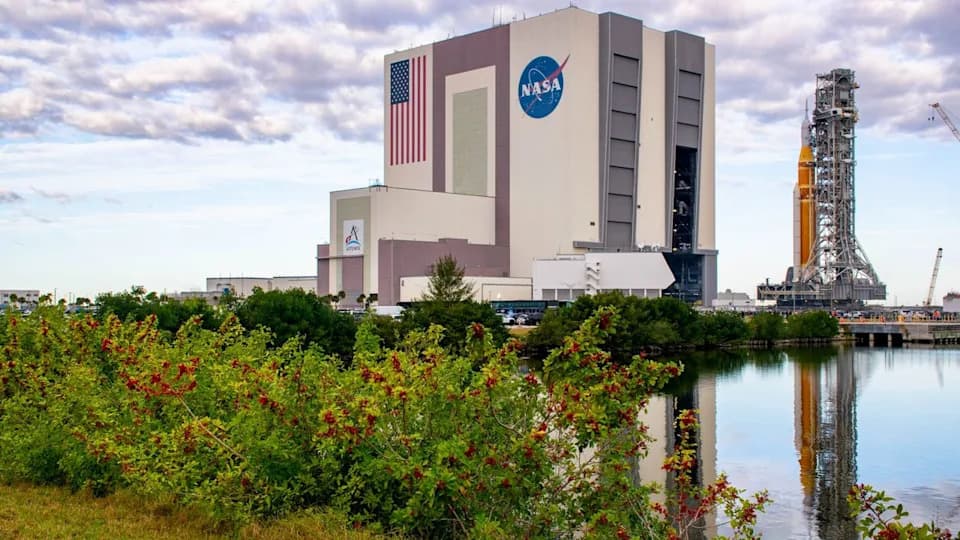
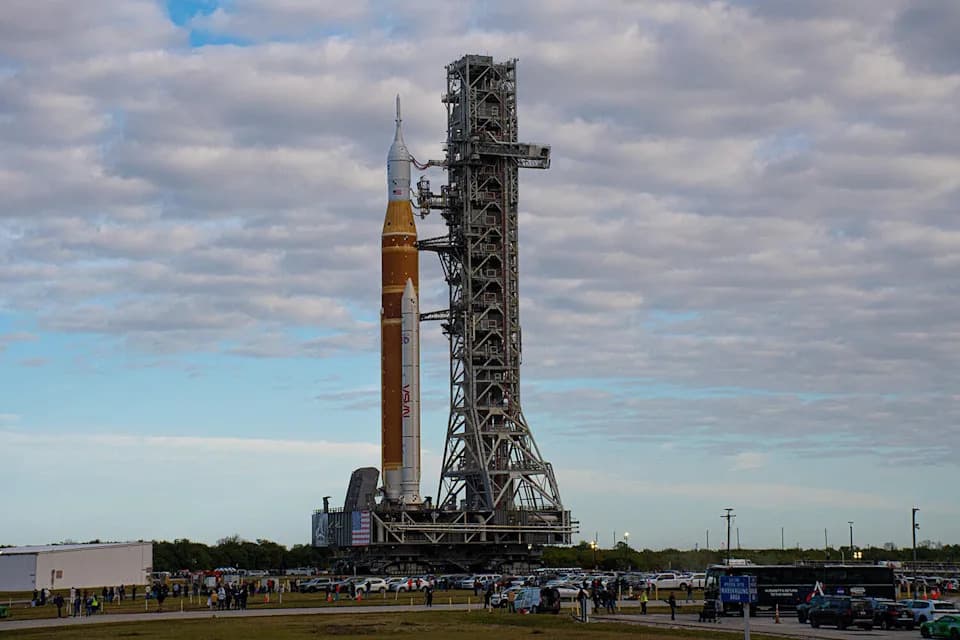
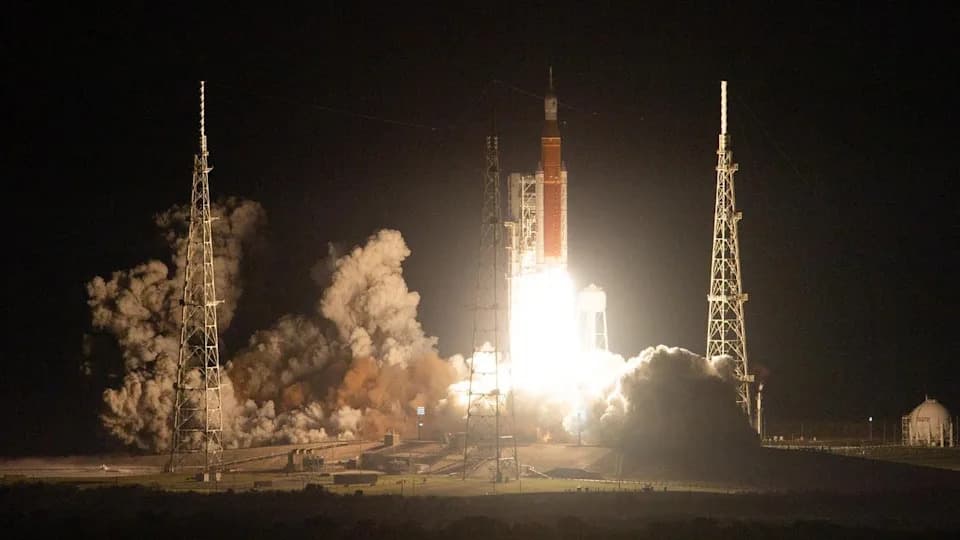
The stacked Space Launch System and Orion space capsule roll out from NASA's VAB. . | Credit: Josh Dinner/Space.com
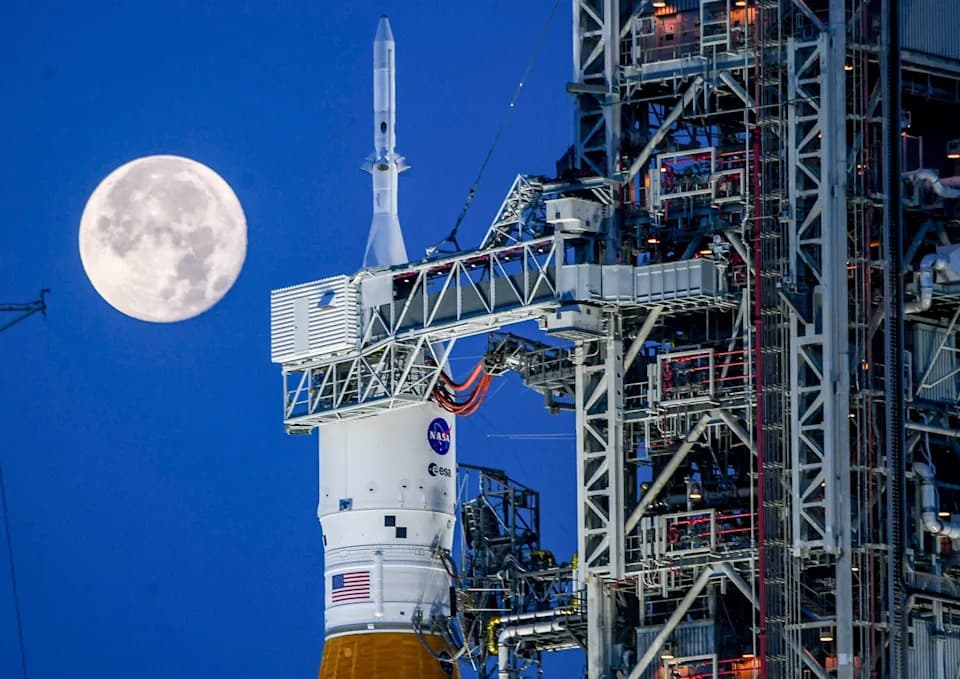
NASA has accelerated a crucial prelaunch test for its Artemis 2 moon mission, aiming to complete a full "wet dress rehearsal" as early as Saturday, Jan. 31. The rehearsal will simulate countdown procedures and load the Space Launch System (SLS) rocket with cryogenic propellants ahead of a possible crewed launch as soon as Feb. 6 if all goes well.
What The Rehearsal Will Do
The wet dress rehearsal begins roughly two days before the simulated T‑0 and culminates in the most critical operations on Saturday, when teams will begin cryogenic fueling of SLS' two primary stages. Fully fueled, the stack will take on more than 700,000 gallons (about 2.65 million liters) of propellant and weigh roughly 5.75 million pounds (approximately 2.6 million kilograms).
Engineers will run the mission clock down to T‑33 seconds — the point where the rocket's onboard computer would assume critical monitoring during a real launch — then reset to T‑10 minutes and exercise multiple terminal‑count holds, resumes and clock recycles to validate procedures and team responses.
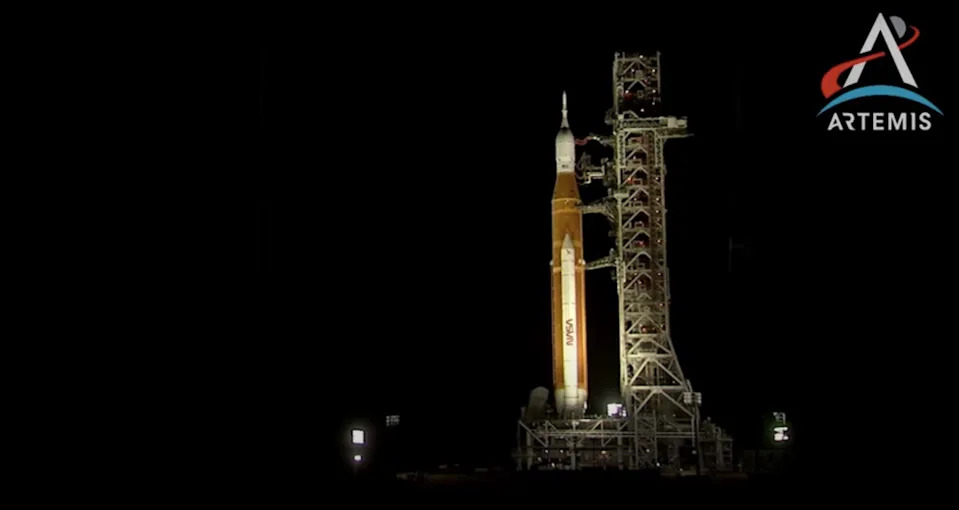
NASA's Artemis 1 moon rocket rolls off the Launch Pad 39B at Kennedy Space Center in Florida on Sept. 26, 2022, to take shelter from Hurricane Ian. | Credit: NASA's Kennedy Space Center
Progress, Safety Checks And Recent Fixes
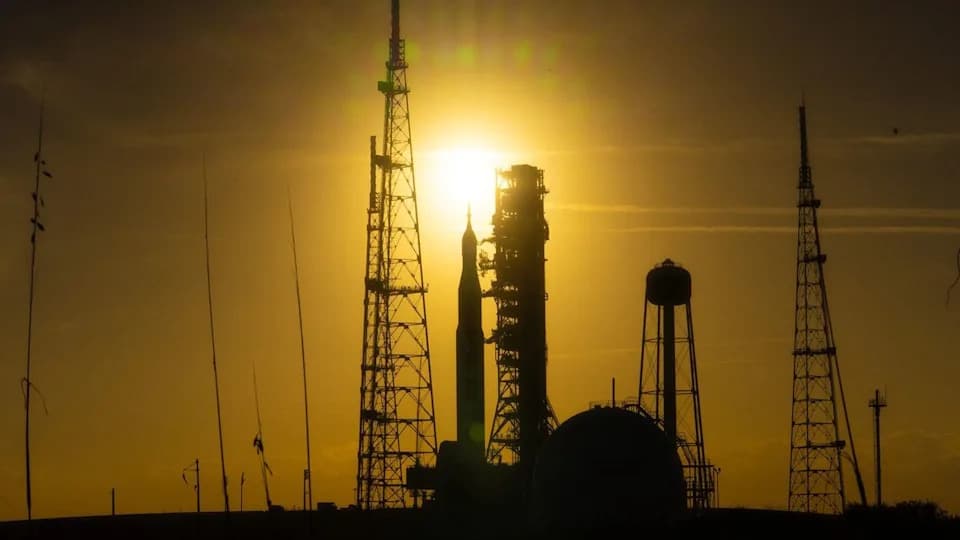
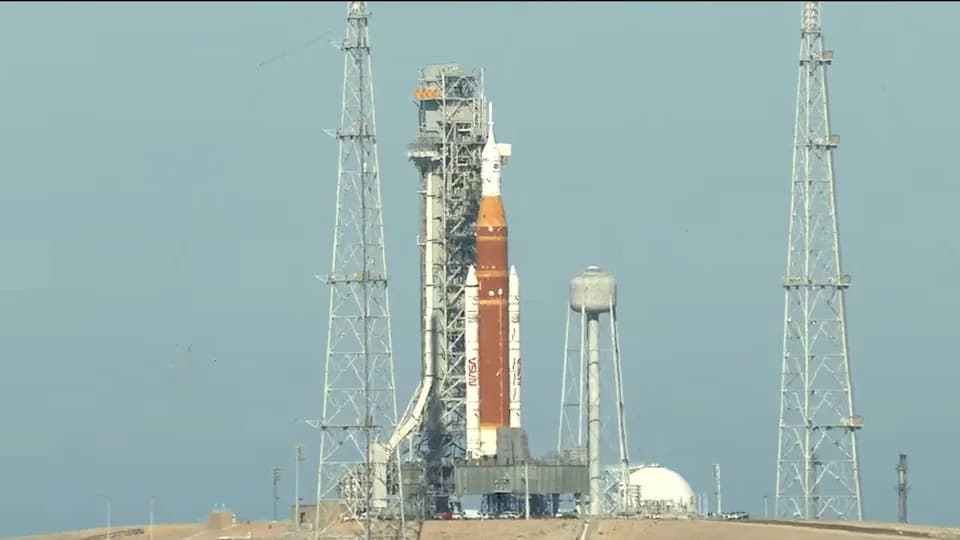
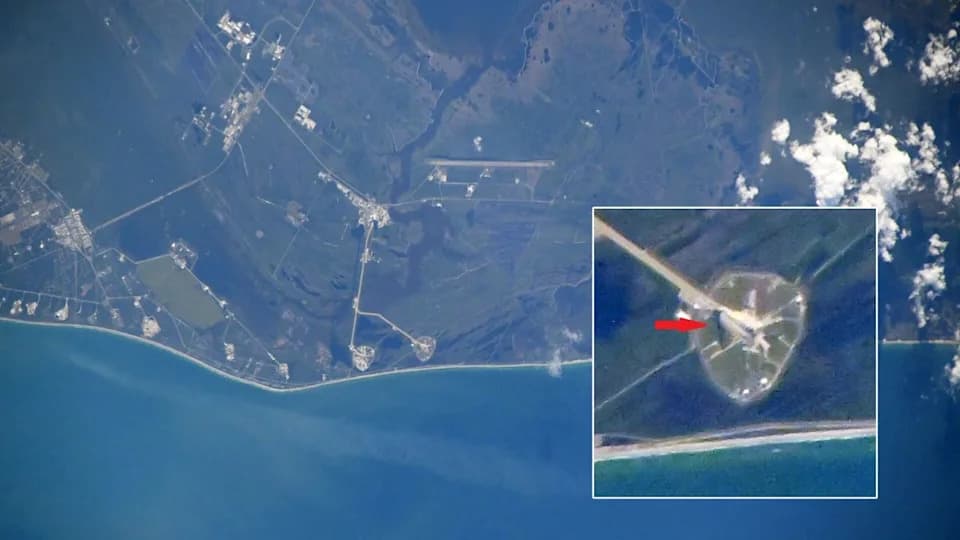
Artemis 2's SLS and Orion were rolled from the Vehicle Assembly Building to Launch Complex 39B on Jan. 17. Teams have integrated the mobile launch platform with ground systems and completed preparatory pad work. NASA reported engineers are on track or ahead of schedule.
Lessons from Artemis 1 — which required several rollbacks to the VAB to fix fueling leaks during four wet dress rehearsals — informed repairs and process changes. NASA also discovered and replaced faulty brakes on the crew escape baskets used for zipline evacuations, underscoring the agency's focus on crew safety.
Weather, Timeline And What Could Delay Launch
Even with a flawless wet dress rehearsal, a Feb. 6 crewed launch would still depend on other factors. Cold weather across much of the U.S., including forecasts of below‑freezing temperatures at Kennedy Space Center this weekend, could force additional precautions. Technicians are preparing environmental control systems to protect Orion and SLS hardware from the cold.
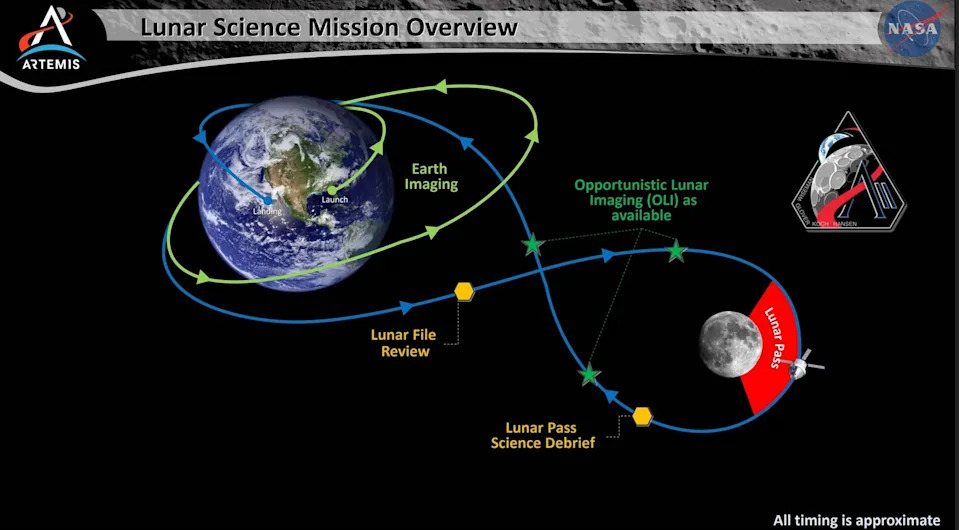
An overview of the Artemis 2 mission. | Credit: NASA
Beyond weather, any unexpected hardware or ground‑system issue could delay the schedule. NASA continues to treat safety as the top priority as it approaches the program's first crewed lunar mission in more than 50 years.
The Crew And The Mission Profile
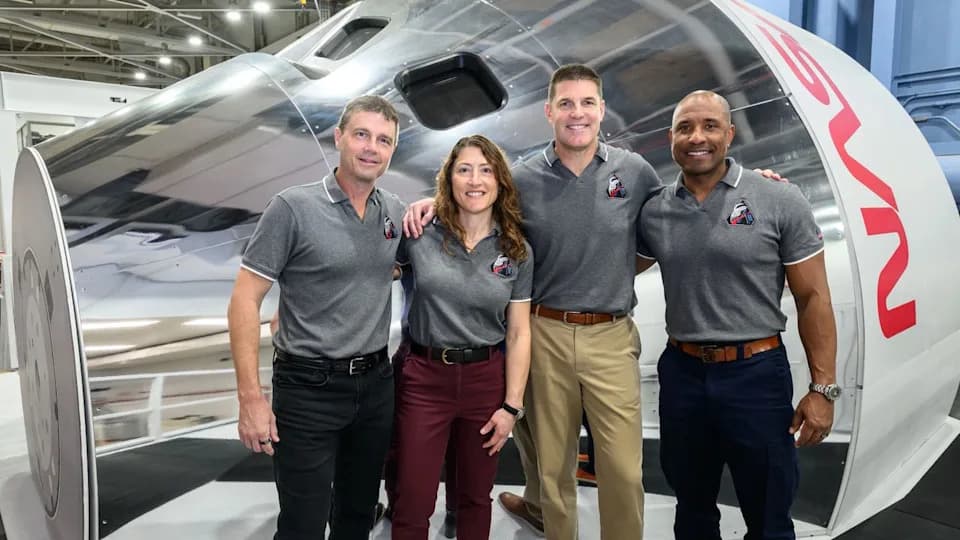
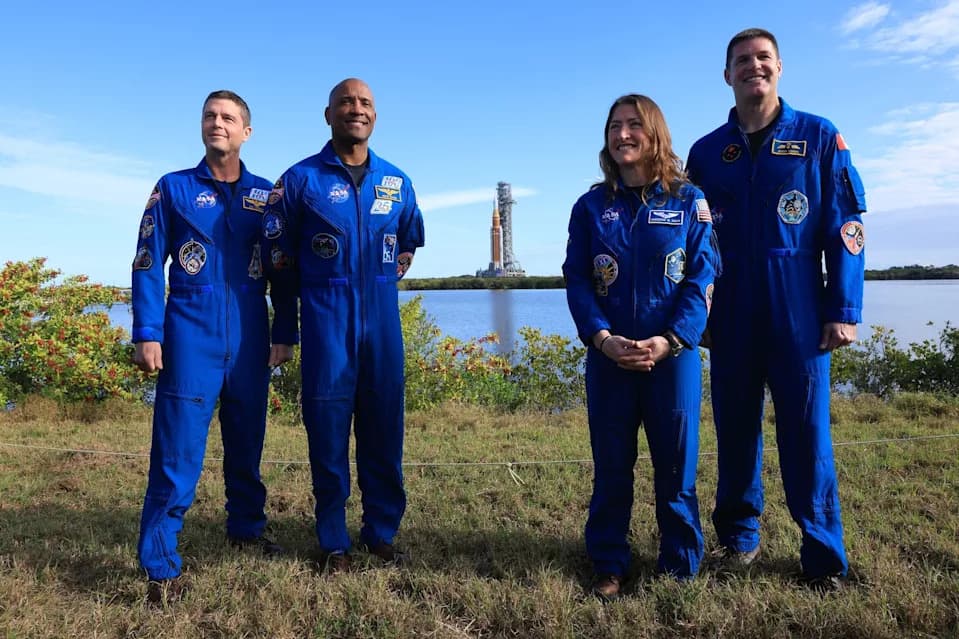
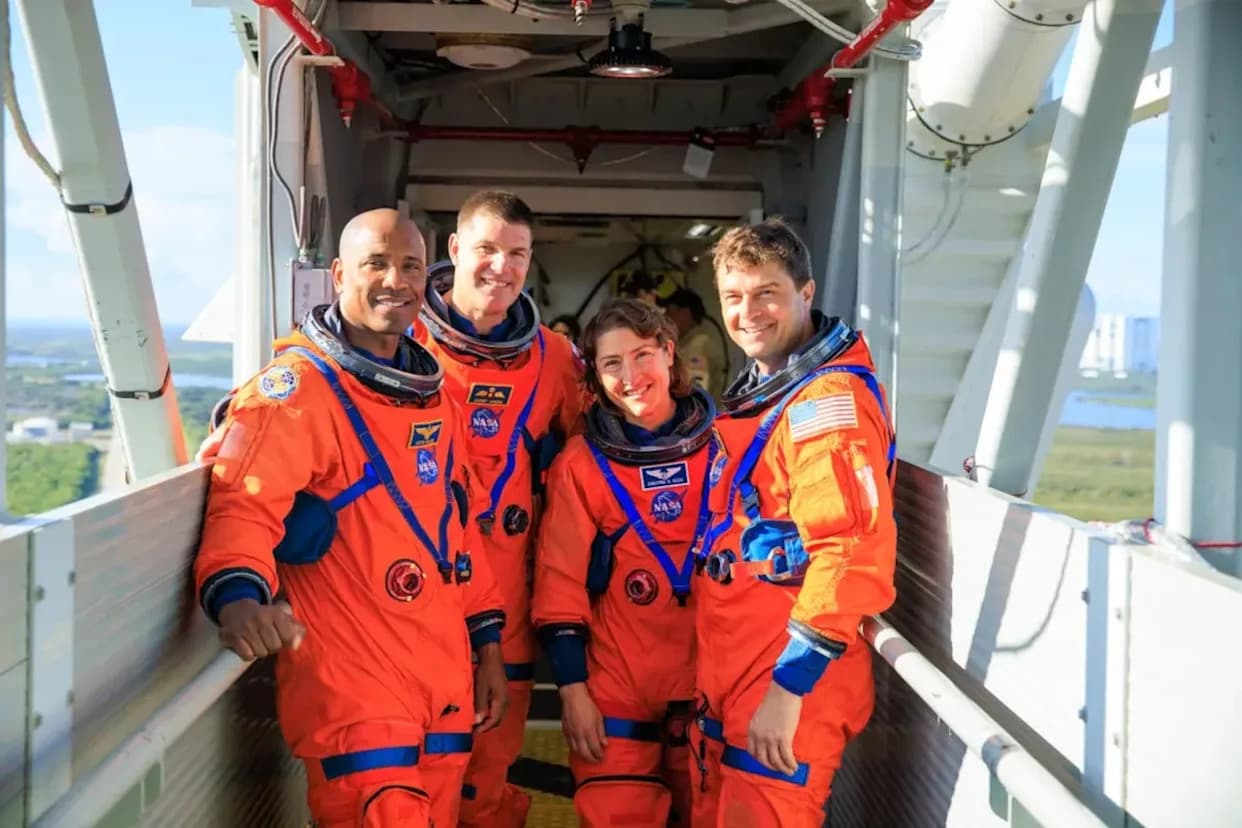
The Artemis 2 crew has entered pre‑mission quarantine. The four crew members are commander Reid Wiseman, pilot Victor Glover, mission specialist Christina Koch and Canadian Space Agency astronaut Jeremy Hansen.
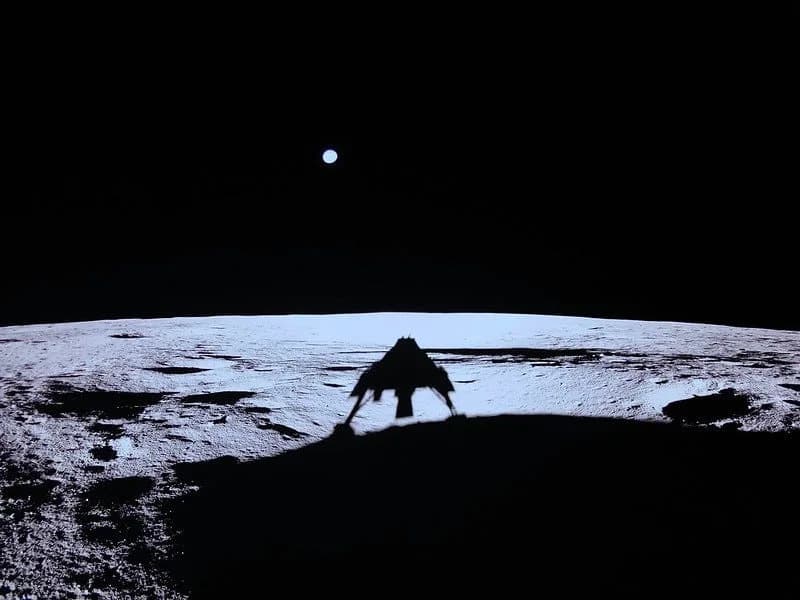
Orion will spend a short time in Earth orbit for system checks before heading to a free‑return trajectory around the moon: a figure‑eight path that loops past the lunar far side and returns to Earth without inserting into lunar orbit. Although Artemis 2 will not land, depending on timing and trajectory it could send astronauts farther from Earth than any humans have traveled before.
Looking Ahead
If Artemis 2 proceeds smoothly, Artemis 3 is targeted to land astronauts on the lunar surface around 2028. NASA expects to have initial Gateway lunar‑orbit station elements and at least one Human Landing System in development by then; SpaceX's Starship is the prime HLS contractor, though NASA has signaled interest in other bidders to encourage competition.
Watch The Rehearsal
NASA expects the wet dress rehearsal to begin as early as Thursday evening, Jan. 29, and work toward a simulated T‑0 at 9:00 p.m. EST on Saturday (0200 GMT on Feb. 1). The agency will stream the test on its platform, with media outlets such as Space.com providing live coverage of fueling operations.
Help us improve.