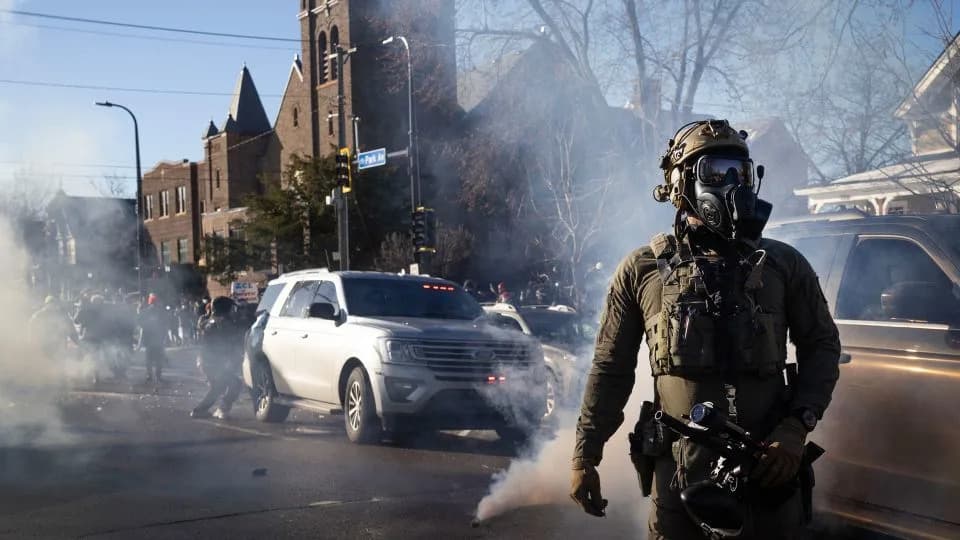
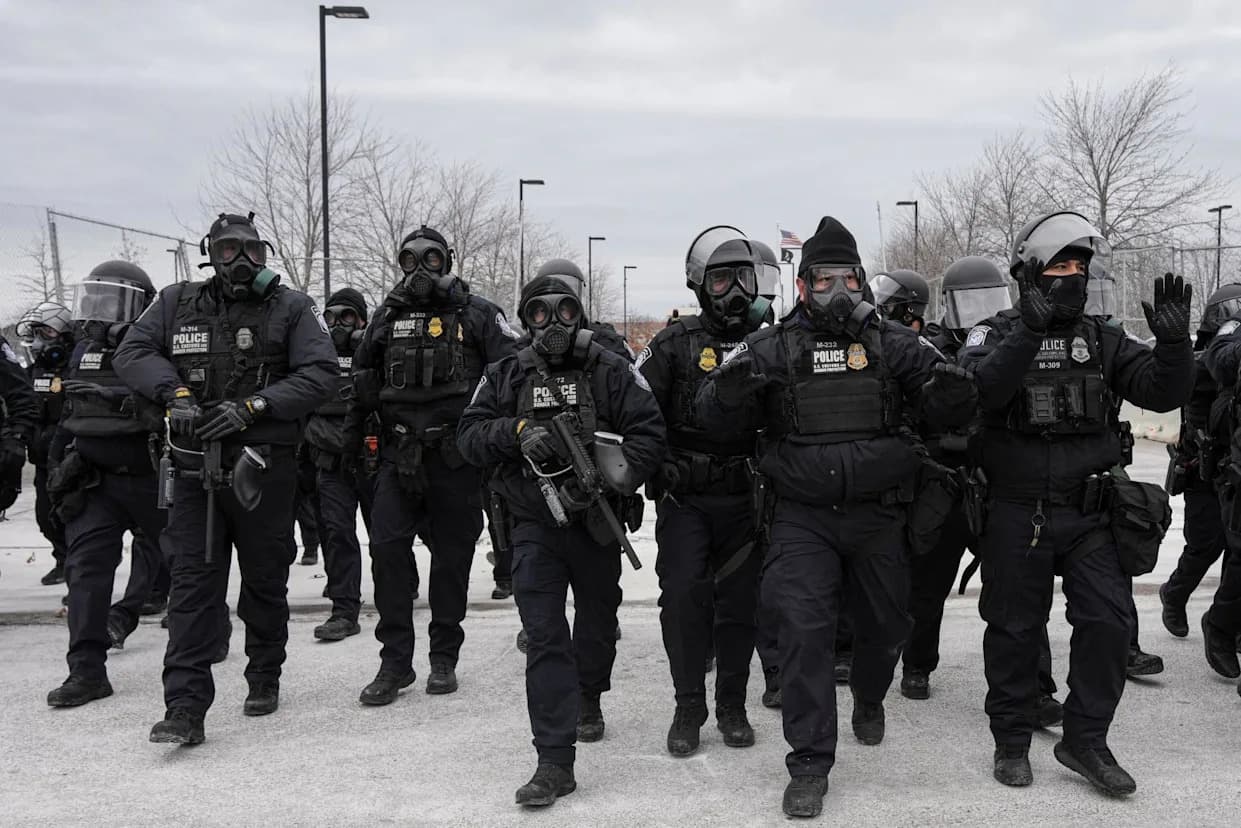
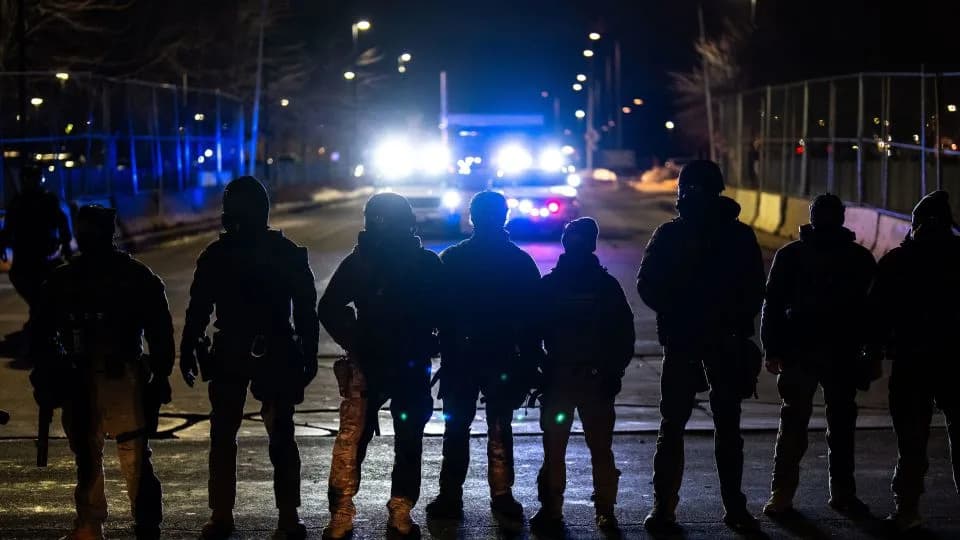
The attorneys general of Minnesota and Illinois filed separate lawsuits invoking the 10th Amendment to challenge recent deployments of ICE and Border Patrol agents. Both states say the federal presence amounts to overreach that disrupts local governance, public safety and civil liberties, and several cities joined as co-plaintiffs. Legal scholars call the cases novel and possibly precedent-setting, pitting state sovereignty against federal immigration enforcement authority.
Minnesota and Illinois Invoke the 10th Amendment to Challenge Federal Immigration Agents — What It Could Mean
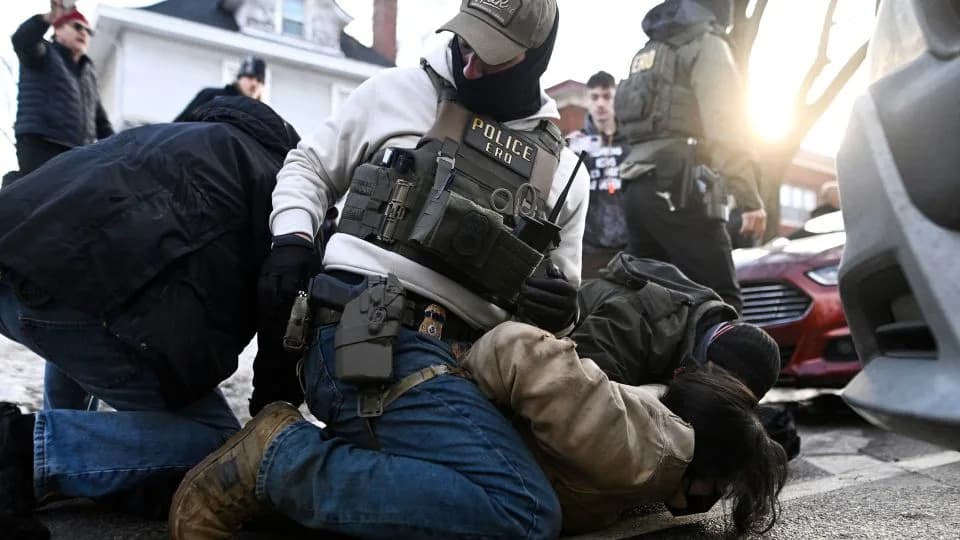
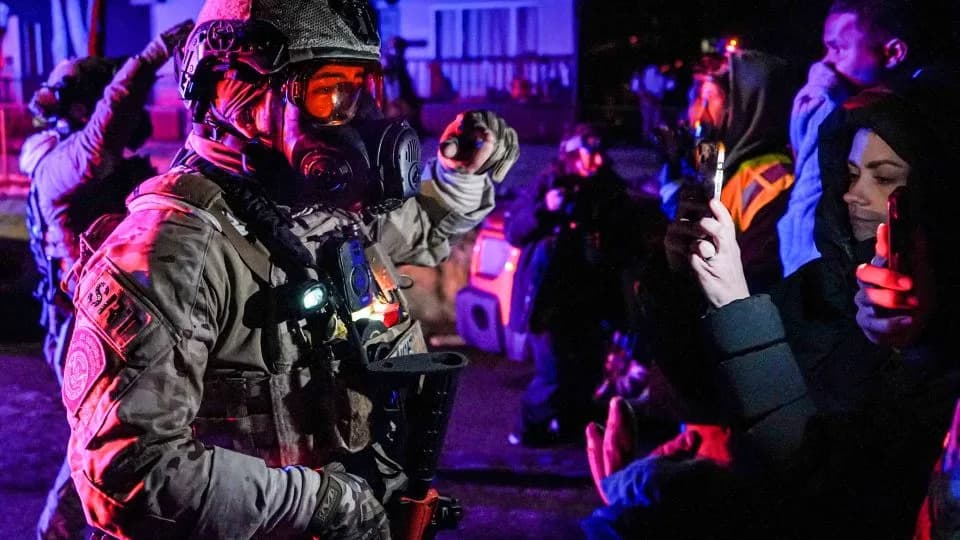
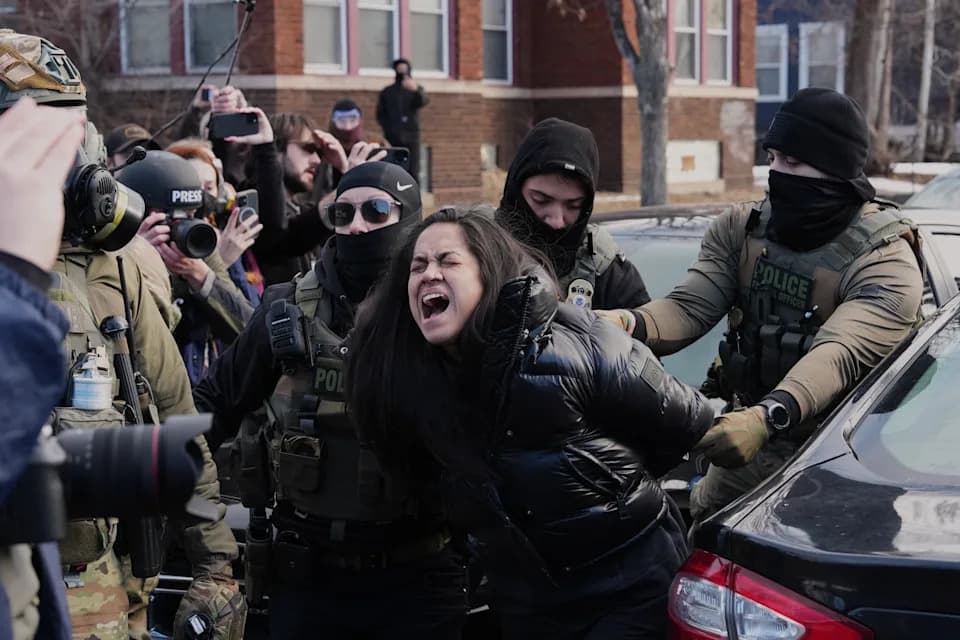
An observer is detained after ICE agents made arrests on January 13, 2026, in Minneapolis. - Stephen Maturen/Getty Images
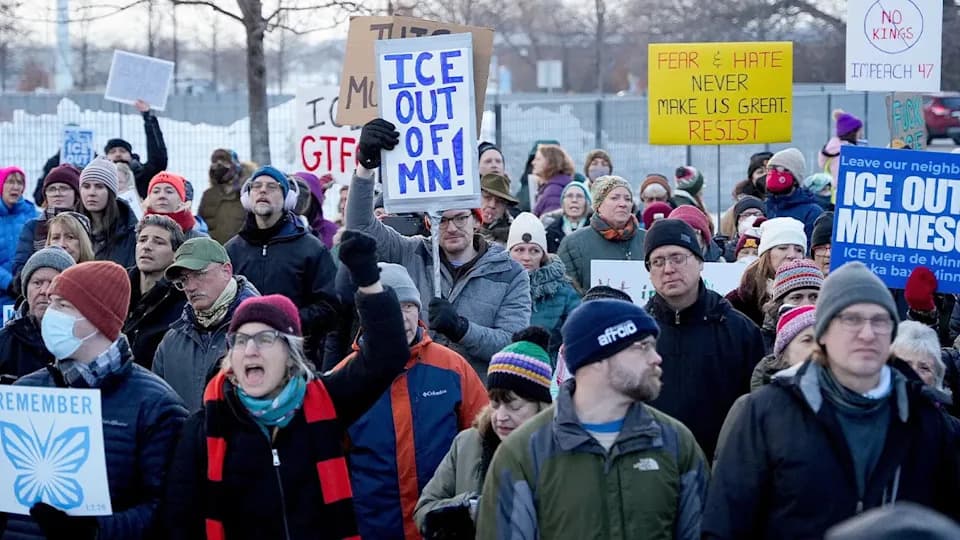
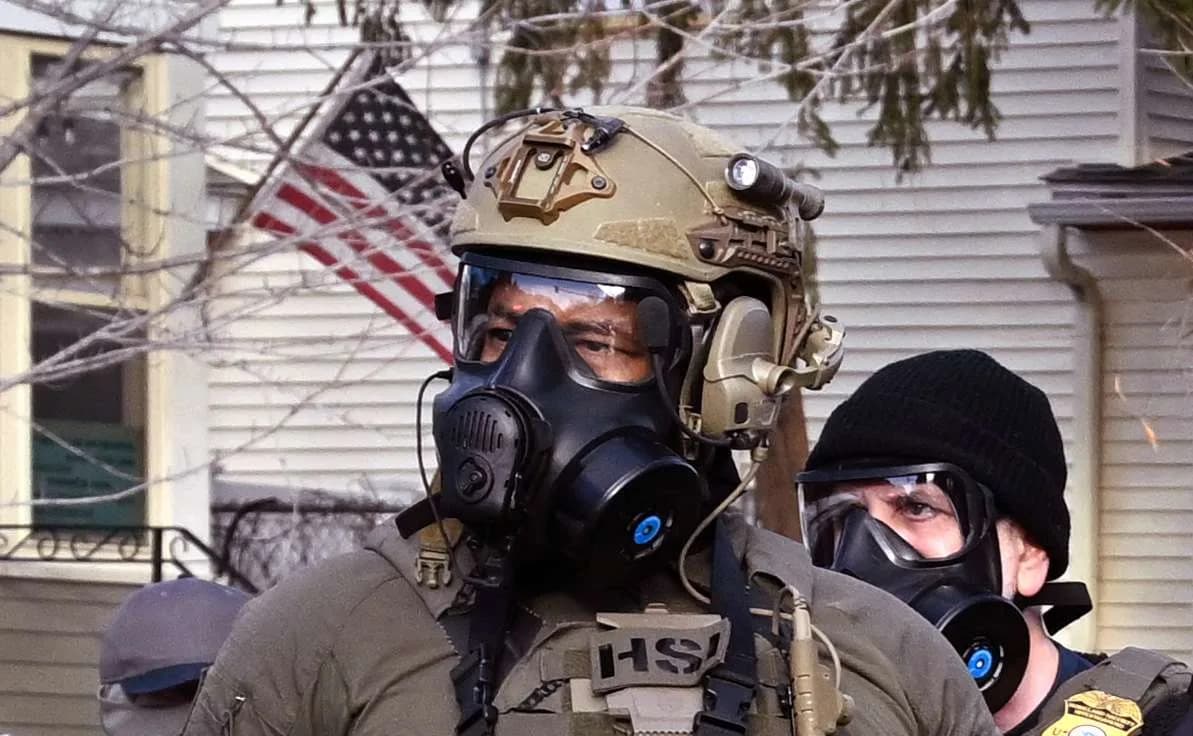
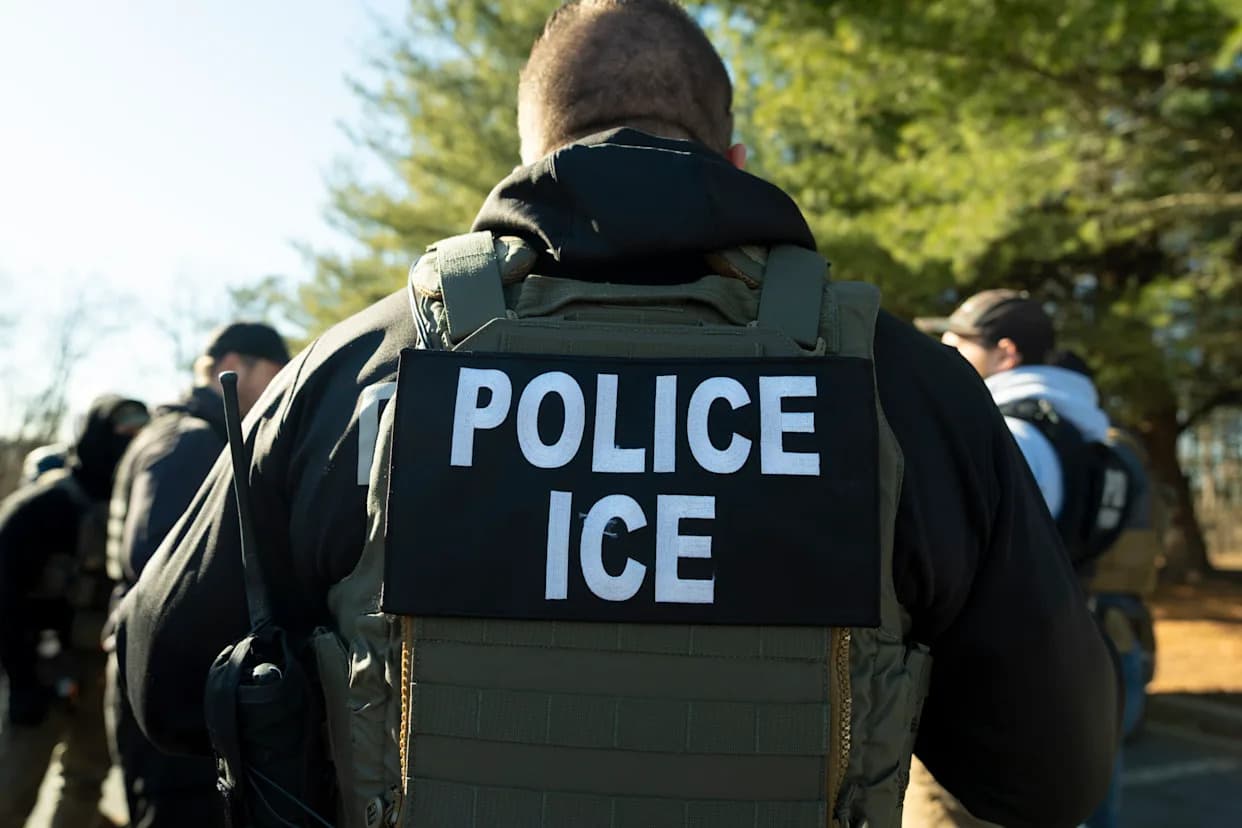
On Monday, Minnesota and Illinois filed separate lawsuits invoking the 10th Amendment to challenge recent surges of Immigration and Customs Enforcement (ICE) and Border Patrol personnel deployed in their cities. Both states contend the federal deployments amount to unlawful overreach that interferes with state and local governance, public safety and civil liberties.
State Allegations
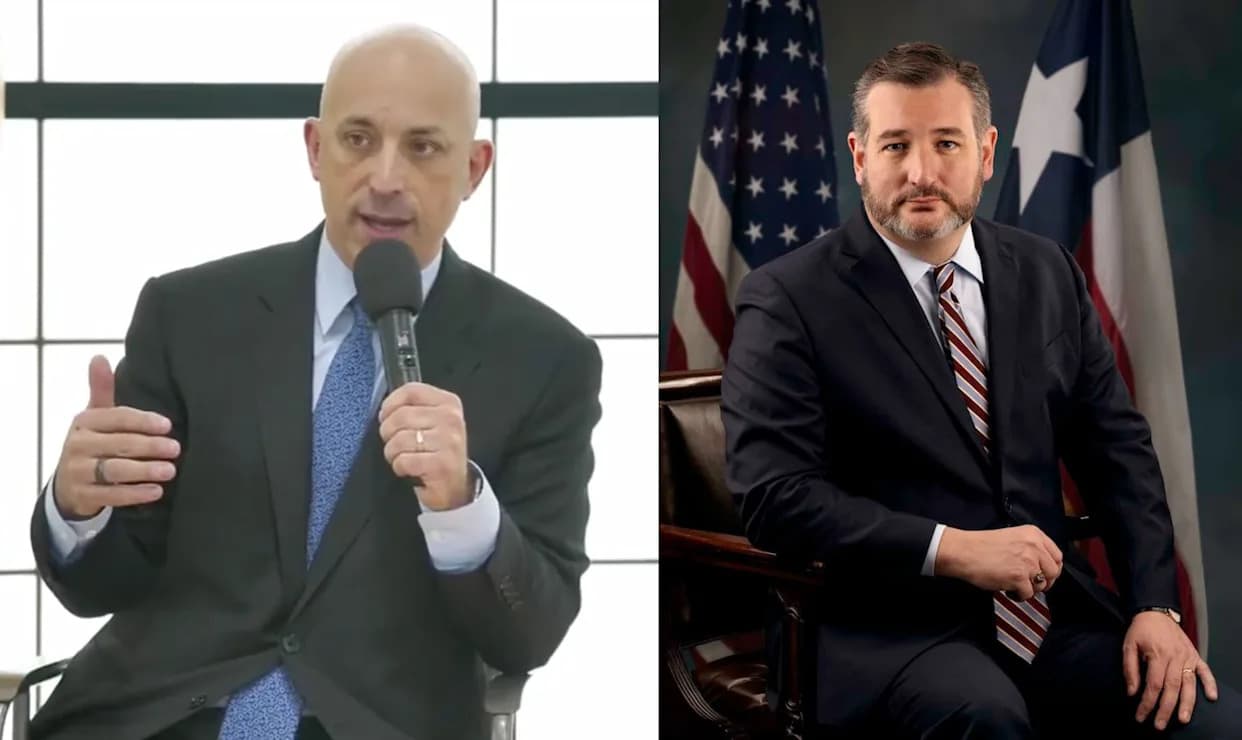
Minnesota Attorney General Keith Ellison said his office believes the deployment violates the 10th Amendment, which preserves the division of powers between state governments and the federal government. Ellison said the state will defend its sovereign authority to protect the health and wellbeing of everyone who lives within its borders.
Illinois Governor J.B. Pritzker framed his state’s suit in stronger political terms, accusing the Trump administration of unlawful tactics, needless escalations and abuses of power. Illinois argues the Department of Homeland Security’s actions have disrupted residents’ lives and injured the state’s sovereign and proprietary interests.
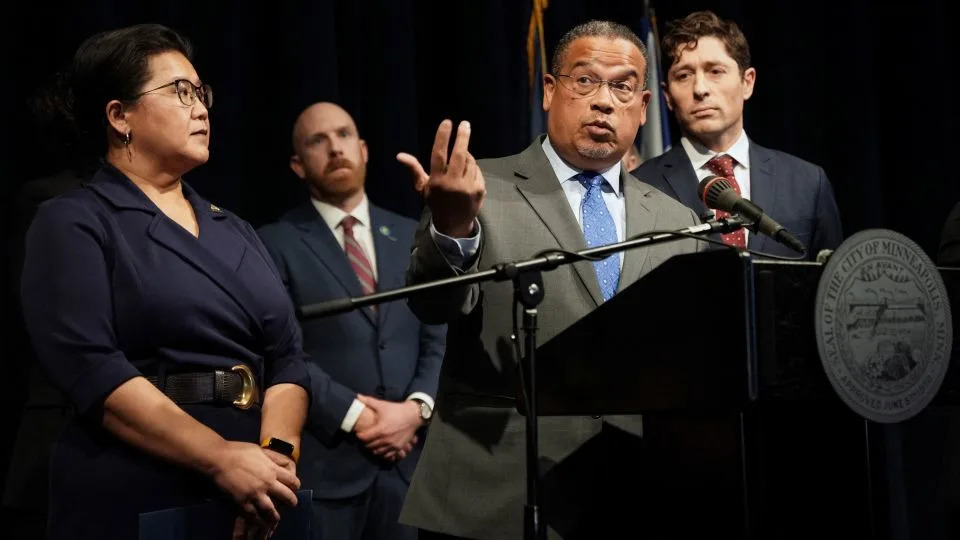
Minnesota Attorney General Keith Ellison speaks at a news conference about a lawsuit his state filed over DHS and ICE tactics after an agent fatally shot Renee Nicole Good in Minneapolis. - Tim Evans/Reuters
Federal Position
The Trump administration maintains that the Constitution grants the federal government broad authority to enforce national immigration laws. In a statement posted on his platform, President Trump defended ICE tactics and warned of consequences for opponents.
Legal Issues and Expert Views
Constitutional scholars say the lawsuits set up a high-stakes clash between states’ rights to govern and protect residents and the federal government’s authority to implement and enforce immigration policy. The cases turn on whether the federal deployments unlawfully interfere with state sovereignty under the 10th Amendment or fall within federal immigration enforcement powers.
“The 10th Amendment reserves to the states the powers not delegated to the federal government,”
said Michele Goodwin, professor of constitutional law at Georgetown University, noting the amendment’s central role in federalism debates. University of Chicago clinical law professor Craig Futterman added that while the federal government clearly has power to enforce immigration law, the courts must decide whether these particular actions constitute a pretextual or retaliatory intrusion into state authority.
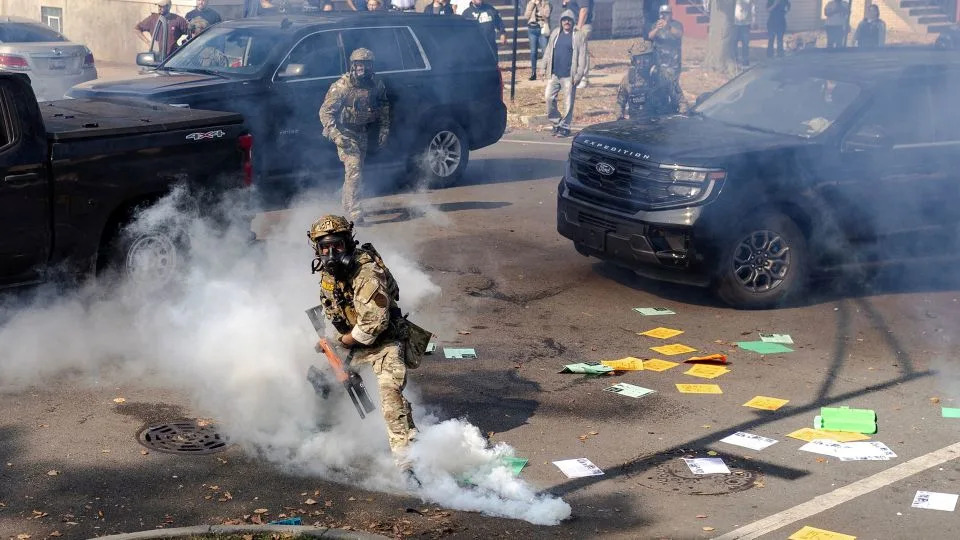
A federal agent prepares to throw a tear gas canister at community members during clashes on Chicago’s South Side, in Chicago, Illinois, on October 14, 2025. - Jim Vondruska/Reuters
Novelty and Potential Impact
Legal experts describe these filings as potentially “cases of first impression” because they apply the 10th Amendment in a novel way to limit federal immigration enforcement inside state borders. Historically, the 10th Amendment has been invoked for a range of disputes, and courts previously allowed federal intervention over state policies when Congress or federal civil-rights laws authorized it, as with the Civil Rights Act of 1964.
The states and several cities — including Chicago, Minneapolis and St. Paul — are asking courts to block certain federal actions or tactics in their jurisdictions. If courts accept the states’ theories, the rulings could reshape the balance between federal immigration enforcement and state sovereignty; if not, the decisions may reaffirm broad federal enforcement authority.
As litigation proceeds, judges will weigh precedent, statutory authority, and factual claims about how federal agents have operated on the ground. The suits are likely to draw intense public, political and legal scrutiny given their potential to set new limits on federal and state power.
Help us improve.