Start‑ups and researchers are exploring solar geoengineering—injecting reflective particles into the stratosphere—to reduce incoming sunlight and temporarily cool Earth. Stardust Solutions raised $60 million to develop a non‑sulfate particle and plans contained outdoor trials; Make Sunsets has already launched hundreds of sulfur dioxide‑filled balloons and sells "cooling credits." Experts warn of governance gaps, regional climate risks and the danger of diverting attention from emissions reduction.
Sun‑Blocking Start‑Ups Push Solar Geoengineering as Climate Stopgap — Controversy and Risks Grow
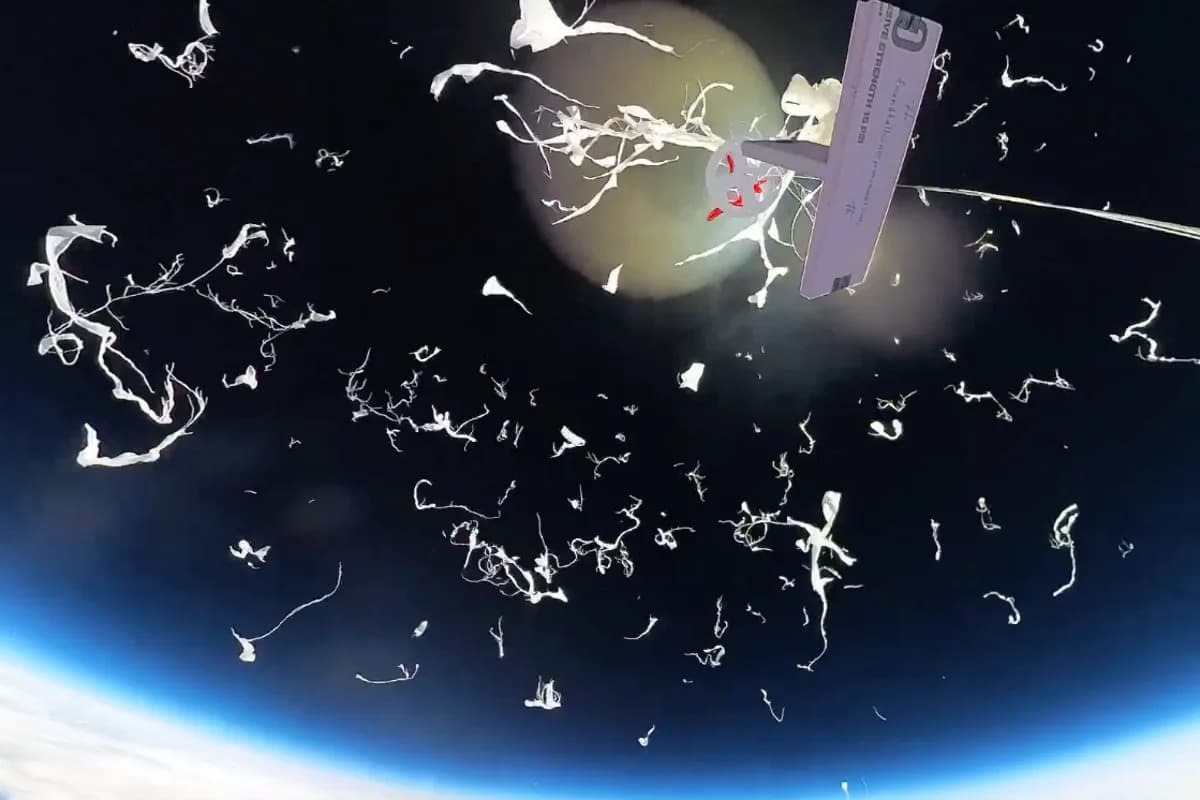
Companies are coming up with plans to block out the sun
A growing cluster of private start‑ups and research teams is pursuing a contentious idea: inject reflective particles into the stratosphere to mimic volcanic cooling and reduce the amount of sunlight reaching Earth. Proponents say such solar geoengineering could buy time against accelerating warming; critics warn of regional harms, weak governance, and the risk of distracting from cutting greenhouse emissions.
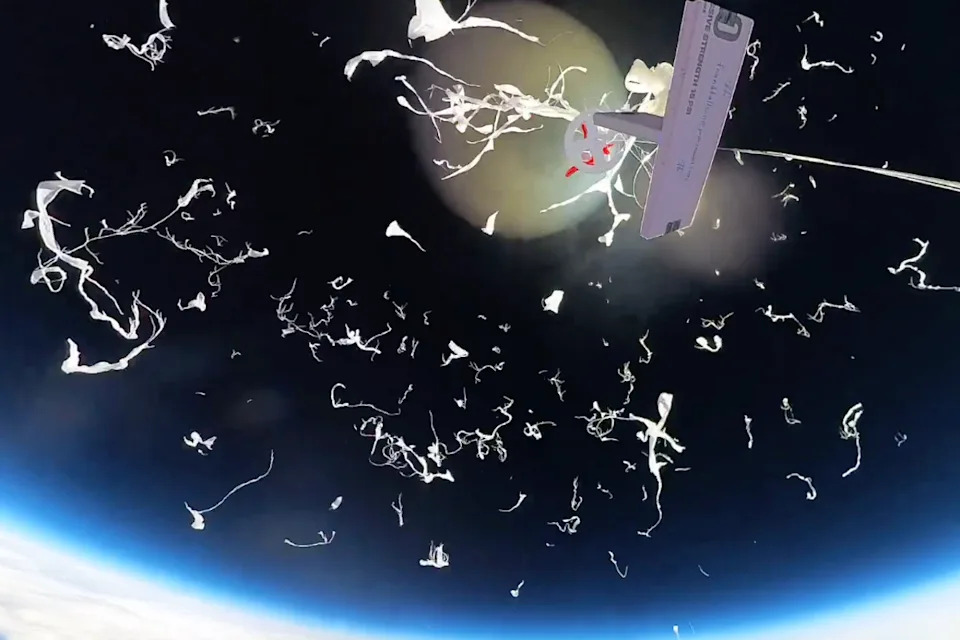
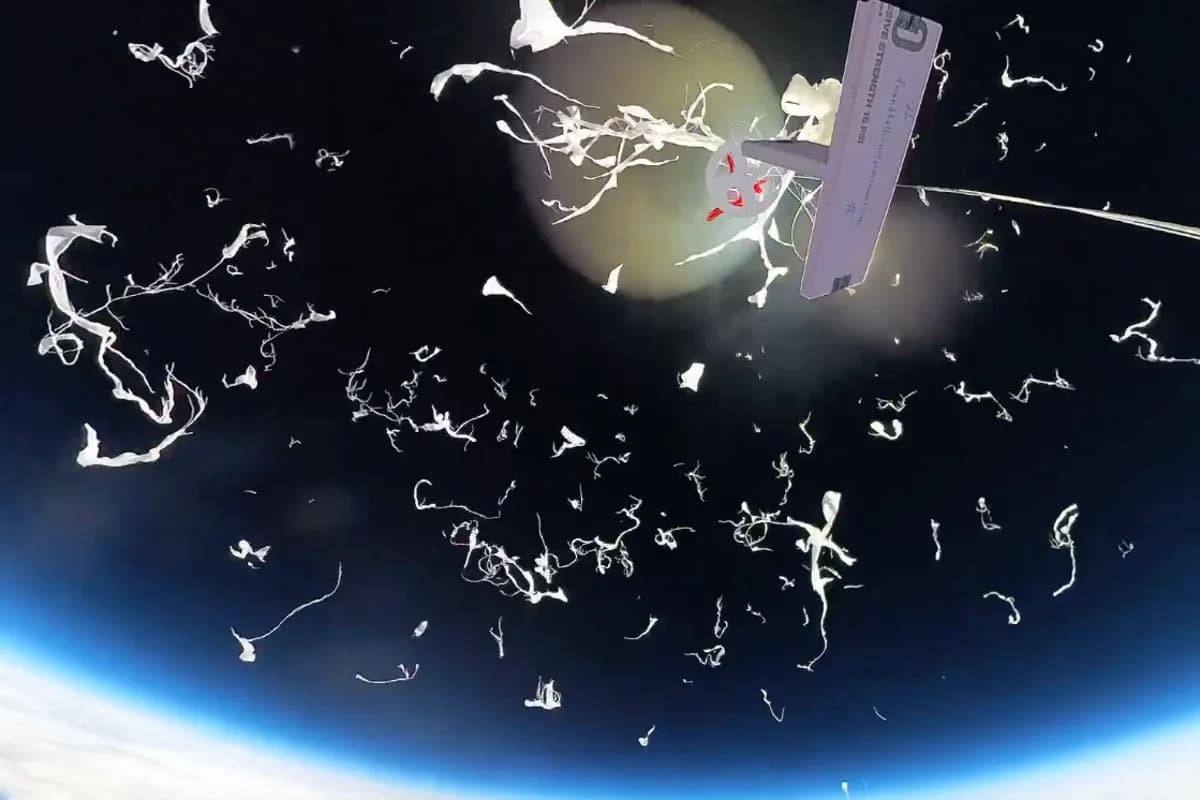
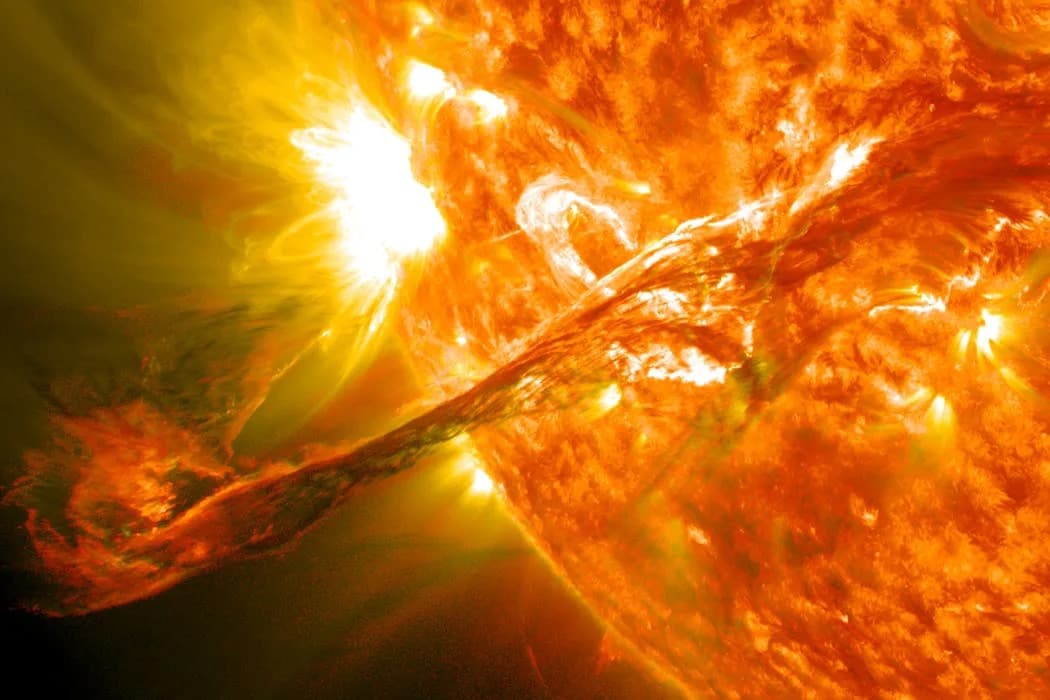
Start-ups, academics, and governments are increasingly interested in using technology to block out sunlight as a way to battle the climate crisis, though increased criticism accompanied this new momentum (Make Sunsets)
What Is Solar Geoengineering?
Solar geoengineering—also called solar radiation modification—aims to reduce incoming solar energy by introducing reflective particles or altering cloud properties in the upper atmosphere. The approach does not remove greenhouse gases and so would not solve the root cause of climate change, but it could lower global temperatures or slow ice melt temporarily.
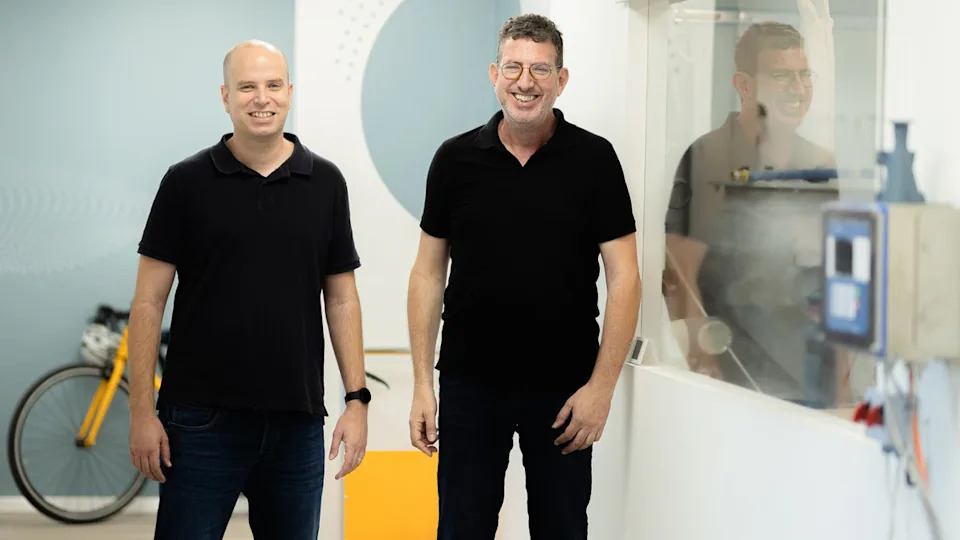
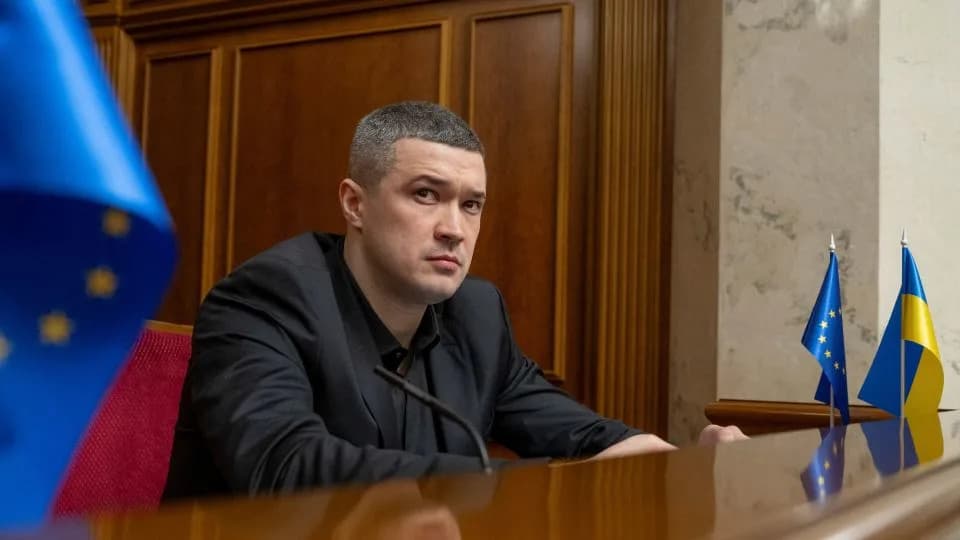
Stardust Solutions, a secretive start-up founded by Israeli scientists Yanai Yedvab (right) and Amyad Spector (left), proposes to use a novel (and still undisclosed) particle to help cool the Earth (Roby Yahav, Stardust)
Companies And Projects
Stardust Solutions announced in October that it raised $60 million (after an earlier $15 million round) to develop a patent‑pending, non‑sulfate reflective particle intended for stratospheric deployment. The founders—Yanai Yedvab, Amyad Spector and Eli Waxman—say initial work has been confined to lab testing and that planned "outdoor contained experiments" and peer‑reviewed publications are next. They also say deployment decisions should rest solely with governments.
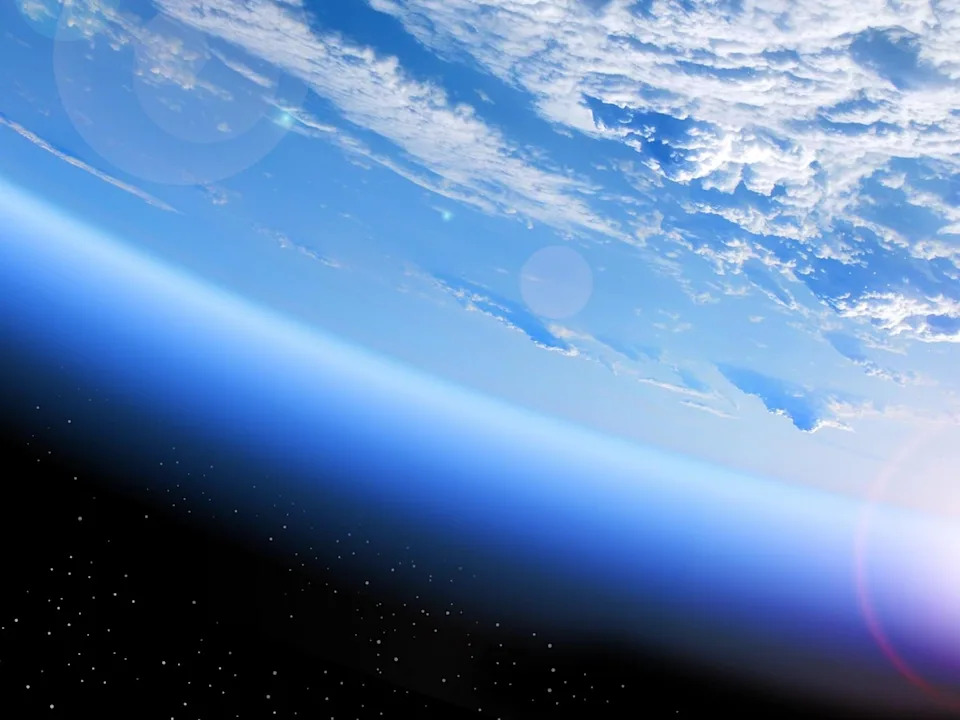
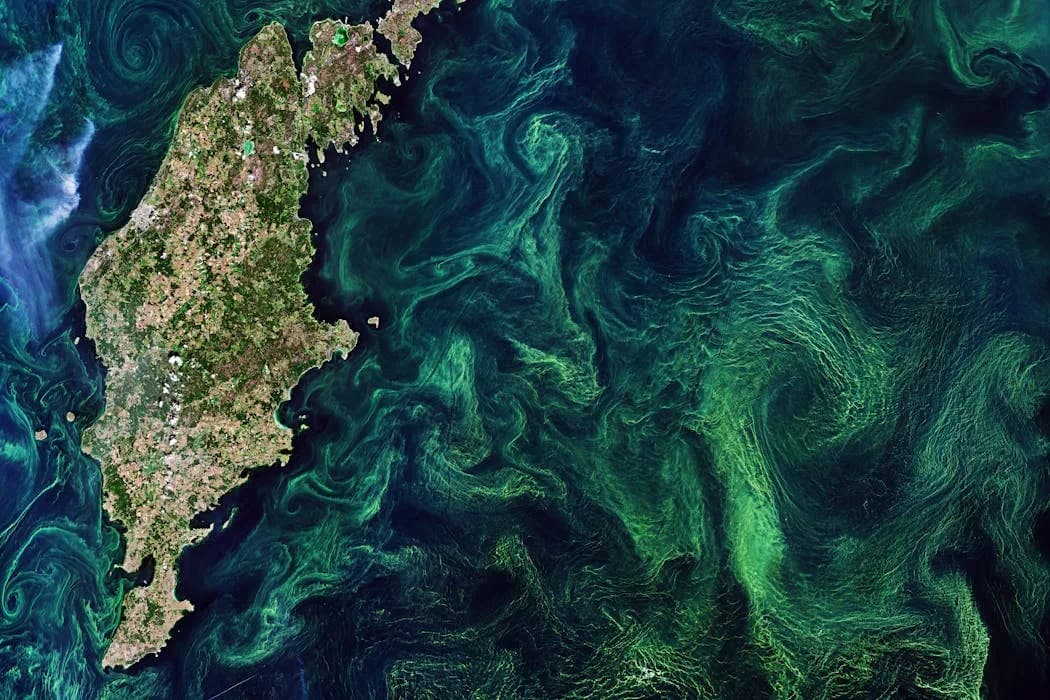
Blocking some of the sun’s radiation from hitting the Earth will not stop the climate crisis — only reducing the amount of greenhouse gases in the atmosphere will do that in the long run — but it could reduce global temperatures and buy the world more time to implement solutions, according to backers
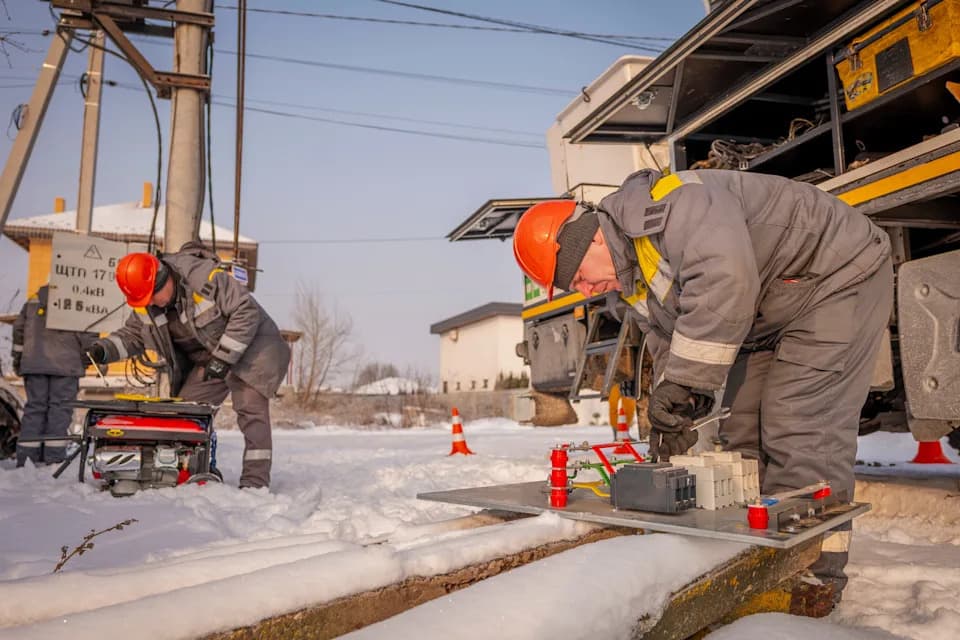
Make Sunsets, founded in 2022, has taken a more hands‑on tack. The company inflates weather balloons with sulfur dioxide, sends them to the stratosphere, and releases the payload; it claims each gram of sulfur dioxide offsets about one ton of CO2 warming for a year. Make Sunsets reports 213 launches and about 207,000 "cooling credits" sold at roughly $1–$5 per gram. Regulators and scientists have questioned the credibility and governance of these commercial credits.
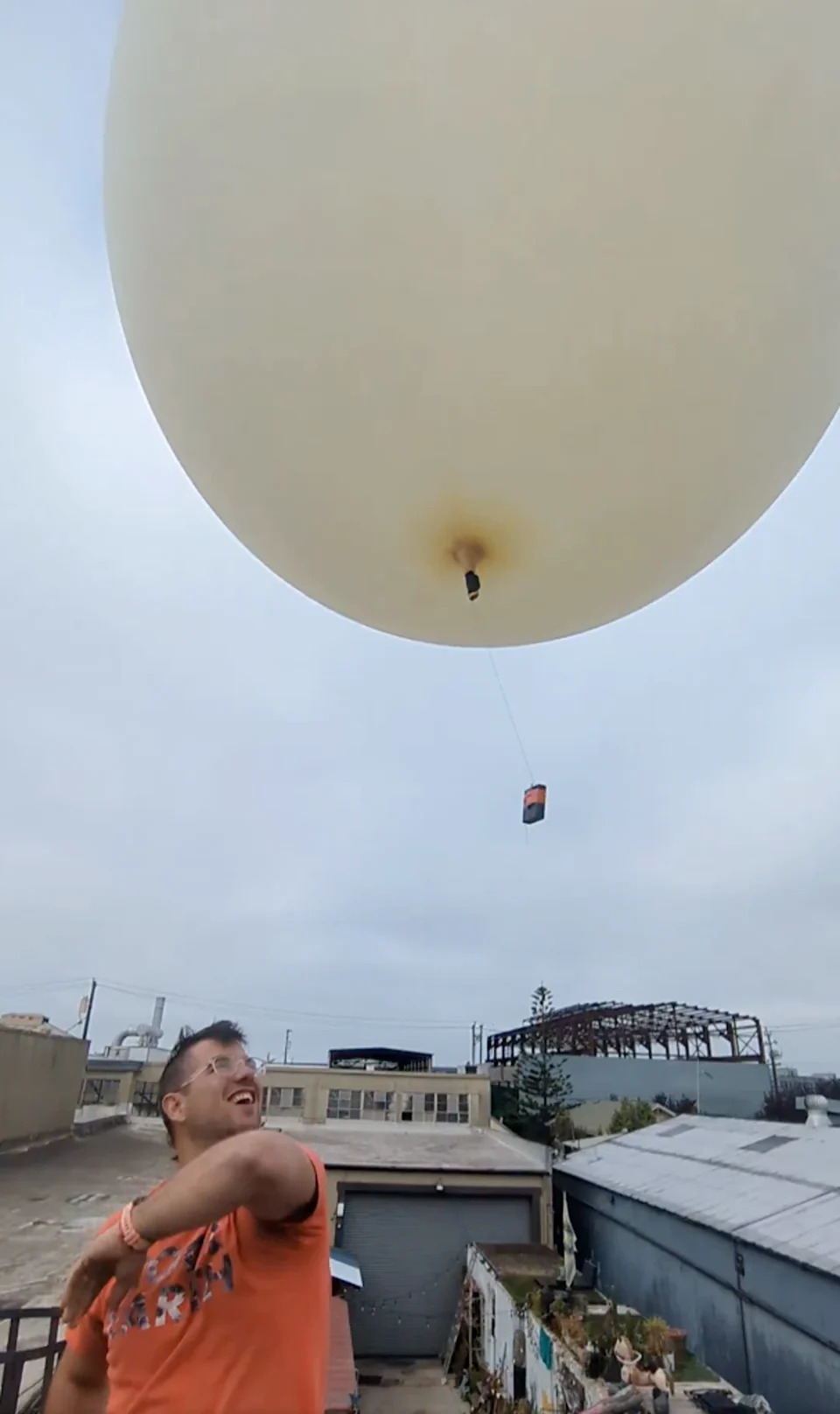
Make Sunsets, a California start-up, is already releasing balloons filled with sun-blocking particles into the atmosphere, though its efforts have attracted criticism from U.S. and Mexican regulators (Make Sunsets)
Public Programs and Research: In April, the UK’s Advanced Research and Invention Agency (ARIA) launched a geoengineering programme backed by roughly $75 million to fund controlled, small‑scale outdoor experiments and academic work. Other ideas under study range from marine cloud brightening to space‑based options such as satellite‑controlled solar shades.
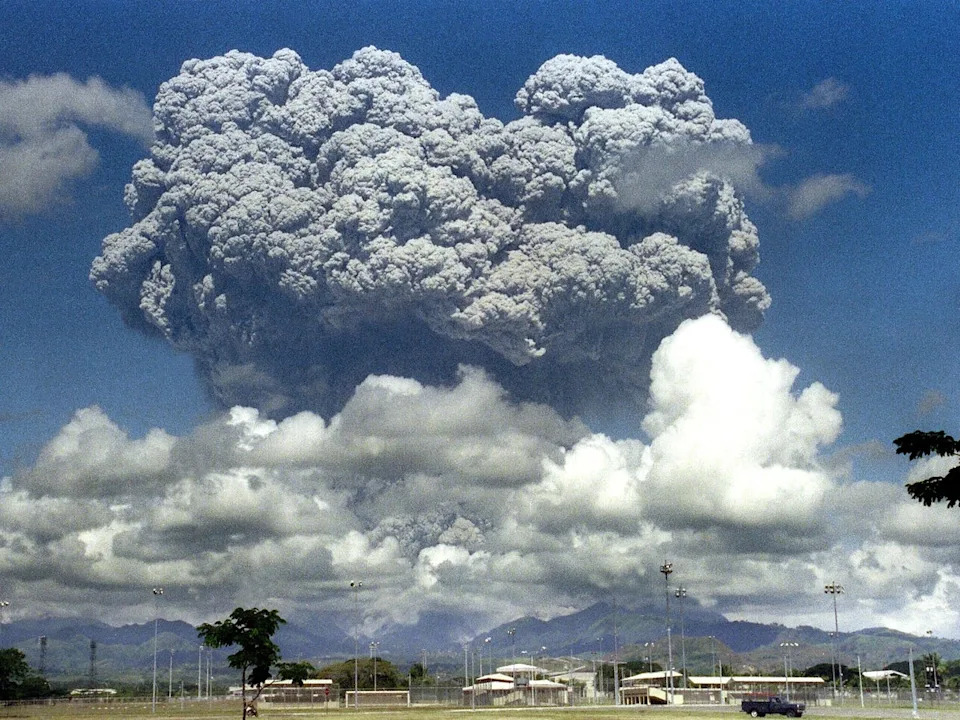
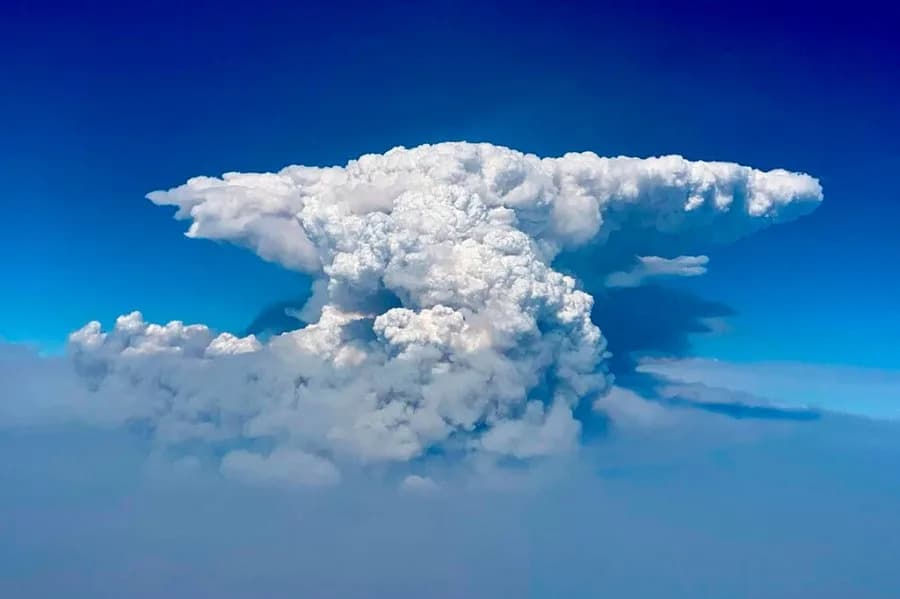
Geoengineering companies like Make Sunsets hope to mimic the climate-cooling effects of volcanic eruptions like Mount Pinatubo in the Philippines in June 1991, whose plume of aerosols is thought to have temporarily lowered global temperatures by half a degree Celsius (Getty Images)
Governance, Legal Issues And Public Opposition
There are no comprehensive international treaties that ban solar geoengineering, but legal and regulatory debates are active. At least 19 U.S. states have introduced geoengineering‑related bills; Tennessee, Louisiana and Florida restrict certain weather modification activities. Mexico accused Make Sunsets of launches without local permission and moved to ban such activities nationally.
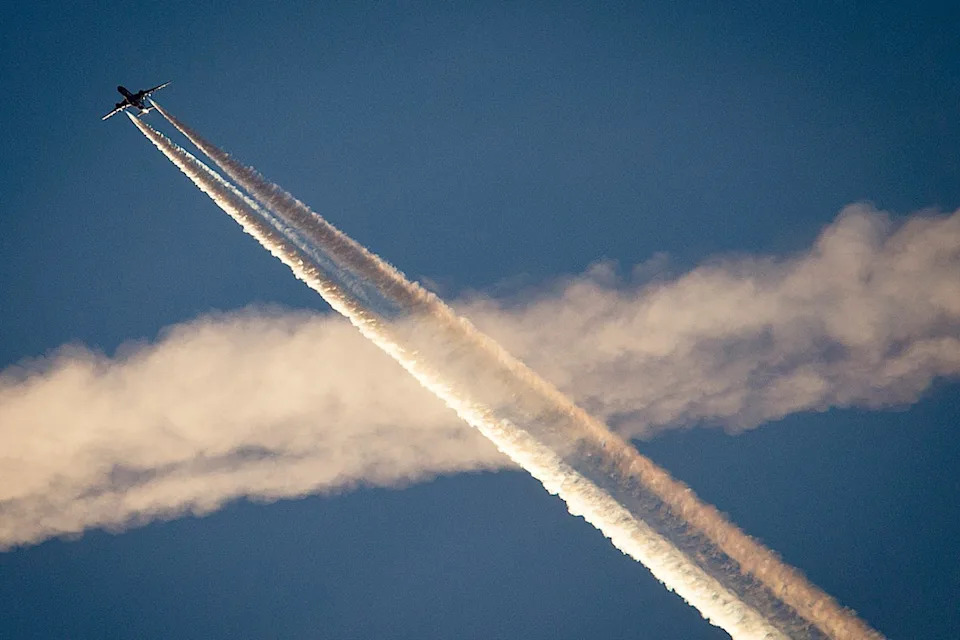
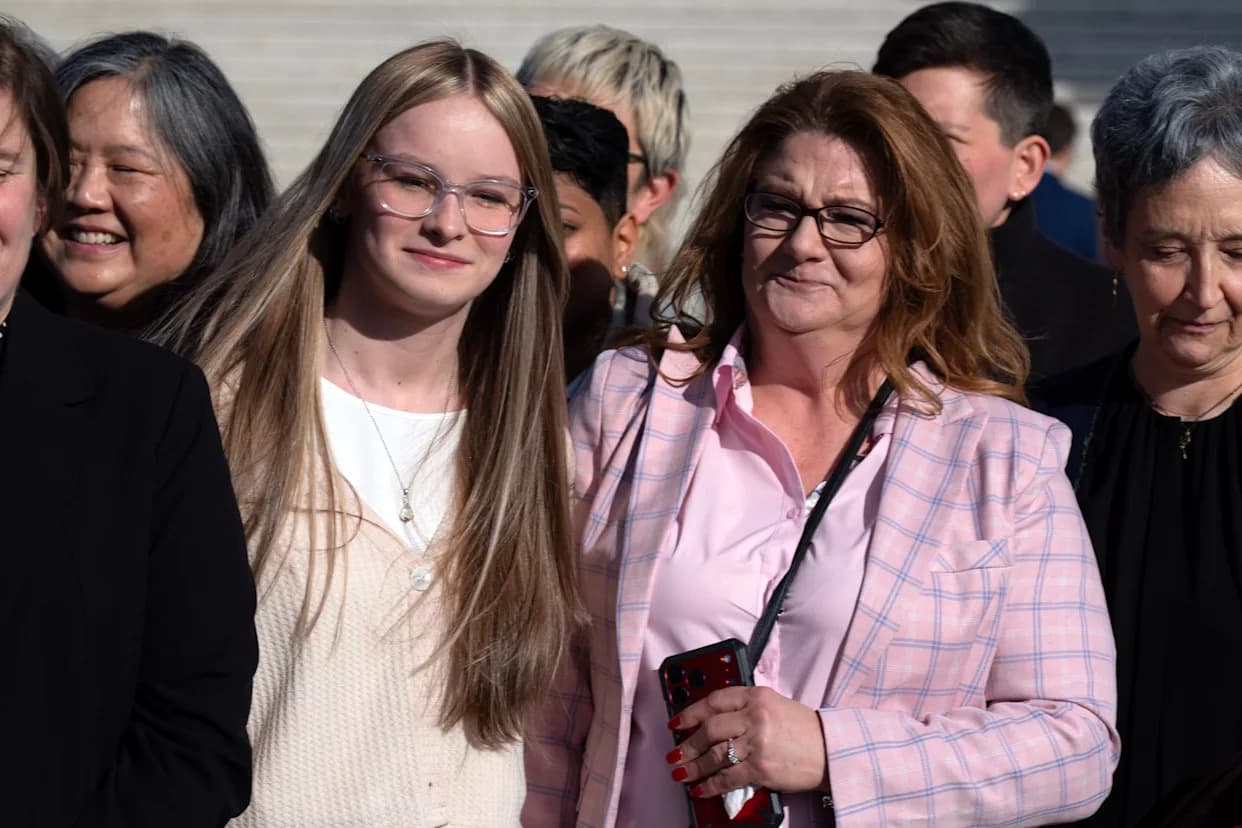
There are no binding global agreements on solar geoengineering, though experts warn coordinated global planning and monitoring should be a part of any proposed solution (Copyright 2018 The Associated Press. All rights reserved.)
Community, Indigenous and civil society opposition has repeatedly halted experiments: public outrage ended a 2024 sea salt aerosol trial in Alameda, California, and Saami communities opposed the 2021 SCoPEx test in Sweden. Regulators such as the U.S. Environmental Protection Agency have sought more information about private releases into the atmosphere.
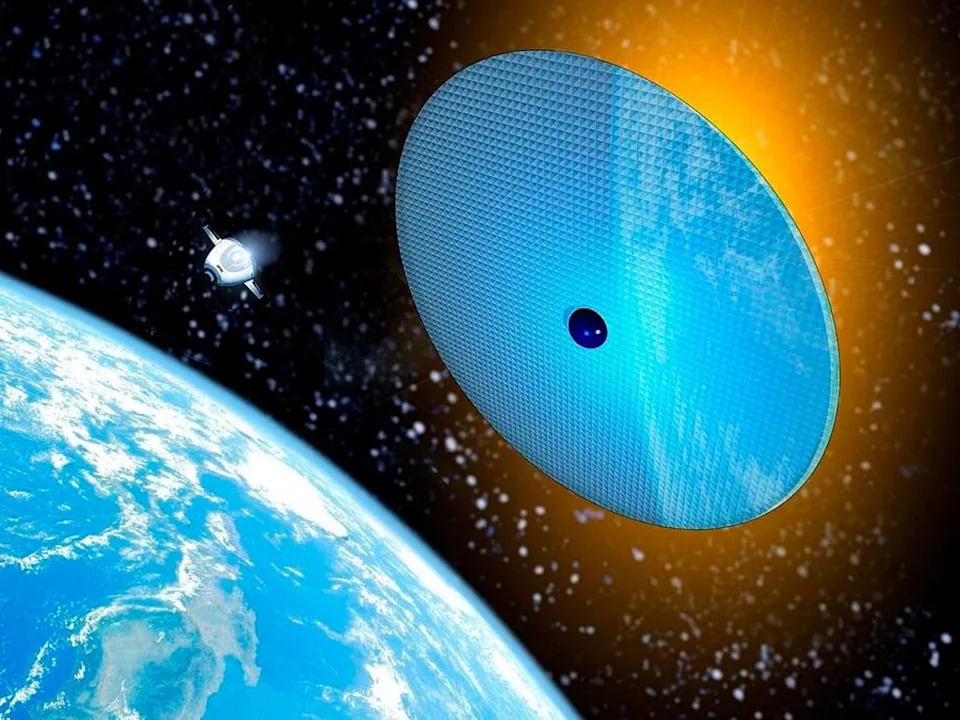
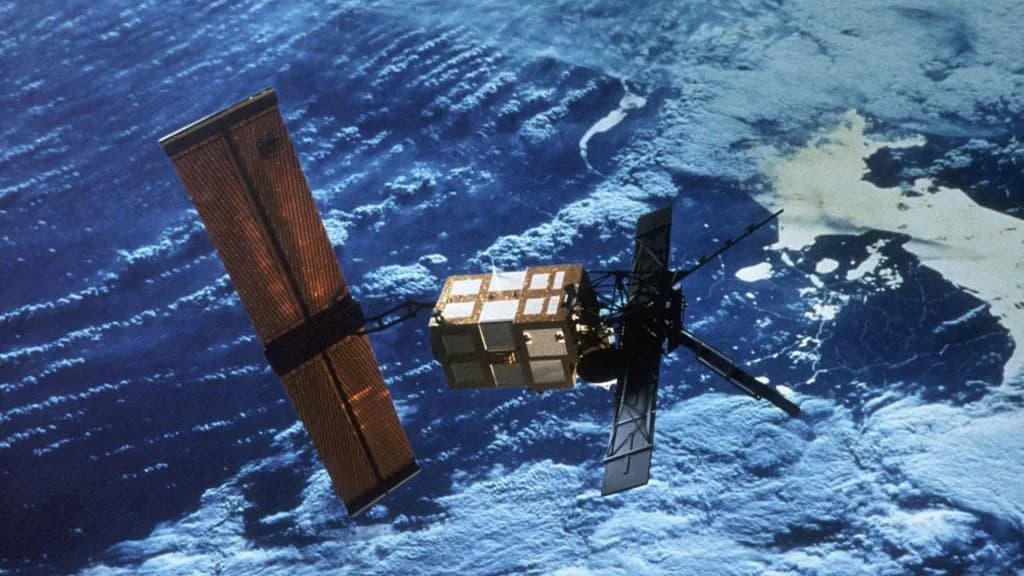
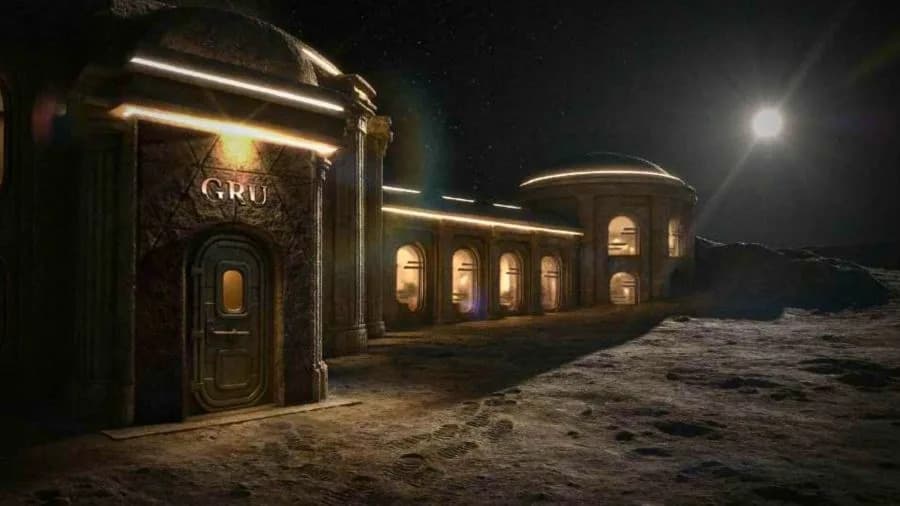
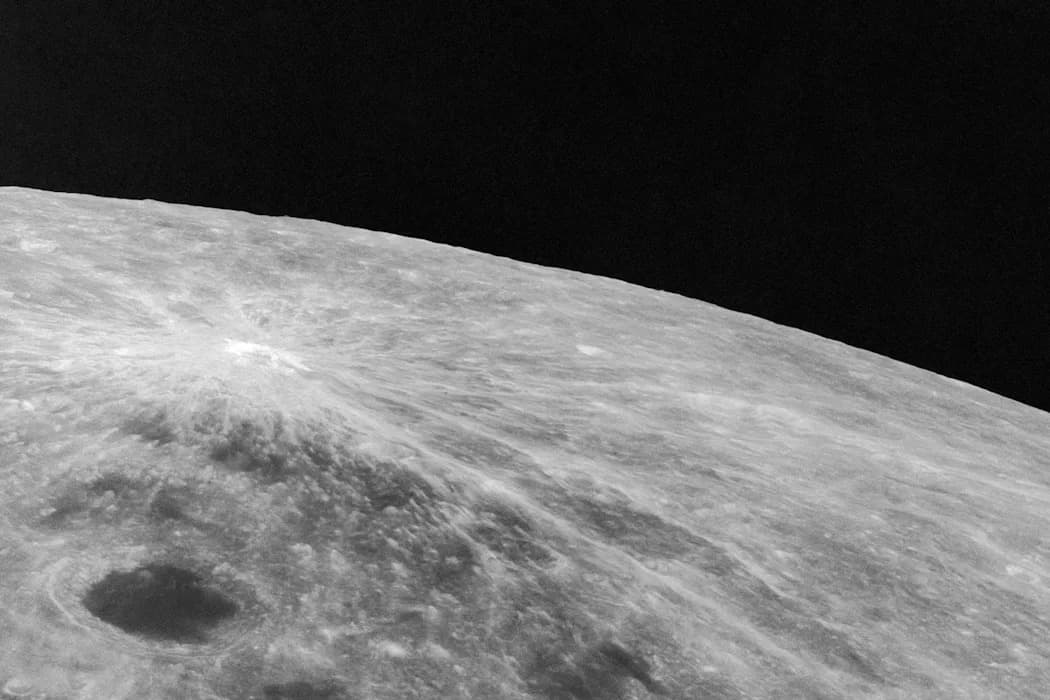
Beyond using particles, some scientists have proposed deploying huge mirrors to space to reflect away some of the sun’s light before it hits the Earth (SPL)
Scientific Debate And Risks
Scientists are divided. Supporters argue geoengineering could be an emergency tool if warming accelerates; opponents caution it may cause regional climate disruptions—altered rainfall, stronger storms, or worsening droughts—and create a "termination shock" if interventions stop suddenly and temperatures rebound rapidly.
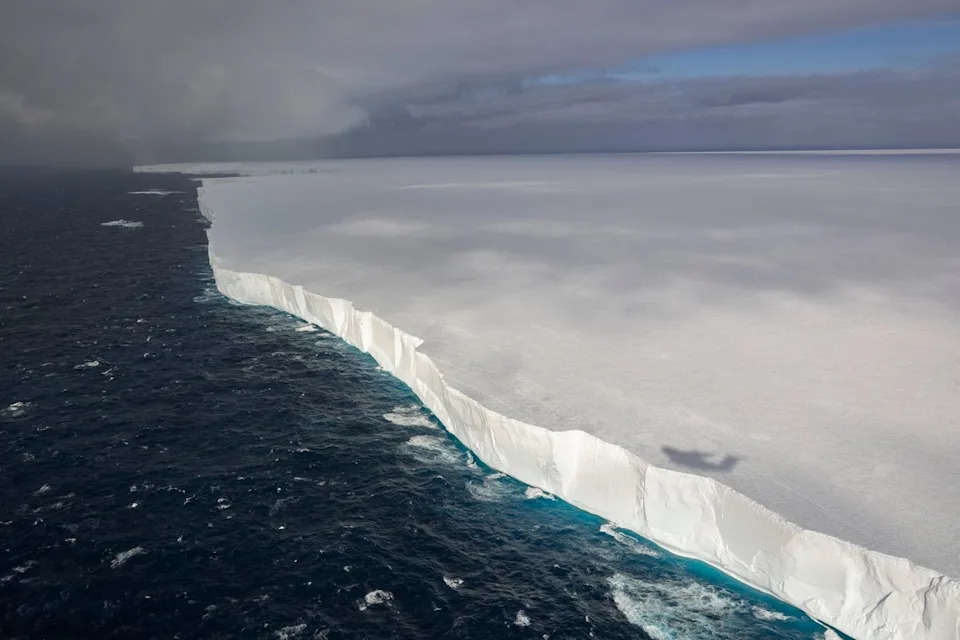
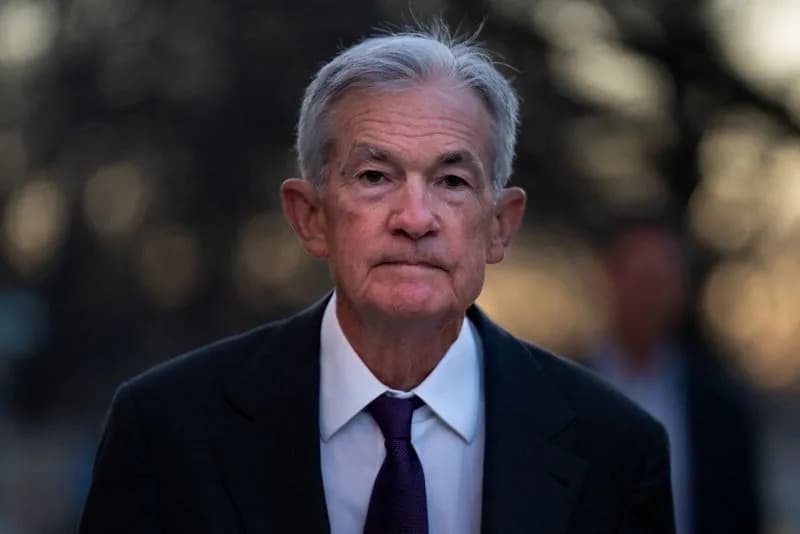
Critics of geoengineering say that beyond just being insufficient to stop the climate crisis, the technology is untested, could have adverse climate impacts, and is being deployed in a world without the legal structures or international cooperation to guide such a novel strategy (UK MOD © Crown copyright 2024)
Yedvab (Stardust): "Given the escalating crisis it would be irresponsible not to do the work now to make sure governments and the international community have all options to save lives and prevent additional disasters."
David Keith (critic): Rapid claims about having a completely benign particle strain credibility and undersell the time needed for environmental safety testing.
Major reviews caution that geoengineering does not replace emissions cuts and could divert political and financial energy away from decarbonization. Private companies raising capital to sell cooling services raise governance and conflict‑of‑interest concerns: commercial incentives might push for deployment before robust, independent risk assessment and international agreement.

Private companies are the wrong institutions to carry out geoengineering, according to critics, because they are drive by a profit-motive in addition to concerns for the public wellbeing (iStock/ Getty Images)
What Comes Next?
Many researchers call for transparent, internationally coordinated research with clear guardrails, independent oversight, and public engagement—especially with communities that may be affected. Planned small, controlled experiments and peer‑reviewed results are critical before any operational deployment could be considered.
Correction: A previous version of this story described Yoram Rozen's project as planning to tether a large mirror to an asteroid. The project proposes a satellite‑controlled solar shade, not an asteroid tether.
Help us improve.