The NIH paused funding in 2015 for research that injects human stem cells into animal embryos out of concern human cells might alter animal cognition and moral status, while clinical trials now transplant gene-edited pig kidneys into people. Gene editing can reduce rejection but does not eliminate it — recipients still need strong immunosuppression and transplants can fail. The article argues the NIH rationale is inconsistent: moral protections in research follow species membership more than specific cognitive traits, so policy should be clearer, evidence-based, and balance animal welfare with urgent human needs.
Pig Kidneys in People, But Not Human Organs in Pigs: The Ethical Puzzle Behind the NIH Pause
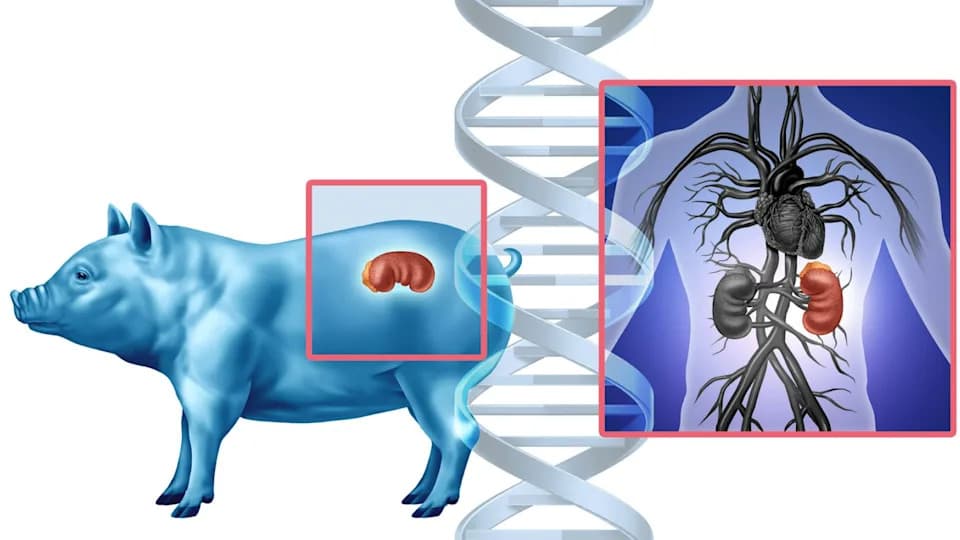
While research on human-pig chimeras is on an indefinite pause, xenotransplantation is moving ahead. . | Credit: wildpixel/iStock via Getty Images Plus
In October 2025, surgeons in New York transplanted a genetically modified pig kidney into a living patient enrolled in a clinical trial — a milestone that brings xenotransplantation closer to clinical reality. The kidney had been edited to resemble human tissue and was offered as an alternative to waiting for a human donor. At the same time, a long-standing NIH funding pause remains in place for research that would grow human organs inside pigs by injecting human stem cells into animal embryos.
Background
The New York patient is one of six participants in the first U.S. clinical trial testing gene-edited pig kidneys for human transplantation. Researchers have pursued two broad strategies to address organ shortages: (1) genetically editing pig organs to reduce immune rejection, and (2) growing organs made of human cells inside animals so the organs would be patient-matched and less likely to be rejected.
Why the NIH Paused Funding
In 2015 the National Institutes of Health paused funding for research that injects human stem cells into animal embryos to examine potential ethical risks. Policymakers worried human cells might spread beyond the target organ — including into the brain — and potentially alter an animal's cognitive capacities. The NIH raised concerns about possible "alterations of the animal's cognitive state," and advocacy groups argued that animals with humanlike awareness might merit protections akin to human research subjects.
Technical and Clinical Realities
Even with gene editing, xenotransplantation remains challenging. A January 2025 case in New Hampshire illustrated the fragile nature of cross-species transplants: a gene-edited pig kidney was removed nine months after surgery when its function declined. Gene editing can reduce immune triggers by inserting human genes and removing problematic pig genes, but recipients still typically require powerful immunosuppressants — as do human-to-human transplant recipients — and rejection remains a central risk.
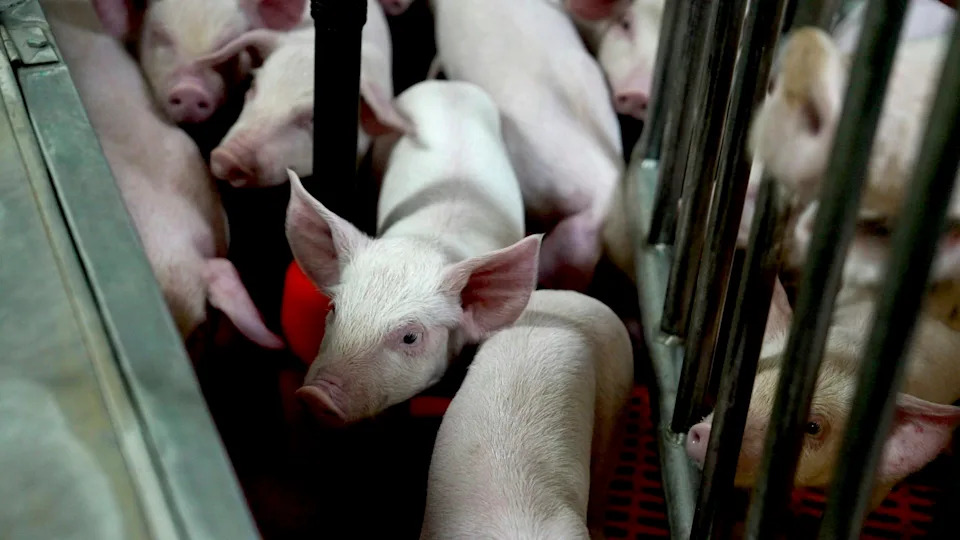
How human do pigs need to be for them to be considered part of the human species? | Credit:AP Photo/Shelby Lum
The alternative approach — disabling pig genes that produce a kidney and replacing that developmental niche with human stem cells so the resulting organ is made of human tissue — is technically demanding. Human and pig cells develop at different rates, and researchers must ensure human cells populate only the intended organ and not other tissues.
Ethical Analysis: Moral Status and Inconsistency
The NIH's rationale focuses on the possible moral implications if animals developed higher cognitive traits due to human cells. The argument assumes such changes would raise the animal's moral status and therefore require stronger protections. But this reasoning is inconsistent in practice: regulatory protections in research tend to follow species membership rather than particular cognitive capacities. Humans are afforded protections because they are human, not solely because of individually demonstrated cognitive abilities.
In short, the concern that human cells could make pigs "too human" is philosophically coherent but practically inconsistent — especially when regulators accept pig organs edited to be more human-compatible and transplant them into people. The mere presence of human cells in an animal does not make that animal a human nor automatically justify human-level protections.
Practical and Welfare Concerns
There are legitimate ethical objections to using animals as organ factories, including animal welfare, consent, and long-term ecological or social consequences. These concerns deserve serious attention and clear regulation. What is needed is a consistent, evidence-based policy that manages risks, protects animal welfare, and accounts for the urgent human need: more than 100,000 Americans are on transplant waiting lists, and thousands die annually awaiting organs.
Conclusion
Balancing the potential to save lives against legitimate animal-welfare and moral-status concerns requires clearer, consistent policy. Regulators should base rules on empirical risks (for example, the actual likelihood that human cells alter cognition) and ethical principles that do not inconsistently privilege species membership or conflate the presence of human cells with human identity. Thoughtful oversight can help advance lifesaving science while safeguarding both human and animal interests.
Note: This article is adapted from a piece originally published in The Conversation under a Creative Commons license.
Help us improve.