The Democratic Party of Iranian Kurdistan (PDKI), based in northern Iraq about 30 miles from Iran, says its fighters are trained and ready but that 'the moment has not yet come' to return to Iran. PDKI leaders told CBS News they welcomed recent protests but warned that outside help would be needed to prevent reprisals. President Trump said he had heard that 'killing in Iran is stopping' and indicated no immediate U.S. military action, even as sources report the crackdown may have killed thousands. For now, the PDKI remains cautious, prioritizing protesters' safety over immediate armed intervention.
Kurdish Fighters Say They Are Ready — But ‘Moment Has Not Yet Come’ to Topple Iran’s Regime
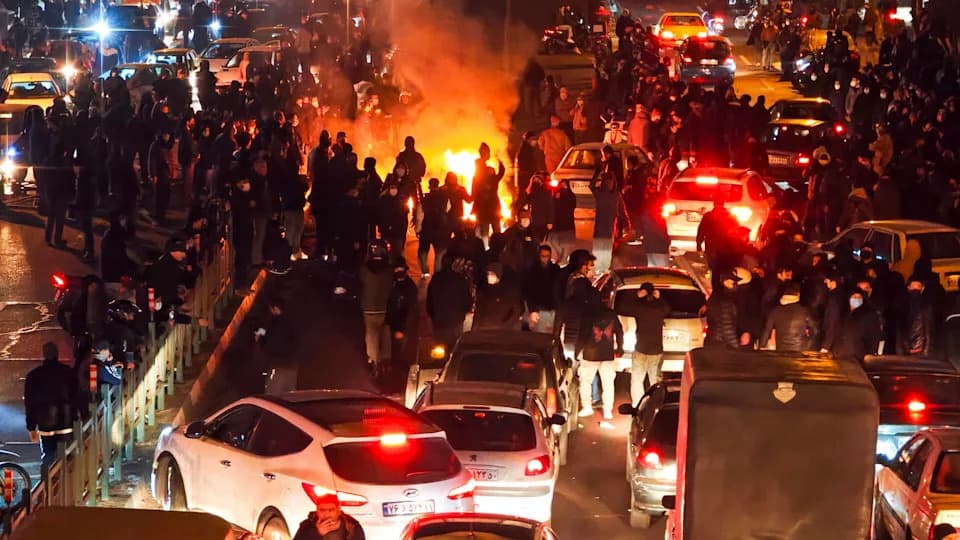
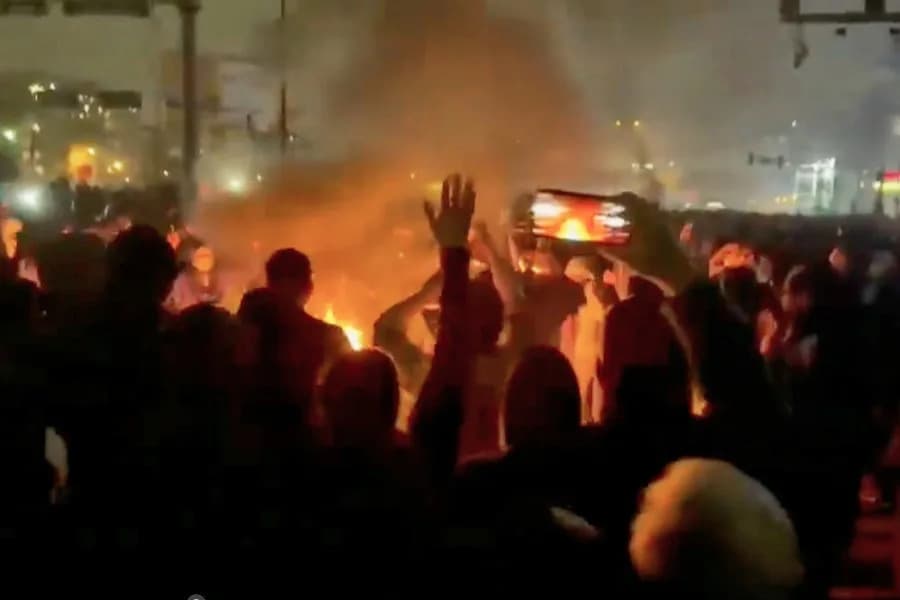
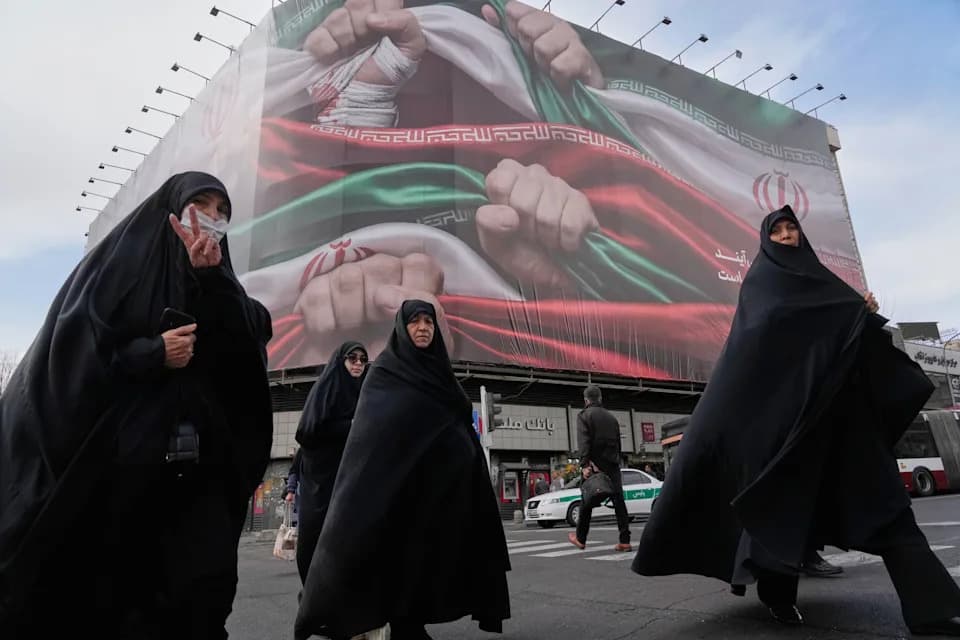
People gather during an anti-government protest in Tehran, Iran, Jan. 8, 2026. / Credit: Anonymous/Getty
High in the mountains of northern Iraq, roughly 30 miles from the Iranian border, CBS News met with fighters from an armed Kurdish Iranian opposition group — many of them women — who say they are prepared to confront and help overthrow Iran's hardline clerical rulers. But the group's leaders say the timing is not right for a cross-border return.
Who Are the PDKI?
The Democratic Party of Iranian Kurdistan (PDKI) is banned inside Iran as a terrorist organization and operates in exile across the frontier in Iraq. For decades the party has trained and prepared for a potential opportunity to challenge the Islamic Republic's control. Its commanders say thousands of fighters are ready and waiting, but they insist any action must be carefully timed to avoid catastrophic consequences for demonstrators inside Iran.
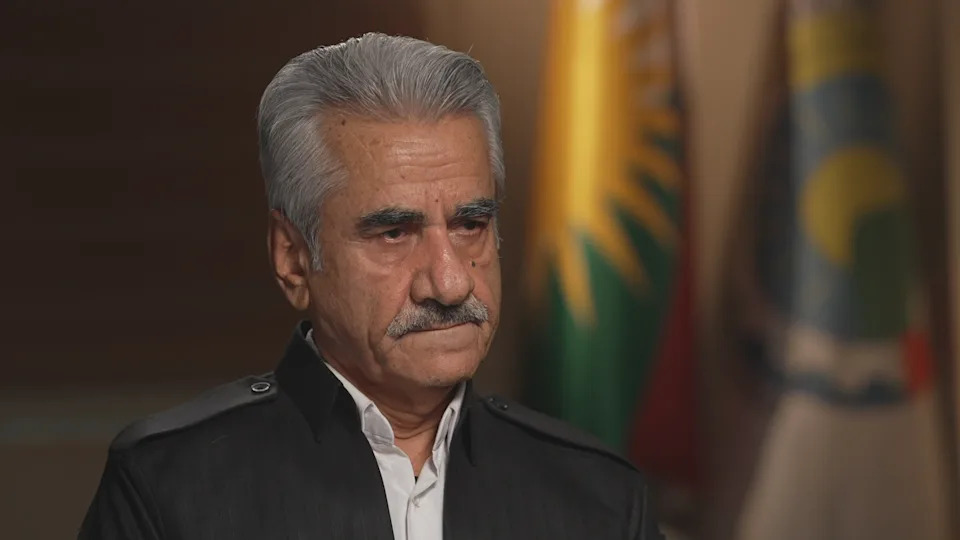
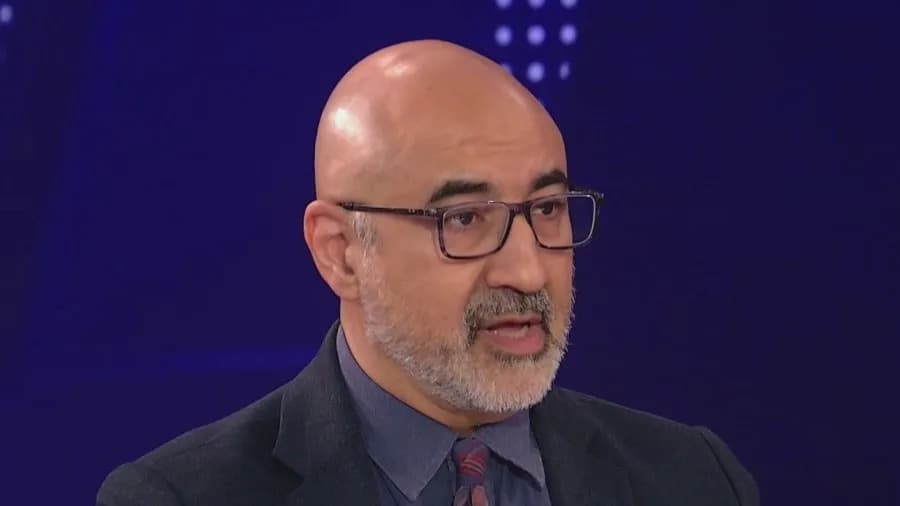
Mustafa Hijri, leader of the Democratic Party of Iranian Kurdistan (PDKI) armed Iranian opposition group, speaks with CBS News in northern Iraq, where the group is based in exile, Jan. 15, 2026. / Credit: CBS News/Rob Taylor
U.S. Signals and Reported Casualties
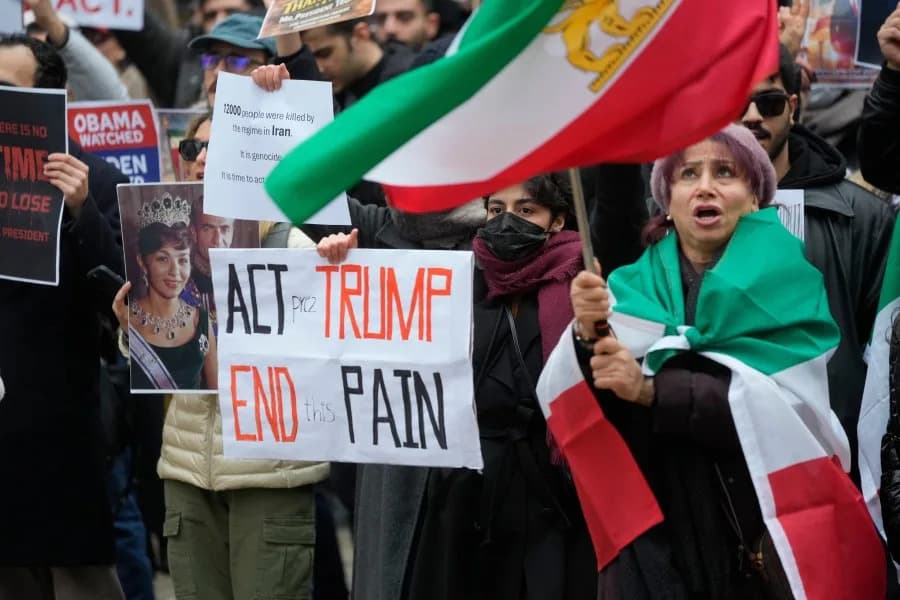
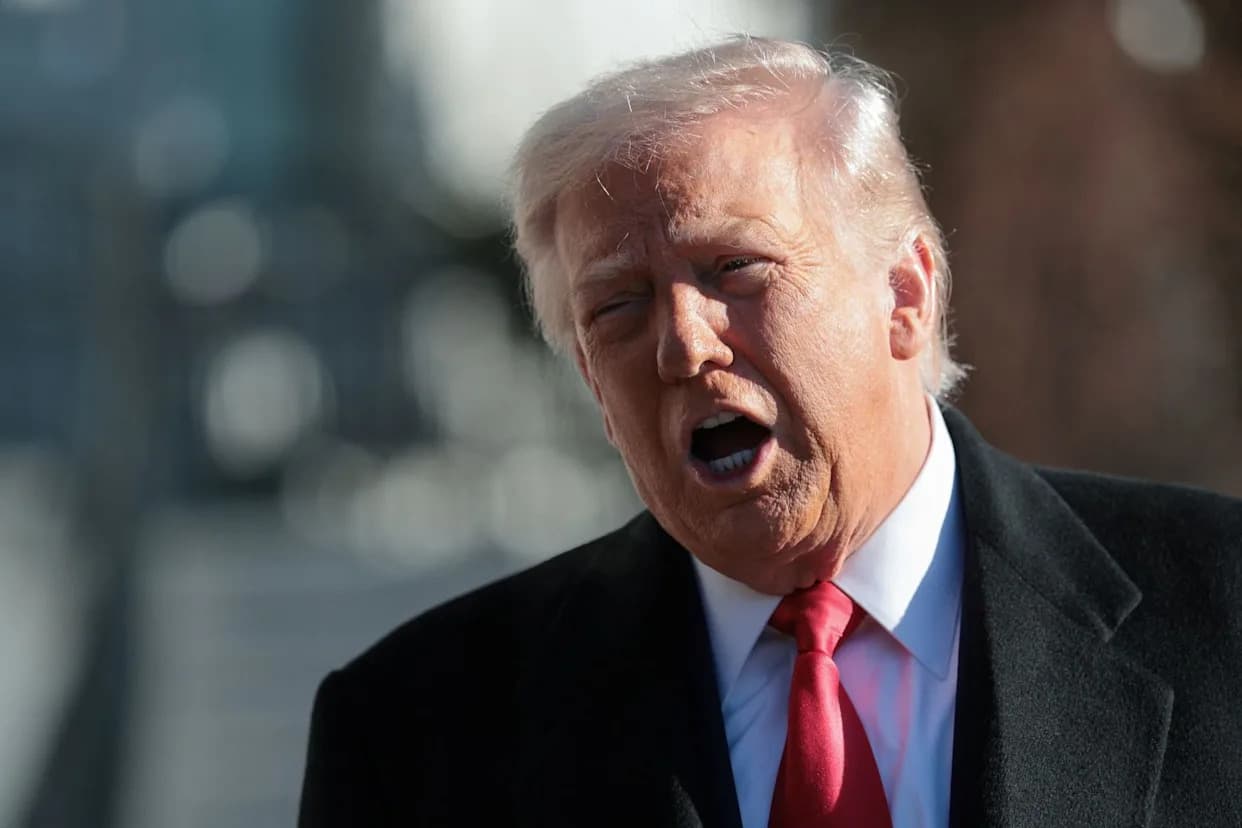
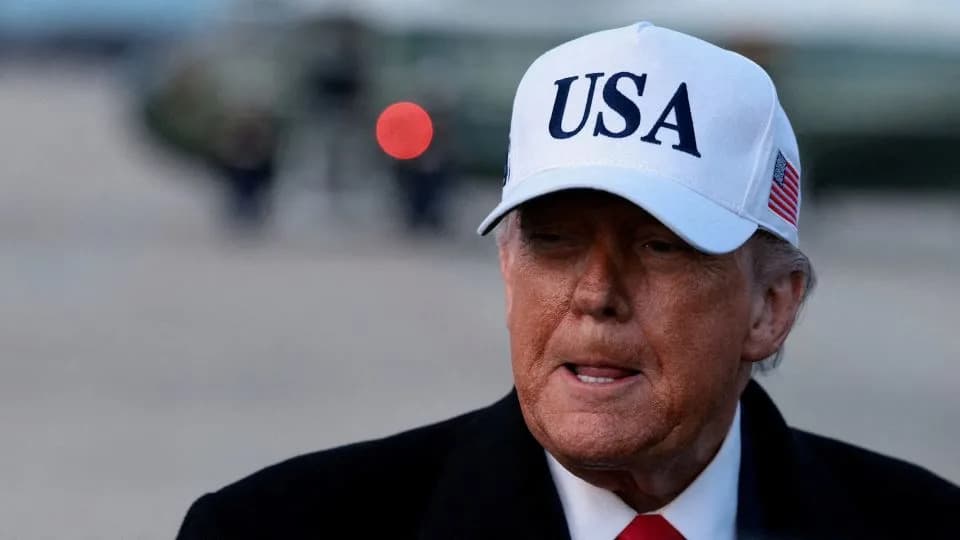
President Trump said he had heard on 'good authority' that the 'killing in Iran is stopping' and suggested there was 'no plan for executions' after a brutal government crackdown that followed two weeks of widespread protests. Sources interviewed by CBS News have estimated the Iranian authorities' response may have killed upwards of 12,000 people, though independent verification is limited.
Leaders' Views: Hope — But Caution
'The protests gave us hope that the regime that came to power with the 1979 Islamic Revolution might finally be toppled, but only if the people who are demonstrating on the street get international help,' Commander Sayran Gargoli told CBS News.
PDKI leader Mustafa Hijri, who has lived in exile for more than four decades, said the movement has watched successive waves of unrest be suppressed. He told CBS News that whether this uprising becomes decisive 'depends on if the widespread killing will continue or not.' Hijri warned that if the killings persist, demonstrators will likely be unable to sustain their efforts.
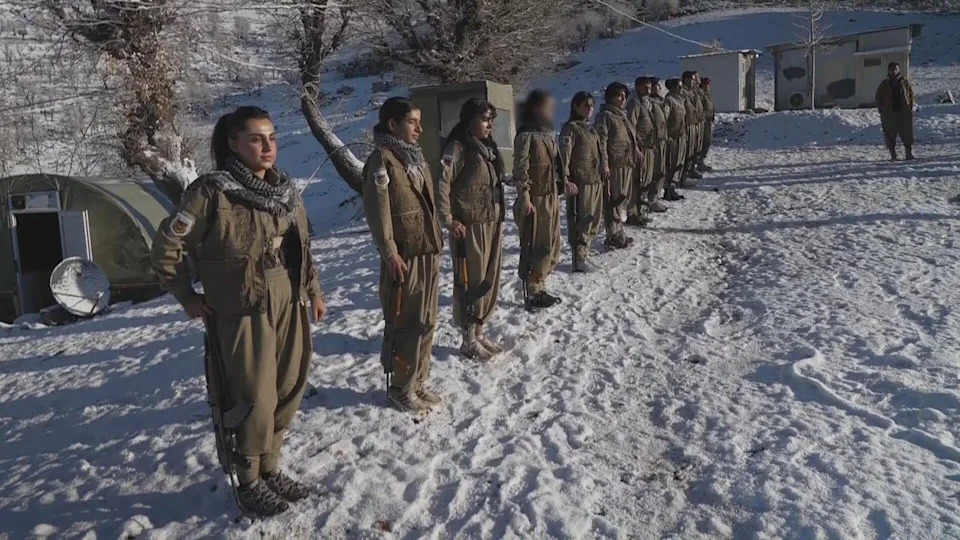
Members of the Democratic Party of Iranian Kurdistan (PDKI), an armed Iranian opposition group based in exile, are seen during an exercise in the mountains of northern Iraq, Jan. 15, 2026. / Credit: CBS News/Rob Taylor
'I believe that it is not in the benefit of the demonstrators at the moment to have armed forces move back in the country, because it becomes a convenient excuse to the regime to kill the people,' Hijri said. 'This is why we haven't reached the moment to make such a decision.'
What the PDKI Wants
Hijri said the PDKI's political goals include constitutional guarantees for Kurds — who make up about 10% of Iran's population — and for other ethnic minorities: the right to live under democratic law, official recognition of their cultural and linguistic rights, and the ability for their children to be educated in their native languages.
Risks and the Road Ahead
Hijri said he hopes for international pressure or direct action that would weaken the regime's capacity to suppress protesters, specifically naming strikes against 'centers of suppressing forces' and judicial institutions that enforce state repression. But he emphasized the danger of precipitate military action: absent clear international backing and protection for civilians, an armed incursion could give Tehran a pretext to escalate killings.
For now, the PDKI says its fighters are trained and ready, but that they will only return to Iran when leaders are confident such a move will not trigger even greater bloodshed. As Iran's hardline leadership appears to have, at least for now, weathered another major wave of unrest, the Kurdish opposition and millions of Iranians continue to wait for a decisive turning point.
Help us improve.