NASA ordered an early return for SpaceX Crew‑11 after a medical concern affecting one crewmember forced cancellation of a planned spacewalk and an accelerated return about a month early. Although not the first medically curtailed spaceflight in history, this is the first time NASA itself has directed an in‑orbit medical evacuation. Crew‑11 completed roughly 140 experiments during a 167‑day ISS stay; all crewmembers will receive hospital checks after splashdown and then standard postflight care at Johnson Space Center.
NASA Orders First Official In‑Orbit Medical Evacuation, Brings SpaceX Crew‑11 Home Early

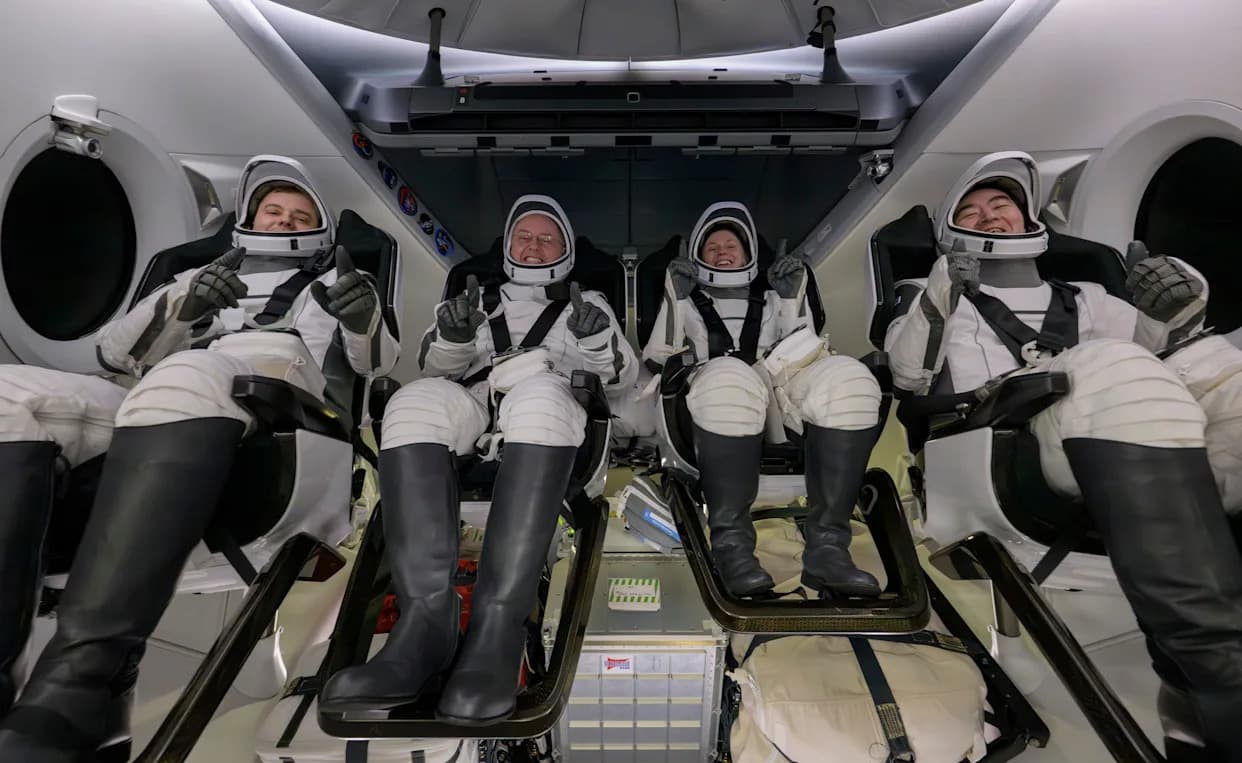
NASA Crew-11 astronauts aboard the SpaceX recovery ship - NASA/Bill Ingalls
NASA ordered an early end to the SpaceX Crew‑11 mission after a medical issue affecting one crewmember prompted last‑minute changes to planned activities. A scheduled spacewalk was canceled shortly before it was to begin, and flight managers ultimately directed the crew to return about a month ahead of their original timeline — a move agency leaders describe as NASA's first official in‑orbit medical evacuation.
Not the First Medical Return in Spaceflight, But a First for NASA
Although earlier missions have been cut short for medical reasons — notably Soviet cosmonaut Vladimir Vasyutin in the mid‑1980s — the Crew‑11 case is notable because the evacuation was ordered directly by NASA. The agency has withheld details about the specific medical issue and which astronaut was affected, citing medical privacy.
Crew, Mission Work, And Recovery Plans

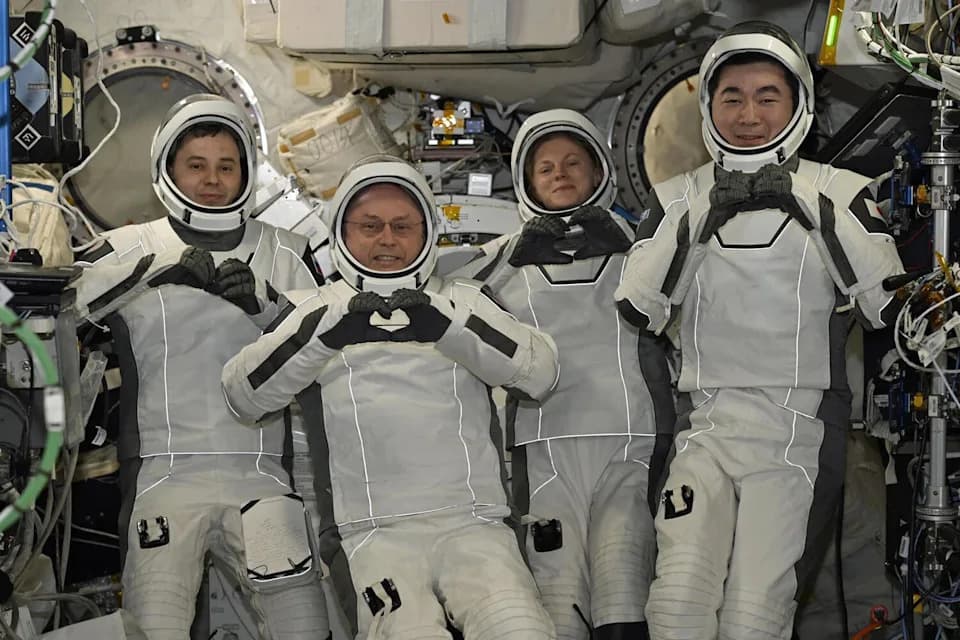
NASA Crew-11 before launch in July 2025 - Nasa/Getty Images
Crew‑11 consisted of four crewmembers: NASA astronauts Zena Cardman and Mike Fincke, JAXA astronaut Kimiya Yui, and Roscosmos cosmonaut Oleg Platonov. During a 167‑day stay aboard the International Space Station, the team completed about 140 science experiments supporting research for future exploration of the Moon and Mars.
Officials said the medical situation was likely not life‑threatening but serious enough to justify an accelerated return. Flight controllers used the same entry and splashdown procedures applied to recent capsule recoveries, and no special in‑flight rescue maneuvers were reported. After splashdown, all crewmembers were scheduled for hospital evaluations near the recovery site, followed by standard postflight reconditioning and medical follow‑ups at NASA's Johnson Space Center in Houston.
What This Means For Future Missions
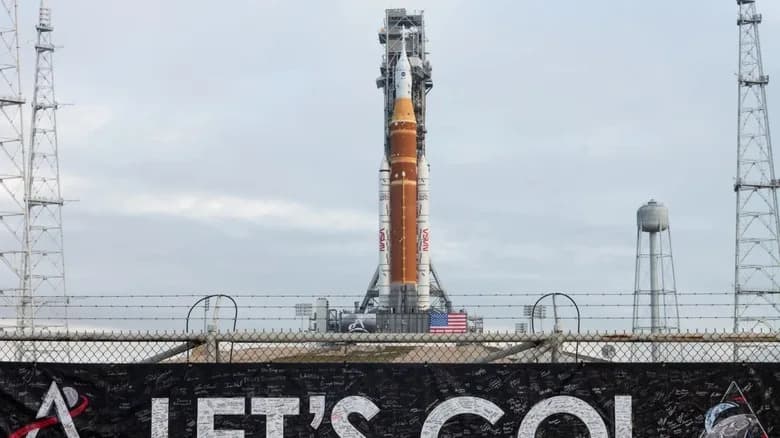
Mission teams maintained much of the mission's schedule and scientific return despite the adjusted timeline. While details about the medical issue remain private, NASA's swift decision and established recovery protocols highlight the agency's emphasis on crew health and operational flexibility as human spaceflight expands — including progress toward Artemis II and future lunar and Mars missions.
Help us improve.