The four astronauts evacuated from the International Space Station said the station’s portable ultrasound was critical in responding to an in‑orbit medical issue that arose Jan. 7, prompting the cancellation of a planned spacewalk. Crew members praised their preflight training and the preparedness of NASA and ground teams, while urging that ultrasound capability be included on future missions. The mission ended after about 5½ months, and NASA and SpaceX are working to advance the replacement crew’s mid‑February launch.
Portable Ultrasound Proved Critical as ISS Crew Evacuated After In‑Orbit Medical Emergency
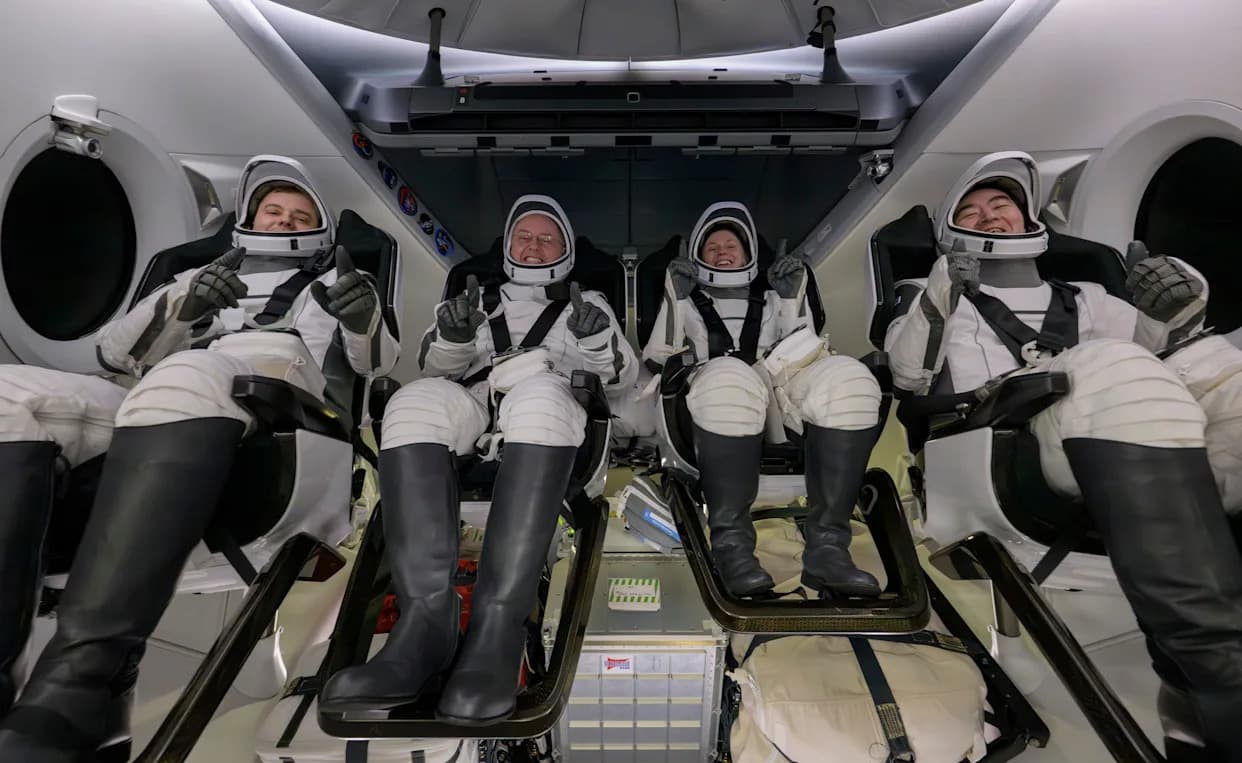
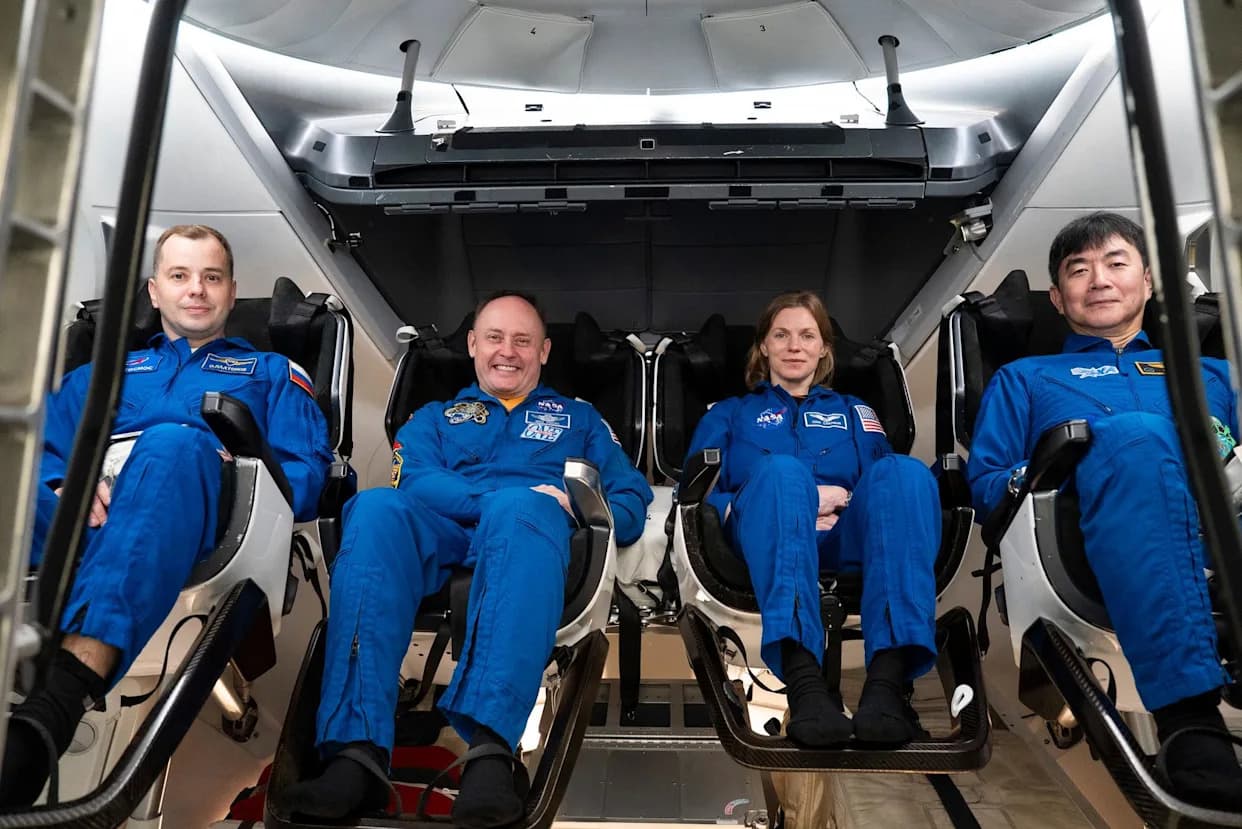
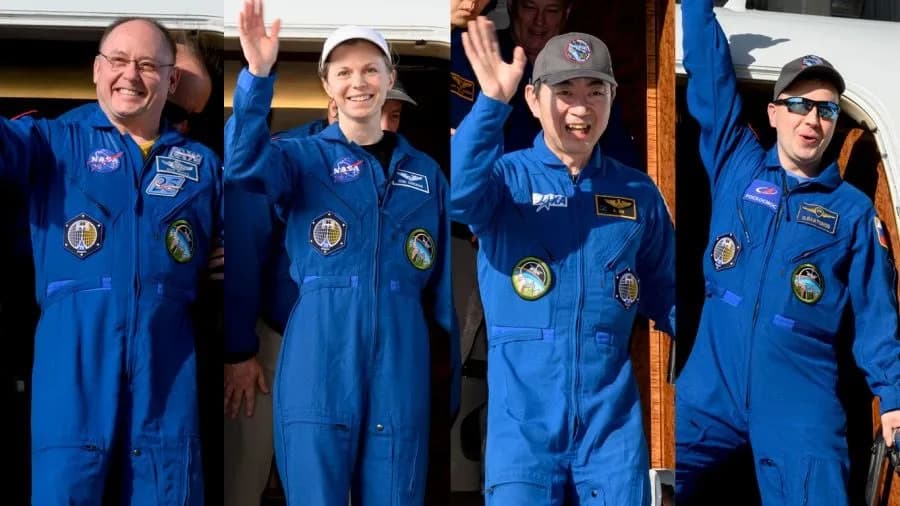
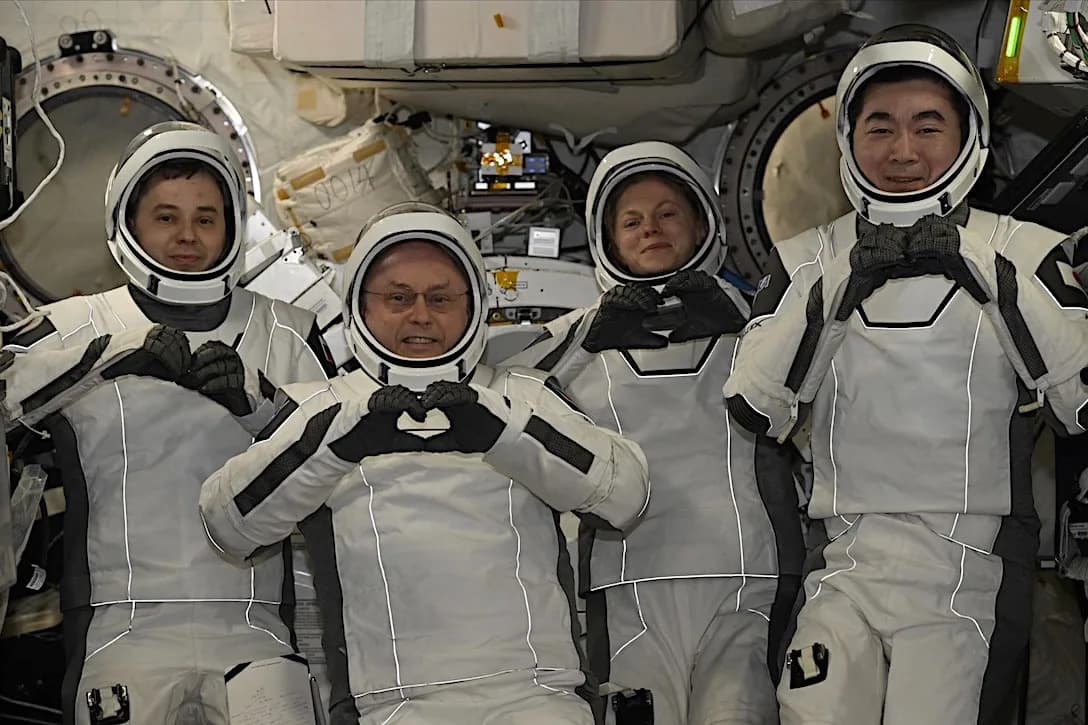
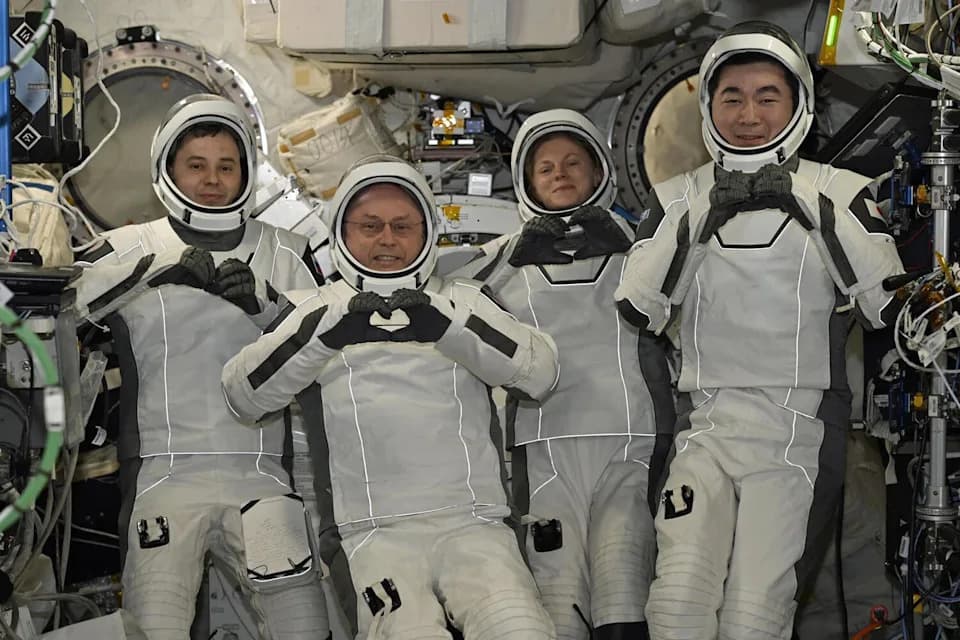
Roscosmos cosmonaut Oleg Platonov, left, NASA astronauts Mike Fincke, Zena Cardman, and JAXA (Japan Aerospace Exploration Agency) astronaut Kimiya Yui are seen inside the SpaceX Dragon Endeavour spacecraft onboard the SpaceX recovery ship SHANNON shortly after having landed in the Pacific Ocean off the coast of Long Beach, Calif., Thursday, Jan. 15, 2026. (NASA via AP)(ASSOCIATED PRESS)
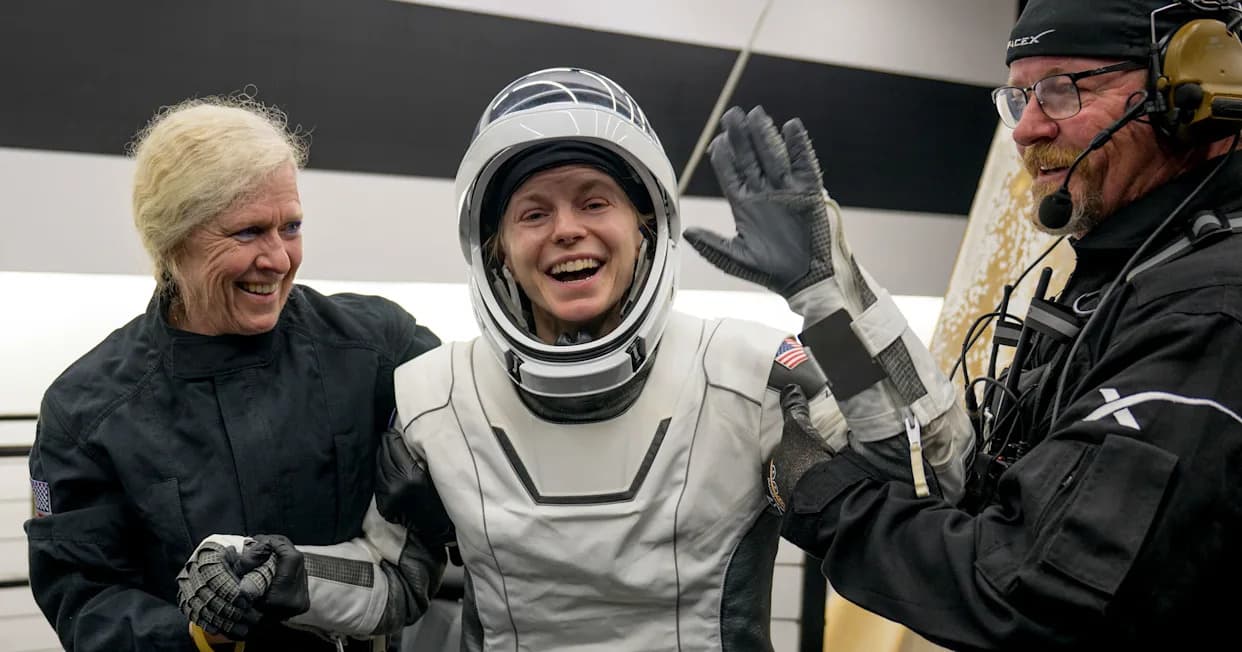
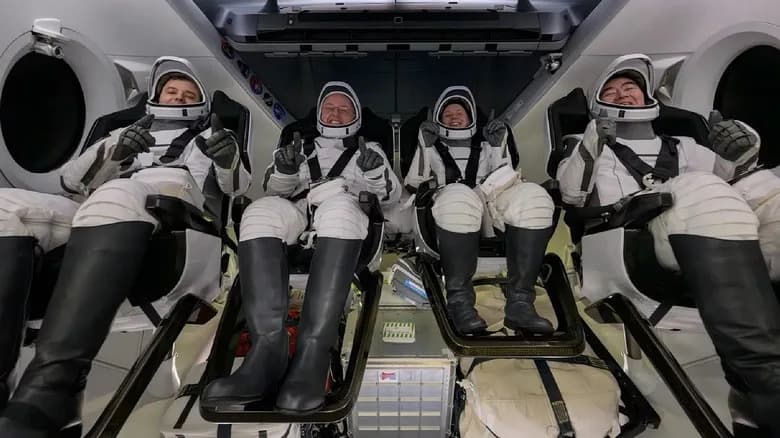
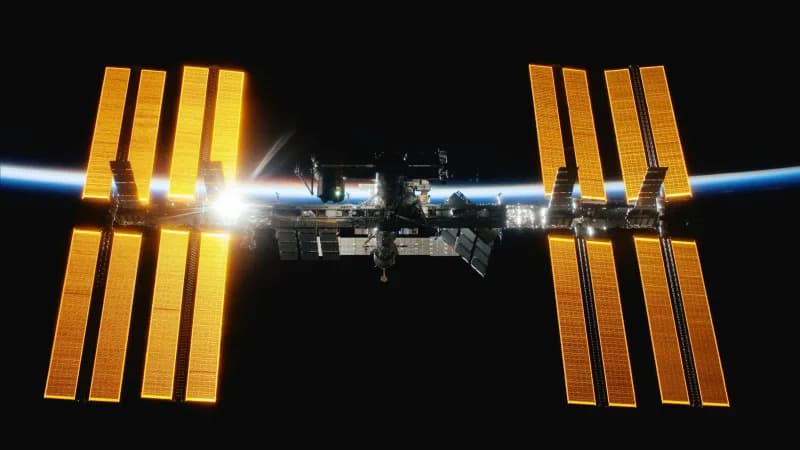
CAPE CANAVERAL, Fla. — A portable ultrasound unit aboard the International Space Station played a crucial role when four astronauts were medically evacuated after a health issue emerged in orbit, the crew said in their first public remarks since returning to Earth.
What Happened
The medical issue surfaced on Jan. 7, a day before a planned spacewalk that was abruptly canceled. The astronauts declined to identify which crewmember required treatment or to disclose the specific condition. NASA described the incident as its first medical evacuation in 65 years of human spaceflight.
Ultrasound Proved Invaluable
Veteran astronaut Mike Fincke said the crew relied on the station's portable ultrasound after the problem arose. Because the team had already used the device extensively for routine checks of how their bodies adapt to weightlessness, it was familiar and immediately useful during the emergency.
“When we had this emergency, the ultrasound machine came in super handy,” Fincke said. He added that the device was so valuable he believes every future mission should carry one.
Prepared Teams and Tough Decisions
Mission commander Zena Cardman, who led the crew's early return aboard a SpaceX vehicle, said the station is configured as well as possible for medical contingencies and that NASA made the right call to cancel the spacewalk and prioritize crew health. Japanese astronaut Kimiya Yui praised preflight training, saying the crew’s preparation enabled them to respond effectively.
Mission Details and Aftermath
The mission lasted about 5½ months — more than a month shorter than planned. The crew, which included Russia’s Oleg Platonov, launched last August from Florida and splashed down in the Pacific off the coast of San Diego last week. Their replacements welcomed them back in Houston; NASA and SpaceX are working to move up the replacement crew's launch, currently scheduled for mid‑February.
Fincke summed up the emotional moment: “We were hoping to give them hugs in space, but we gave them hugs on Earth.”
The Associated Press Health and Science Department receives support from the Howard Hughes Medical Institute’s Department of Science Education and the Robert Wood Johnson Foundation. The AP is solely responsible for all content.
Help us improve.