NASA’s Chandra X‑Ray Observatory has released a major update to the Chandra Source Catalog, adding more than 400,000 X‑ray sources and 1.3 million detections through 2021. A new composite of the Galactic Center around Sagittarius A* was created from 86 exposures totaling over 3 million seconds, revealing more than 3,300 X‑ray sources. NASA also produced a 22‑year sonification that layers detections onto a Milky Way map, turning repeat X‑ray observations into musical notes. Originally planned for five years, Chandra continues to deliver science after nearly 27 years in space.
Gaze Into the Milky Way’s Heart: Chandra Unveils Massive X‑Ray Back Catalog
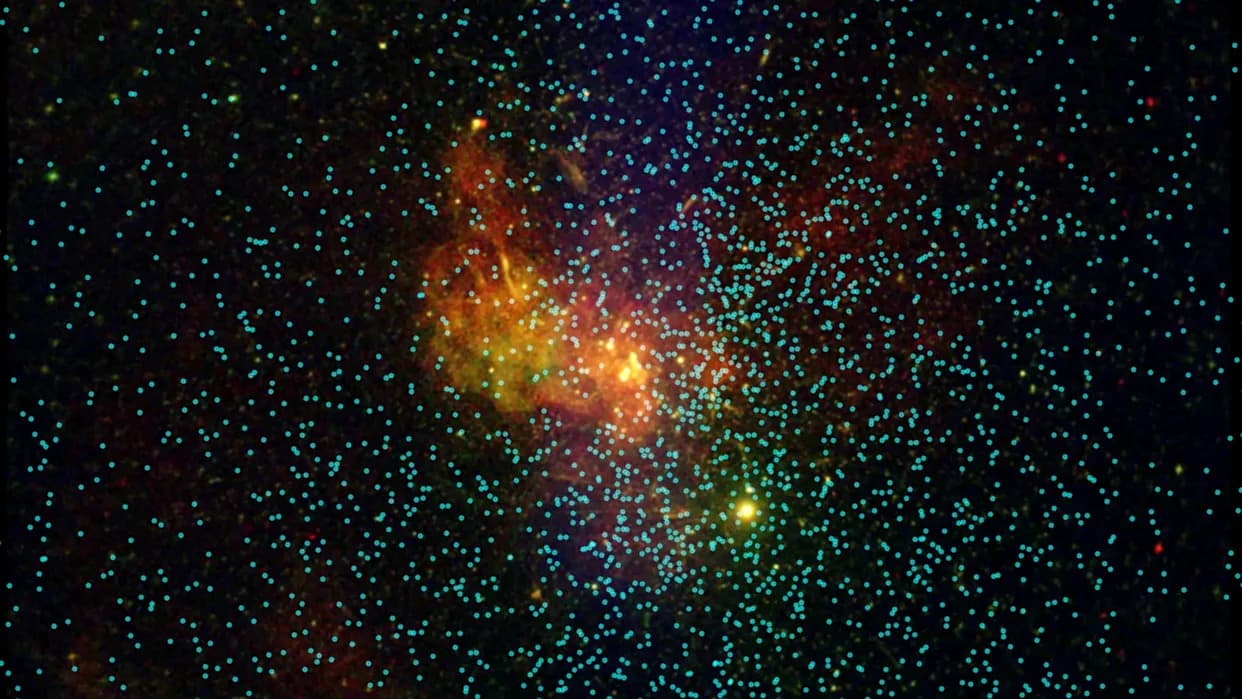
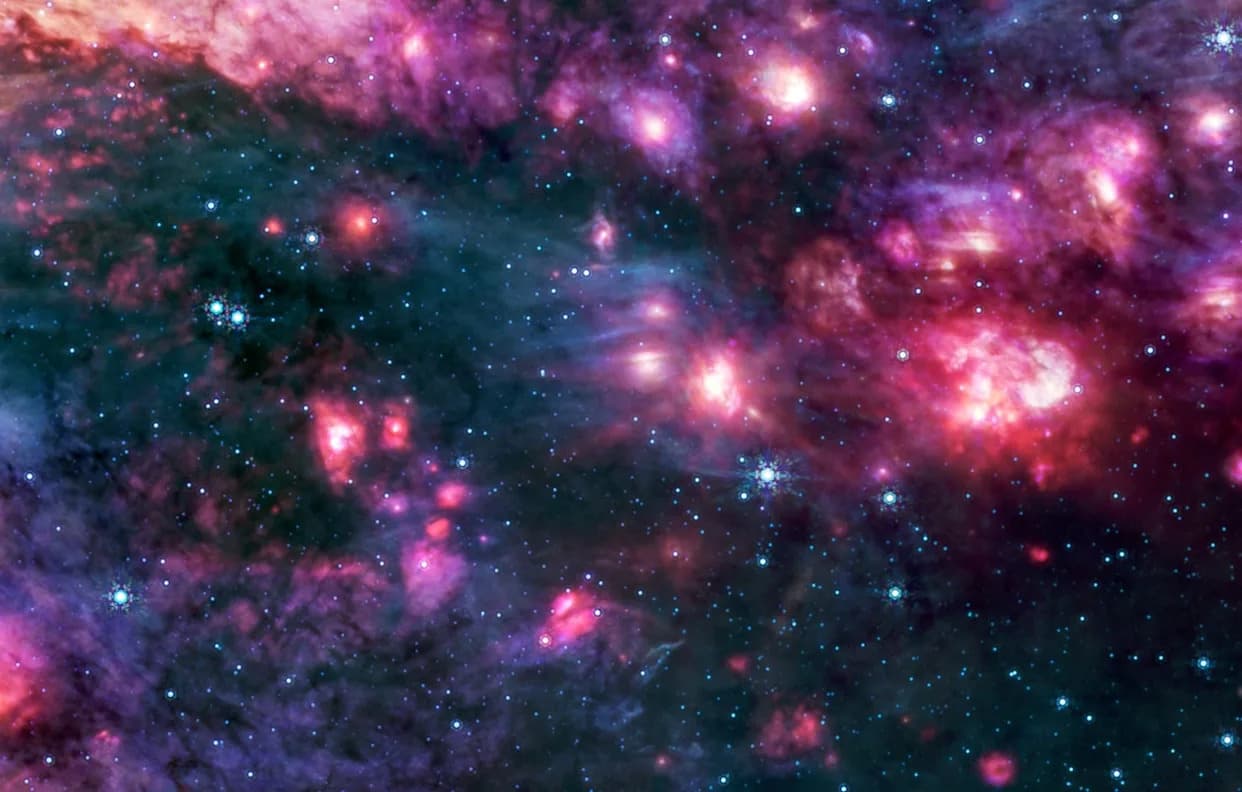
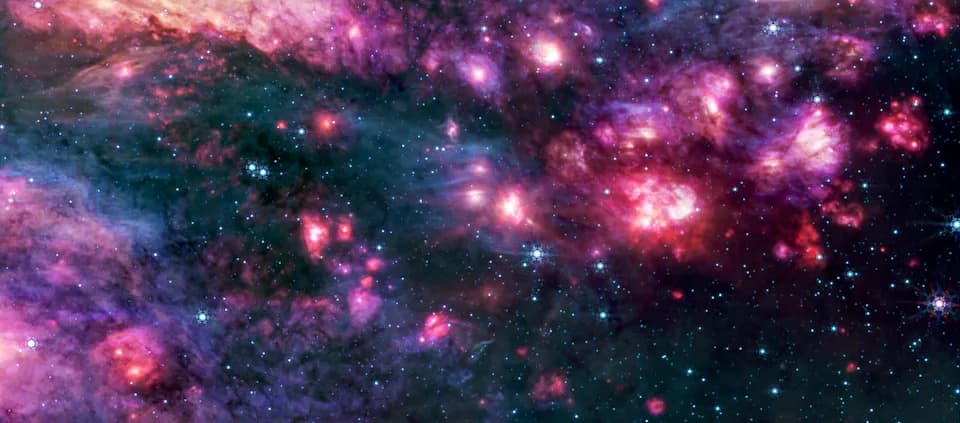
This image is the sum of 86 observations added together, representing over three million seconds of Chandra observing time. It spans just about 60 light-years across, which is a veritable pinprick on the entire sky. The underlying image contains lower-, medium-, and higher-energy X-rays in red, green, and blue respectively. The annotations on the image show where Chandra has detected over 3,300 individual sources in this field of view over a 22-year timeframe.
The Chandra X‑Ray Observatory, one of NASA’s most powerful space telescopes, is approaching its 27th year in orbit and continues to transform our view of the high‑energy universe. To mark the milestone, NASA has highlighted a major update to the Chandra Source Catalog (CSC), an expansive archive of processed images and X‑ray detections accumulated over the mission.
Major Catalog Update
The latest CSC release adds more than 400,000 unique compact and extended X‑ray sources and over 1.3 million individual X‑ray detections recorded through 2021. These entries include processed visualizations, detection metadata, and supporting data that astronomers use to study everything from stellar remnants to supermassive black holes.
A Closer Look at the Galactic Center
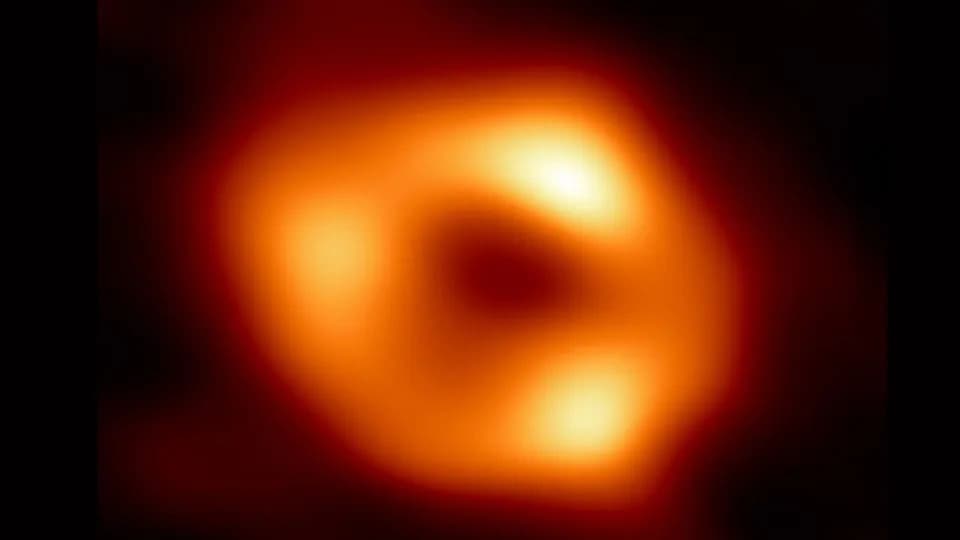
Among the new products is a stitched composite image of the Galactic Center — the region surrounding the supermassive black hole Sagittarius A*. The composite covers roughly 60 light‑years across, a small patch on the sky NASA calls a “veritable pinprick.” Producing the image required combining 86 separate exposures totaling more than 3 million seconds of observing time. Within that area, Chandra detected in excess of 3,300 discrete X‑ray sources.
Sonification: Turning X‑Rays Into Sound
Because raw X‑ray data are invisible to human senses, NASA created a 22‑year sonification that translates Chandra observations into sound. Repeat detections are assigned different musical notes and layered to create a “cosmic choir,” while an animated Milky Way map shows where each detection occurred. Larger markers indicate locations with more frequent observations, letting viewers both see and hear Chandra’s long‑term monitoring.
Longevity and Impact
Chandra was originally planned as a five‑year mission but has far exceeded expectations, delivering decades of high‑energy astrophysics. Despite a period of funding uncertainty in 2024, the observatory remains an essential tool for astronomers and appears poised to continue providing discoveries for years to come.
Why it matters: The expanded CSC and the new Galactic Center products make it easier for researchers to find, compare, and interpret X‑ray sources across the sky — and the sonification invites the public to experience these data in a new way.
Help us improve.