NASA selected three CLPS payloads to advance lunar science and astronaut safety. EMILIA-3D will produce 3D thermal maps of the surface; LISTER will drill and measure subsurface heat flow to refine the Moon's thermal history; and SELINE will study primary and secondary radiation interactions with regolith. All three are site-agnostic and will be delivered on commercial landers.
NASA Picks Three CLPS Payloads to Map Moon Heat, Drill for Subsurface Warmth, and Measure Radiation
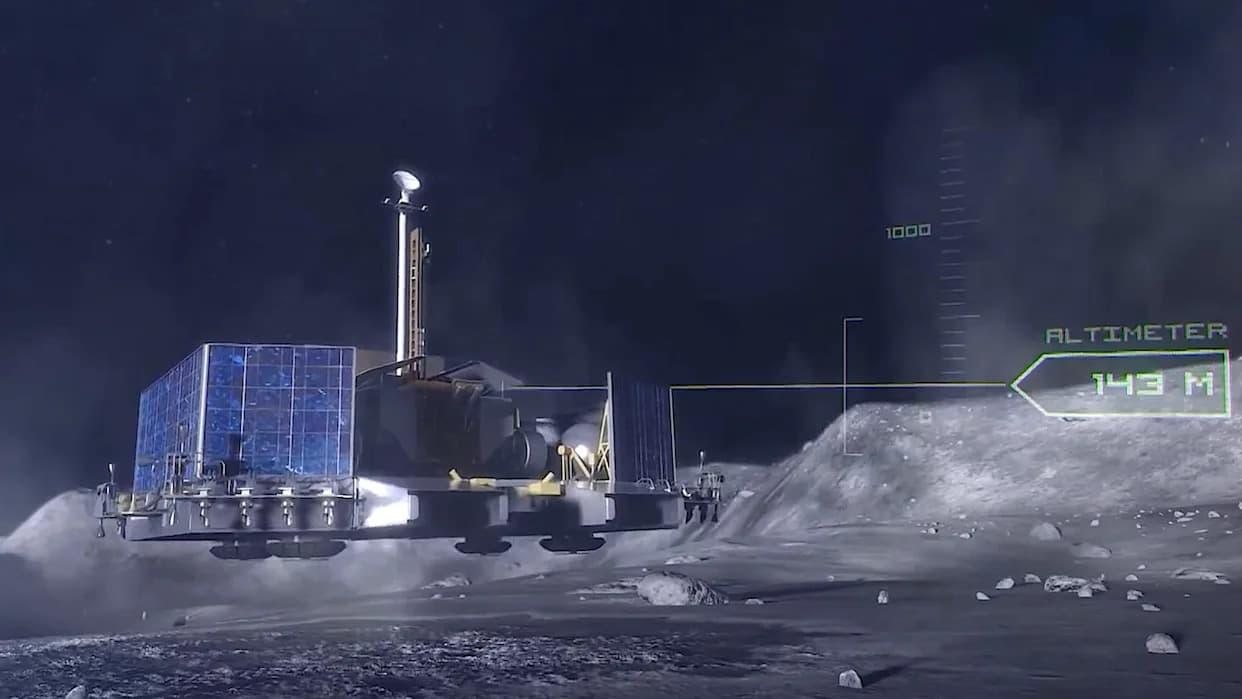
(Credit: NASA)
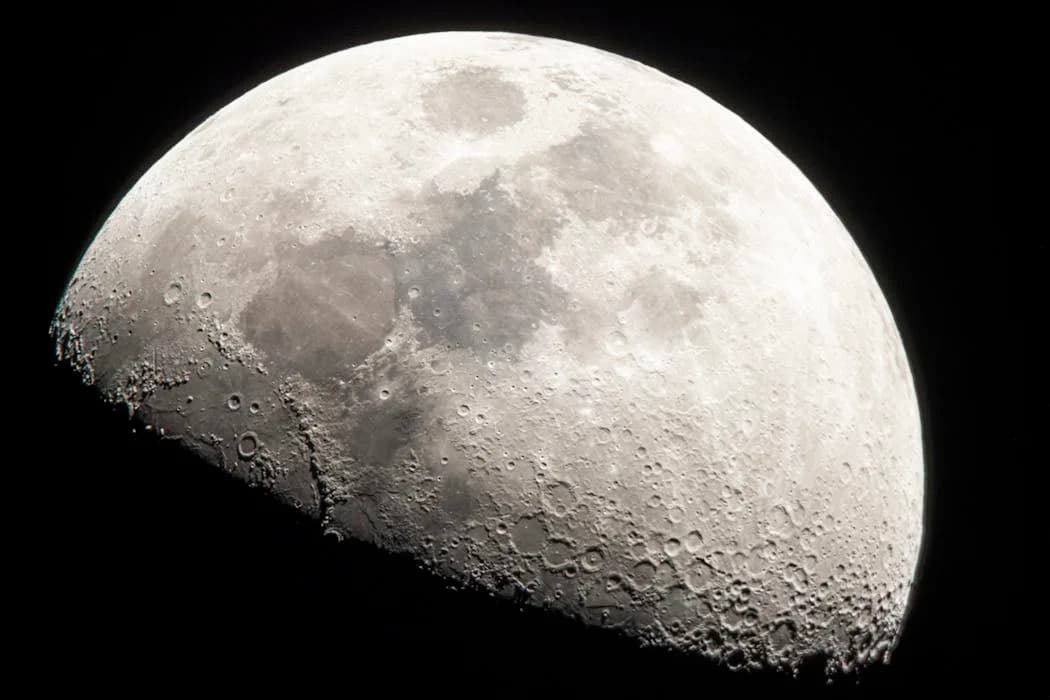
NASA has selected three new scientific payloads to fly to the Moon under the Artemis program via the Commercial Lunar Payload Services (CLPS) initiative. These compact experiments will map lunar temperatures in 3D, probe subsurface heat flow, and measure cosmic-ray interactions with the surface — all to improve our understanding of the Moon and help protect future astronauts.
How These Experiments Fit Into Artemis
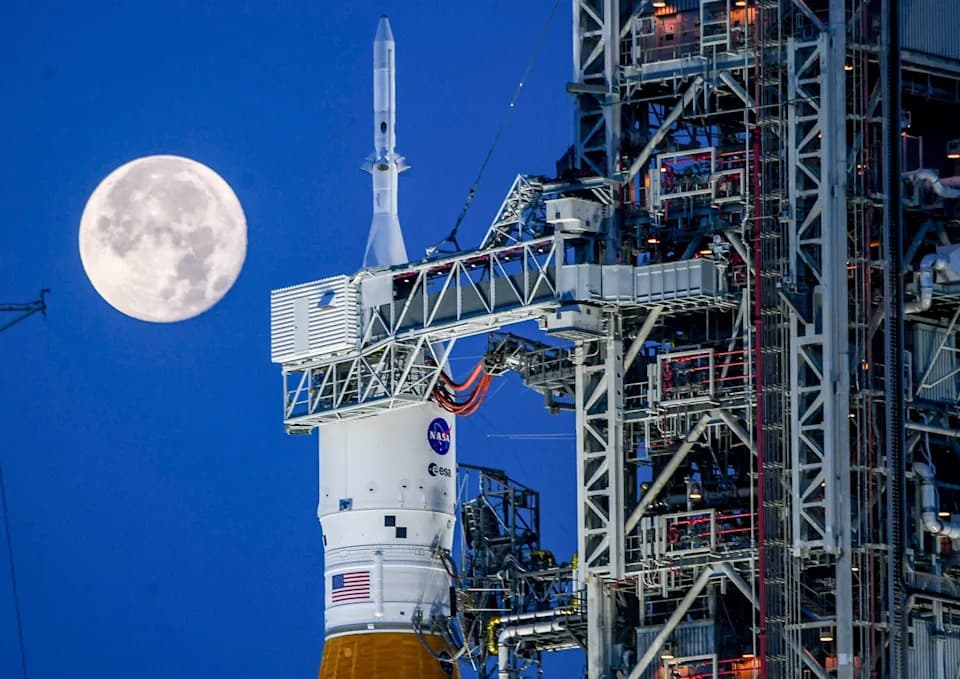
These investigations support NASA's broader Artemis campaign, which includes a crewed slingshot mission around the Moon (Artemis II) and a planned crewed landing (Artemis III). The payloads will ride on commercial landers contracted through CLPS rather than on the Space Launch System (SLS) or SpaceX Starship, allowing faster, more flexible science delivery to the lunar surface.
"With CLPS, NASA has been taking a new approach to lunar science, relying on U.S. industry innovation to travel to the surface of the Moon and enable scientific discovery," said Joel Kearns, deputy associate administrator for exploration in NASA's Science Mission Directorate. "These selections continue this pipeline of lunar exploration and will inform future human safety and navigation on the Moon and beyond."
The Payloads
EMILIA-3D (Emission Imager for Lunar Infrared Analysis in 3D)
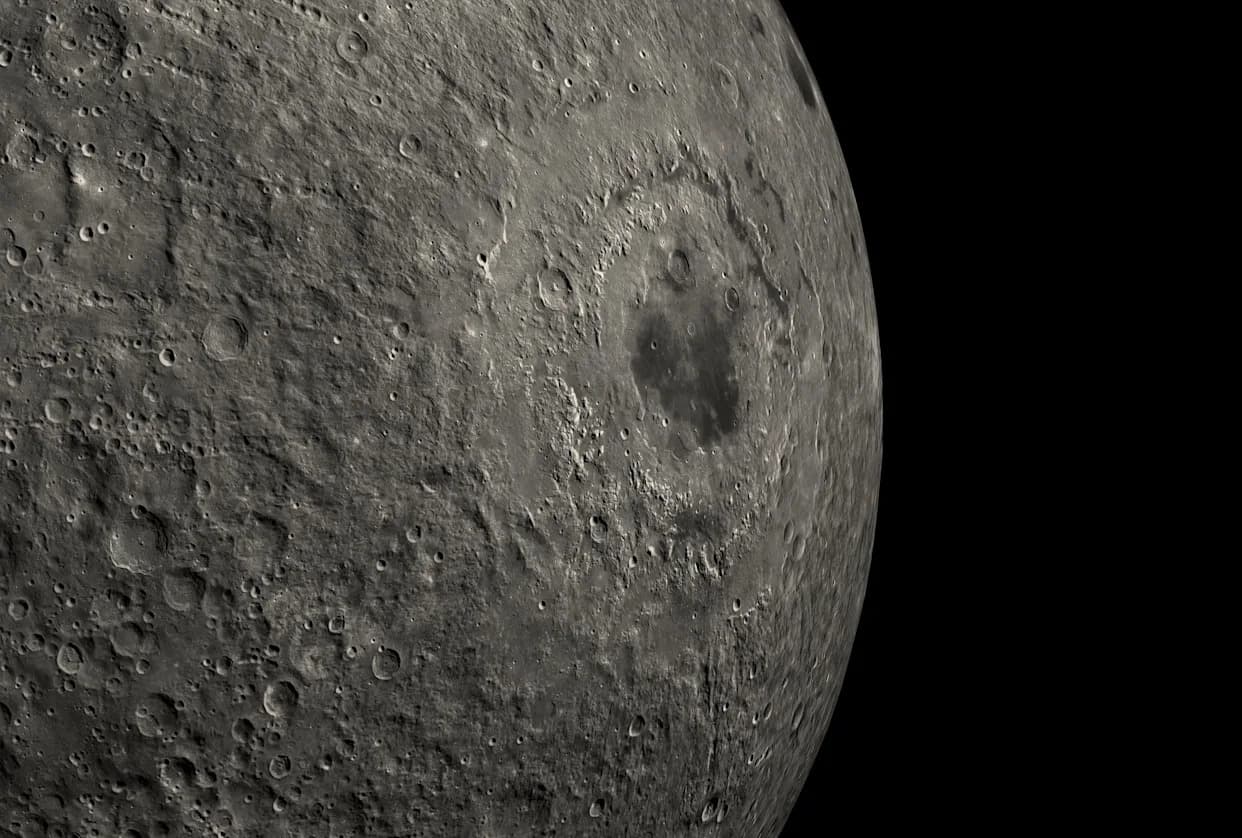
EMILIA-3D will create three-dimensional thermal maps of lunar terrain by combining infrared thermal imaging with visible-light camera data. By measuring temperature variations across the surface and at different depths (inferred from thermal behavior), EMILIA-3D will improve understanding of lunar regolith (moondust) properties and how the surface stores and releases heat.
LISTER (Lunar Instrumentation for Subsurface Thermal Exploration with Rapidity)
LISTER will measure lunar heat flow by drilling into the regolith and deploying sensors to record subsurface temperature profiles. Building on prior LISTER studies, this investigation aims to refine models of the Moon's thermal history and internal heat transport — key data for geology and long-term human activity on the surface.
SELINE (Site-Agnostic Energetic Lunar Ion and Neutron Environment)
SELINE will characterize the radiation environment at the lunar surface by distinguishing primary galactic cosmic rays from secondary particles (ions and neutrons) produced when those rays hit the regolith. Understanding these interactions helps quantify radiation exposure risks and informs shielding and operational strategies for crewed missions beyond Earth's magnetosphere.
Delivery and Operations: NASA will assign these experiments to specific commercial landers in upcoming CLPS procurements. Because the instruments are site-agnostic and do not require precise landing coordinates, integrating them into CLPS missions is expected to be simpler and faster than missions that must target exact surface locations.
Why It Matters: Together, these payloads will advance lunar science — from surface and subsurface thermal behavior to particle radiation interactions — and provide practical data that improves astronaut safety, navigation, and long-term exploration planning.
Help us improve.