Nearly a year after about 200 people were flown from the US to Costa Rica under a Trump administration scheme, a handful — including a Russian family — remain in legal limbo and seek redress. The deportees were shackled in transit and detained at Costa Rica’s Catem center for around two months; Costa Rica’s constitutional court later ruled their rights were violated but compensation has not been paid. The family now live near Monteverde on one-year humanitarian permits while lawyers pursue legal and psychological remedies.
“Thrown Out Like Baggage”: Russian Family Deported From US to Costa Rica Remains in Legal Limbo

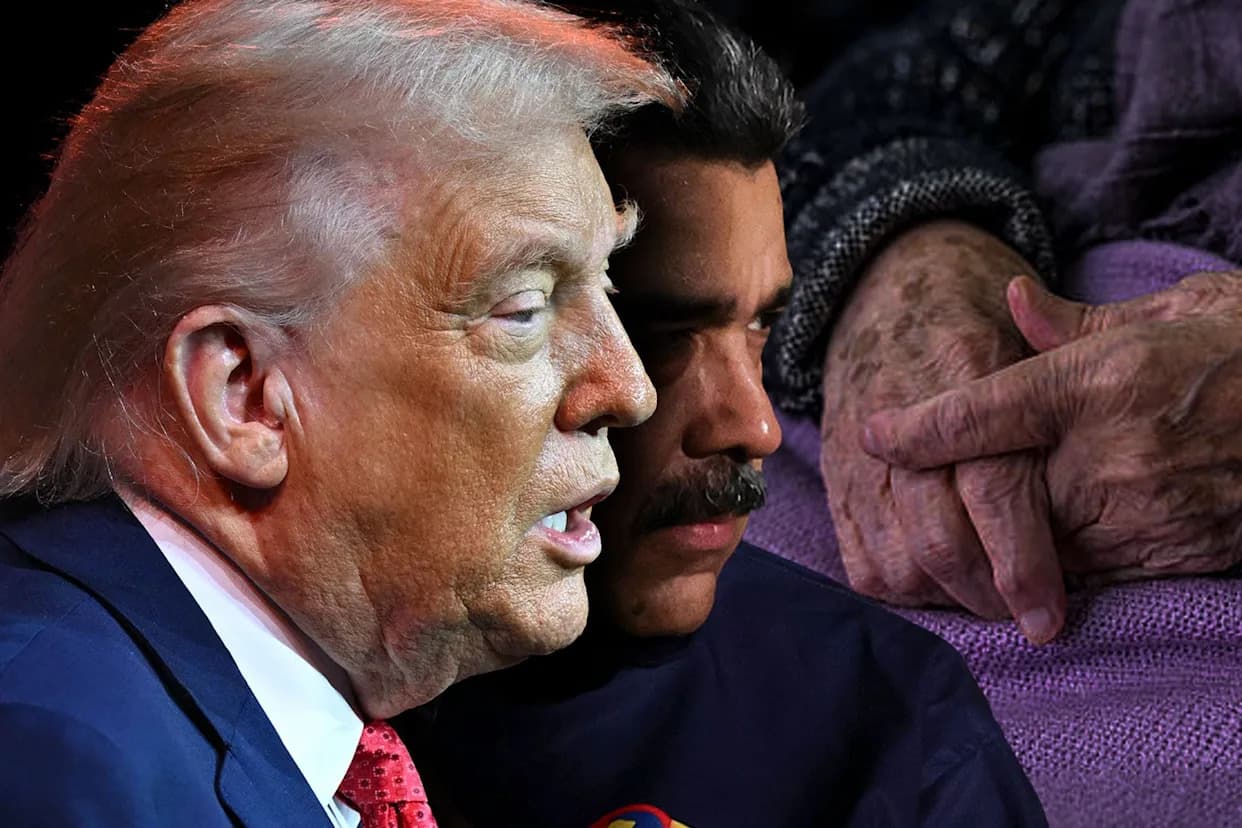
Trump struck a deal with Costa Rica to receive people from third countries who were being deported from the US.Composite: The Guardian/Getty Images(Composite: The Guardian/Getty Images)
Nearly a year after roughly 200 people were involuntarily flown from the United States to Costa Rica under a Trump administration arrangement, a small number — including a Russian family — remain in legal limbo and are pursuing compensation and clarity about their treatment.
Background
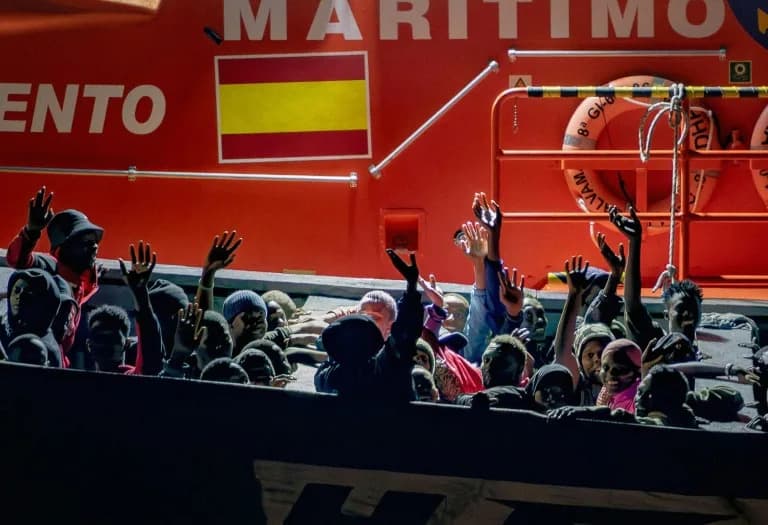
In February last year, a group of about 200 migrants from around 20 countries — including 81 children and people primarily from parts of Asia and Africa — were transported from the US to Costa Rica after US authorities blocked their ability to access the American asylum system. Human rights groups reported that many of the people were shackled while in transit despite having no criminal convictions. The transfers were part of a broader US effort to relocate asylum-seekers to so-called “third countries” when returning them directly to their countries of origin proved difficult.
One Family’s Account
Among those sent to Costa Rica is a 37-year-old Russian man who asked to be identified only as Alexander for safety reasons, along with his wife and their eight-year-old son. Alexander says the family fled Russia after he reported alleged election irregularities while working as a poll worker in St. Petersburg and sought to pass material to associates of the late opposition figure Alexei Navalny. He also says that returning to Russia would expose him to political persecution and a likely conscription to fight in Ukraine.
The family traveled via Turkey and Mexico in spring 2024. They secured an asylum appointment in the United States scheduled for 2 February 2025 through the CBP One app — a system used during the Biden administration to ration limited border appointments. According to Alexander, that appointment was canceled on 20 January 2025, hours after Donald Trump’s inauguration. When they presented themselves at the US border to request asylum, Alexander says US officers ignored their plea, detained the family and ultimately deported them.
Detention And Transfer
Alexander describes being handcuffed along with his wife in front of their son and initially detained at the Otay Mesa facility in California. The family was separated from one another and held in US custody for about a month before being placed on military aircraft that transported them first to Arizona and then to Costa Rica. They say they were not told their destination and were terrified during the flights.
On arrival in Costa Rica, national police escorted the family to a secure migrant care center (Catem) in Puntarenas, roughly six hours from San José. Alexander reports severe distress during their confinement: substantial weight loss, illness among family members, restricted movement and the temporary withholding of passports. He says his son experienced a dental infection and had a tooth removed without anesthesia — an event that left the child traumatized.
“They threw us out like baggage,” Alexander told The Guardian, describing the family’s sense of abandonment and fear.
Legal Ruling, Aftermath And Ongoing Claims
In June last year, Costa Rica’s constitutional branch of the Supreme Court found that the government had violated the migrants’ right to personal liberty and ordered their release. The court directed the state to determine and provide appropriate assistance — including education, housing and healthcare — and stated the deportees should be entitled to compensation. The government released the detainees but has not, advocates say, paid compensation.
Legal advocacy groups, including the Global Strategic Litigation Council, filed suit against the Costa Rican government on behalf of the migrants. Lawyers report that Alexander’s family — including their son — are undergoing psychological evaluations to assess the mental-health impact of their detention.
Advocates estimate only about seven people from that deportation flight remain in Costa Rica; the whereabouts of most others are unclear. Many of those relocated may be unaware of the court ruling or their right to claim compensation.
Government Responses And International Concern
Costa Rica’s migration agency disputed the court’s findings. Omer Badilla, director of the national migration agency, told The Guardian he opposed the constitutional court’s ruling and argued the migrants were treated with dignity, received medical care and that the court had acted on political motives.
In the United States, Democratic lawmakers — including Senator Elizabeth Warren — demanded details from the Departments of Homeland Security, State and Defense about the administration’s use of third countries to accept deportees, warning the practice may violate US and international law. Human-rights groups and lawyers say some Central American leaders agreed to cooperate with Washington under economic and diplomatic pressure, including threats of tariffs and visa sanctions.
Current Life And Status
Alexander and his family were recently granted one-year renewable humanitarian residence permits in Costa Rica, allowing them to live and work legally amid reports of increased enforcement activity questioning migrants’ status in public. The family now lives near Monteverde with support from a local Quaker community. Alexander has returned to work as a fitness coach; his wife has found full-time employment, and their son attends school. Despite these steps toward stability, the family continues to seek accountability and compensation for what they say was unlawful deportation and mistreatment.
Ongoing Issues: legal claims against the Costa Rican state, psychological evaluations for detained migrants, unanswered questions from US lawmakers about the third-country deportation program, and lack of compensation to those the constitutional court found had been wronged.
Help us improve.