Randall Gamboa Esquivel, 52, was deported from the US to Costa Rica in September 2025 in a vegetative state after nearly 10 months in ICE detention and died weeks later. Medical records cited by the Guardian list sepsis, protein malnutrition and toxic encephalopathy, and describe him as catatonic and minimally responsive. US and Costa Rican officials have offered limited details while forensic studies into his death are underway. The case has provoked concern in his hometown and among advocates over detainee care during a period of rising ICE custody numbers.
Costa Rican Man Returned From ICE Custody In Vegetative State, Dies Weeks After Deportation
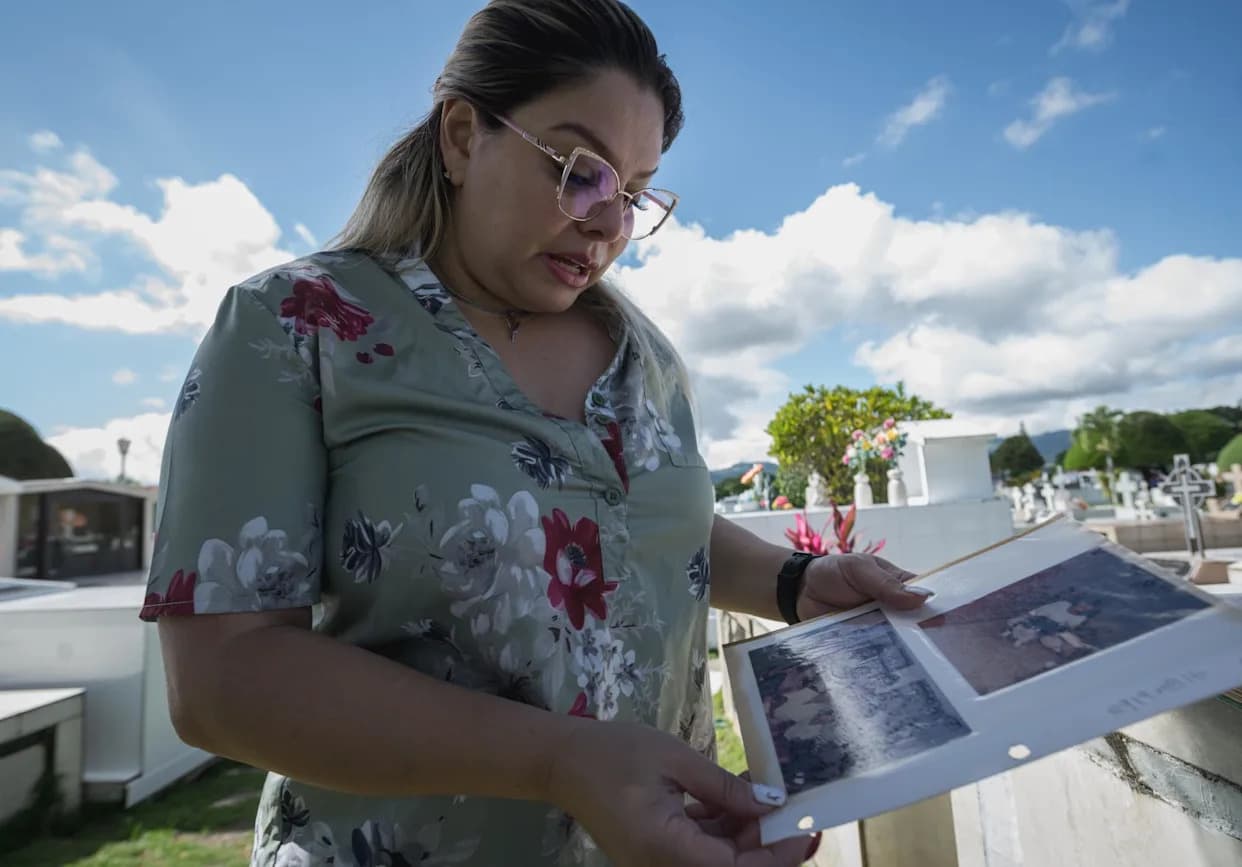
Greidy Mata Esquivel, sister of Randall Gamboa, visits the place where her brother is buried.Photograph: Emi Kondo/The Guardian
Randall Gamboa Esquivel, 52, was flown back to Costa Rica in a vegetative state after nearly 10 months in US immigration detention and died weeks after his return. His family and medical records reviewed by the Guardian say he arrived malnourished, with infections and neurological damage; US and Costa Rican officials have provided limited public details while forensic investigations continue.
Timeline And Key Events
In December 2024 Gamboa crossed the US–Mexico border and was promptly detained for unlawful re-entry. He was held at detention facilities in south Texas, where fellow detainees say he initially called family frequently and appeared able to move and speak. Communication with relatives stopped after 12 June 2025.
Medical records indicate Gamboa was transferred from the Port Isabel detention center to Valley Baptist Medical Center in Harlingen, Texas, on 23 June 2025. Hospital notes from late June described him as quiet and answering only in brief responses, more likely to engage in Spanish. Over the following weeks his condition deteriorated: by early July he had multiple diagnoses, including sepsis, protein malnutrition and toxic encephalopathy, and clinicians later reported he was catatonic and minimally responsive.
Deportation And Return
Despite his condition, an immigration judge in Los Fresnos, Texas, ordered Gamboa's removal on 26 August 2025. ICE arranged and paid for an air ambulance to return him to Costa Rica. When family members met him at the airport, they said he was non-responsive, emaciated, had skin ulcers and dried blood, and emitted a foul odor; Mata, his sister, described the smell as like a cadaver.
“When I saw my brother at the airport, I thought he had been tortured in some type of way because he was ill-nourished, had skin ulcers and dried blood on his body and had a strong odor,” Mata said. “Have you ever smelled a cadaver? That’s how my brother smelled when he was deported.”
Official Responses And Investigations
The Department of Homeland Security told the Guardian that medical professionals had diagnosed Gamboa with unspecified psychosis and hospitalized him so he could receive appropriate care. DHS did not answer questions about other diagnoses, treatment consent, or whether it had communicated full medical details to Costa Rican officials or the family.
Costa Rica's Ministry of Foreign Affairs and the Costa Rican ambassador to the United States did not respond to requests for comment. Omer Badilla, director of Costa Rica's migration agency, said his office was notified of the deportation but received no detailed health information.
Gamboa died on 26 October 2025 in a hospital in Pérez Zeledón. His Costa Rican death certificate left the cause of death blank; authorities said forensic studies—histology, neuropathology and a review of hospital records—are underway and must be completed within 120 days of entry to the morgue.
Family Accounts And Local Impact
Gamboa's sister, Greidy Mata, and former cellmate Omar Guevara say the family was kept largely in the dark and dispute claims that Gamboa refused to speak with relatives while hospitalized. A family attorney in Harlingen reported finding Gamboa able to follow people with his eyes but unable to speak; she confirmed ICE sponsored the air ambulance for removal proceedings.
Gamboa’s death has unsettled his hometown of Pérez Zeledón. Locals say the case has dampened enthusiasm for migrating to the US and raised concerns about detainee care as ICE detention numbers reached record highs in 2025.
What Remains Unclear
- Full medical timeline and whether Gamboa consented to treatments while in US custody.
- All communications between ICE, DHS and Costa Rican consular officials during his hospitalization.
- Final cause of death pending completion of forensic studies.
This case is part of broader scrutiny of detention conditions and medical care for people held by US immigration authorities amid rising detention and deportation levels.
Help us improve.