The U.S. government apologized after 19-year-old Babson College freshman Lucia Lopez Belloza was detained in Boston and deported to Honduras despite a Nov. 21 emergency court order to keep her in the U.S. for at least 72 hours. Prosecutors say an ICE officer mistakenly believed the order no longer applied once she left Massachusetts and failed to alert other enforcement offices. Her lawyer says the removal violated the court order and deprived her of due process; a judge called the episode a “tragic” bureaucratic mistake while questioning whether the court has jurisdiction.
U.S. Apologizes After 19-Year-Old Babson Student Is Deported Despite Emergency Court Order

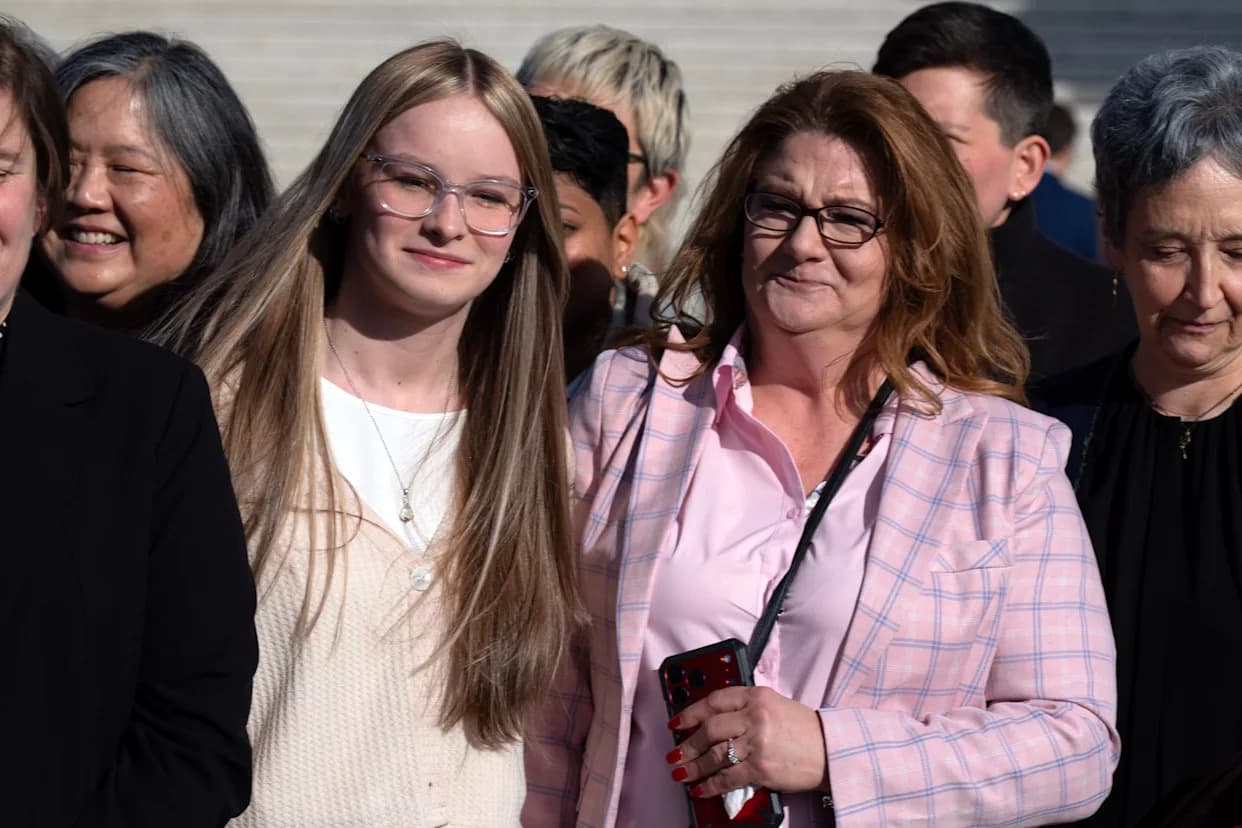
In this undated photo provided by her attorney, Todd Pomerleau, in January 2025, Any Lucia Lopez Belloza celebrates her high school graduation in Texas. (Any Lucia Lopez Belloza's attorney via AP)
A U.S. government attorney apologized in federal court after 19-year-old Babson College freshman Lucia Lopez Belloza was detained at Boston Logan International Airport on Nov. 20 and deported to Honduras two days later — despite an emergency court order issued on Nov. 21 directing authorities to keep her in Massachusetts or elsewhere in the United States for at least 72 hours.
Background: Lopez Belloza, whose family immigrated from Honduras to the United States in 2014, has been taking classes remotely and is currently staying with her grandparents. At the time of reporting she was not in detention and had been visiting an aunt in El Salvador.
Court Hearing and Government Apology: At a federal hearing in Boston, prosecutors acknowledged the government violated the Nov. 21 order. Assistant U.S. Attorney Mark Sauter told U.S. District Judge Richard Stearns that an Immigration and Customs Enforcement (ICE) officer mistakenly believed the court order no longer applied once Lopez Belloza left Massachusetts and failed to trigger an internal alert that would have notified other ICE personnel to halt the removal.
“On behalf of the government, we want to sincerely apologize,” Sauter said, adding the violation appeared to be an inadvertent mistake by one individual rather than a willful disobedience of a court order.
In a Jan. 2 declaration, the ICE officer admitted he did not notify ICE’s enforcement office in Port Isabel, Texas, that the removal mission should have been canceled and said he believed the judge’s order did not apply after she left the state.
Government’s Legal Position: Prosecutors argued the deportation was lawful on the merits because an immigration judge ordered the removal of Lopez Belloza and her mother in 2016, and the Board of Immigration Appeals dismissed their appeal in 2017. They also argued the court may lack jurisdiction to grant relief because Lopez Belloza’s lawyers filed their emergency motion several hours after she had arrived in Texas en route out of the country.
Defense Response and Remedies: Lopez Belloza’s attorney, Todd Pomerleau, said the government violated the Nov. 21 order and deprived his client of due process. He asked the court to consider remedies that would allow her to return to the United States to finish her studies while he works to reopen the underlying removal order.
Judge Stearns called the episode a “tragic" bureaucratic mistake and said he appreciated the government’s acknowledgment of error, but he appeared reluctant to hold the government in contempt since the breach did not seem intentional. He also questioned whether he had jurisdiction given the timing of filings, and suggested Lopez Belloza might explore applying for a student visa as one possible path back to the U.S.
Context: The case mirrors other incidents in which removals occurred despite court orders, including the deportation of Kilmar Abrego Garcia to El Salvador and the earlier return of a Guatemalan man identified as O.C.G., whose prior removal was later found to likely have lacked due process.
The case remains active as lawyers explore options to bring Lopez Belloza back and to challenge the underlying removal order.
Help us improve.