Many Venezuelans in the United States say Nicolás Maduro’s imprisonment does not make returning home safe. Asylum-seekers and TPS beneficiaries report that regime institutions and paramilitary networks still threaten civilians. With U.S. immigration protections under legal challenge and deportations on the rise, families face dire economic conditions and costly remittances while community groups warn internal power struggles could worsen the crisis.
Maduro Jailed — Venezuelans in the U.S. Say It’s Still Too Dangerous To Return
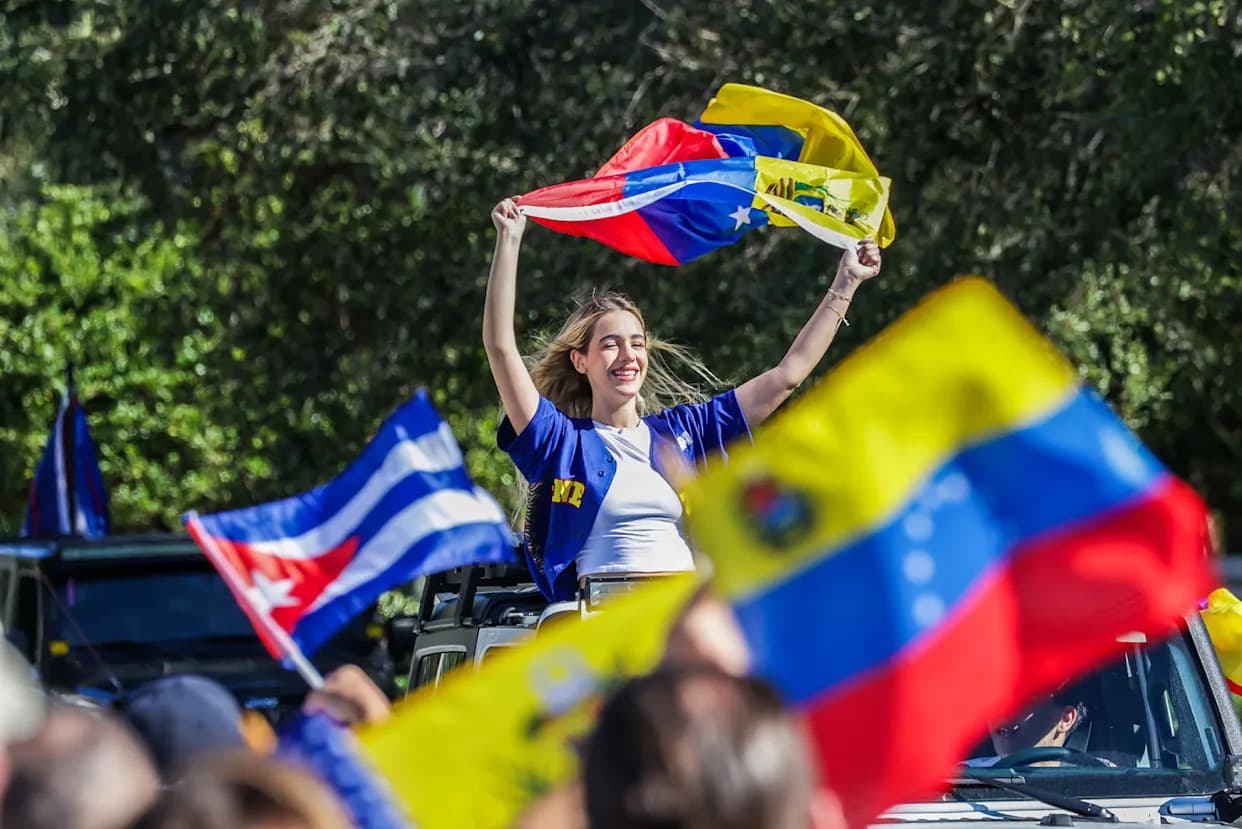
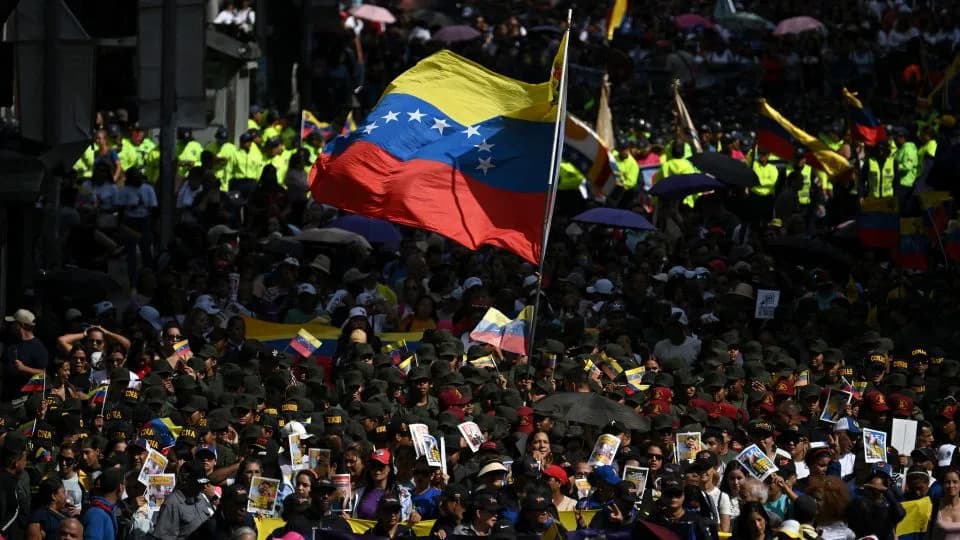
Many Venezuelans in the U.S. celebrated upon hearing about the ouster of Venezuelan President Nicolás Maduro, but fears remain among those with uncertain immigration statuses. (Zak Bennett / Bloomberg via Getty Images file)
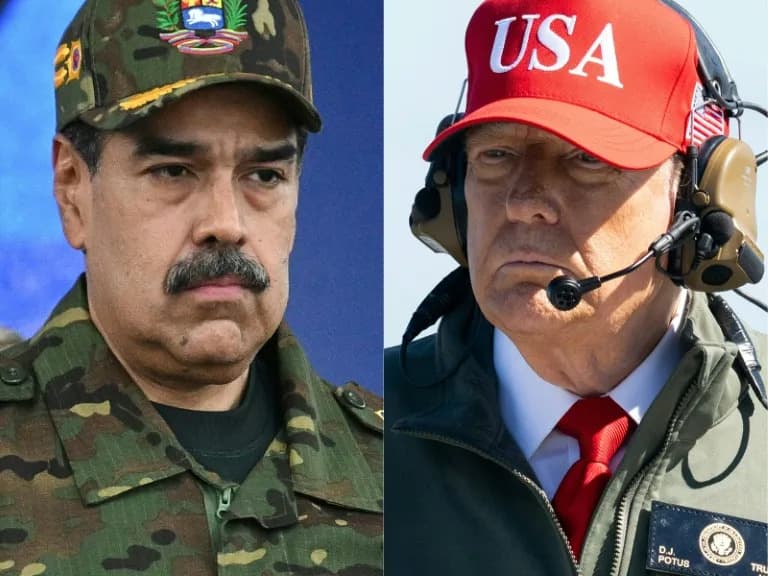
Jhovanny, a 44-year-old Venezuelan asylum-seeker in Chicago, watched news of Nicolás Maduro’s capture with a mix of shock and cautious hope. Even with Maduro detained in a New York City jail, he says he still wakes at night terrified he could be forced to return to a country he calls chaotic and dangerous.
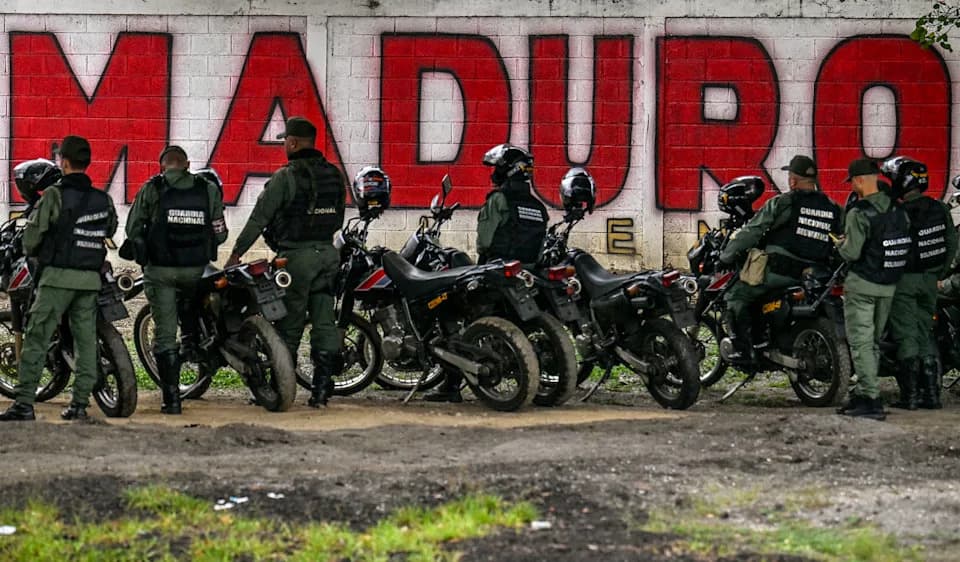
Multiple Venezuelan migrants and asylum-seekers told NBC News that Maduro’s detention does not erase the threat posed by the regime’s institutions and allied paramilitary groups. Many said the structures that enabled repression remain firmly in place — making return unsafe even if Maduro is no longer at the helm.
Fear and Legal Uncertainty
“It’s something extreme and dangerous for those of us abroad, because we are targets of the paramilitaries, we are targets of the regime,” Jhovanny said, asking that his last name be withheld because of concerns about his U.S. immigration case and safety back home.
Hundreds of thousands of Venezuelans have arrived in the United States in recent years fleeing political repression and economic collapse. Many seek asylum or protections such as Temporary Protected Status (TPS). Jhovanny has an open asylum case and had been a TPS beneficiary; he says he left Venezuela to escape political persecution.
U.S. Policy Shifts Raise Stakes
During the Trump administration, federal officials moved to end TPS for Venezuelans as part of a broader tightening of immigration policy. That decision has faced legal challenges, and courts have allowed the government in some instances to proceed with policy changes while litigation continues. Meanwhile, the administration ended TPS for Somali nationals and set a departure deadline of March 17 for those beneficiaries, and it temporarily suspended immigration applications from nationals of 19 countries — including Venezuela — after a November shooting that targeted National Guard members.
Immigration arrests and deportations have increased nationwide, intensifying fears among Venezuelans with pending cases even as many welcomed Maduro’s ouster.
Lives Interrupted
John Rivas, 24, and his wife, Elimar Rodriguez, 22, left family behind in Venezuela and arrived in Los Angeles with only a change of clothes for themselves and their two young sons. The couple came in 2024 hoping to qualify for TPS after President Joe Biden added Venezuela to the eligible-country list in 2021. Their applications remain pending while courts consider the lawsuit challenging the policy changes; both report regularly to scheduled immigration check-ins.
Rivas now works as a ride-service driver while Rodriguez stopped housecleaning to care for their children. The couple describe dire economic conditions in Venezuela: they estimate they earned roughly $20 a month outside Caracas, while basic food prices remain astronomically high. Rivas said remittances are costly and slow — "If I sent $500 to my mother, she would only get $100 a month because there is no money in the banks."
Community Response and Ongoing Risk
Renny Milano, a Venezuelan asylum-seeker who settled in Chicago years ago and now helps newcomers through the nonprofit Manos Entrelazadas South Side Alliance, says much of the city opened its doors when tens of thousands were bused to Chicago from Texas. Milano’s own case is still active. He warned that Maduro’s removal could sharpen internal power struggles within Venezuela — and that such infighting often deepens civilian suffering.
“A more acute crisis is coming now, simply because the powers that be are fighting among themselves right now,” Milano said. “All that conflict, the people pay the price.”
For Venezuelans abroad, the combination of lingering regime structures, paramilitary threats, legal uncertainty in the U.S., and worsening conditions at home means many feel trapped between economic desperation and the dangers of return.
This article was originally published on NBCNews.com.
Help us improve.