Guan Heng, 38, who published footage alleging rights abuses in Xinjiang detention facilities, has been held in U.S. immigration custody since an August enforcement sweep. A judge will review his asylum appeal after the Department of Homeland Security dropped a planned deportation to Uganda following public and congressional scrutiny. Advocates warn that a recent push to speed deportations has led to large numbers of removal orders and rising abandonment of asylum applications.
Chinese Whistleblower Who Filmed Xinjiang Camps Fights Deportation as U.S. Judge Reviews Asylum Appeal
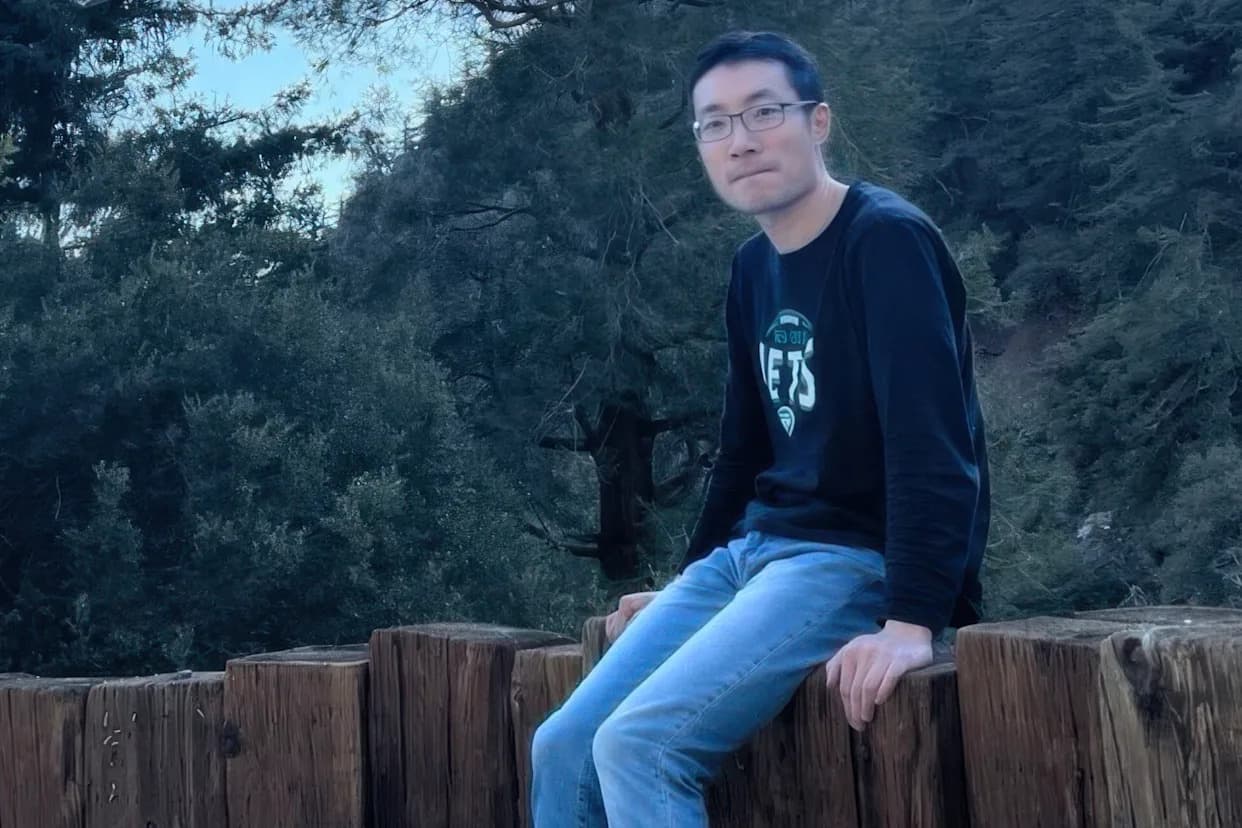
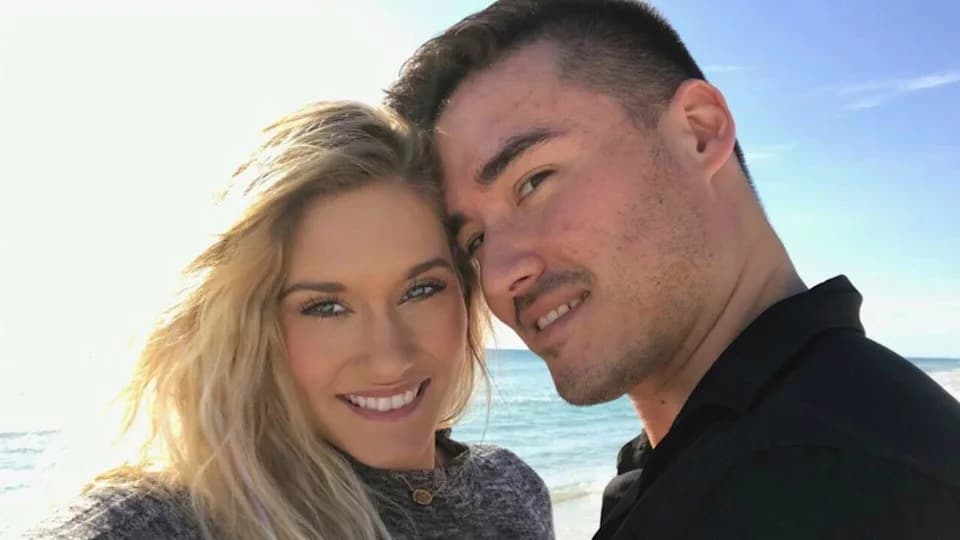
This photo provided by Luo Yun shows an undated photo of Guan Heng. (Luo Yun via AP)(ASSOCIATED PRESS)
Guan Heng, a 38-year-old Chinese national who published video footage alleging rights abuses in detention facilities in China’s Xinjiang region, has been held in U.S. immigration custody since he was detained during an enforcement operation in August. From the Broome County Correctional Facility in New York, Guan told The Associated Press that he cannot imagine returning to China.
“I would be prosecuted, I would be jailed, I would be tortured. All of that could happen,” he said in a recent phone interview.
Judge To Review Asylum Appeal
A judge is scheduled to review Guan’s appeal on Monday as he seeks to remain in the United States. Guan originally applied for asylum after fleeing China more than four years ago with video evidence from detention sites in Xinjiang. He says he released the footage to expose alleged abuses and protect vulnerable communities.
DHS Reconsidered Deportation Plan After Public Scrutiny
The Department of Homeland Security initially planned to deport Guan to Uganda but abandoned that course in December after his case drew public attention and scrutiny from lawmakers on Capitol Hill. Despite that reversal, his legal status remains unresolved.
How Guan Was Detained
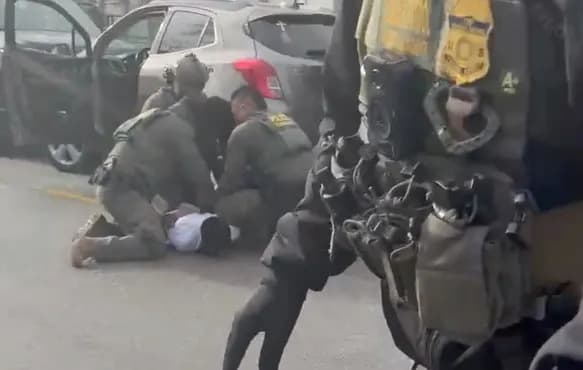
Guan says Immigration and Customs Enforcement (ICE) agents discovered him during an operation aimed at his housemates in a small town outside Albany. A DHS spokesperson stated that ICE encountered Guan while assisting the FBI in executing a criminal search warrant and that his claims will be considered by an immigration judge.
Broader Context: Asylum Enforcement and Data
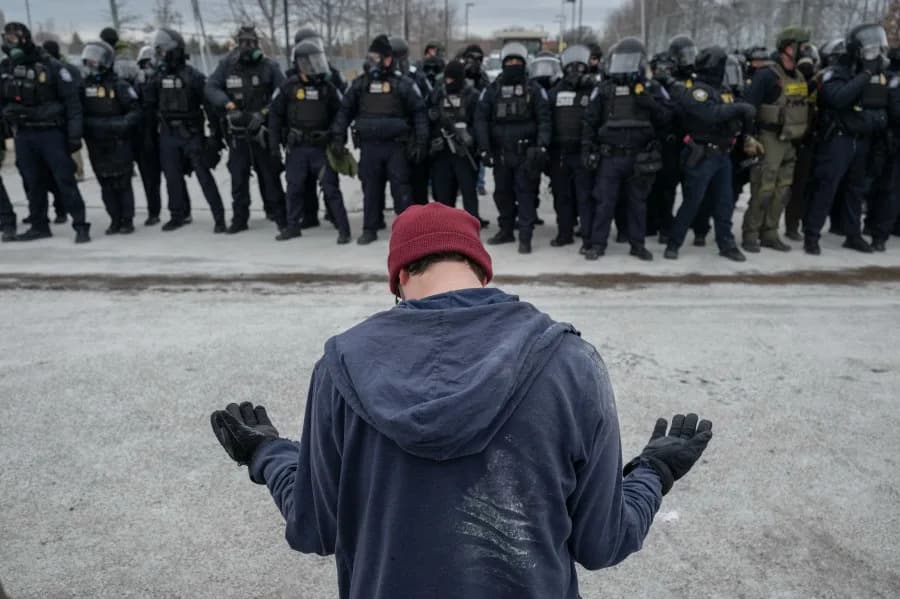
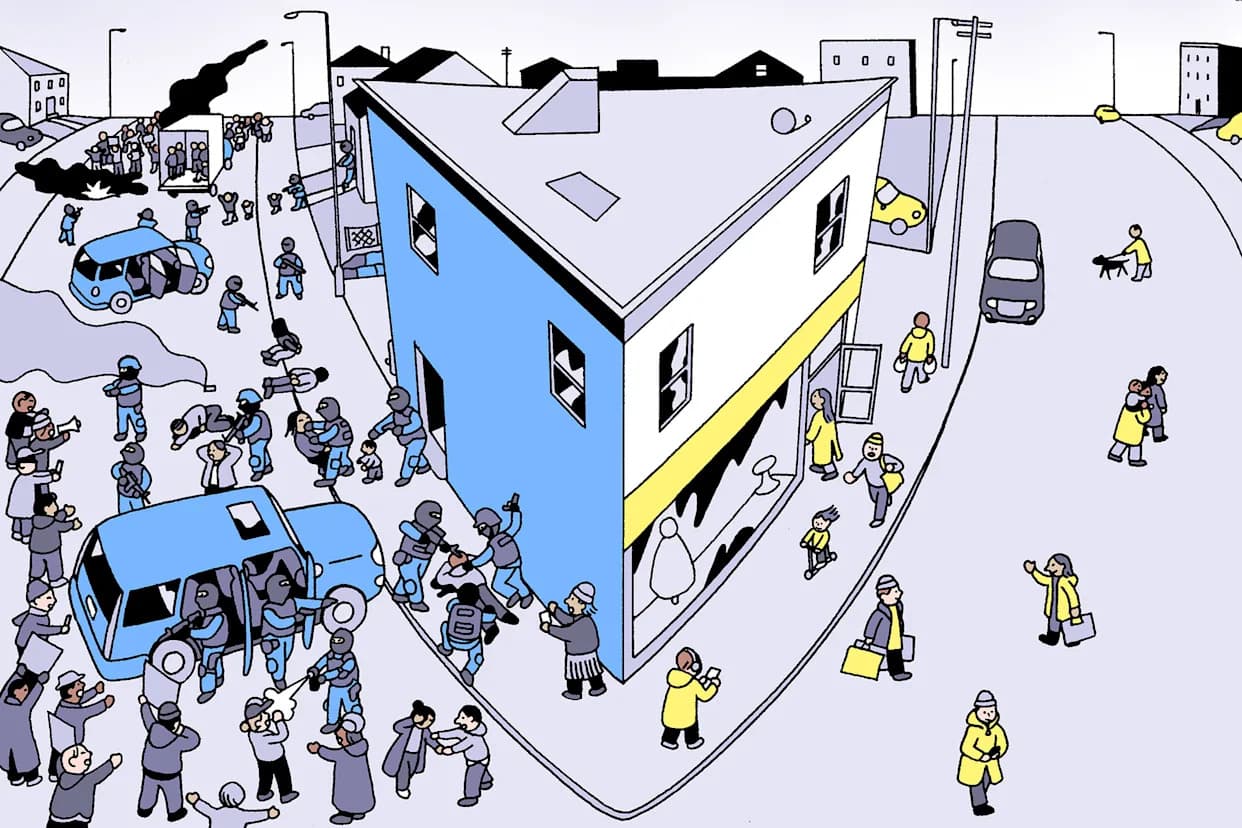
Advocates and legal experts say Guan’s case highlights a broader crackdown on asylum seekers. Kathleen Bush-Joseph, a policy analyst at the Migration Policy Institute, told the AP that immigration authorities have been moving aggressively to close cases and issue removal orders so deportations can be expedited.
Data compiled by Mobile Pathways, a California nonprofit that helps immigrants navigate the U.S. legal system, found that 170,626 asylum seekers were ordered deported in 2025 — roughly one-third of the roughly half a million people the administration ordered deported last year. The same dataset indicates that 31% of asylum applications were marked “abandoned” in 2025, up from 11% between 2010 and 2024. Advocates say some applicants miss appointments out of fear after arrests began occurring during routine immigration proceedings.
Guan’s Journey Out of China
Guan says he secretly filmed detention facilities in Xinjiang in 2020, adding to material that human rights groups and researchers cite as evidence of widespread abuses in the region, where activists estimate up to 1 million people — especially Uyghurs and other ethnic minorities — have been detained. The Chinese government calls those sites vocational training centers intended to counter extremism and teach job skills.
Fearing retaliation, Guan left China with the footage. He traveled first to Hong Kong, then to Ecuador (where Chinese citizens could travel visa-free at the time), then to the Bahamas and eventually sailed to Florida in October 2021. By the time he arrived in the United States, he had already published much of the footage online.
Guan settled in Queens, New York, and worked after receiving a work permit, driving for ride-hailing services and doing deliveries. He says he severed most contact with relatives in China to protect them from potential harassment by authorities.
Support, Concerns and the Road Ahead
Representative Raja Krishnamoorthi, a member of the House Select Committee on the Chinese Communist Party, urged DHS Secretary Kristi Noem to release Guan and grant his asylum petition, calling for "careful adherence to due process and America’s long-standing commitment to protecting human rights whistleblowers." Immigration lawyers and advocates have warned that aggressive enforcement risks returning vulnerable people to dangerous conditions.
“We are very worried about the number of asylum seekers that will be sent back to extremely dangerous conditions,” said Vanessa Dojaquez-Torres of the American Immigration Lawyers Association.
If released, Guan says he hopes to continue meaningful work and build connections that will allow him to help others who have fled persecution.
Help us improve.