Baltimore saw homicides fall to 134 in 2025, a sharp drop officials link to tougher prosecutions of repeat violent offenders and closer federal cooperation. The State’s Attorney’s Office increased the share of convicted repeat offenders who were sentenced and grew its prosecutor staff. Arrests of repeat gun offenders also declined, but leaders warn gains may be fragile without stronger re‑entry and support programs.
Baltimore Homicides Plummet to 134 in 2025 as Prosecutors Target Repeat Violent Offenders
Baltimore bloodshed drops as law-and-order push targets repeat criminals
Baltimore recorded a sharp drop in homicides in 2025, continuing a multi-year decline that city prosecutors attribute to a concentrated effort to prosecute repeat violent offenders more consistently and to expanded cooperation with federal partners.
Data from the Baltimore City State’s Attorney’s Office show homicides fell to 134 in 2025, down from 202 in 2024, 263 in 2023 and 334 in 2022.
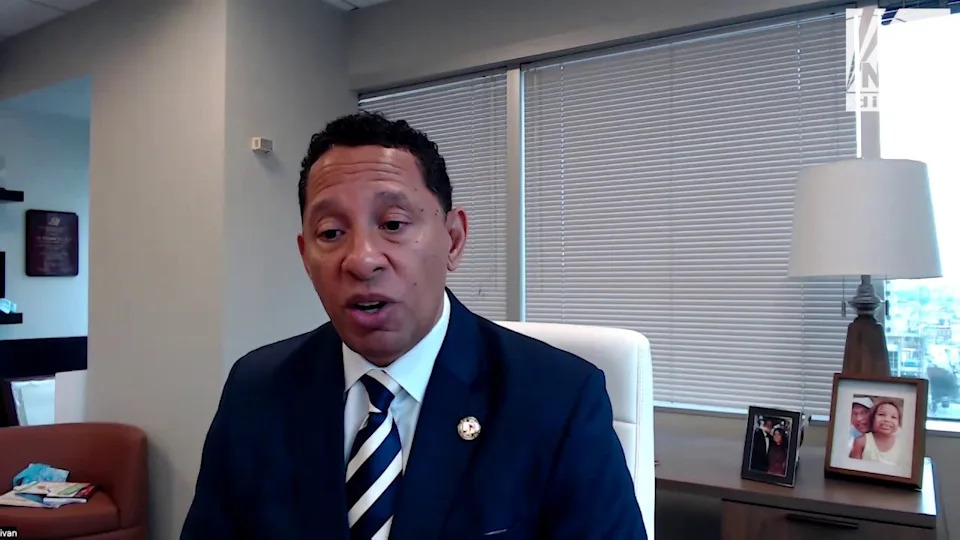
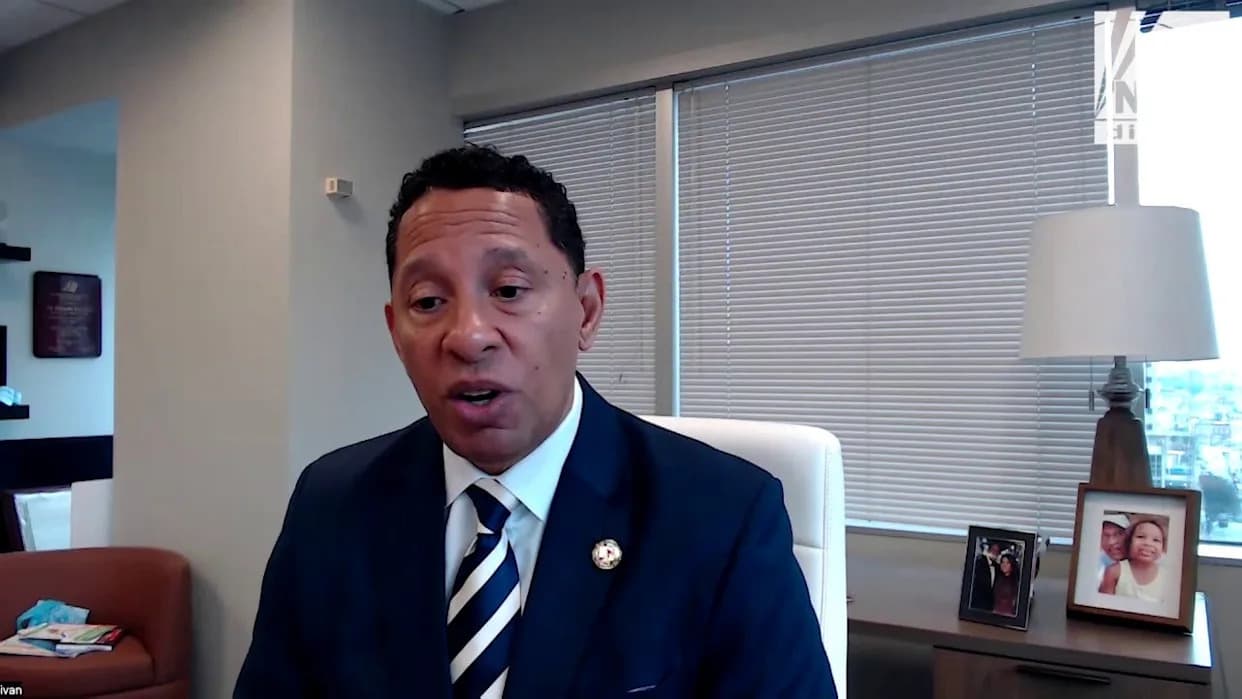
Baltimore State Attorney Ivan Bates discussed the city’s drop in homicides in 2025 with Fox News Digital, crediting tough on crime prosecution.(Fox News)
State’s Attorney Ivan Bates, who took office in January 2023, said his administration changed prosecutorial practice to more reliably pursue mandatory minimum sentences for repeat violent offenders — a policy he said had been applied unevenly in prior years.
“When we were sworn in, we said, ‘If you’re a repeat violent offender, bring a toothbrush,’” Bates said, explaining the office’s message that repeat violent offenders would face prison time.
State records show police arrested 1,577 repeat violent offenders in 2022; of those, 869 were convicted but only 267 — about 31% — were sentenced. Under Bates, the share of convicted repeat offenders who were sentenced rose to 58% in 2023, 69% in 2024 and 65% in 2025.
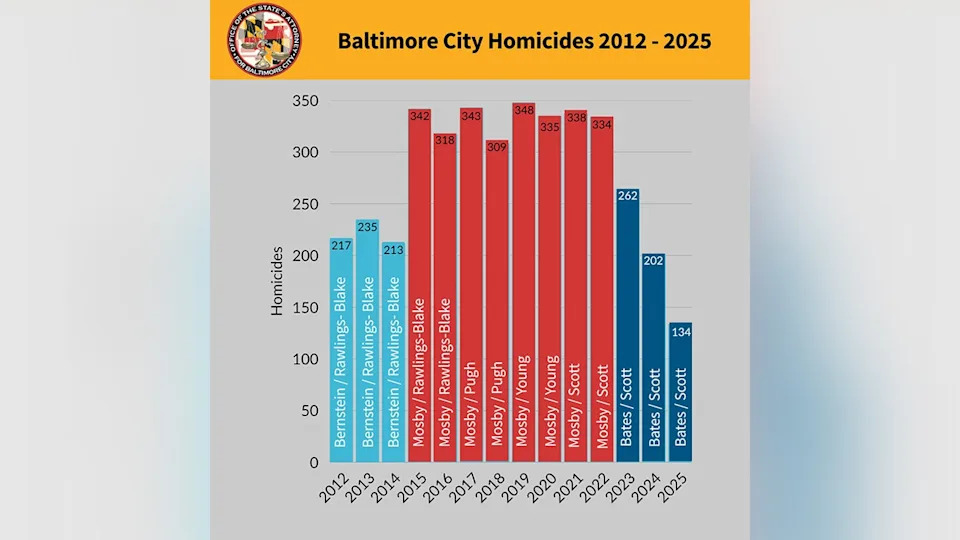
In 2025, Baltimore recorded 133 homicides, marking the city's lowest homicide count in nearly 50 years and completing a historic three-year decline under the Bates/Scott administration.
“This year alone, out of the 1,160 repeat violent offenders, 682 were found guilty of that offense. We sent 443 of them to prison — that’s 65%,” Bates said.
Maryland law permits prosecutors to seek a five-year mandatory prison term without parole for repeat offenders found in possession of illegal firearms, and Bates said enforcing that statute has been a cornerstone of his strategy. He characterized the change as removing a relatively small group of violent repeat offenders from the community for a minimum period.
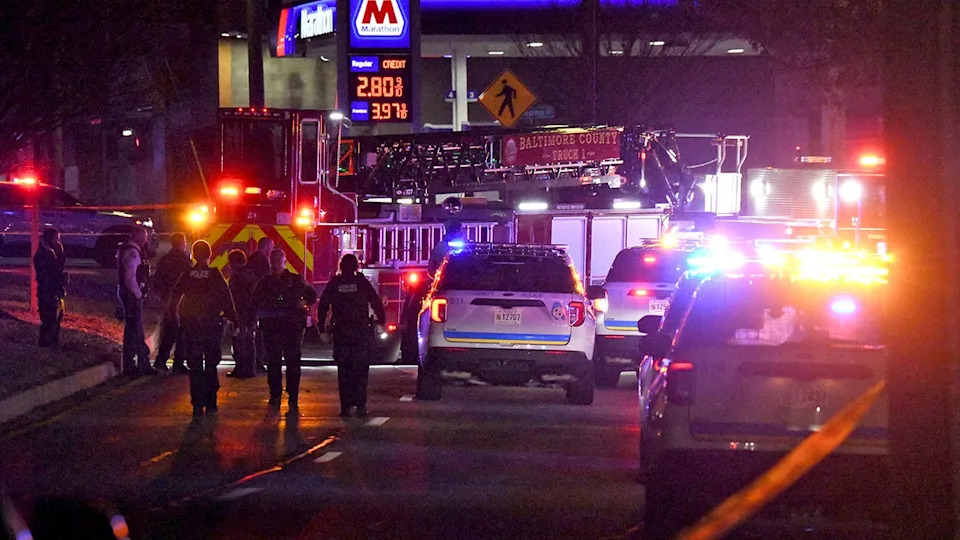
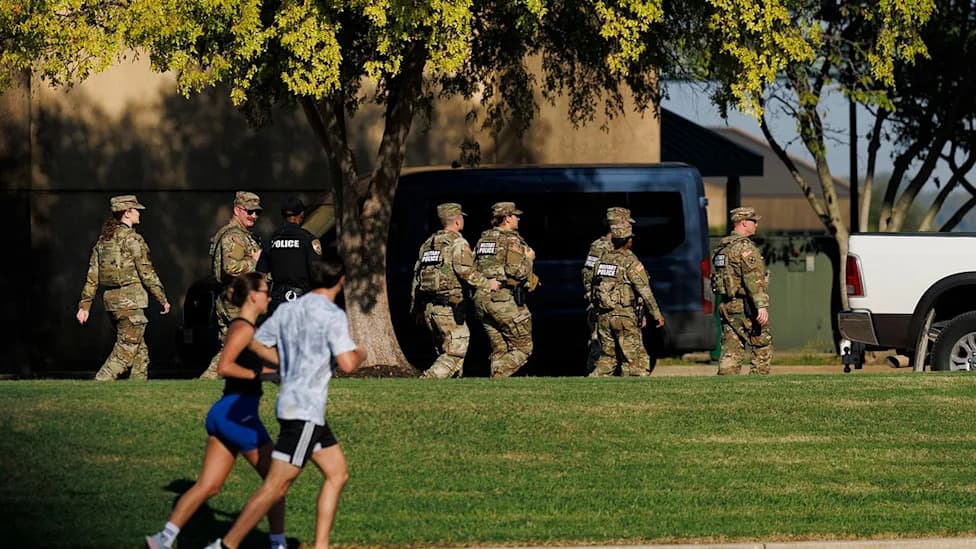
Police and other officials investigate a mass shooting in Baltimore County in the 8500 block of Loch Raven Boulevard.
Arrests of repeat gun offenders have also declined: police made 1,294 such arrests in 2023, 1,246 in 2024 and 1,160 in 2025. Bates said that the falling arrest numbers indicate fewer repeat offenders remain active on the streets.
Beyond sentencing changes, Bates credited closer cooperation with federal agencies (FBI, DEA, ATF), partnerships with Baltimore County, and the city’s Group Violence Reduction Strategy (GVRS) for disrupting drug networks that fuel violence. He also noted his office has increased staffing — from roughly 140 prosecutors in early 2023 to about 200 now — to support higher filing and sentencing rates.
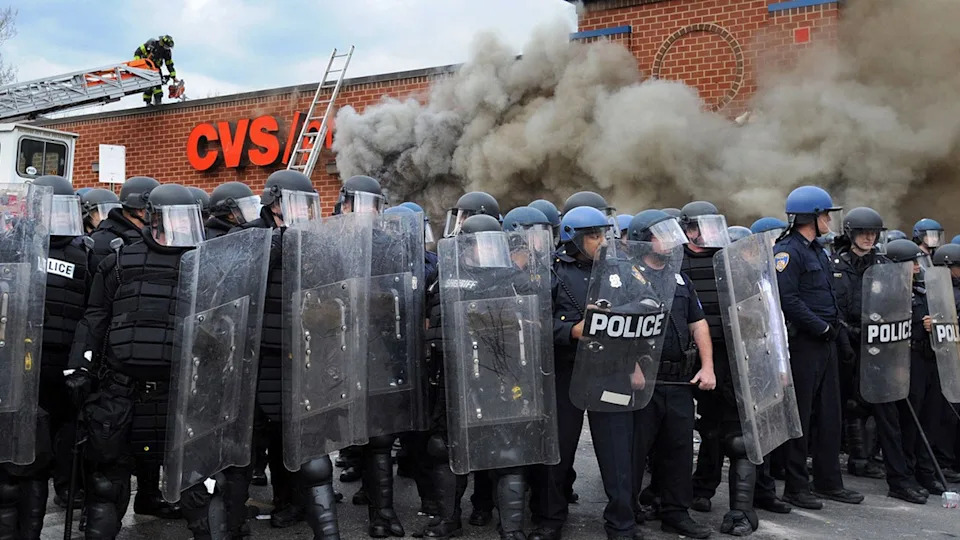
Looting and rioting broke out on April 27, 2015, at North and Pennsylvania Avenues where a CVS store was set on fire.
While national crime rates have declined in recent years, Baltimore’s drop in homicides has outpaced broader trends, officials say. The Council on Criminal Justice (CCJ) reported a 21% drop in homicides across 40 major cities in 2025, part of a wider decline in several crime categories, but local leaders warn gains could be fragile without stronger re‑entry and support programs for people leaving prison.
“If we do not do the hard work of investing and giving individuals an opportunity in an exit lane to get out of the criminal life, we can see that type of behavior rearing its head,” Bates said, stressing that prosecutors alone cannot solve recidivism.
Despite the citywide improvements, some entertainment and commercial districts — including Federal Hill — have continued to experience shootings. Local safety experts say isolated incidents can still deter visitors and erode residents’ confidence even when overall homicide numbers fall.
The wider public debate continues over the balance of enforcement, prevention and re‑entry strategies. City officials emphasize that sustained reductions will require not only prosecutions and federal partnerships but also investments in programs that help people exit a cycle of crime.
Help us improve.