Multnomah County District Attorney Nathan Vasquez announced his office will prosecute drug possession cases when individuals arrested do not meaningfully engage in offered treatment within 90 days, reversing a deflection-first approach tried for a year after Oregon decriminalized hard drugs. The office will continue offering services but will forward non-engaged cases to court as a last resort. Recovery advocates praised the balance of treatment and accountability, while county leaders cautioned that treatment capacity must be expanded so jail is not the default solution. Seattle disputes claims it has abandoned enforcement and reports increased narcotics and paraphernalia arrests in 2025.
Portland DA to Prosecute Drug Possession After 90 Days of Non‑Engagement, Citing Failed Deflection Program
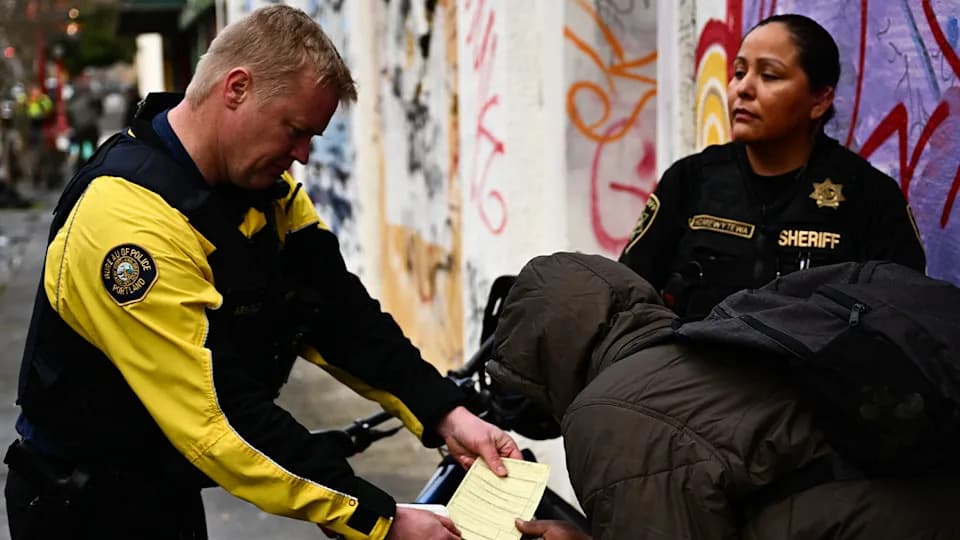
Police officer Eli Arnold issues a citation for drug possession during a patrol in downtown Portland, Oregon, on Jan. 25, 2024.(Getty Images)
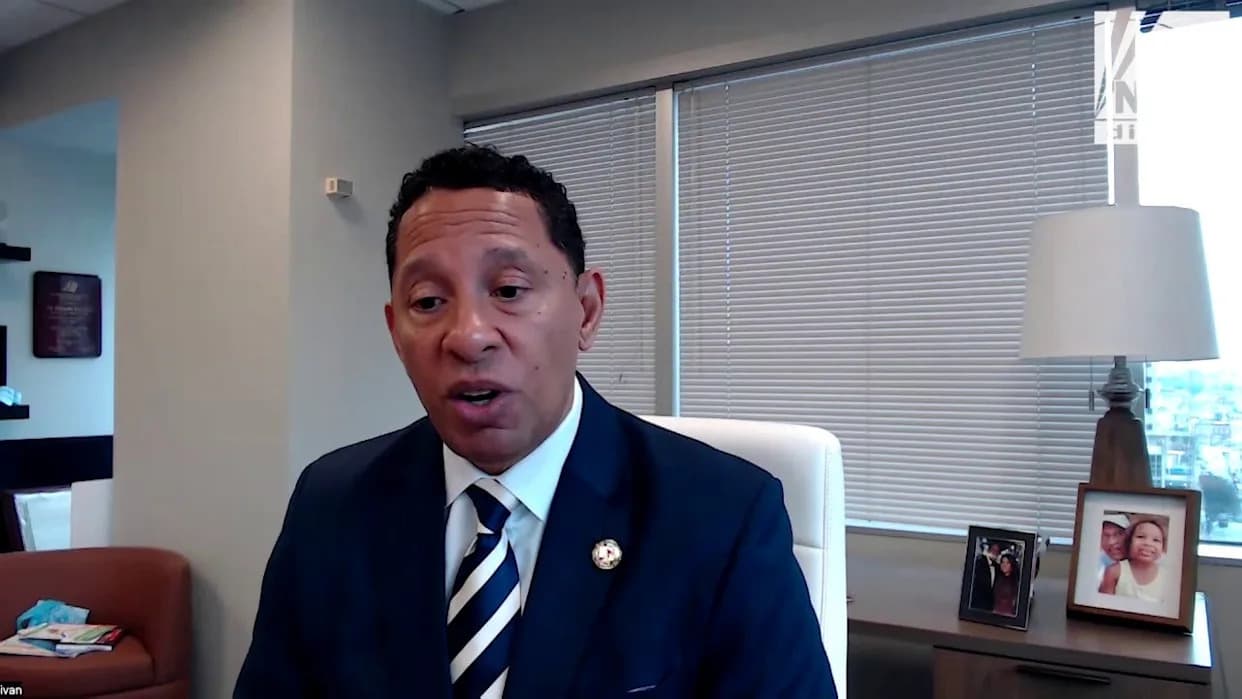
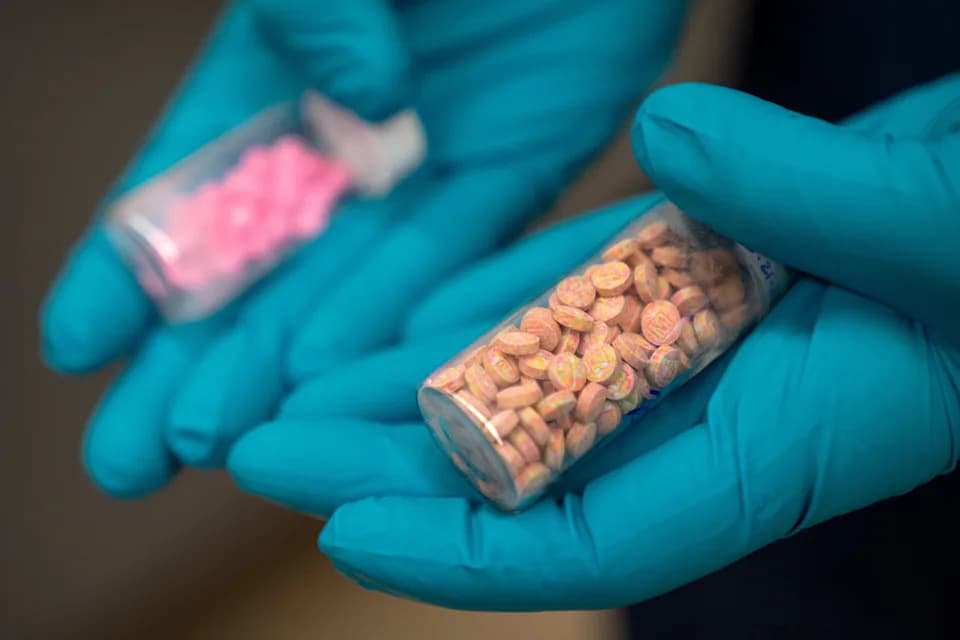
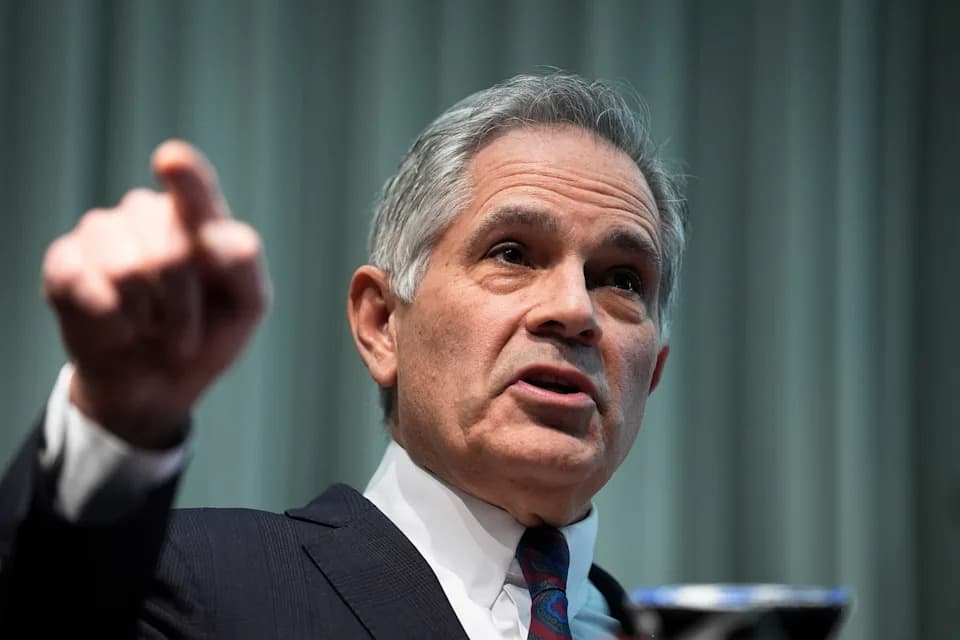
Multnomah County District Attorney Nathan Vasquez announced a policy change that will move certain drug possession cases into the court system when people arrested do not meaningfully engage in offered treatment within 90 days. The shift reverses a primarily deflection-based approach the county adopted after Oregon decriminalized hard drugs.
What Changed
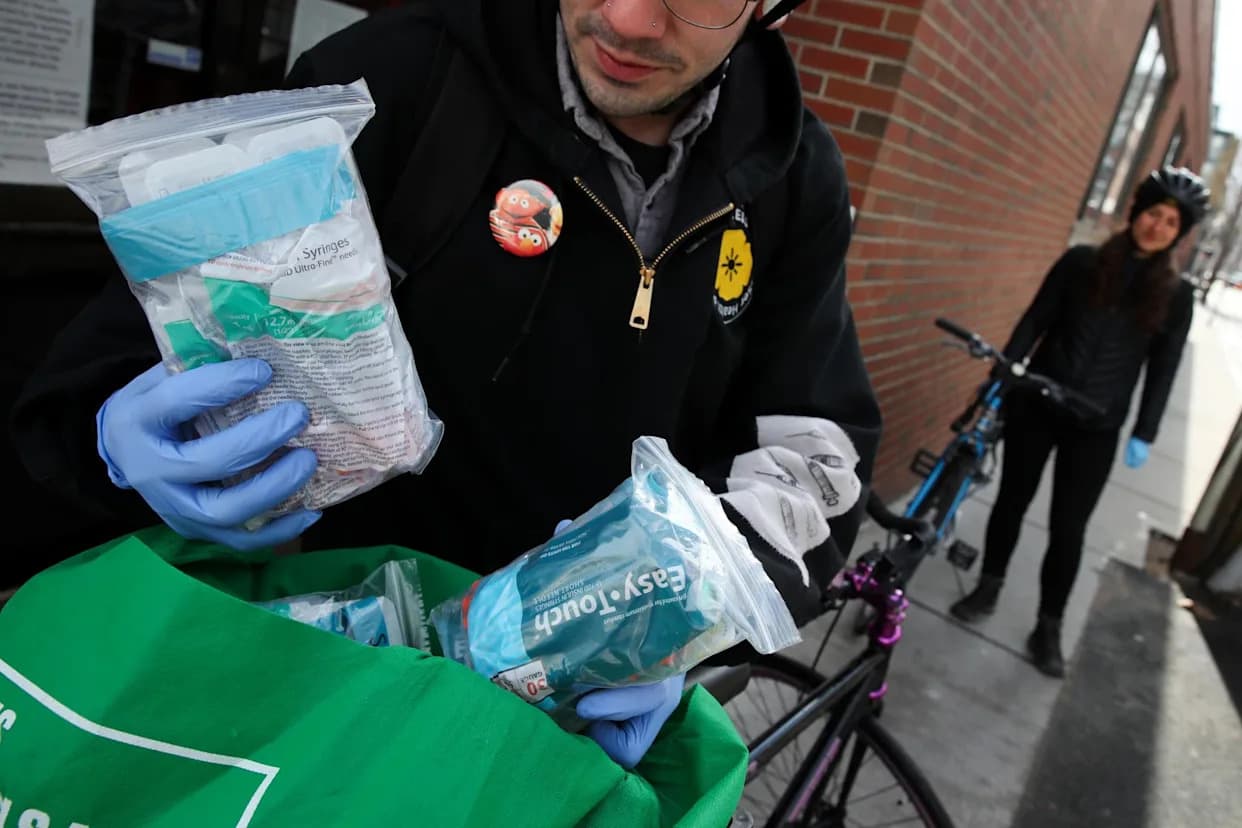
Under the revised policy, officers and prosecutors will continue to offer treatment and supportive services to people arrested for possession. However, if a person refuses services or fails to demonstrate meaningful engagement over a 90-day period, the DA's office will pursue prosecution on possession charges and forward the case to court.
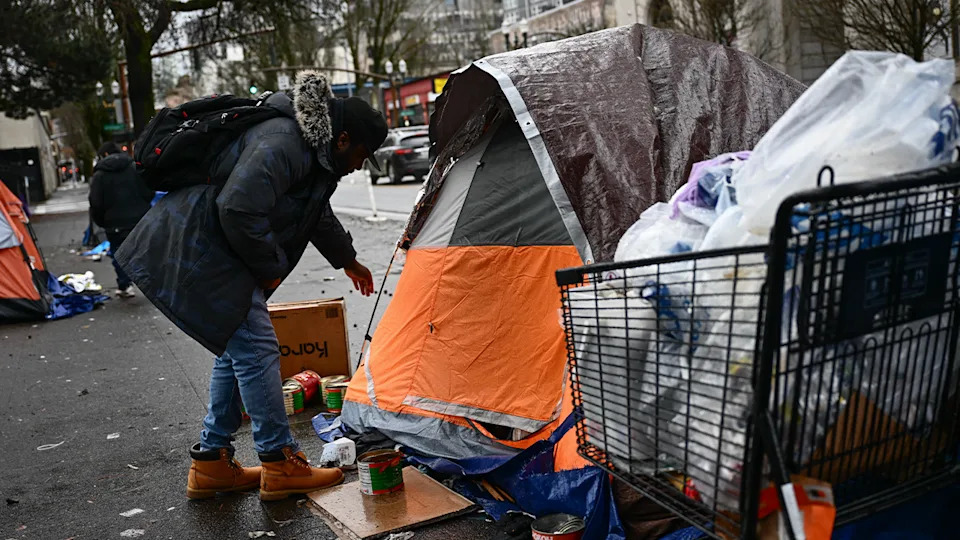
Ronald Ross, Multnomah County outreach supervisor with the 4D Recovery Center, speaks to a person in a tent about services for those experiencing homelessness, in Portland, Oregon, on Jan. 24, 2024.
Our goal is to get people help and keep them out of the criminal justice system, but there needs to be real consequences if people refuse to get help, Vasquez said.
Why the Change
Vasquez said the office delayed altering its approach to give the county's deflection program a full year to succeed after decriminalization. A spokesperson said that after one year the program had not produced the participation or outcomes expected, prompting the DA to act on the single element his office controls: prosecution decisions.
Adam Gibbs, general counsel for the DA's office, said prosecutors are coordinating with the county Health Department and elected commissioners to improve program alignment, accountability, and outcomes so that prosecution serves as a backstop when voluntary deflection fails.
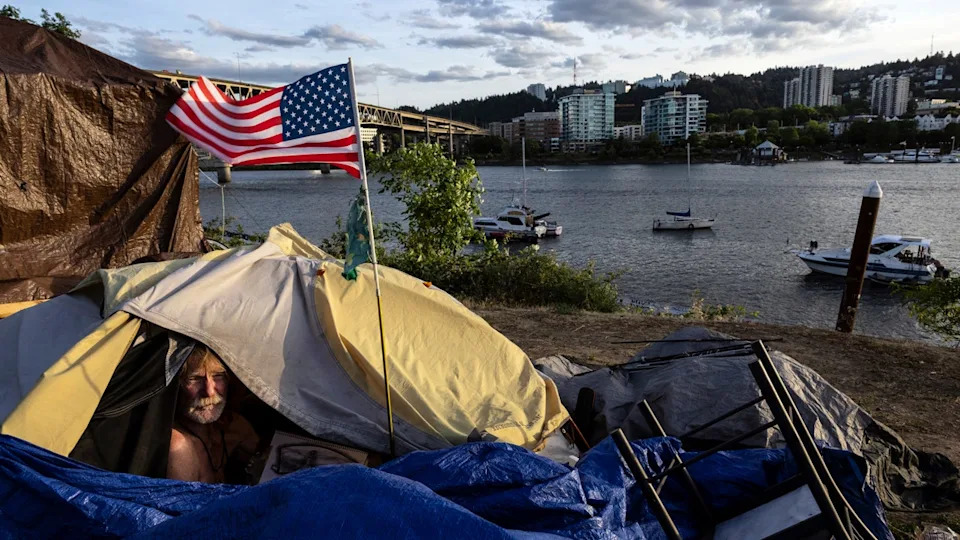
Frank, a homeless man, sits in his tent with a river view in Portland, June 5, 2021.
Supporters and Concerns
Some recovery advocates welcomed the move as a balance of treatment and accountability. Lance Orton, executive director of CityTeam Portland, cited participation data and his program's experience with court-mandated clients, saying accountability can be the turning point that leads people into sustained recovery.
At the same time, county officials and law enforcement leaders warned the county may not yet have sufficient treatment capacity. Multnomah County Commissioner Meghan Moyer noted gaps in the continuum of care, including limited immediate bed availability after detox, and urged expansion of services so jail is not the default response.
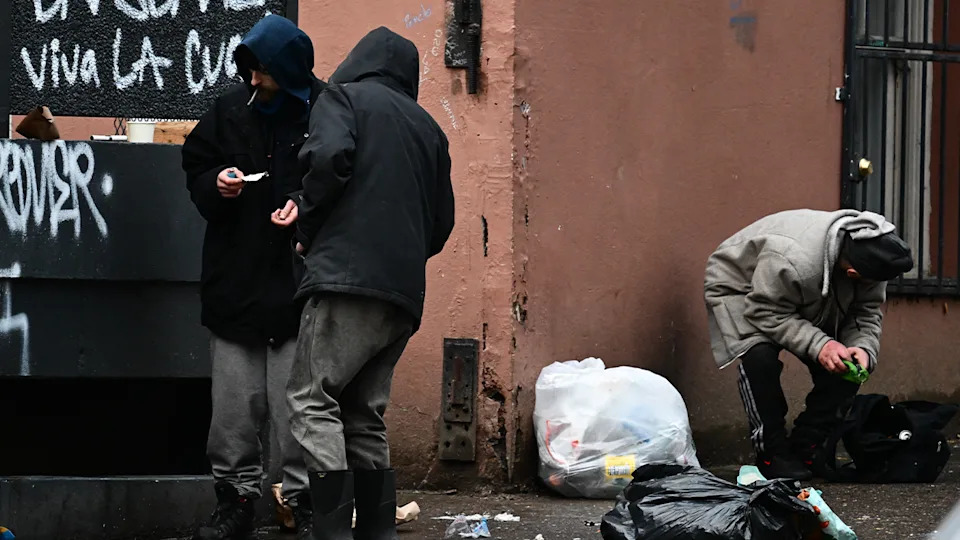
A person holds a foil while smoking following the decriminalization of all drugs, including fentanyl and meth, in downtown Portland, Oregon, on Jan. 25, 2024.
Multnomah County Sheriff Nicole Morrisey O’Donnell emphasized the need to balance public safety and behavioral health, warning that jails are not treatment centers and that incarceration without services can undermine recovery and community safety. She supported accountability where voluntary treatment repeatedly fails.
Regional Comparison
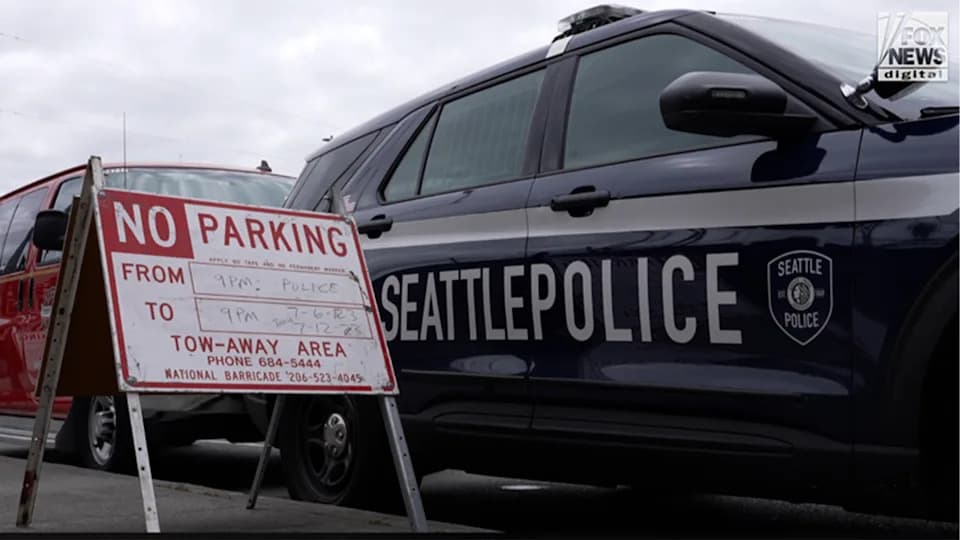
The policy shift comes amid contrasts with Seattle and King County, which have reduced prosecutions for many possession cases. Seattle officials disputed claims of softened enforcement, reporting a 21 percent increase in narcotics-related arrests in 2025 compared with 2024 (1,212 arrests) and a 205 percent rise in paraphernalia arrests year over year.
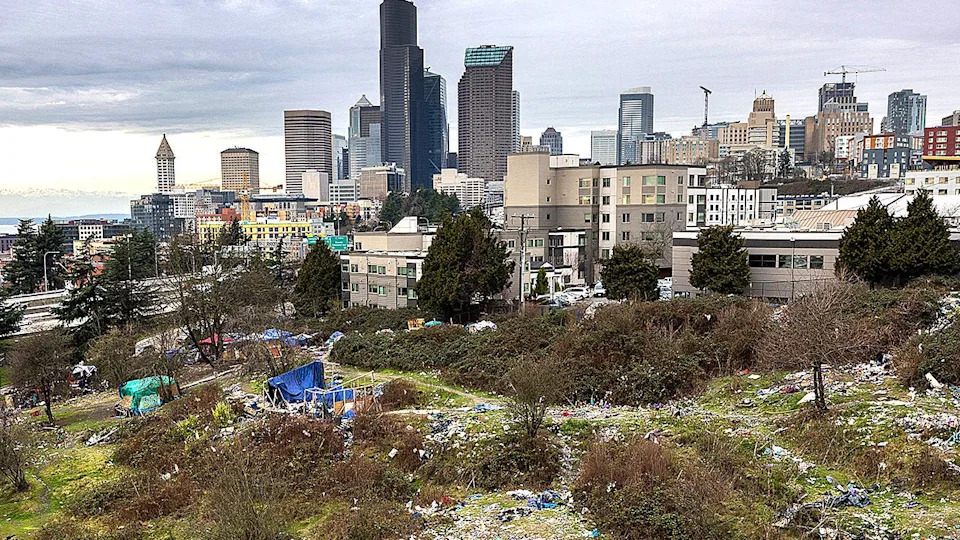
In an aerial view, a homeless encampment, known informally as "Dope Slope," stands covered in garbage near downtown Seattle on March 12, 2022.
Vasquez and some critics argue that reduced arrests amounted to de facto decriminalization and contributed to public harms in Portland following statewide decriminalization. He pointed to elevated overdose and public-use concerns after arrests declined, and said accountability is necessary to steer people toward treatment and to protect public spaces.
Looking Ahead
County leaders, treatment providers and law enforcement said they will work to pair accountability with expanded treatment capacity so that prosecutions remain a backstop rather than the sole response. CityTeam and other providers said they have available beds and stand ready to assist more people if capacity is increased and referral pathways are strengthened.
Help us improve.