The Council on Criminal Justice reports a 21% drop in homicide rates across 35 U.S. cities from 2024 to 2025 — about 922 fewer homicides. The study covered 13 crime categories and found declines in 11, with vehicle thefts down 27% and shoplifting down 10%. Homicides fell in 31 of 35 cities, with Denver, Omaha and Washington down 40%+, while Little Rock saw a 16% increase. Experts caution it is too early to pinpoint the causes.
New Report: Homicide Rates Fall Sharply Across 35 U.S. Cities — 21% Drop, About 922 Fewer Deaths
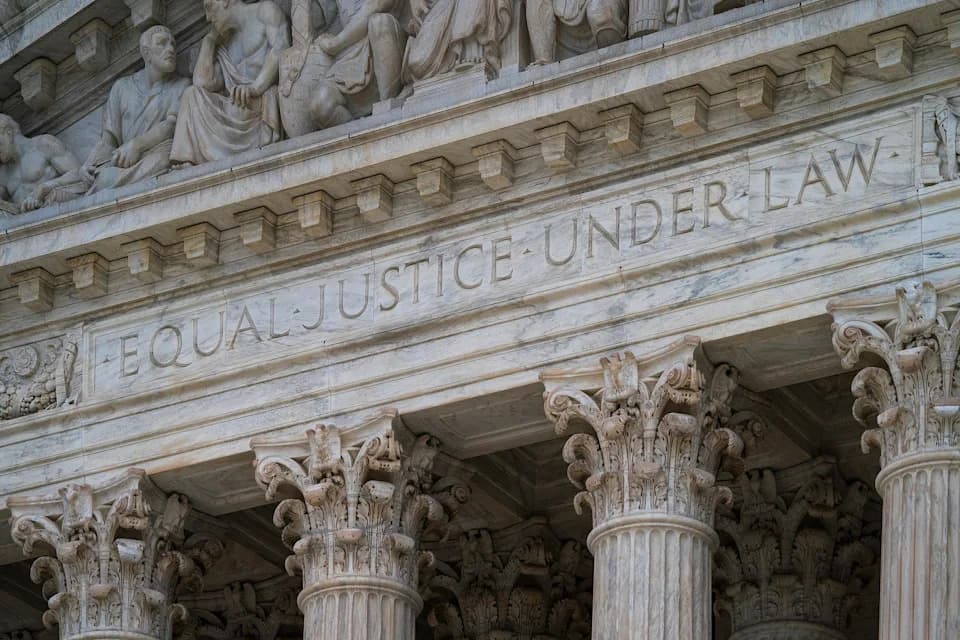
FILE - The west facade of the Supreme Court Building bears the motto "Equal Justice Under Law" on March 20, 2019, in Washington. (AP Photo/J. Scott Applewhite, File)(ASSOCIATED PRESS)
Data compiled from 35 U.S. cities shows a 21% decline in the homicide rate between 2024 and 2025 — roughly 922 fewer homicides — according to a new analysis by the independent, nonpartisan Council on Criminal Justice.
The council's report tracked 13 categories of crime and found decreases in 11 of them, including carjackings, aggravated assaults and shoplifting. Drug offenses edged up slightly, and reported sexual assaults were essentially unchanged year over year.
Many property crimes also fell among the reporting cities: vehicle thefts declined by 27% and shoplifting dropped by 10% in the dataset the council reviewed.
The study found homicide rates fell in 31 of the 35 cities analyzed. Several cities recorded especially large declines — Denver, Omaha (Neb.), and Washington each saw homicide rates fall by 40% or more — while Little Rock, Ark., was the only city in the sample with a double-digit increase (+16%).
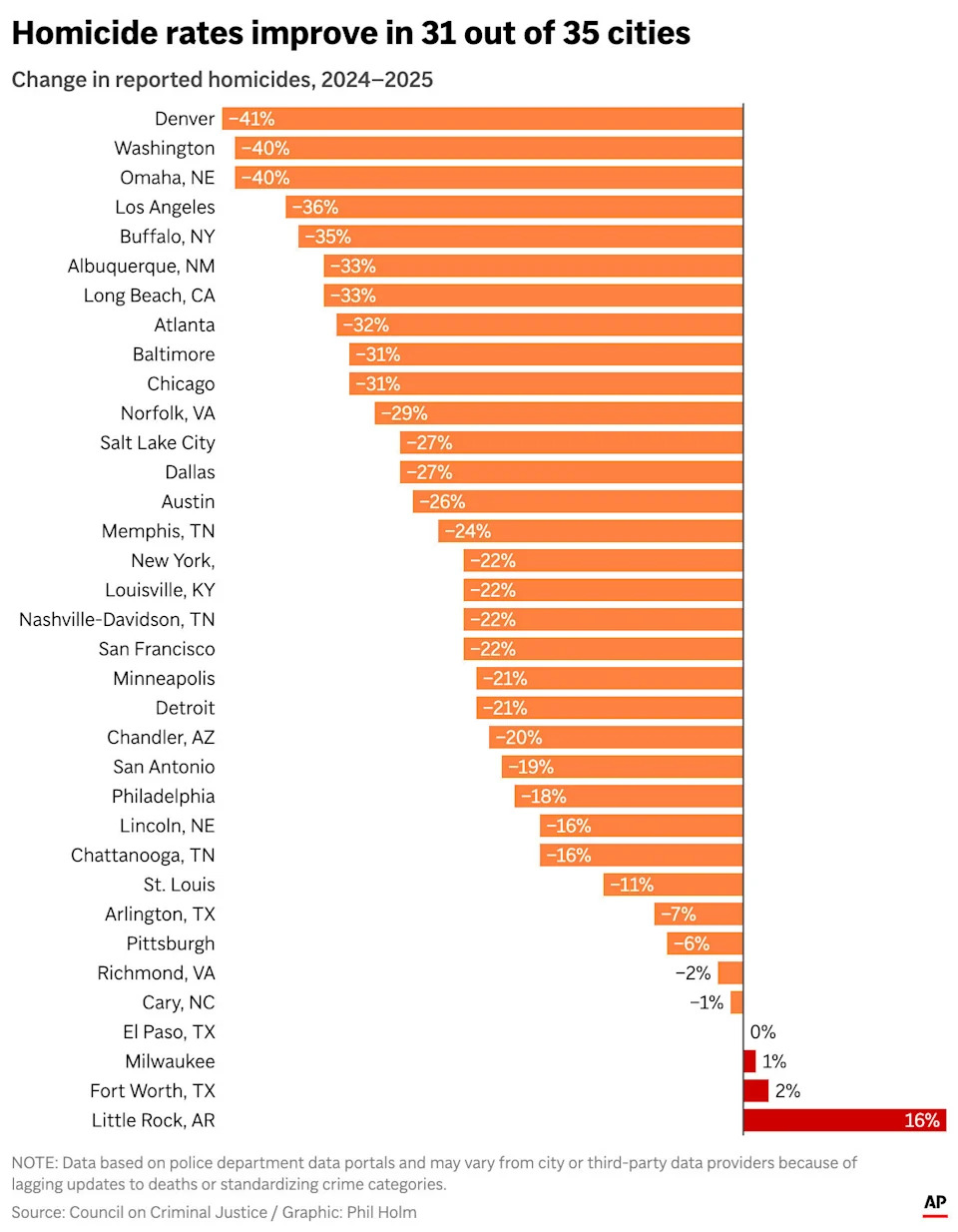
The chart above shows changes in homicide rates from 2024 to 2025 using data collected from 35 cities. (AP Digital Embed)(ASSOCIATED PRESS)
What Experts Say
Researchers and policymakers urged caution in drawing firm conclusions about causes. Adam Gelb, president and CEO of the Council on Criminal Justice, described the shift as historic after pandemic-era surges but warned that crime trends rarely have a single cause.
'It's a dramatic drop to an absolutely astonishing level. As we celebrate it we also need to unpack and try to understand it,' Gelb said. 'There's never one reason crime goes up or down.'
Jens Ludwig, director of the University of Chicago Crime Lab, noted that the broad, simultaneous declines across many cities and crime types make it unlikely any single local policy explains the change. He suggested the trend may reflect a mixture of local policies and larger social, economic and cultural forces — and that some reversal to the mean after pandemic spikes remains possible.
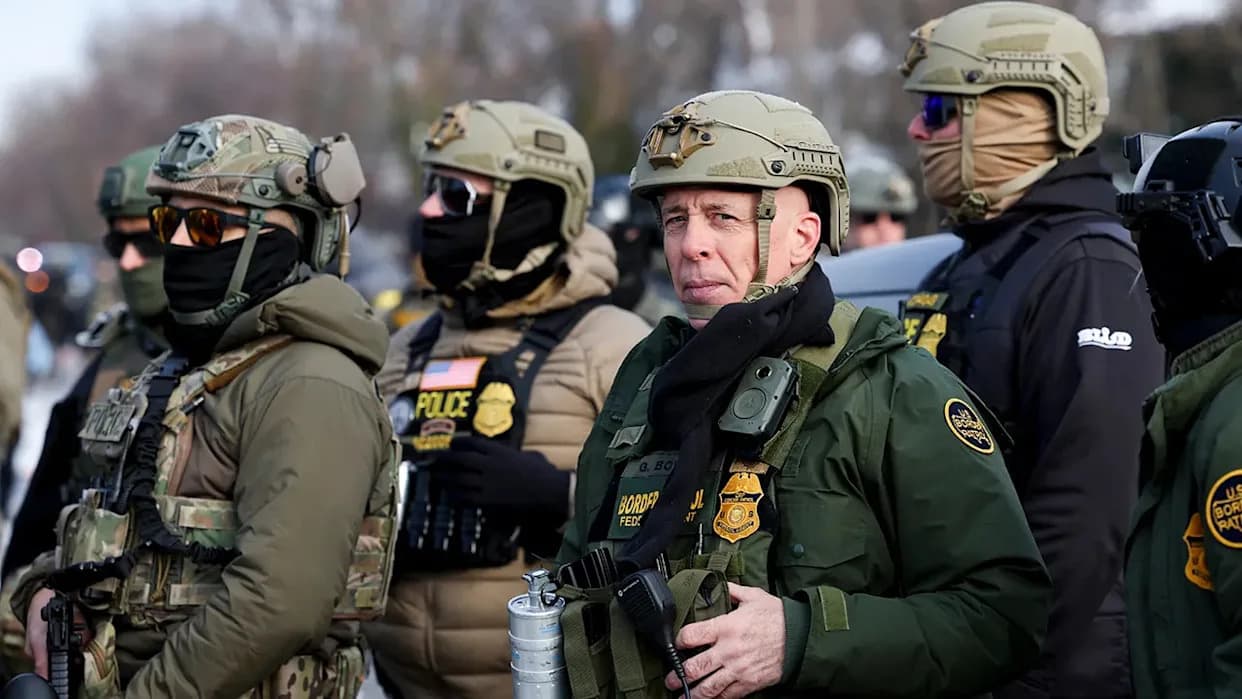
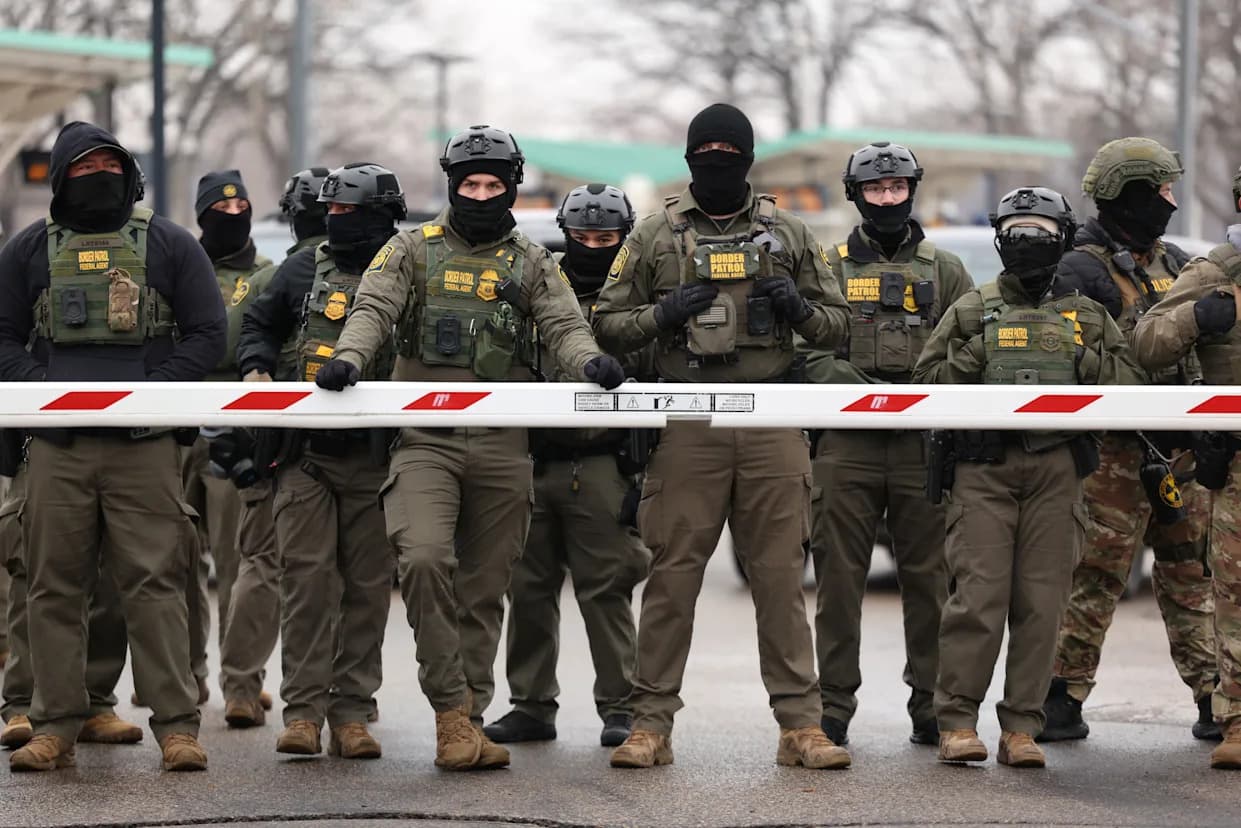
Political leaders from both parties have claimed credit: some Republicans point to tougher enforcement measures such as National Guard deployments and stepped-up immigration operations, while Democratic mayors highlight investments in community programs and policing strategies. The council's analysis, however, noted that similar declines occurred in jurisdictions that did not experience troop or federal-agent surges, making a single explanation unlikely.
Looking Ahead
While the 2025 declines are notable, experts emphasize the volatility of violent crime rates and the need for careful analysis before declaring long-term success. Policymakers and researchers will need more time and deeper study to understand which factors, or combination of factors, produced this widespread improvement.
Help us improve.